1/1

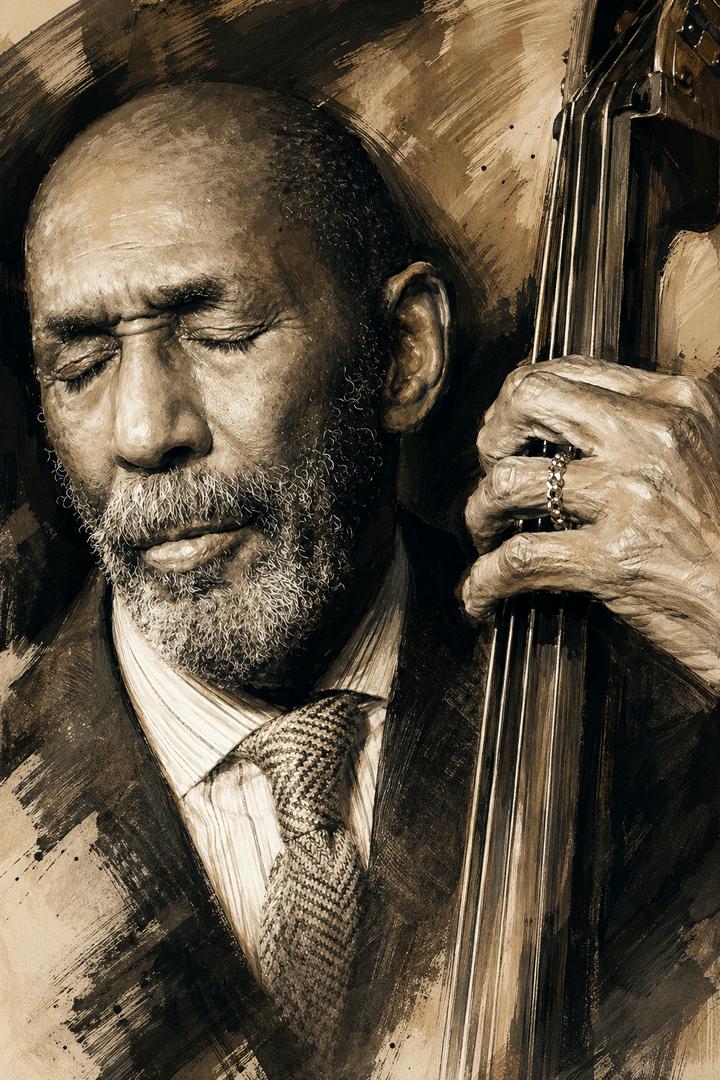
On May 4, 1937, jazz bassist Ron Carter was born in Ferndale, Michigan. Carter may not be the first name casual listeners mention when they talk about jazz, but inside the music, his presence is everywhere. He became one of the most respected and recorded bassists in jazz history, with more than 2,200 recording credits across a career that has stretched over six decades. Before becoming known for the bass, Carter began studying cello as a child. He later switched to double bass and developed the sound that would make him one of the most trusted musicians in modern jazz. His playing was not built on flash. It was built on tone, control, discipline, and a deep understanding of how to hold a group together. In jazz, the bass often carries quiet authority. It gives the music its pulse, supports the soloists, and shapes the direction of the performance. Carter mastered that role with elegance. He could stay in the background without disappearing, guiding the music with steady confidence. During the 1960s, Carter became widely known as part of Miles Davis’s Second Great Quintet. Alongside Davis, Wayne Shorter, Herbie Hancock, and Tony Williams, he helped create music that pushed jazz into bold new territory. The group’s sound was complex, modern, and deeply influential. Carter’s career did not stop with one legendary band. He recorded with a wide range of artists across jazz and beyond, becoming a first-call musician for countless sessions. That kind of career speaks to more than talent. It speaks to trust. He also built a legacy as a bandleader, composer, educator, and mentor. His work helped prove that the bass could be both foundation and voice. Ron Carter’s story is a reminder that influence is not always loud. Sometimes it moves underneath everything, steady and precise, carrying the whole sound forward. May 4 marks the birth of a musician whose fingerprints are pressed deep into the rhythm of modern jazz. #Musichisory #jazzhistory #blackhistory
Ferndale, Michigan • 29 days ago
write a comment...