1/1

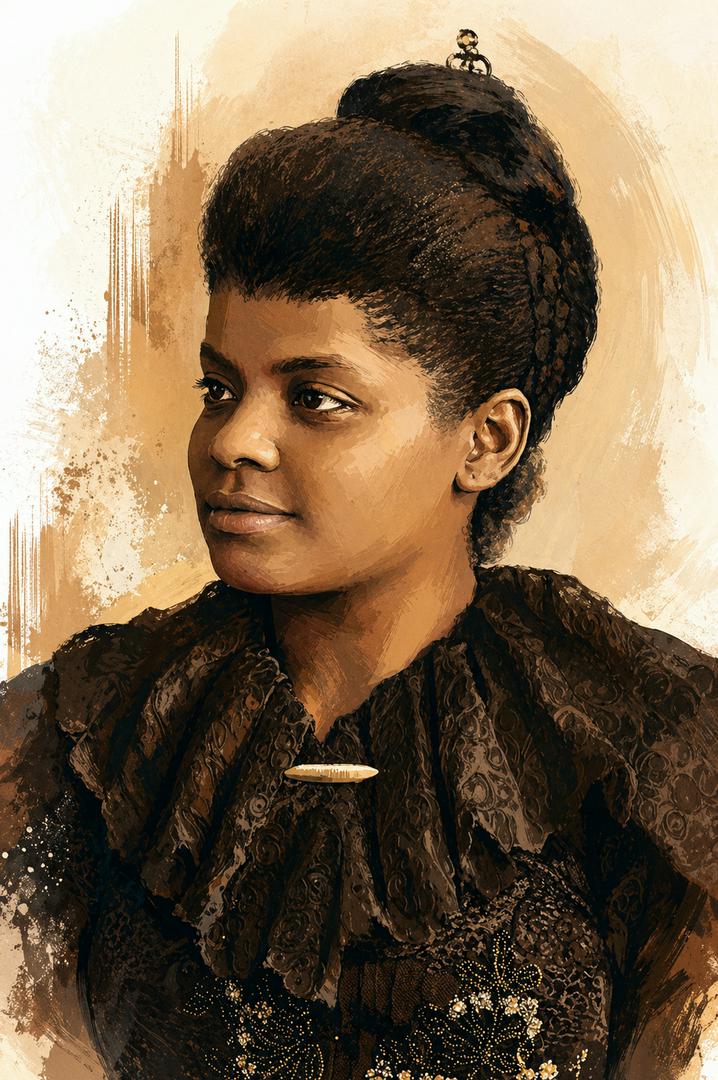
On May 4, 1884, Ida B. Wells continued a fight against railroad segregation years before her name became nationally known for anti-lynching journalism. Wells, then a young teacher in Tennessee, had already experienced discrimination on the Chesapeake, Ohio & Southwestern Railroad. After buying a first-class ticket, she was ordered out of the ladies’ car and told to sit in the smoking car instead. She refused to accept being pushed into an inferior space after paying for first-class service. That refusal was not just about a train seat. It was about dignity, equal treatment, and the right to receive what she had paid for. At a time when public transportation was being used to enforce separation and humiliation, Wells stood her ground. These incidents led Wells to take legal action. She sued the Chesapeake, Ohio & Southwestern Railroad and initially won damages in a lower court. That victory was rare, especially in a legal system that often protected discriminatory customs more than it protected Black passengers. But the victory did not last. The railroad appealed, and in 1887, the Tennessee Supreme Court reversed the lower court’s ruling. The court sided with the railroad and took away the damages Wells had been awarded. Still, the case mattered. Ida B. Wells did not wait until she had a national platform to challenge unfair treatment. She did not wait until the world called her fearless. Before her anti-lynching work made her one of the most important journalists in American history, she was already confronting discrimination in public life. Her train case showed the same courage that would later define her career: document the truth, challenge powerful systems, and refuse silence. Ida B. Wells’ legacy is not only found in what she wrote. It is also found in what she refused to accept. #IdaBWells #BlackHistory #AmericanHistory #WomenInHistory #OnThisDay
Tennessee • 29 days ago
write a comment...