1/1

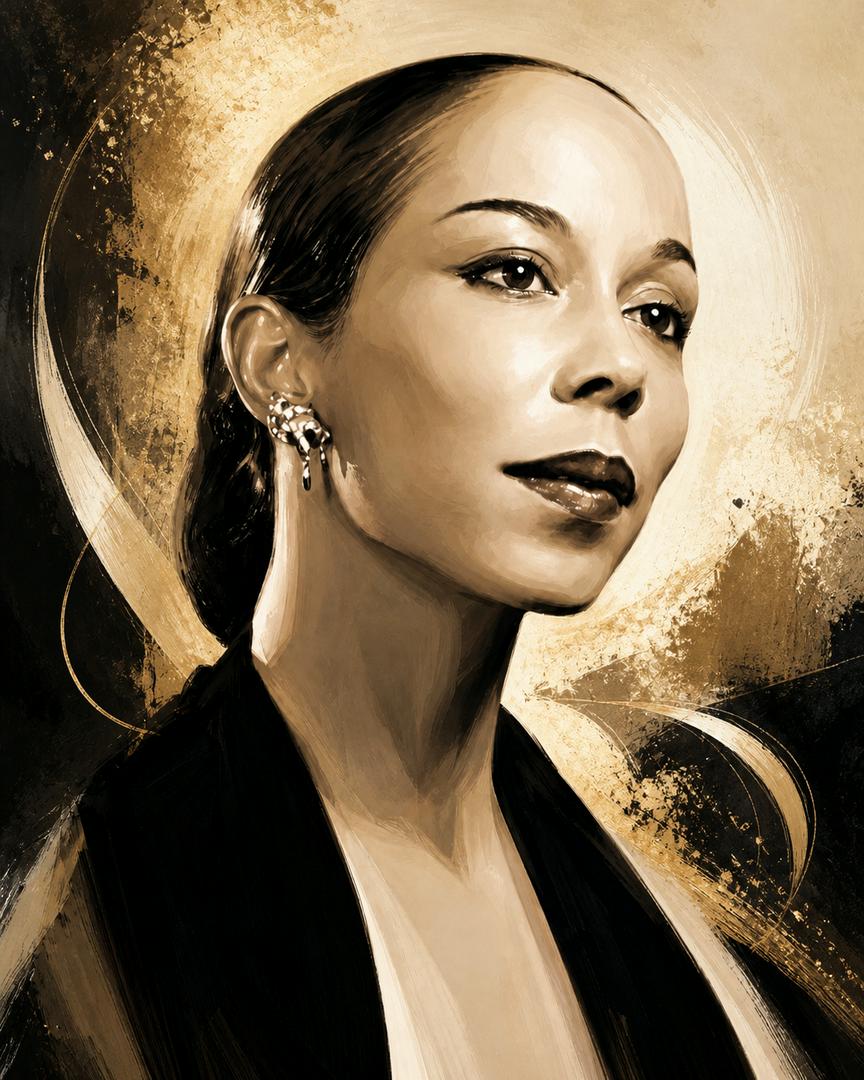
Before Misty Copeland became a household name in ballet, Janet Collins had already stepped onto one of America’s most respected stages and challenged the color line in classical dance. Janet Collins was born in New Orleans in 1917 and raised in Los Angeles. From a young age, she trained seriously, but talent alone did not protect her from racism. As a teenager, she reportedly auditioned for the Ballet Russe de Monte Carlo and was told she would need to disguise her race to perform with the company. Collins refused. That decision matters. She was not just chasing applause. She was protecting her dignity. Collins built her career through discipline, skill, and range. She worked as a dancer, choreographer, and teacher, moving through ballet, modern dance, opera, and Broadway. In 1951, she won the Donaldson Award for best dancer on Broadway for her work in Cole Porter’s Out of This World. That recognition helped bring her to the attention of Zachary Solov, ballet master of the Metropolitan Opera. In 1951, Collins became the first Black dancer to join the Metropolitan Opera Ballet. She was also recognized as the first Black artist to perform on the Met stage. By 1952, she became the first African American prima ballerina with the Metropolitan Opera, dancing lead roles in productions including Aida and Carmen. That was not a small breakthrough. Ballet had long been treated as an elite space, and Black dancers were often pushed out, overlooked, or told they did not belong. Collins entered that world without hiding who she was. Her story reminds us that history does not begin with the person most often mentioned. Misty Copeland’s rise is important, but Janet Collins was already breaking barriers more than 60 years earlier. Collins later taught at the School of American Ballet and Marymount Manhattan College, helping shape future dancers. She died in 2003, but her legacy still stands on pointe. She did not just dance. She made room. #JanetCollins #history #Ballet
26 days ago
write a comment...