1/1
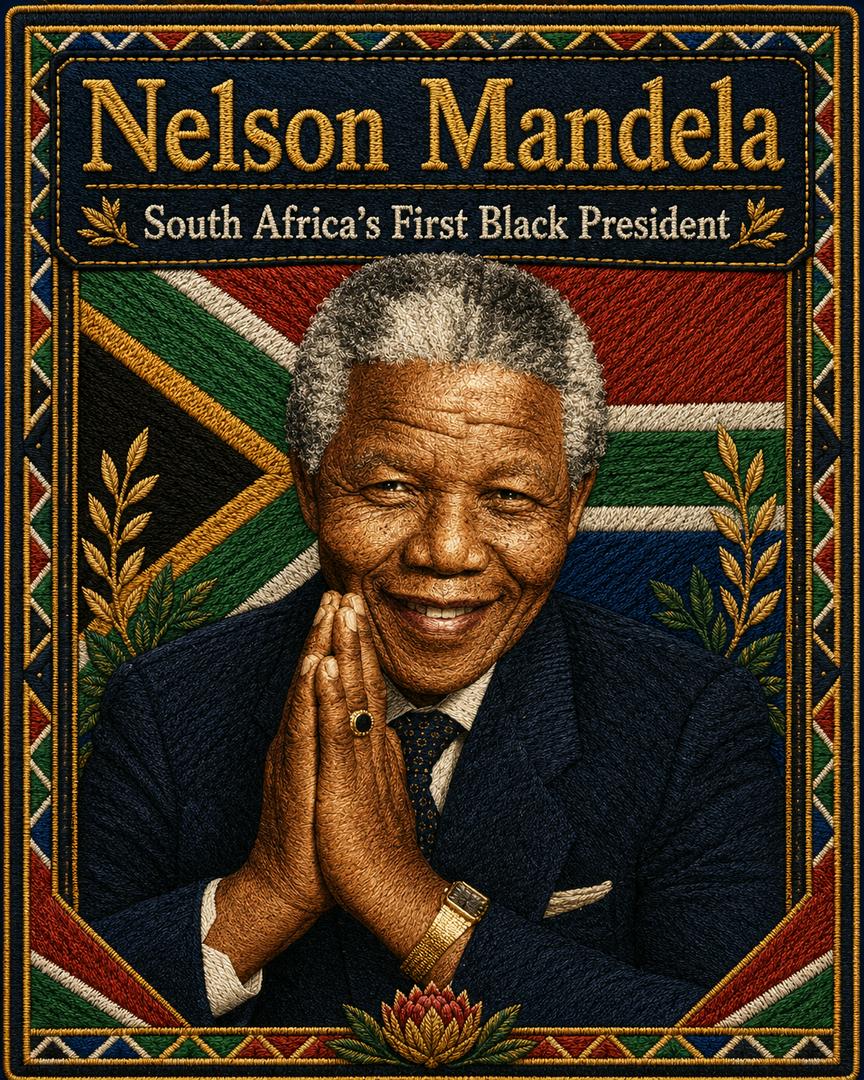
On May 9, 1994, South Africa’s newly elected parliament chose Nelson Mandela as the country’s first Black president. It was more than a political appointment. It was a turning point after decades of apartheid, a system that controlled where Black South Africans could live, work, travel, vote, and exist in their own homeland. Mandela had spent 27 years in prison for his role in the fight against apartheid. By the time he walked into leadership, he carried the weight of sacrifice, resistance, and survival. Just weeks earlier, South Africa held its first multiracial democratic election, allowing millions of people who had been denied full political power to finally cast their ballots. The election took place from April 26 to April 29, 1994, and marked the beginning of a new chapter for the nation. Mandela’s rise did not erase the wounds of apartheid overnight. No election can heal generations of harm by itself. But his selection showed the world that a country once built on legal separation could begin moving toward democracy, dignity, and repair. The next day, on May 10, Mandela was sworn in as president. His leadership became a global symbol of endurance, reconciliation, and the power of refusing to let oppression have the final word. His story still matters because it reminds us that history can shift. Systems that seem permanent can fall. People once silenced can rise. And sometimes, the person a government tried to bury becomes the one chosen to lead. #NelsonMandela #SouthAfricanHistory #BlackHistory #ApartheidHistory #HistoryMatters
23 days ago
write a comment...