1/1

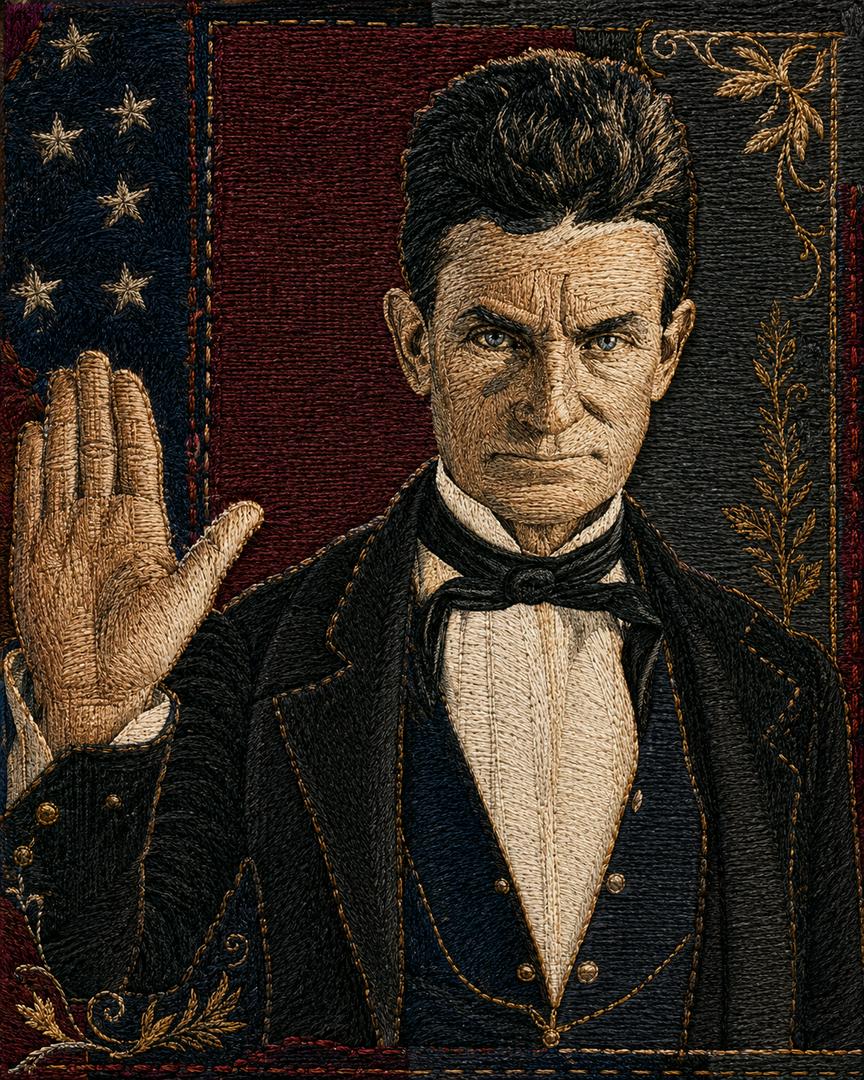
On May 9, 1800, John Brown was born. His name remains one of the most debated names in American abolition history. Brown was a white abolitionist, but his story is deeply connected to Black history because he did not view slavery as a political disagreement. He saw it as a violent system that had to be confronted. At a time when many people opposed slavery with careful speeches, petitions, and gradual arguments, Brown took a much harder position. He believed slavery was an emergency. He supported anti-slavery work, helped people escaping bondage, and became known for his willingness to fight the system directly. His most famous act came in 1859 with the raid on Harpers Ferry. Brown and his followers attempted to seize the federal armory in Virginia, hoping the weapons could help spark a larger uprising against slavery. The plan failed. Brown was captured, tried, and executed. But his death did not end the conversation. To some Americans, John Brown was dangerous and extreme. To others, especially those who understood the brutality of slavery, he was one of the few white men of his era willing to treat human bondage like the moral crisis it was. That is what makes his legacy so uncomfortable. His life forces a hard question: how far is someone willing to go when they claim to believe people should be free? John Brown did not simply oppose slavery in theory. He put his life on the line for that belief. His story is complicated, but it cannot be erased. In a country built on forced labor, profit, and human bondage, Brown became a symbol of resistance that polite society could not easily explain away. More than 160 years after his execution, his name still raises debate because he challenged America to look directly at slavery without softening the truth. #BlackHistory #JohnBrown #AbolitionHistory #OnThisDay #AmericanHistory
23 days ago
write a comment...