1/1

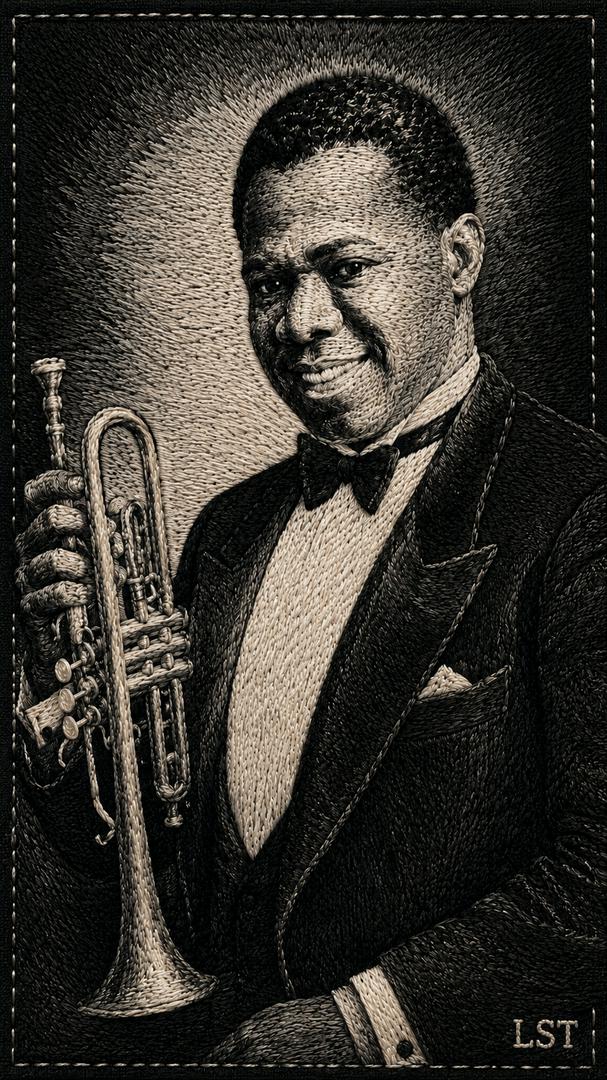
Often listed as born on May 11, 1885, Joe “King” Oliver stands as one of the key figures who helped carry jazz from New Orleans into the national spotlight. His exact birth year is disputed by some sources, but his place in music history is not. Born in Louisiana and raised around the sound of New Orleans, Oliver became known for his powerful cornet playing, his leadership, and his ability to shape a band into something larger than entertainment. He was not just playing music. He was helping build the language of early jazz. Oliver became one of the most respected musicians in New Orleans before moving north, part of the larger movement of Black talent, labor, and culture into cities like Chicago. There, his Creole Jazz Band became one of the most important groups of the 1920s. Their recordings helped preserve the sound of early New Orleans jazz at a time when the music was spreading fast. One of Oliver’s greatest legacies was his relationship with Louis Armstrong. Oliver mentored Armstrong, gave him opportunities, and brought him into his band in Chicago. That connection matters because Armstrong would go on to become one of the most influential musicians in American history. But before Armstrong became “Satchmo,” there was King Oliver, the bandleader who helped open the door. Oliver’s story is also a reminder that some of the people who shaped American culture did not always receive the wealth or security their genius deserved. He helped define a sound that traveled the world, yet his later years were marked by hardship. Still, the music outlived the struggle. King Oliver helped bridge the world of New Orleans street parades, dance halls, brass bands, and collective improvisation with the recording era that made jazz a national force. His name belongs in the conversation whenever early jazz history is told. #KingOliver #JoeKingOliver #JazzHistory #MusicHistory
New Orleans, Louisiana • 22 days ago
write a comment...