1/1

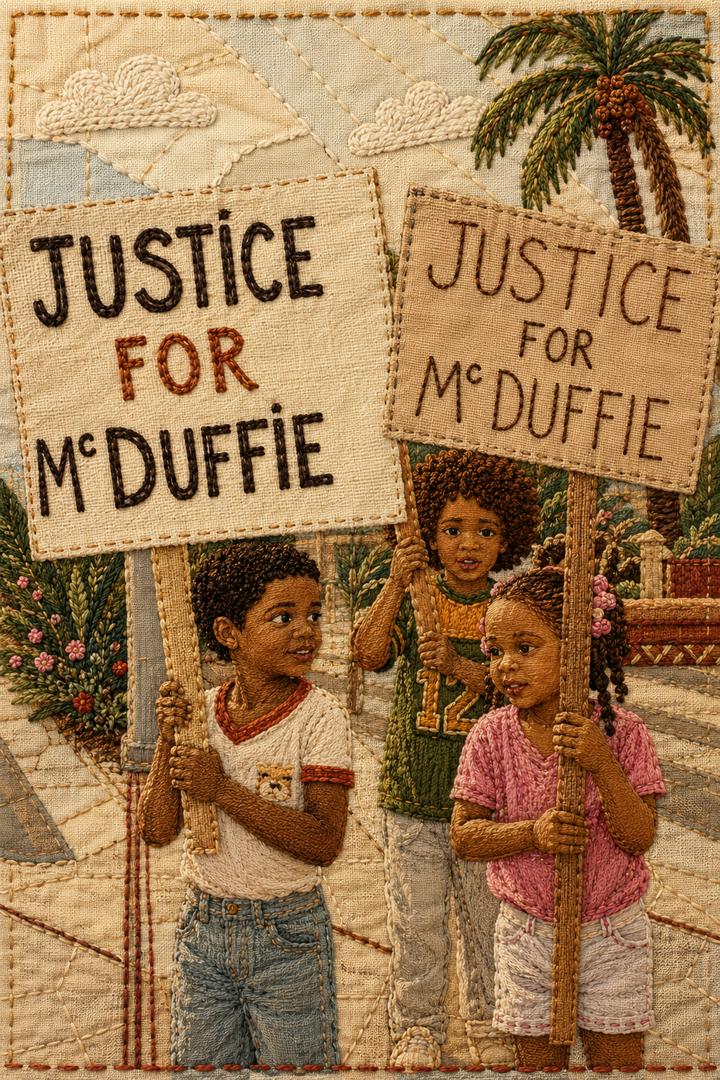
On May 17, 1980, Miami reached a breaking point. Arthur McDuffie was not a nameless man in a headline. He was a Black insurance executive, a former Marine, a father, and a 33-year-old man whose death became one of Miami’s most painful chapters. In December 1979, McDuffie was fatally beaten after a police chase involving his motorcycle. At first, the public was told his injuries came from a crash. But the story began to fall apart. Evidence later showed that McDuffie had been beaten, and officers were charged in connection with his death. The case was moved to Tampa, where an all-white jury heard the trial. On May 17, 1980, the officers were acquitted. For many people in Miami, that verdict felt like the system had looked at a dead man and turned away. By nightfall, anger spilled into the streets. Liberty City and Overtown became the center of the unrest. Fires burned. Businesses were damaged. The National Guard was called in. Families hid inside their homes while the city shook under grief, rage, and fear. The unrest lasted several days. By the time it ended, 18 people were dead, hundreds were injured, and Miami was left with deep scars that could not be covered by rebuilding alone. This story is not just about a riot. It is about what happens when a community believes justice has been denied for too long. Arthur McDuffie’s name became a symbol of a city’s pain, but behind that symbol was a real man whose life mattered before the verdict, before the headlines, and before Miami burned. His story still belongs in the record. #ArthurMcDuffie #MiamiHistory #OnThisDay #BlackHistory
Miami, Florida • 16 days ago
write a comment...