1/1

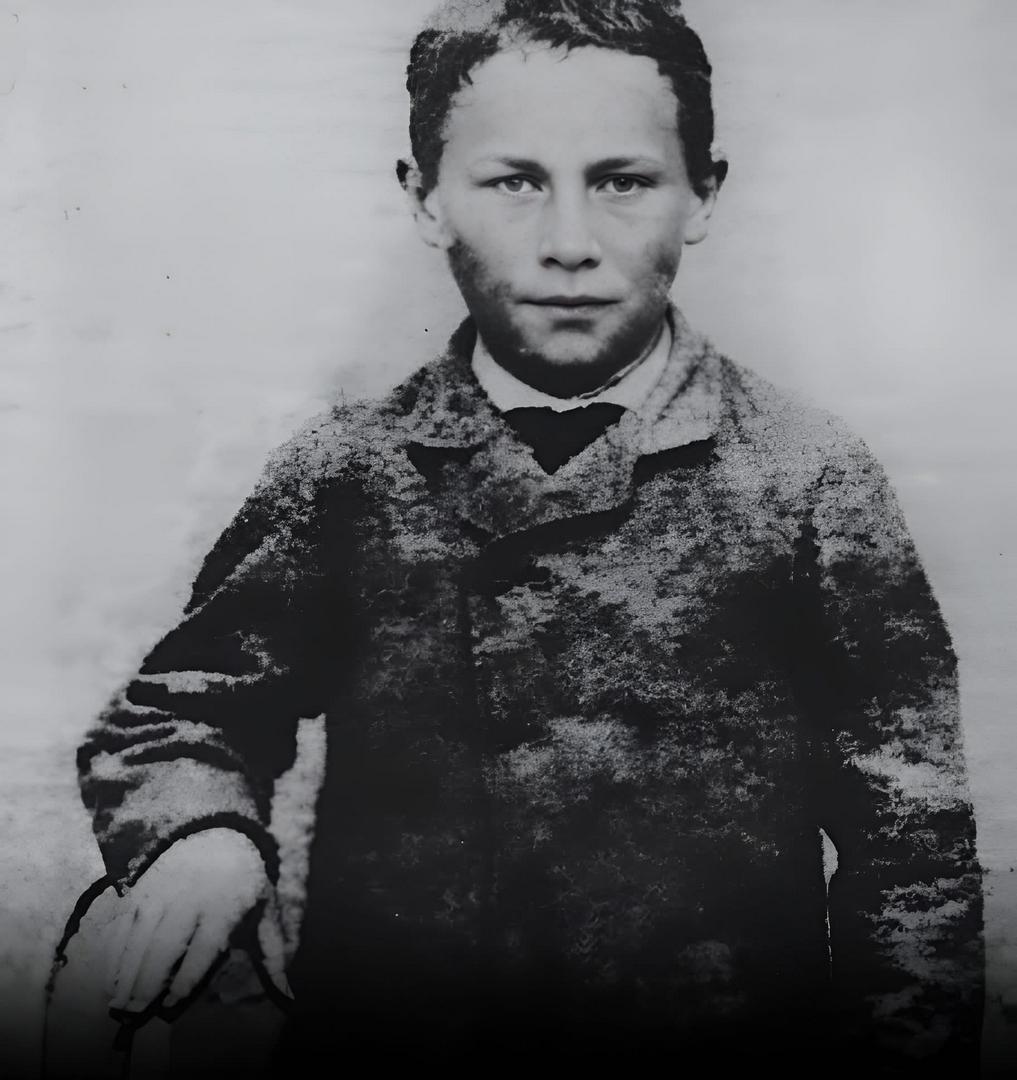
A nine-year-old boy was bitten fourteen times by a rabid dog—his mother refused to let him die. It was Independence Day, 1885. Joseph Meister was nine years old, walking through his village in Alsace, France, when the dog struck him from behind. No warning. No time to run. The animal was rabid—and before anyone could pull it away, it had torn into him fourteen times. His hands. His legs. His thighs. A passerby eventually drove the dog off with an iron bar. The animal was killed immediately. Rabies was confirmed shortly after. In 1885, that confirmation meant one thing. Death. Once the virus reached the brain, nothing on Earth could stop it. The progression was merciless—paralysis creeping through the body, violent convulsions, an unbearable, uncontrollable terror of water. No human in recorded history had ever survived rabies once symptoms fully developed. Doctors had no treatment to offer. Families had no choice but to watch. They simply waited for the end. Joseph’s mother, Marie-Angélique, had no intention of waiting. She had heard something—vague, secondhand talk—about a scientist working in Paris. Not a physician. A chemist. Someone who had developed something that prevented rabies in dogs. No human had ever received it. No one knew if it would work on a child. No one knew if it might kill him faster than the disease itself. She bandaged her son’s wounds, put him on a train, and crossed all of France. Louis Pasteur was 62 years old when they arrived at his door. He was already a giant—a man who had fundamentally changed the world’s understanding of disease, fermentation, and infection. His name was spoken with reverence across Europe. But when Marie-Angélique stood before him with her injured child, what Pasteur felt was closer to fear. He had a vaccine. Rigorously tested on animals. Deeply promising. But it had never—not once—been given to a human being. There was another problem. Pasteur was not a licensed physician. If the boy died after an injection, the law
2026-05-17

Luis Mendoza
Finally a true interesting complete story not like the half-ass stories that leave a reader hanging without a conclusion.
05-17
West Monroe, NY
Reply
26

A. Joe Gevara
I was bitten by our rabid Collie when I was 7. Got me 21 shots! Now it's only one...
05-18
Reply(2)
15

Lethal Weapon
TG, that mother was so determined bc,had she not been so determined. Who knows how long we’d have waited for someone to test the vaccine! All of our lives could have gone very differently! Grt story and it shld be in Guinness
05-19
Syracuse, NY
Reply
13

Idelisa Jurado
I like the story, but I was waiting for the rest of know what happened to the story is they decided to inject the boy🤔
05-18
Miami, FL
Reply
10

Debbie Brittain
This is ridiculous, If a kid of 14 had been bitten that many times by a rabid animal he would have gone into shock, then possibly death. This is Stupid.
05-19
Center, TX
Reply
6

Msskyperez
I ChatGBT'd it. Basically, a true story. There is some question as to weather
the dog really didn't have Rabies since diagnostics were not as sophisticated as now. It has been recorded as true.
05-20
Sound Beach, NY
Reply
4
chicken-farmer
🤔 Very interesting article 👍 , I appreciate you posting 📫...
05-17
Crystal River, FL
Reply
15

Mary Axthelm
Thank God for Pasteur’s genius!! This is why we support science and vaccines!!
05-20
Stapleton, NE
Reply
5

Cynthia Mosqueda
Why don’t they finish the story?
05-18
Montebello, CA
Reply(3)
14

Linda Palmer
I’m just being stupid you need to go go go go. I’ll like need to go tomorrow. I need to go now. I don’t know.a
05-19
Berlin, MA
Reply
1
More comments ...
write a comment...