1/1

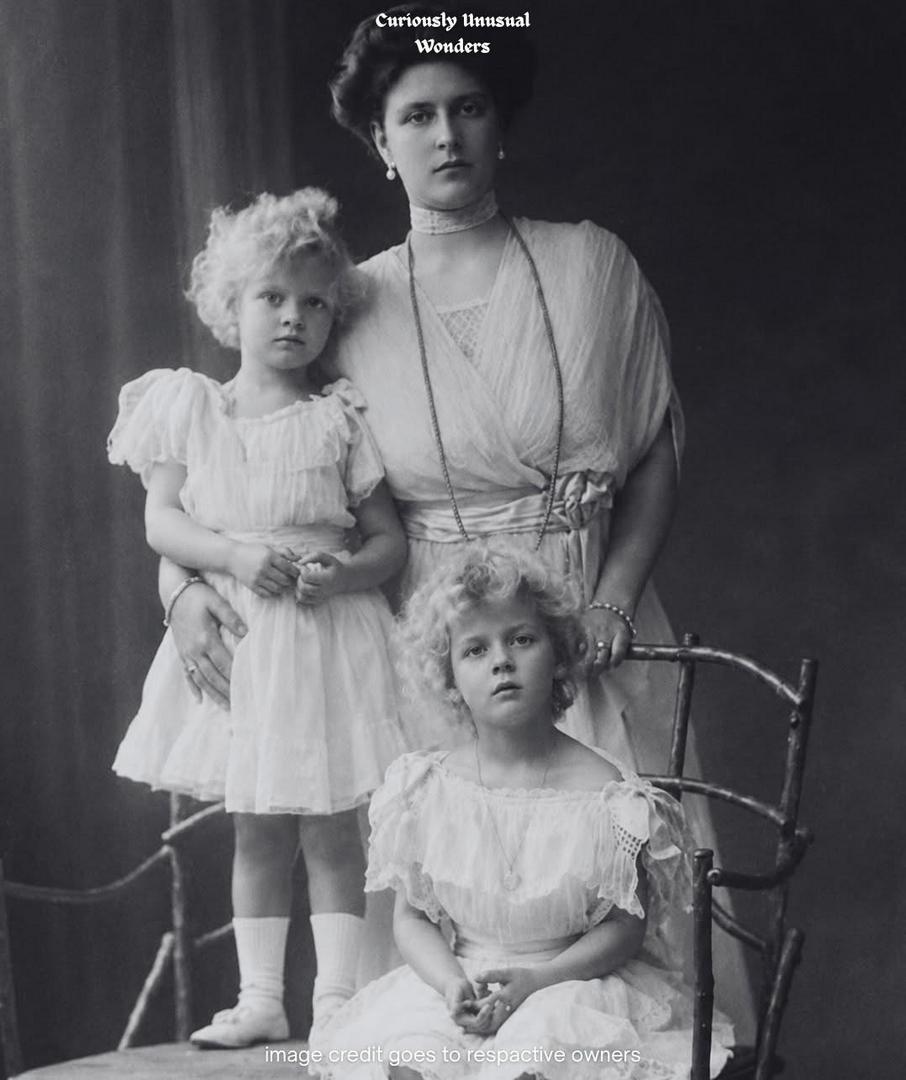
She was born deaf inside Windsor Castle, with Queen Victoria present at her birth. She was raised in palaces, married into royalty, and then lost absolutely everything. And when the Gestapo knocked on her door — she used her deafness as a weapon to save lives. Princess Alice of Battenberg entered the world in 1885 surrounded by luxury and royal expectation. Four languages. Blue blood running through every court in Europe. A life of privilege mapped out before she could walk. But at four years old, doctors delivered a verdict no palace could change. Your daughter is deaf. In 1903, at seventeen, she married Prince Andrew of Greece. They built a family — five children, a life, a future. Then Greece erupted. The monarchy collapsed. Her husband fled to Paris with a mistress. Her four daughters married German princes and scattered across Europe. Her only son, Philip, was sent to boarding school at nine years old. She barely saw him again. Then came the 1930s. Alice began hearing voices. Religious visions. Her family panicked. They sent her to a Swiss mental hospital, where doctors subjected her to procedures so brutal they belong in the darkest chapters of medical history. Sigmund Freud examined her. Schizophrenia, they said. She was locked away for two years. When she was released in 1932, she had nothing. No husband. No children nearby. No home. No money. She was forty-seven years old. So she went back to Athens and started over. Alone. Then the war came. By 1943, the Nazis controlled Greece. They began systematically hunting Greek Jews. Sixty thousand people were deported to Auschwitz. Nearly eighty percent of the country's entire Jewish population — erased. Alice knew a family. The Cohens. Haimaki Cohen had been a member of parliament, a family friend. When he died in early 1943, his widow Rachel was left alone with five children
2026-05-24

Connie Butler
Whoever wrote this story and didn’t finish it is a jack - - - !!!
05-25
Indianapolis, IN
Reply(4)
10

Juene Parson
Yes,,, Then ??? Where is the rest of the story?????
05-25
New Oxford, PA
Reply(1)
9

fun_bucket
Why do all these stories end with teasers. And then nowhere do you find the end, not even some kind of paywall. F2king aggravating. I don’t get the joke.
05-25
Minneapolis, MN
Reply(4)
1

Janet Landers
Poo! Google. Thx. For nothing.
05-24
Goldsby, OK
Reply
5
Louise Abbate
🙏🏼🙏🏼
05-24
Calverton, NY
Reply
6

trixie684
No ending???
05-25
Easton, MD
Reply(1)
4

Lucy Thorpe
Just me..thank you so much for sharing..no complaints here
05-26
Maybrook, NY
Reply
1

Sallie Abelson
So, you start an interesting historical event, and then just cut it off. Next time, please don’t bother.
30d
Naples, FL
Reply

Guidita
What is the point?
05-24
Duluth, GA
Reply(1)
2

Rena Vieira
Where can I find the article so I can read all of it,I would like to be able to do that.Thank you
05-26
Wilson, North Carolina
Reply
More comments ...
write a comment...