1/1

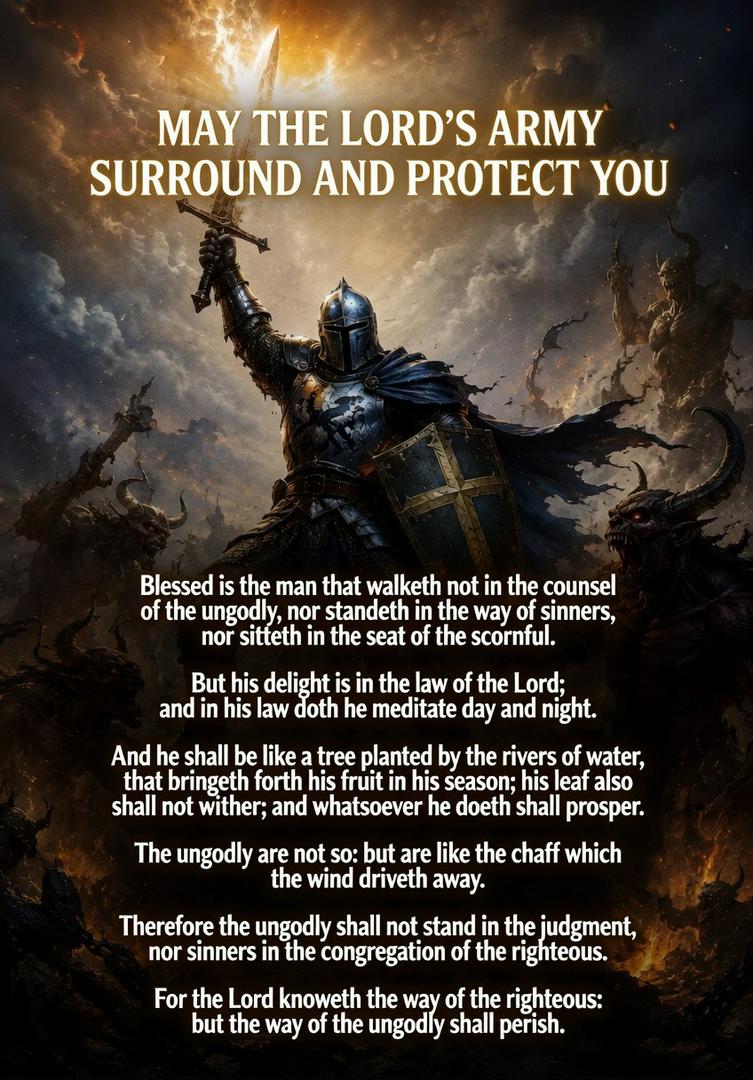
Psalm 1 Psalm 1 is not comfort; it is a spiritual MRI. It reveals that happiness is not an emotion but a location—the place where you stand, walk, and sit. The psalm tracks a terrifying drift: first you listen to the crowd’s cynicism (walk), then you pause to entertain it (stand), finally you build a home inside it (sit). The blessed man avoids this not by fighting evil, but by refusing its gravity. Instead, he mutters the Torah day and night—not polite study, but obsessive, guttural meditation like a lion over its prey. This roots him like a tree beside an underground stream. The wicked are not villains; they are chaff. Chaff has the shape of wheat but no kernel. It is weightless, blown by every wind of fashion or fear. Its judgment is not torture but ontology collapse: it cannot stand because it has no substance. The final line is the real terror: God knows the righteous—Hebrew yada, covenantal intimacy. But the way of the wicked simply perishes, meaning "gets lost." There is no eternal torment here, only a worse fate: to be weightless, forgotten, a path that leads nowhere. The question is not “Are you good?” but “Where are your roots?”
1 days ago

Sonny Howell
more folk lore
15h
Coalton, WV
Reply(1)

Ruthie
Amen💕
2h
Reply
More comments ...
write a comment...