1/1

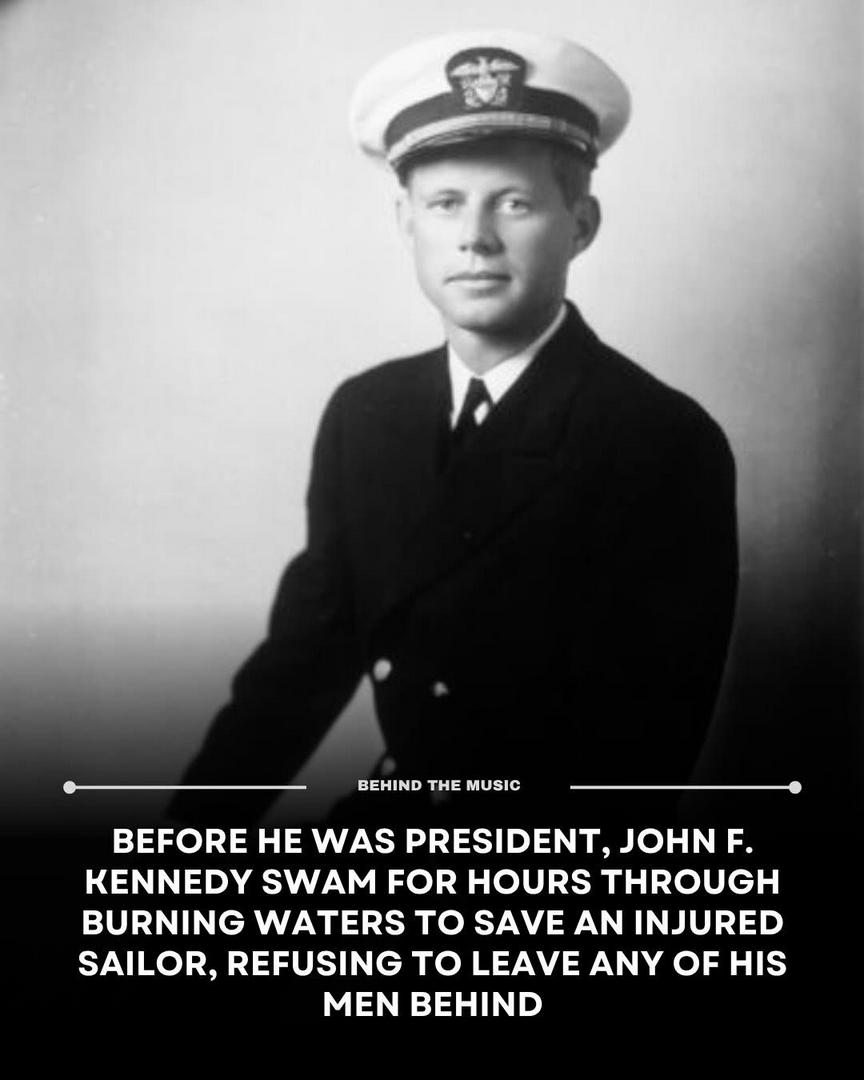
August 2, 1943. Solomon Islands. The explosion came without warning. Kennedy was 26 years old, commanding PT-109—a small American patrol torpedo boat made of plywood and powered by three massive engines that made it fast but fragile. In the early hours before dawn, while patrolling the dark waters near Blackett Strait, a Japanese destroyer emerged from the darkness at high speed. The Amagiri—a 2,000-ton steel warship—slammed directly into the tiny wooden patrol boat. PT-109 split in half like kindling. Fuel tanks ruptured. Gasoline ignited across the water. Flames spread in every direction. Two crew members were killed instantly in the collision. The rest were thrown into the burning ocean, surrounded by debris and enemy territory. But Lieutenant John F. Kennedy refused to abandon his men. Patrick McMahon, the engineering crewman, had been below deck when the collision happened. The explosion threw him directly into burning gasoline. His face, hands, and legs were covered in severe burns. He could barely swim. Kennedy found McMahon struggling in the water. Without hesitation, he grabbed the strap of McMahon's life jacket and clamped it between his teeth like a bit on a horse's bridle. Then he began swimming. Not to the nearest shore. Not to save himself. He swam toward a small island three miles away, towing the 180-pound injured sailor behind him through the dark Pacific Ocean. The swim lasted nearly four hours. Kennedy led ten surviving crew members through miles of open water, exhausted and wounded, while Japanese patrols searched the area for survivors to capture or kill. Some men clung to floating debris. Others swam on their own, following their young commander through the darkness. Finally, they collapsed on a tiny island later identified as Plum Pudding Island—barely more than a sandbar with a few palm trees. They were alive.
1 days ago
write a comment...