1/1

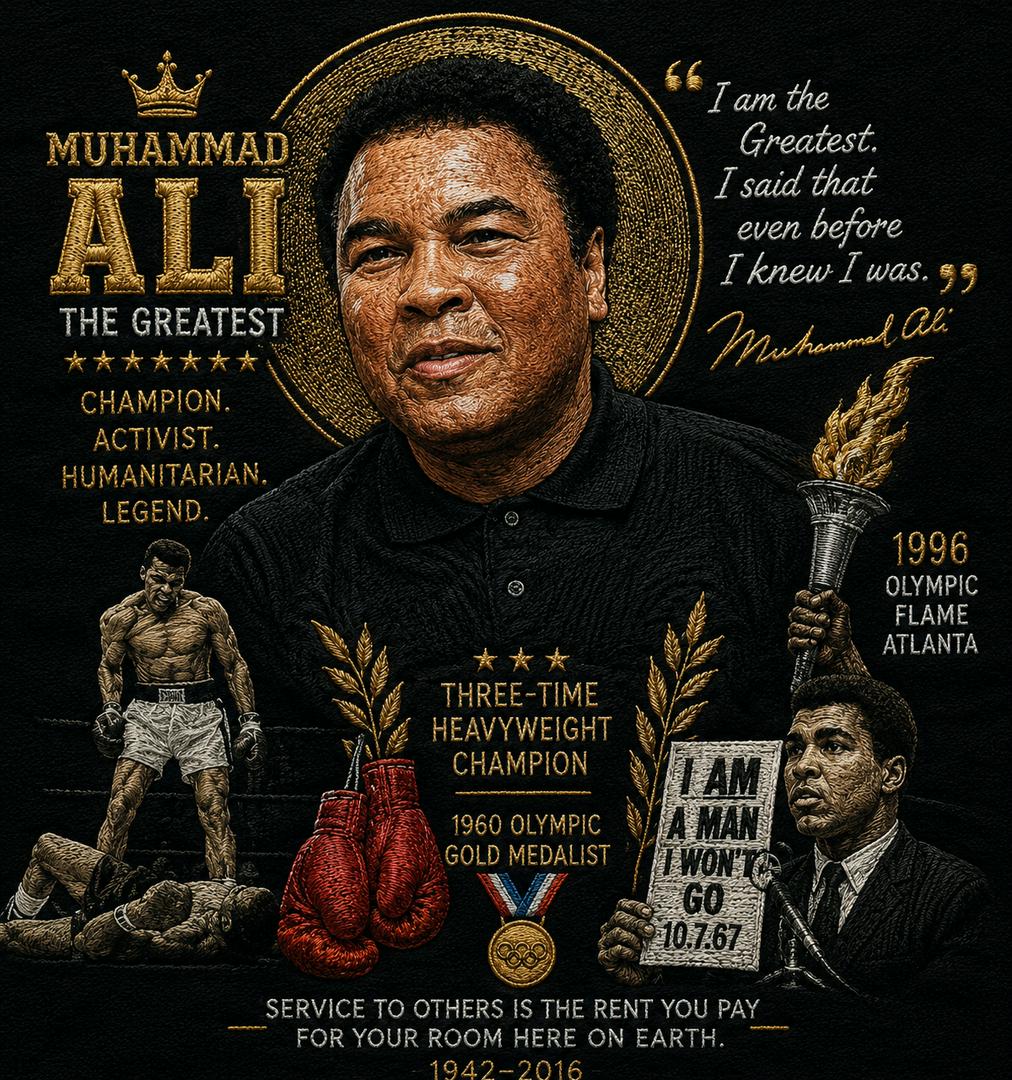
On June 3, 2016, the world lost Muhammad Ali, one of the most recognizable figures of the twentieth century. He was 74 years old and had lived for decades with Parkinson’s disease before passing from septic shock. But Ali’s story was never just about boxing. Born Cassius Clay in Louisville, Kentucky, Ali became an Olympic gold medalist, a three-time heavyweight champion, and one of the most famous athletes in the world. His speed, confidence, and charisma made him unforgettable, but his courage outside the ring made him historic. In 1967, Ali refused military induction during the Vietnam War, citing his religious beliefs and opposition to the war. That decision cost him his heavyweight title and kept him out of boxing during some of his prime years. His case eventually reached the Supreme Court, where his conviction was overturned in 1971. Many athletes are remembered for what they won. Ali is remembered for what he was willing to lose. Even after Parkinson’s disease affected his speech and movement, he remained a symbol of strength. In 1996, millions watched as he lit the Olympic flame in Atlanta, showing the world that courage does not disappear when the body becomes weaker. When Ali died, tributes came from across the globe. Leaders, athletes, entertainers, and everyday people honored a man who had become larger than sports. Muhammad Ali once called himself “The Greatest.” History suggests he may have been right. #MuhammadAli #OnThisDay #LataraSpeaksTruth
8 hours ago

mike gardner
One of the few athletes bigger than life
2h
Reply
More comments ...
write a comment...