1/1

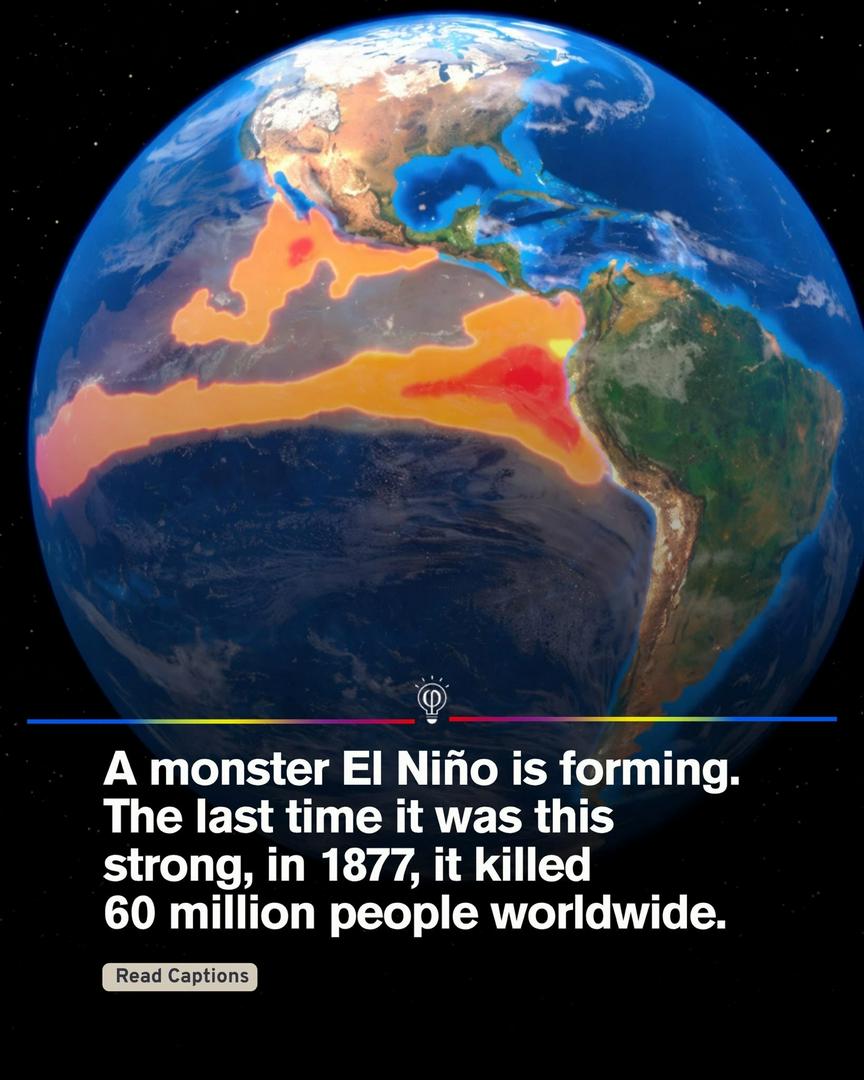
El Niño is one of Earth's most powerful climate patterns, capable of influencing weather across the globe. It occurs when unusually warm waters spread across the central and eastern Pacific Ocean, altering atmospheric circulation and disrupting normal weather systems. One of the strongest El Niño events on record occurred in 1877–1878, contributing to severe droughts, crop failures, and famines across parts of Asia, Africa, and South America. Historians estimate that tens of millions of people were affected, making it one of the most devastating climate-related crises in modern history. Today, scientists closely monitor El Niño using satellites, ocean buoys, and advanced forecasting systems. While modern infrastructure has improved preparedness, a major El Niño can still bring extreme weather, including floods, droughts, heatwaves, and disruptions to food and water supplies around the world.
2 days ago
write a comment...