1/1

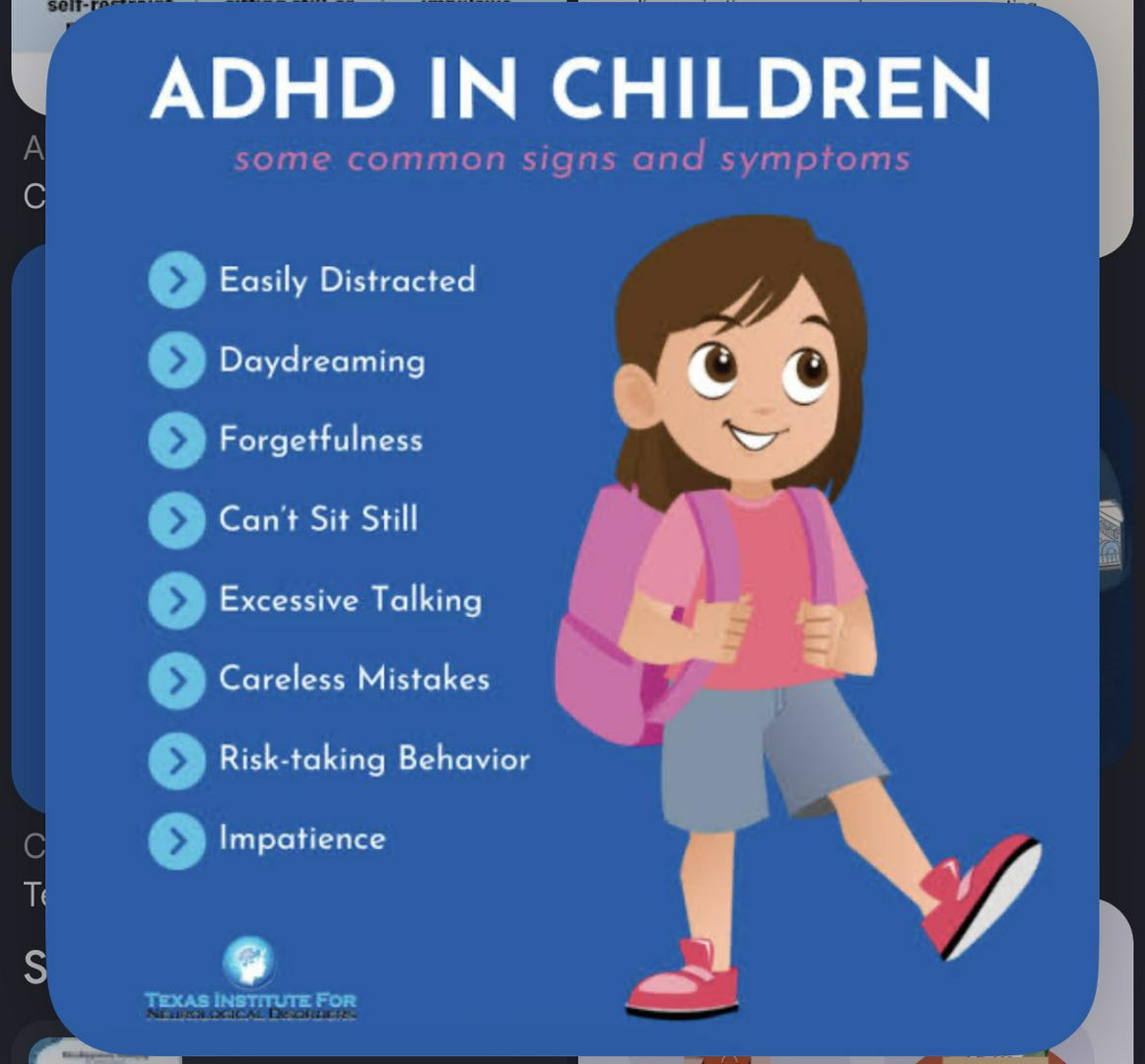
ADHD IS NOT A DISABILLITY: U.S. enforced law Attention-Deficit/Hyperactivity Disorder (ADHD) is commonly discussed in medical and legal contexts as a disability. However, some people argue that this label does not fully reflect how ADHD is experienced in everyday life. One perspective is that ADHD represents a different way of processing information rather than an inability to function. People with ADHD are often described as creative, energetic, curious, spontaneous, and capable of intense focus on subjects they care deeply about. In environments that match their strengths, they may perform exceptionally well. Supporters of this view argue that challenges associated with ADHD are sometimes created or amplified by systems that reward long periods of sitting still, repetitive tasks, rigid schedules, and standardized ways of learning or working. Under different conditions, the same traits may become advantages. For example, fast-paced work environments, creative industries, entrepreneurship, emergency response roles, and hands-on learning can align well with qualities often associated with ADHD, such as quick thinking and adaptability. At the same time, this perspective does not deny that ADHD can create real difficulties. Many people experience significant impacts on school, work, relationships, organization, and concentration. The degree of impact varies widely from person to person. Rather than asking whether ADHD “is” or “is not” a disability in absolute terms, some advocates suggest focusing on individual functioning and support needs. For some people, the disability framework helps them access accommodations and understanding. For others, it may feel limiting or incomplete. This debate reflects a broader question: should differences in attention and cognition always be viewed as disabilities, or sometimes as forms of human variation?
1 days ago
write a comment...