1/3
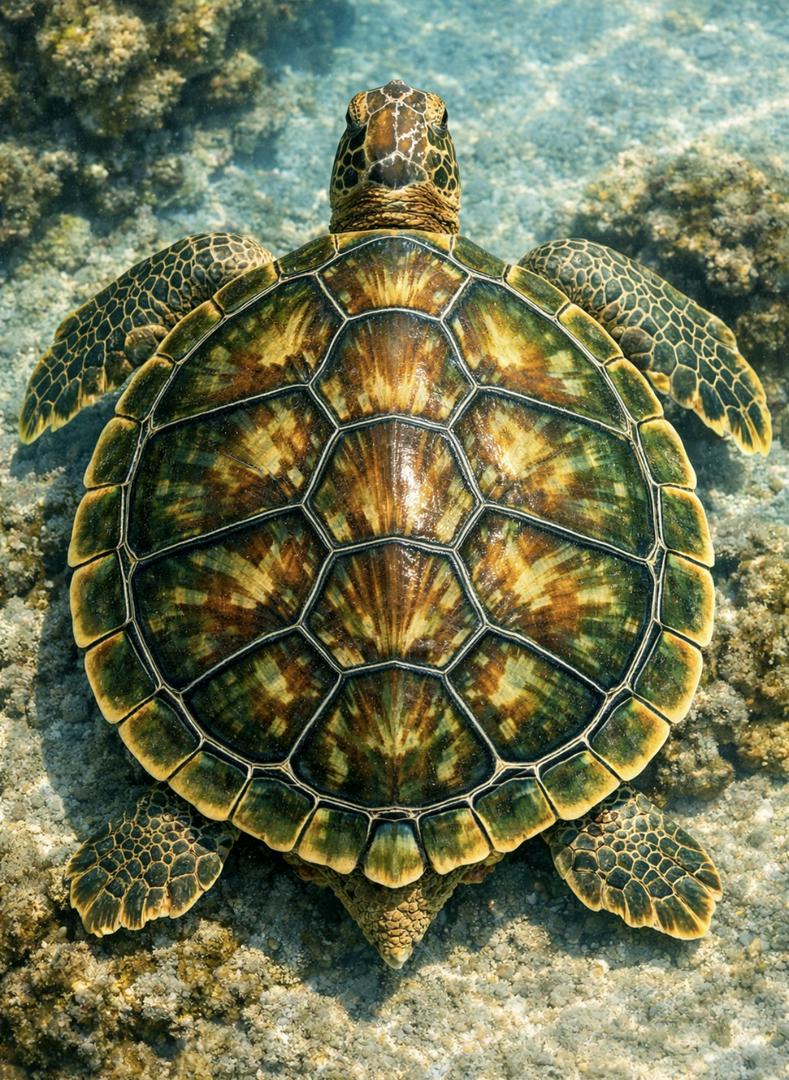
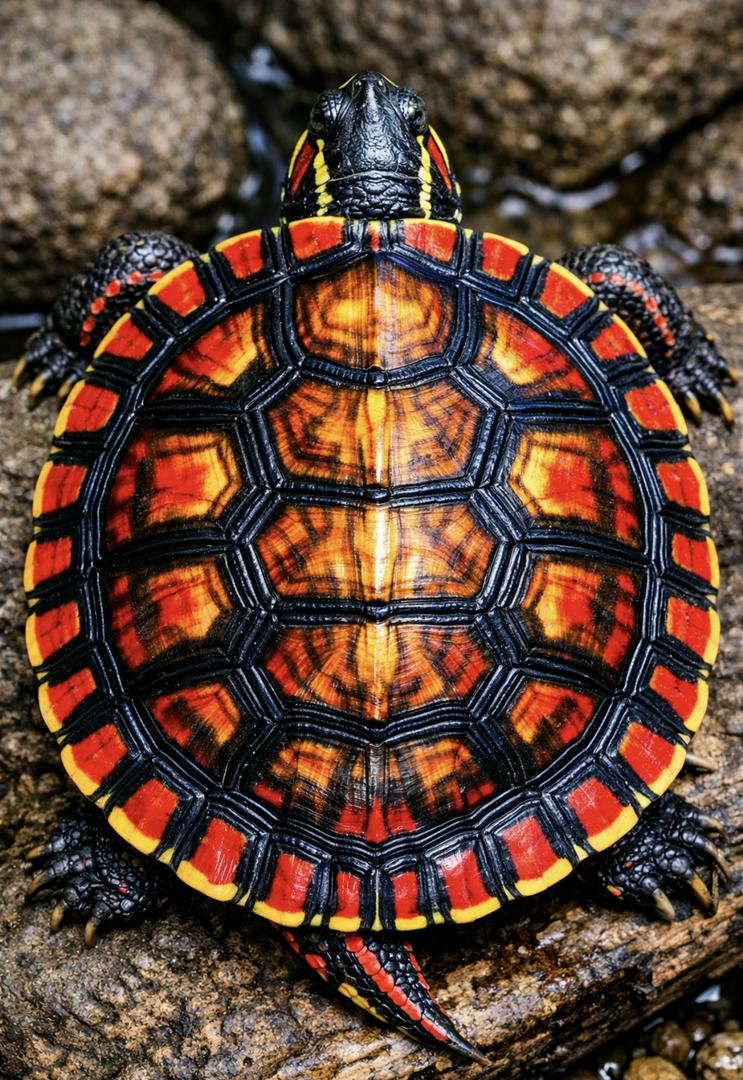

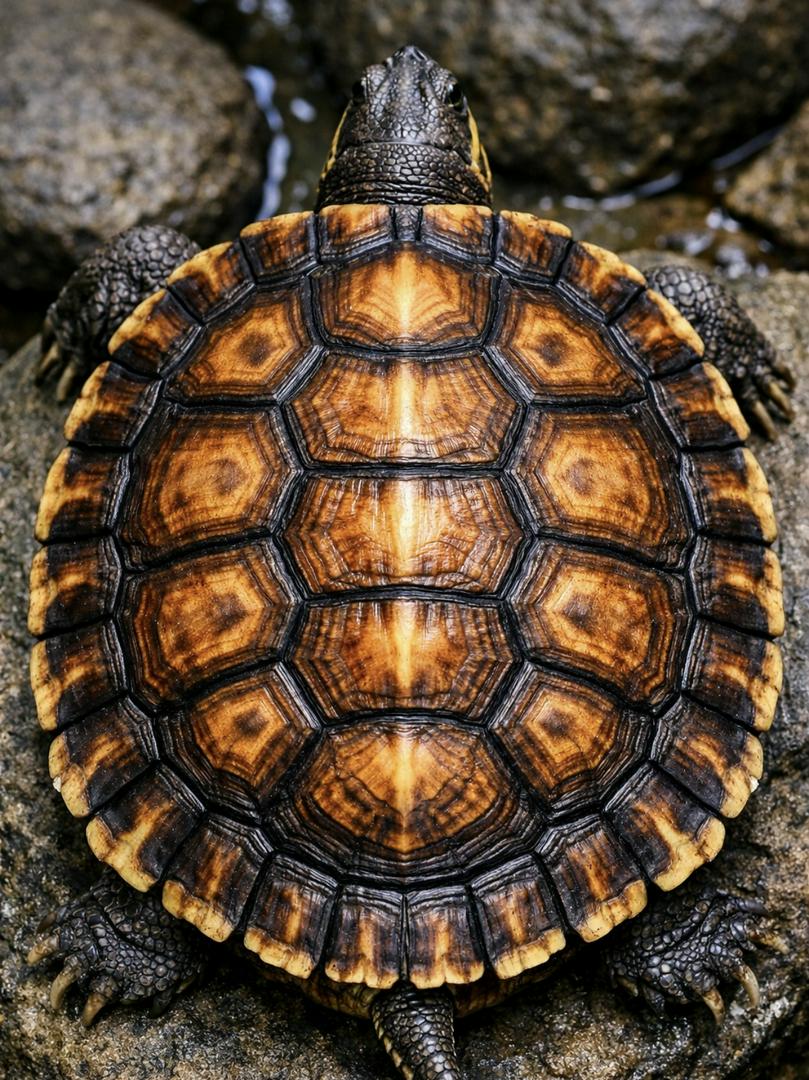
13 Moons, 28 Days — The Ancient Calendar Written on Every Turtle’s Back THE SECRET GEOMETRY OF TURTLES: Why Every Shell on Earth Carries an Ancient Pattern Written in Bone Turtles don’t just wear their history — they carry it, carved into their backs like a cosmic map. Every turtle shell on the planet, from the tiniest mud turtle to the massive leatherback, follows a mathematical, biological, and evolutionary blueprint that has remained astonishingly consistent for more than 220 million years. And at the heart of that blueprint sits a pattern so universal, so strangely symbolic, that humans have been mythologizing it for centuries: 13 central scutes. 28 surrounding scutes. A perfect ring of geometry, biology, and time. A turtle’s shell is made of scutes — the hard, plates that form the shell’s outer armor. While species vary in color, texture, and shape, the layout is shockingly consistent. The 13 Central Scutes (The “Carapace Calendar”) These are the large plates running down the center of the shell. There are always five vertebral scutes — but when you include the paired costal scutes that flank them, the central “panel” totals 13 distinct sections. The 28 Surrounding Scutes (The Lunar Days) Around the edge of the shell sit the marginal scutes — the plates forming the rim. The turtle shell is a lunar calendar encoded in bone. The 13–28 pattern isn’t mystical — it’s evolutionary engineering. 1. The Shell Is a Modified Ribcage Turtles are the only animals whose ribs grew outward and fused together to form a protective dome. 2. Scutes Grow in Predictable Developmental During embryonic development, scutes form along genetic growth centers that radiate outward in a consistent pattern. The number of scutes almost never varies. 3. The Pattern Maximizes Strength The arrangement distributes pressure evenly. It’s nature’s version of architectural tiling.
2 hours ago
write a comment...