1/1

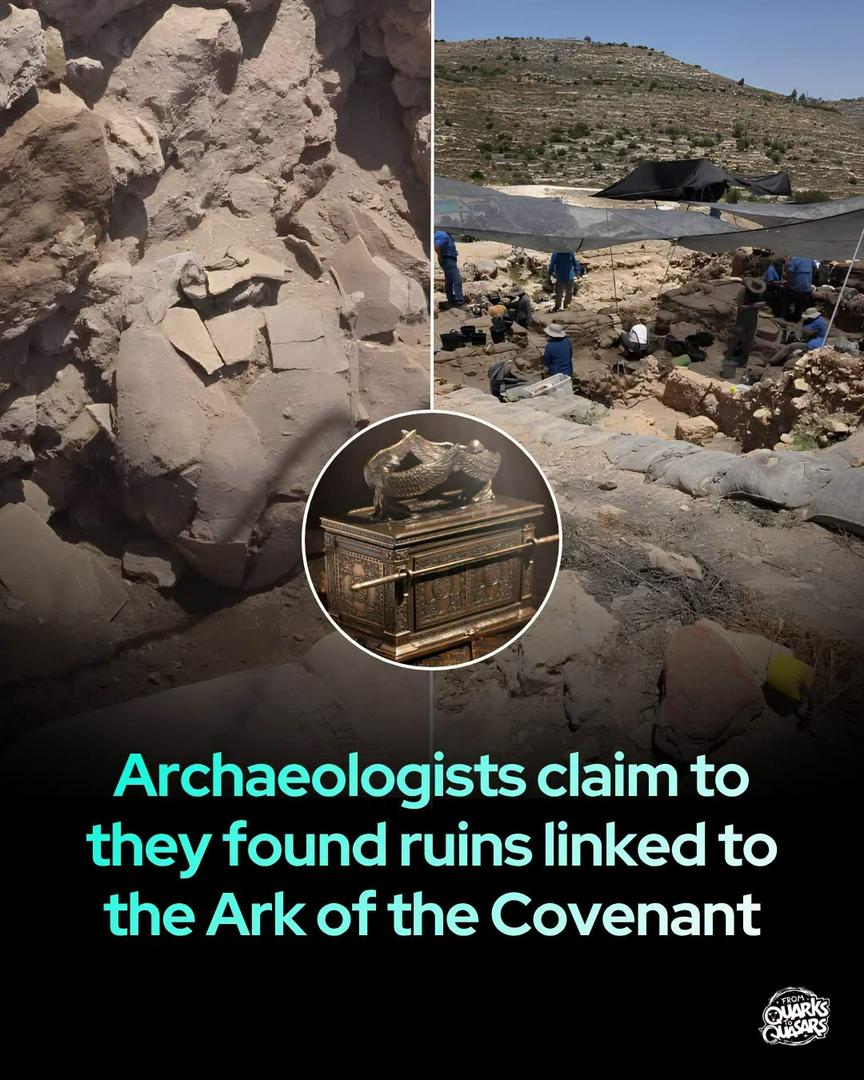
Ancient ruins may reveal where the Ark of the Covenant was kept. Researchers excavating ancient Shiloh in the West Bank say they have found additional ruins that may be linked to the Tabernacle, the sacred sanctuary where the Ark of the Covenant is said to have been kept. The Ark is described in the Bible as a gold-covered chest that held the stone tablets of the Ten Commandments. According to scripture, it was kept in the Tabernacle before later vanishing from the biblical record sometime before the Babylonian destruction of Jerusalem in 586 BC. The new findings do not mean the Ark itself has been found. But archaeologists with Associates for Biblical Research say they have uncovered more walls from a large structure that appears to run east to west and may match the size and layout described for the Tabernacle. The team says the discovery of a southern wall is especially important because it helps define the building’s full footprint. Researchers also found objects linked to ritual activity, including ceramic pomegranates, altar horns and murex shells. The shells are notable because they were used to make blue dye, a color associated with priestly garments in biblical descriptions. Animal bones found at the site are also drawing attention. Many came from the right side of the animals, which researchers say may echo biblical rules about sacrificial offerings. Shiloh is a major site in biblical history. Scripture describes it as a religious center where the Tabernacle stood for more than 300 years. Still, experts are urging caution. No one has found the Ark of the Covenant, and the structure has not been definitively proven to be the Tabernacle. But the discovery adds another piece to one of archaeology’s most enduring puzzles: whether traces of the Ark’s ancient resting place may still survive in the ruins of Shiloh. Learn more: "Three Discoveries from Season Eight at Biblical Shiloh." Bible Archaeology Report
4 hours ago
write a comment...