1/1

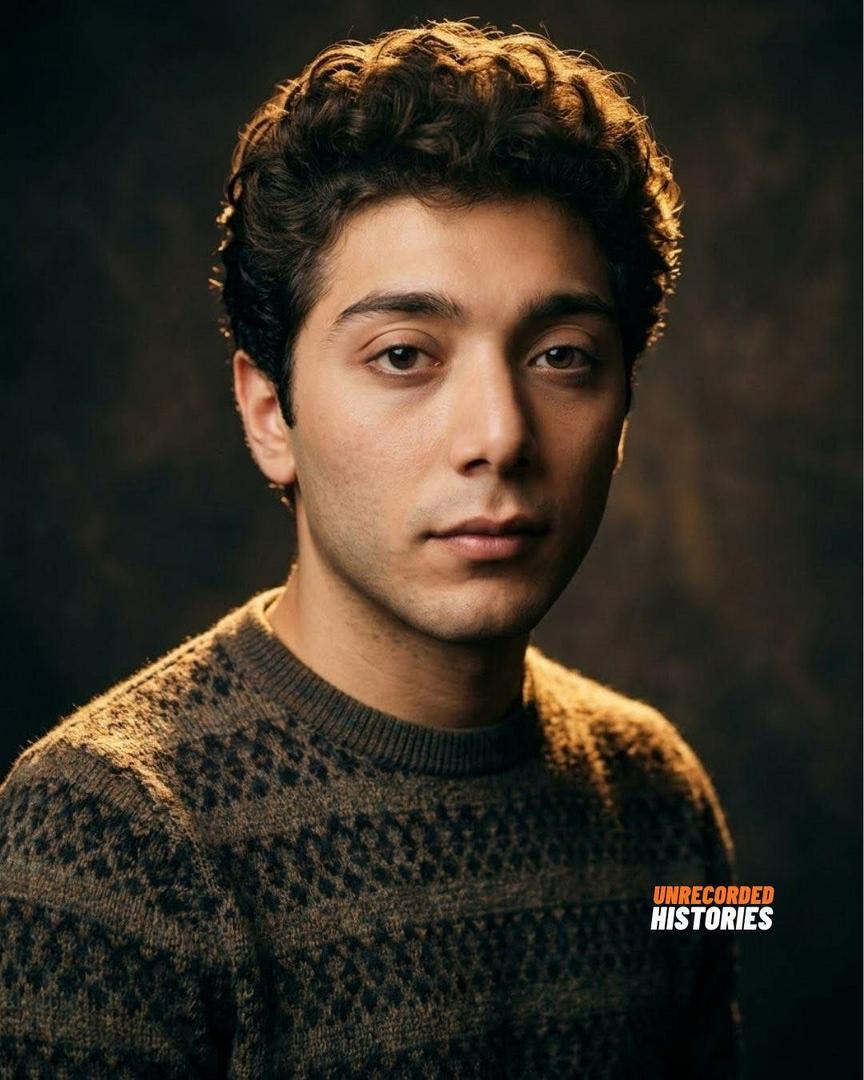
At sixteen years old, Paul Anka was hopelessly in love with a girl who barely knew he existed. Her name was Diana Ayoub. She was eighteen. Poised. Beautiful. And completely unaware that a shy teenager in Ottawa had been watching her from a distance. Paul was not confident around girls. He was small for his age. Awkward. Quiet. But there was one place where he knew exactly what to say. At the piano. So in early 1957, he did what young songwriters have always done with feelings they cannot speak aloud. He turned them into music. Paul wrote a song for Diana. A plea from a boy who wanted to be noticed by someone who had no idea how deeply he felt. Then he decided to do something extraordinary with it. He borrowed one hundred dollars from his uncle. Skipped school. Packed a suitcase with demo tapes. And flew alone to New York City. He was sixteen years old. The music business was not exactly waiting for teenage songwriters from Canada. Professional writers dominated the industry. Experienced producers controlled the doors. A nervous kid with a homemade love song was easy to dismiss. Then Paul reached ABC-Paramount Records. Producer Don Costa agreed to hear him. The recording was simple. A young voice. A melody. A feeling that sounded real because it was. Costa heard something others had missed. Not polish. Truth. The label released “Diana” in July 1957. Then everything changed. Radio stations began receiving requests. The song climbed charts. North America. Europe. Beyond. Millions of people heard the words Paul had written for one girl in Ottawa. The teenager who had struggled to get anyone’s attention suddenly had the attention of the world. “Diana” sold more than a million copies and transformed Paul Anka into an international star before he had even finished high school. And Diana Ayoub? She never became his girlfri
1 days ago
write a comment...