1/1

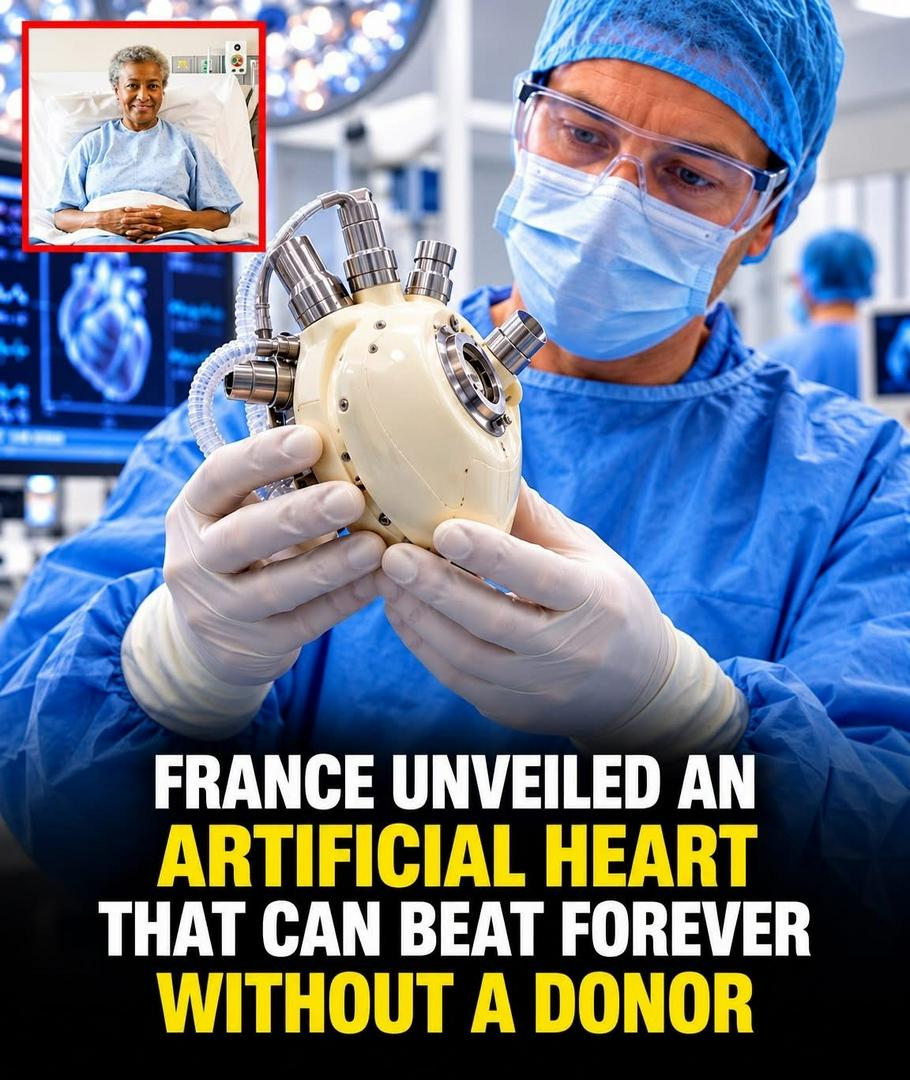
🫀🇫🇷 This isn’t science fiction: French engineers developed an artificial heart that can actually adjust blood flow depending on what the person is doing. It’s called Aeson, and it was developed by the French medical-technology company CARMAT for some of the sickest heart-failure patients — people whose two ventricles can no longer pump enough blood to keep the body alive. And unlike a traditional mechanical pump, Aeson was designed to behave more like a human heart. Inside the device are sensors and an automatic control system that continuously adapt blood flow to the patient’s physiological needs. Resting? The flow can decrease. Standing up or becoming more active? The system can respond automatically. CARMAT describes this as real-time autoregulation, one of the features intended to make the artificial heart more physiological than earlier mechanical systems. But perhaps the most fascinating part is what actually comes into contact with the patient’s blood. The device contains flexible membranes partly made from treated bovine pericardial tissue — biological tissue taken from the sac surrounding a cow’s heart. one of the great challenges with mechanical circulatory devices is blood interacting with artificial surfaces. That interaction can contribute to dangerous clotting or bleeding. Aeson was engineered with hemocompatibility in mind, specifically to try to reduce these complications. So it isn’t accurate to say that the biological material prevents “organ rejection” in the way anti-rejection drugs are needed after a human transplant. The goal is primarily to make the device more compatible with circulating blood. 🔋 And the patient isn’t permanently attached to a giant machine beside a hospital bed. The implanted heart is connected to a portable external power and monitoring system, including batteries, allowing patients a degree of mobility.
1 hours ago
write a comment...