1/1

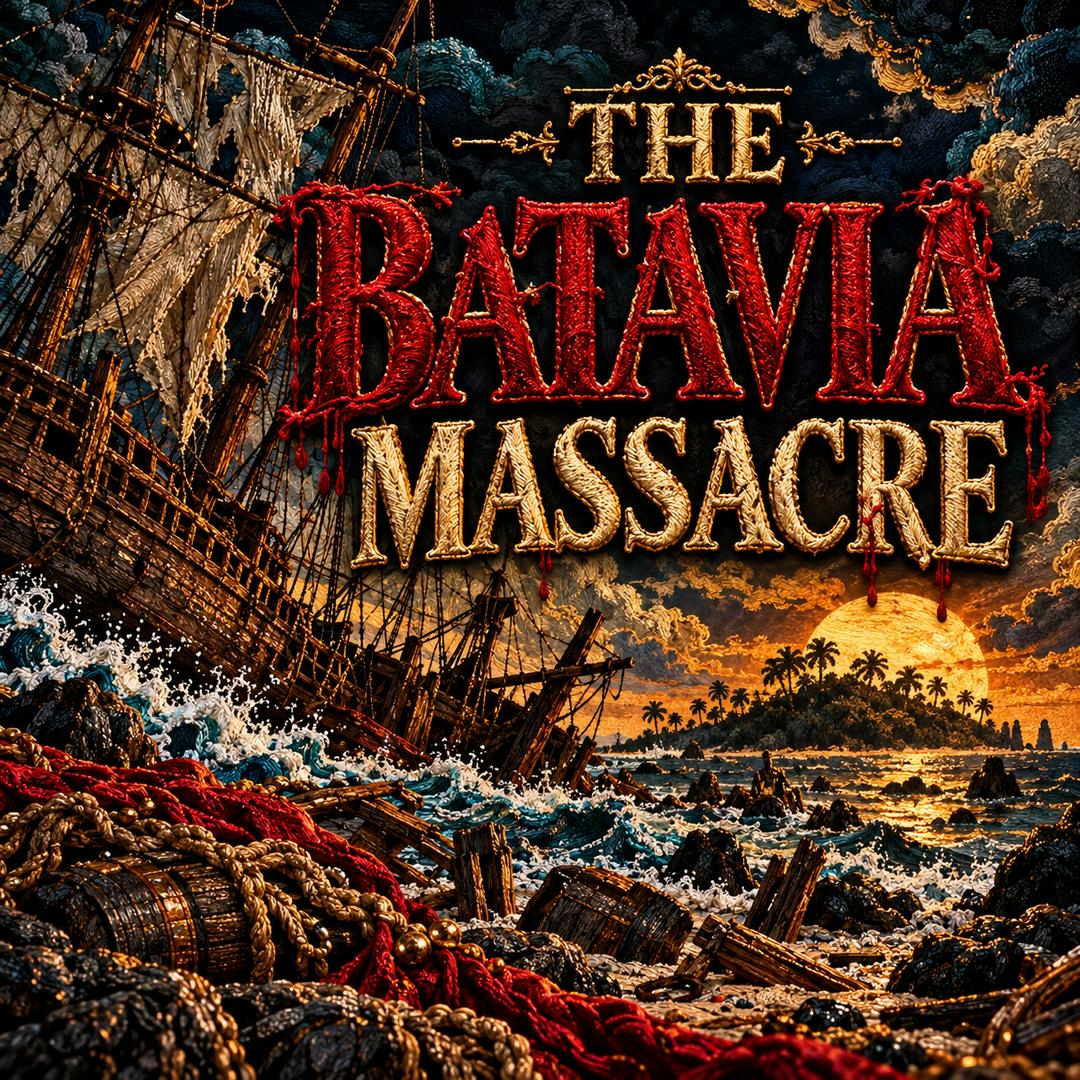
The Batavia Massacre: They Survived the Shipwreck. Then the Killing Began In 1629, the Dutch ship Batavia was sailing toward the Dutch East Indies with hundreds of people aboard when it struck a reef off Western Australia. Most survived the wreck and reached nearby islands. But there was little fresh water, so commander Francisco Pelsaert and 47 others left in the ship’s only undamaged boat to search for water. When that failed, they sailed to Batavia, now Jakarta, to get help. While they were gone, everything changed. Jeronimus Cornelisz, an undermerchant who had already been involved in a planned mutiny aboard the ship, took control of the stranded survivors. He began dividing people into groups and eliminating opposition. The killings began in July. Men, women and children were murdered. Some were drowned, strangled, stabbed or beaten. Around 125 people were killed by the group led by Cornelisz. Cornelisz also sent soldier Wiebbe Hayes and a group of survivors to another island under the pretense of searching for food and water. That decision backfired. Hayes and his group actually found both. When other survivors escaped the killers and reached them, Hayes learned what was happening. His men resisted repeated attacks by the mutineers and eventually captured Cornelisz. In September, Pelsaert finally returned aboard the rescue ship Sardam. Hayes reached the rescuers, warned them about the mutineers, and the remaining conspirators were arrested. Cornelisz and six others were executed on the islands. Two other men were marooned on the Australian mainland, and what ultimately happened to them remains uncertain. The survivors of the Batavia had endured a shipwreck, isolation and a desperate shortage of supplies. But the most terrifying danger they faced wasn’t the sea. It was the people stranded there with them.
3 hours ago
write a comment...