1/1

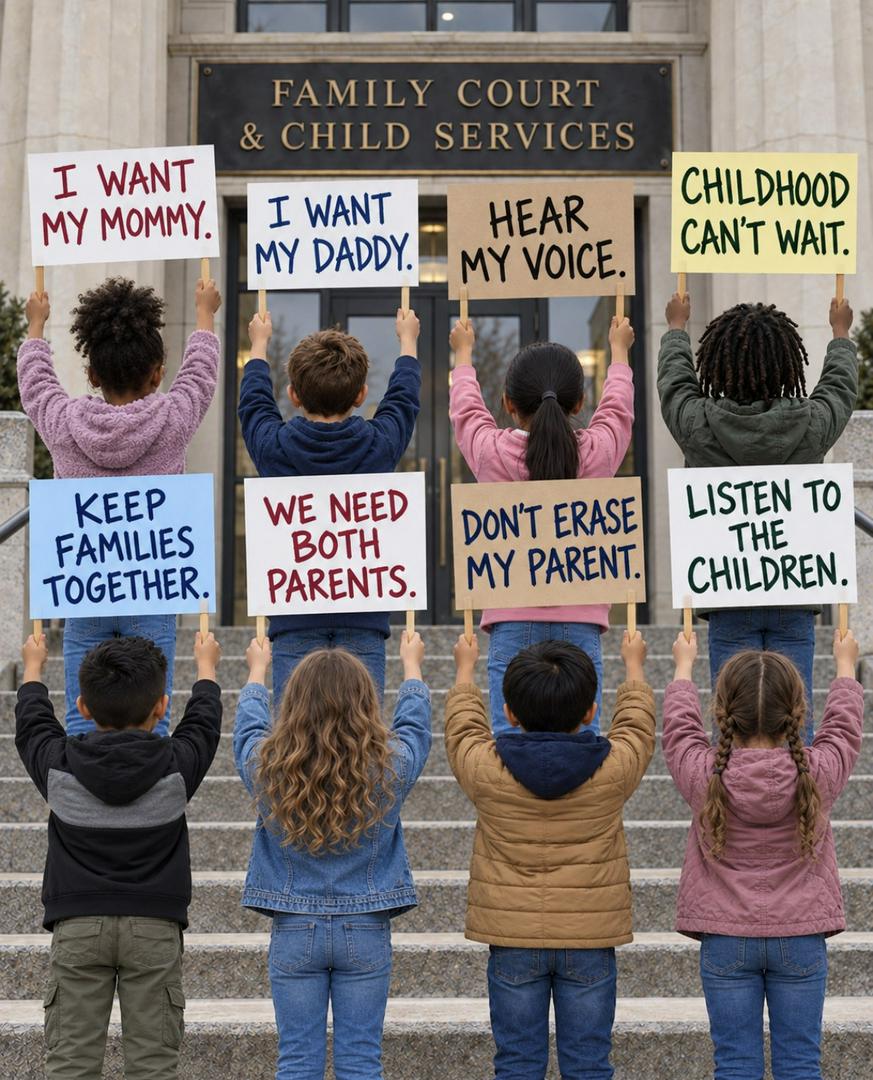
WHEN PROCEDURE SEPARATES A FATHER AND CHILD I entered Probate Court seeking to establish paternity and pursue custody. I expected disputed statements to be tested and a clear path toward resolution. Instead, the mother’s marital status, and a spouse who never appeared, became a barrier. What did the mother tell the court about her spouse? What documents supported her account? Who verified his location or involvement with the child? What search or service efforts were completed? If those records exist, they should show what occurred. A filed document is not automatically true. Sworn testimony is not automatically accurate. When facts are contested, a court should identify the source, address contradictions, and explain why one account was accepted over another. Otherwise, procedure can shield unsupported claims. I was the father standing before the court, submitting information and asking to be legally recognized. Yet I was left trying to resolve another man’s absence. Why was greater scrutiny placed on the father who appeared than on the account concerning the spouse who did not? Being allowed to speak is not the same as being meaningfully heard. Due process requires an opportunity to challenge information affecting the decision, and an explanation showing that the challenge was considered. Meanwhile, the child keeps growing. Court files preserve motions, orders, and dates. They do not preserve missed birthdays, interrupted bonds, or years a child cannot recover. A future order cannot return a childhood. Before calling a father absent, examine what stood between him and his child. Before using an absent spouse as a barrier, show what was verified. Before calling the process fair, produce the record showing both sides received equal scrutiny. The question is not only, “Where is the spouse?” It is: Who had the authority to resolve that issue, and why was a father-child relationship left waiting behind it? Rodrigue Abellard Jr. @iamcmb4466 | Wake the Record
9 hours ago
write a comment...