
1/1
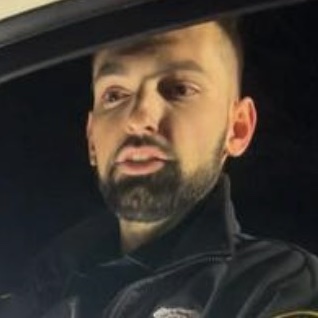
## Black Parking Enforcer Almost Risks Life to Ticket Grieving Family *Fictional dramatization—not a report on a verified real-world incident.* It was just after 10 p.m. when the Black parking enforcement officer rolled slowly down the block. His vehicle moved at the kind of pace that made drivers glance in their mirrors—too slow to ignore, too deliberate to dismiss. He stopped. Across the street, a grieving family stood outside, still carrying the weight of a loss that had happened only hours earlier. They had not received a ticket. Nothing had been placed under a windshield wiper. No citation had been written. But the officer’s vehicle sat there anyway, engine running, headlights cutting through the dark. He looked toward the cars. He looked toward the family. Then he remained stopped, as if deciding whether the night required paperwork. For the family, the moment felt cruel. They were not being fined, but they felt watched—marked, even—while trying to survive one of the worst nights of their lives. A grieving mother later said the silence felt worse than a ticket would have. “He didn’t have to say anything,” she said. “He just sat there, like he was waiting for a reason.” For the officer, the stop may have seemed routine: checking plates, scanning for violations, doing the job he was assigned. But at 10 p.m., outside a grieving family, routine can look like a threat. And for a Black enforcement worker alone in a vehicle at night, every slow roll past an angry street carries risk he cannot fully control. No ticket was issued. No words were exchanged. Yet the encounter still left a mark. The family wanted an apology. The officer wanted to go home safely. And the city was left with a question it could not easily answer: why did a grieving family have to feel targeted by a government vehicle before anyone decided that compassion mattered? Sources
8 hours ago
write a comment...