Tag Page APhilipRandolph

#APhilipRandolph
LataraSpeaksTruth

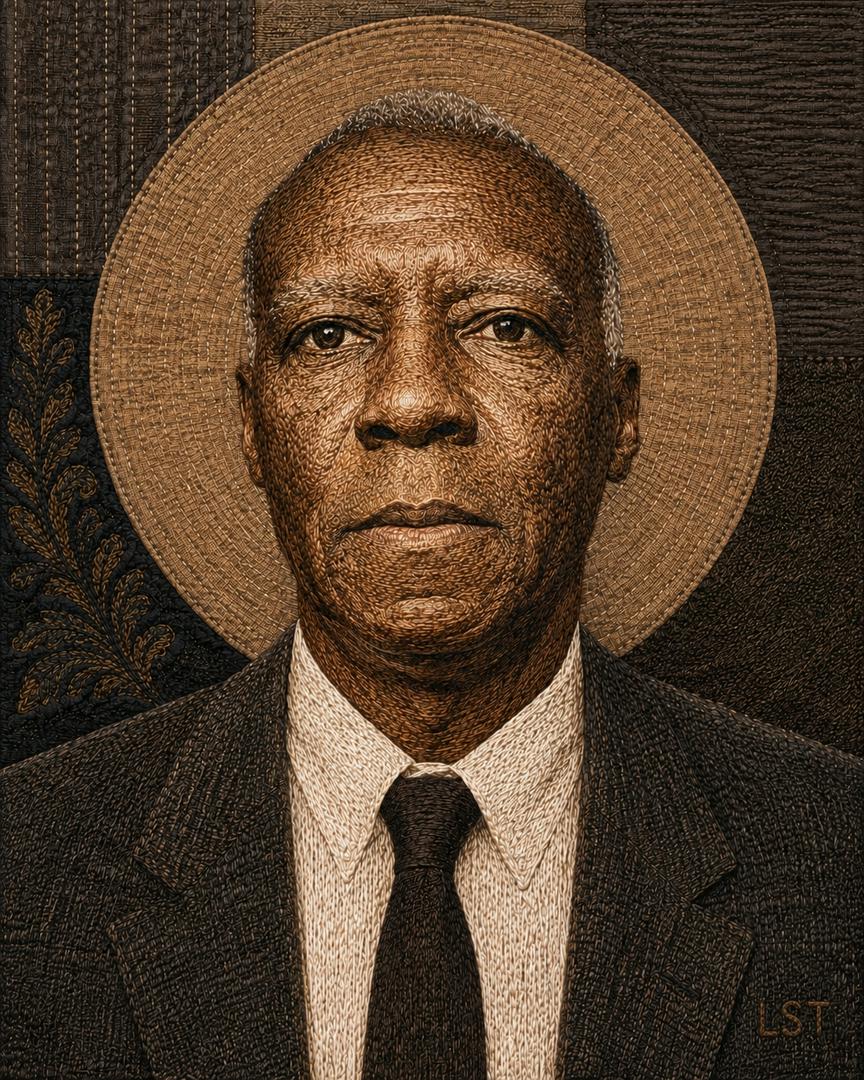
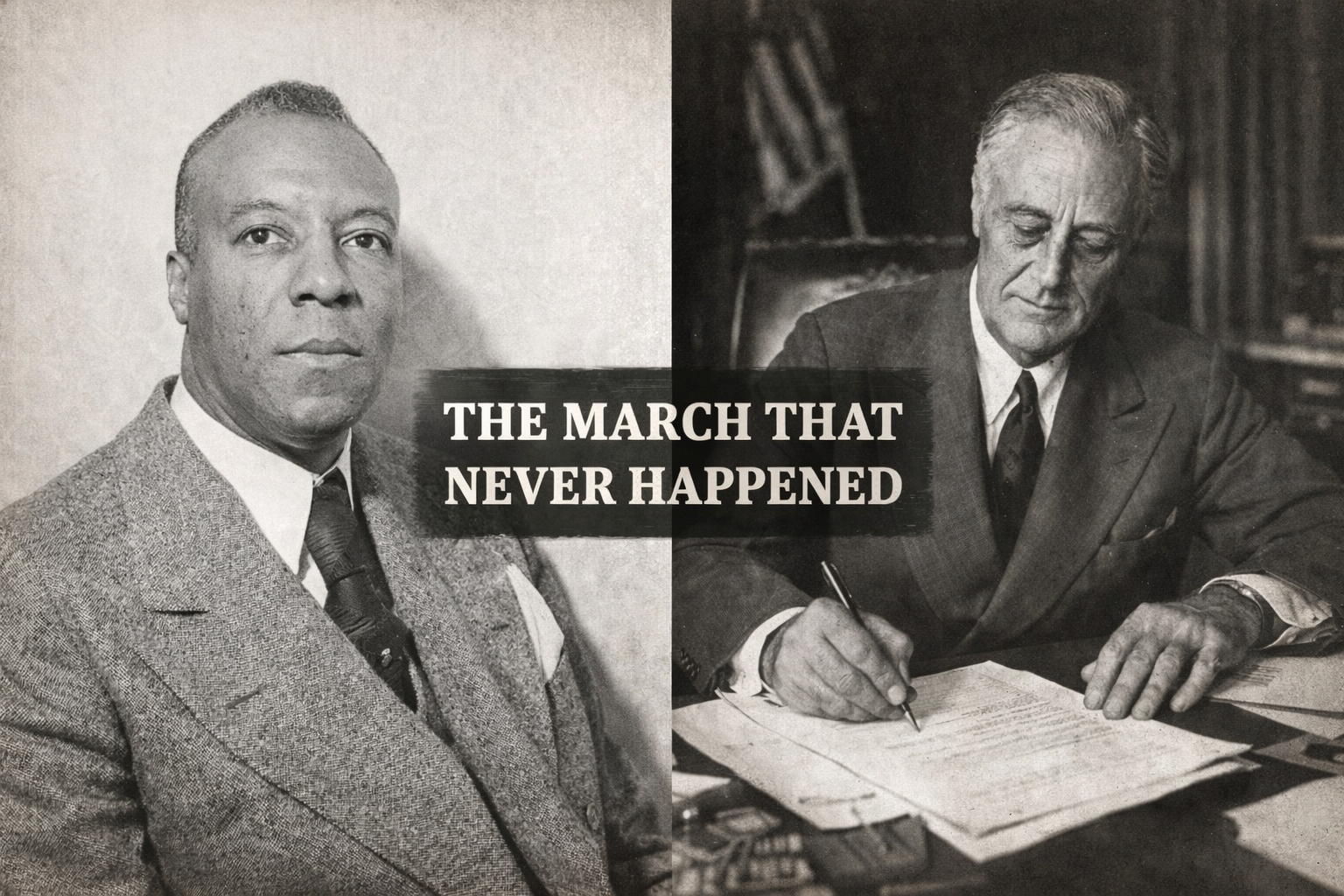
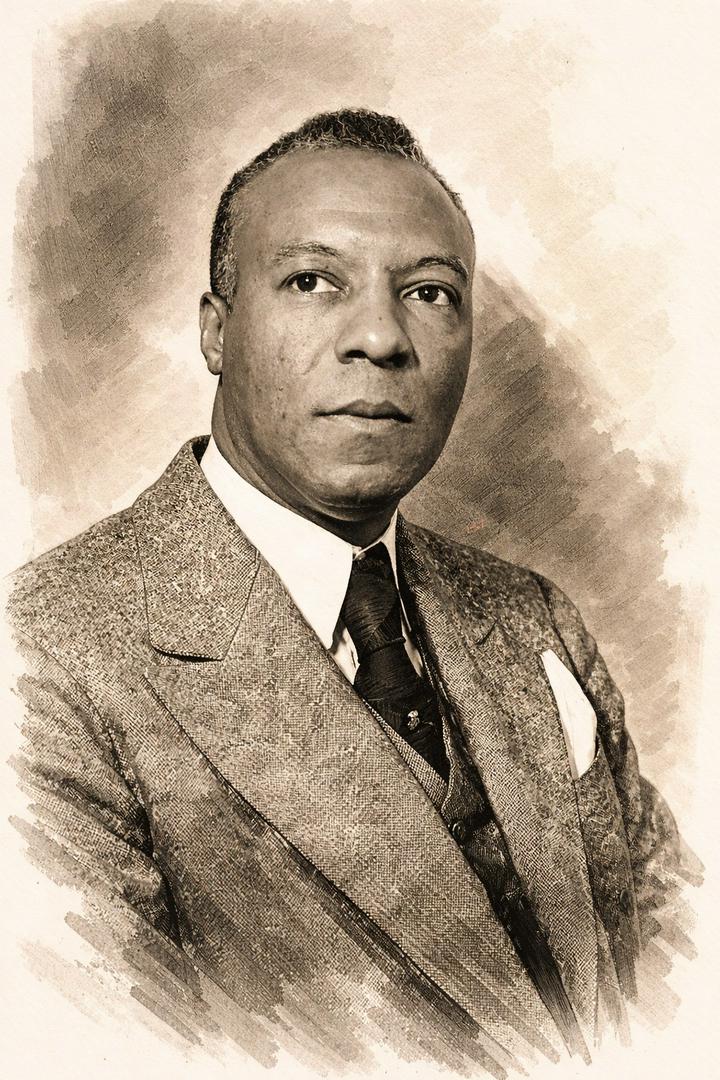
In 1941, as the United States ramped up for World War II, Black workers were largely excluded from defense industry jobs despite the surge in federal contracts and factory expansion. Segregation and discrimination were openly enforced, even as the nation claimed to be fighting for democracy overseas. A. Philip Randolph, president of the Brotherhood of Sleeping Car Porters, challenged that contradiction head-on. He understood that moral appeals alone would not move power… leverage would. Randolph issued a call for a March on Washington, proposing to bring tens of thousands of Black workers to the nation’s capital to protest discriminatory hiring practices in defense industries and federal employment. This was not a symbolic gesture. It was a calculated show of force rooted in labor organizing, discipline, and numbers. The message was unmistakable… access to wartime jobs was not negotiable, and equality would not be postponed for national convenience. The pressure reached the White House. Before the march could take place, President Franklin D. Roosevelt intervened. In June 1941, he signed Executive Order 8802, banning racial discrimination in defense industries and establishing the Fair Employment Practices Committee to investigate violations. It marked the first federal action against employment discrimination since Reconstruction. The March on Washington never happened. It didn’t need to. Roosevelt stepped in because the pressure was undeniable. Randolph called off the march because the demand had been met. The moment stands as proof that organized resistance does not always need to march to win… sometimes the threat alone is enough to force power to move. #APhilipRandolph #MarchOnWashington #ExecutiveOrder8802 #BlackLaborHistory #AmericanHistory #WWIIHomeFront #FairEmployment #CivilRightsBeforeTheMovement #HistoryMatters

LataraSpeaksTruth

On January 6, 1941, A. Philip Randolph made a move that rarely gets credited the way it should. He formally escalated plans for what became the March on Washington Movement, not as a ceremony, not as a speech tour, but as a direct threat. One hundred thousand Black workers would descend on Washington, D.C., during wartime, to expose racial discrimination inside the very defense industries claiming to protect democracy. This was not a symbolic march. It was an economic pressure campaign. Randolph understood leverage. Defense factories were booming as the U.S. prepared for World War II, yet Black workers were routinely excluded from skilled positions and union membership. Randolph made it clear that the government could not preach freedom abroad while enforcing exclusion at home. The threat worked. Faced with the possibility of a mass protest that would embarrass the administration on a global stage, President Franklin D. Roosevelt acted. Later that year, he issued Executive Order 8802, banning racial discrimination in defense industries and federal contracts and establishing the Fair Employment Practices Committee to enforce it. There was no televised showdown. No viral slogan. No sudden moral awakening. This change happened because Randolph was willing to apply pressure where it hurt…labor, production, and international reputation. The march itself was ultimately called off, but the goal had already been achieved. This is one of those moments in history that later gets softened. The policy change is remembered. The discomfort that forced it is not. But make no mistake, this didn’t “just happen.” It happened because Randolph was prepared to embarrass the federal government during wartime and understood that quiet leverage often moves the needle faster than loud applause. That is how power actually shifts. #BlackHistory #January6 #APhilipRandolph #MarchOnWashingtonMovement #LaborHistory #AmericanHistory #HiddenHistory #CivilRightsHistory #EconomicPressure

You've reached the end!