Tag Page AfricanAmericanHistory

#AfricanAmericanHistory
LataraSpeaksTruth

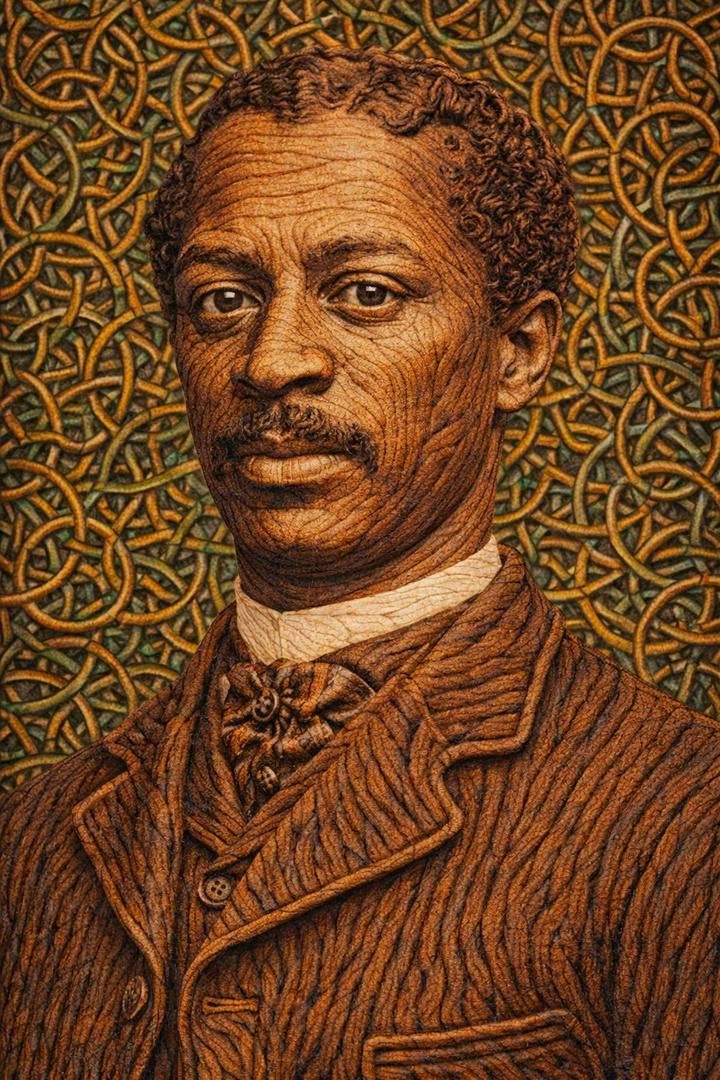
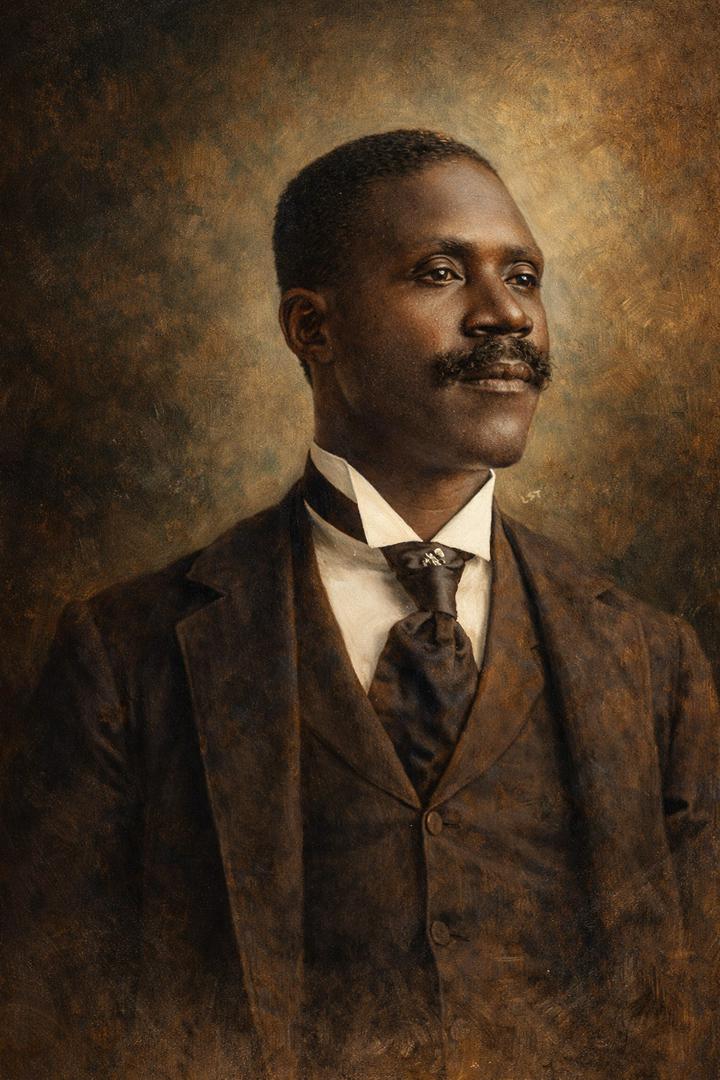
Born enslaved on September 22, 1853 near Rembert in Sumter County, South Carolina, George Washington Murray rose from bondage to the halls of Congress during one of the most hostile eras in American history. After the Civil War, Murray pursued education with purpose and urgency. He attended the University of South Carolina during the brief Reconstruction period when the school was open to Black students, a rare and fragile window of opportunity that would soon slam shut. Education was not just personal advancement for Murray, it was strategy, survival, and resistance. He became a teacher and agricultural expert, believing knowledge was power in a society designed to deny it to Black Americans. From there, he stepped into Republican politics, back when the party still carried the legacy of Reconstruction. In the 1890s, Murray served in the U.S. House of Representatives, representing South Carolina at a time when Black political power was being violently dismantled across the South. Murray was one of the last Black members of Congress in the nineteenth century and during parts of his service, the only one. He spoke openly and unapologetically about lynching, racial terror, and voter suppression while Jim Crow laws tightened their grip. He introduced federal proposals to protect Black voting rights and civil rights, fully aware that Congress was growing less willing to listen and more committed to exclusion. George Washington Murray did not win every fight, but he put injustice on the congressional record and refused silence. In an era demanding submission, he chose courage. That choice still echoes. #GeorgeWashingtonMurray #BlackHistory #ReconstructionEra #BlackCongressmen #AfricanAmericanHistory #CivilRightsHistory #JimCrow #PoliticalCourage #HistoryMatters

LataraSpeaksTruth

Phase Two. Codification. As colonial systems expanded across the Americas, enslavement shifted from practice to law. What had once been enforced through custom and violence was formalized through statutes, court rulings, and inherited status. By the late seventeenth century, slavery was increasingly defined as permanent, racial, and transferable by birth. African ancestry became a legal condition rather than a circumstance. Colonial governments codified labor, movement, marriage, punishment, and property rights. Enslaved Africans were stripped of legal personhood, while freedom for Black people became restricted and conditional. Laws varied by colony, but their direction was consistent. Status followed bloodlines. Children inherited bondage. Escape no longer altered classification. Identity became assigned, recorded, and enforced. Indigenous nations were pulled deeper into this system as European and later American expansion intensified. Treaties, land seizures, and survival pressures forced tribes to navigate slave economies imposed by colonial powers. Some Native nations resisted participation. Others adopted chattel slavery under coercion, economic pressure, or promises of political recognition. These decisions occurred within systems designed to limit Indigenous sovereignty. Codification narrowed earlier possibilities. Where proximity once allowed shared labor, refuge, or informal belonging, law demanded rigid classification. African ancestry was separated from Indigenous identity in legal terms, even when families and communities told a different story. Written records began to override lived reality. This phase marked the moment slavery became self perpetuating. The system reproduced itself through law, reshaping citizenship, land ownership, and recognition, and laying foundations for exclusion and erasure that followed. #Codification #SlaveryBecomesLaw #ArchivalSeries #HistoricalRecord #ColonialHistory #AfricanAmericanHistory #NativeAmericanHistory

LataraSpeaksTruth

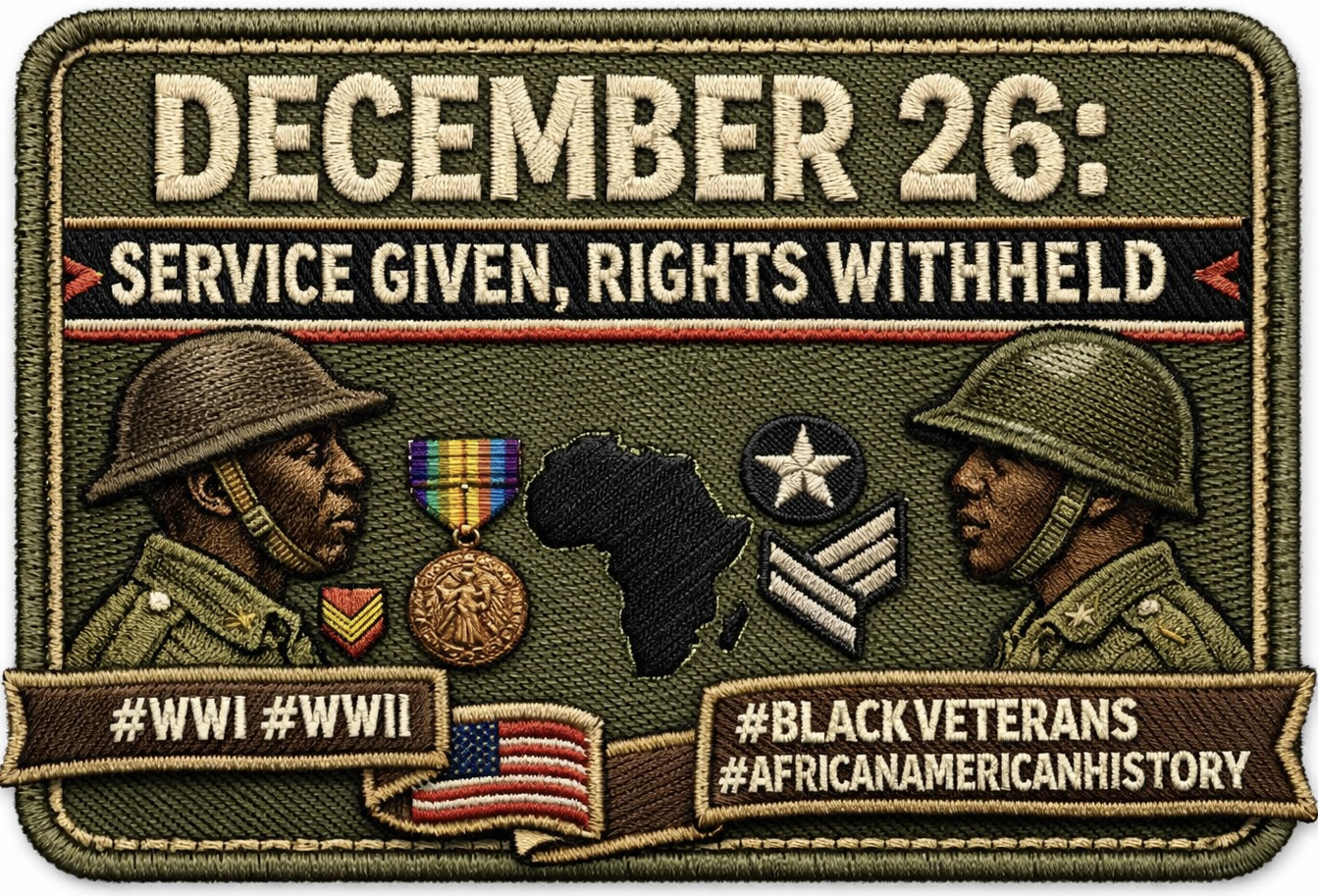
Letters written by Black soldiers during World War I and World War II and dated December 26 reveal a sharp emotional shift. Christmas remembrance ended. Duty resumed. Soldiers wrote about returning to combat readiness almost immediately after the holiday, often overseas, often under segregation within the military itself. Demobilization and reassignment records also list December 26 as a reporting date for Black servicemen. Many returned home to a country that still denied them equal treatment. December 26 marks that contradiction clearly…service given, rights withheld. If you would like to read more on this, you can explore primary letters, military records, and historical analysis through the Library of Congress at loc.gov, the National Archives at archives.gov, and the Smithsonian National Museum of African American History and Culture. #BlackVeterans #MilitaryHistory #December26 #WWI #WWII #AfricanAmericanHistory

LataraSpeaksTruth

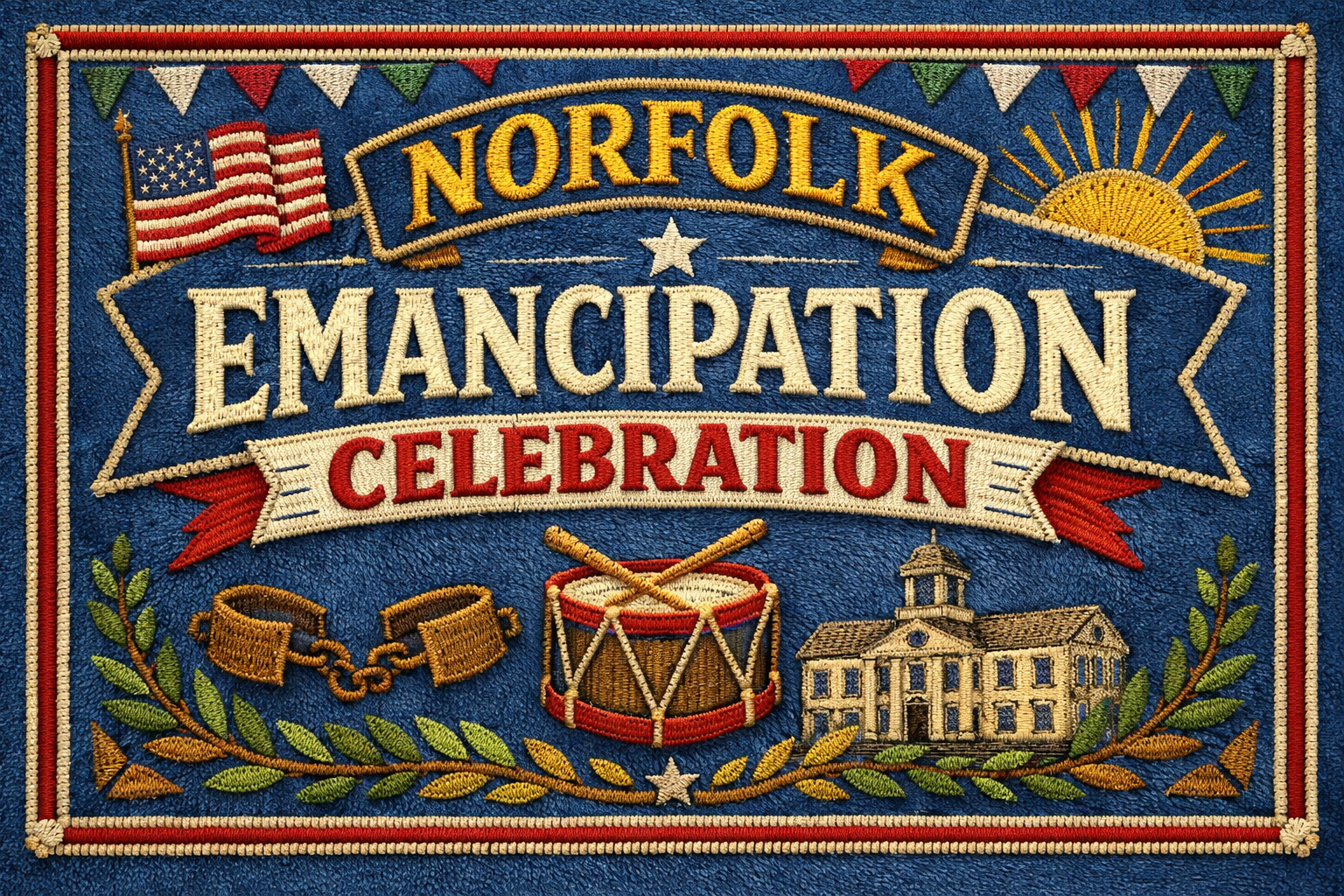
On January 4, 1863, just days after the Emancipation Proclamation took effect, Black residents of Norfolk, Virginia held one of the earliest documented public celebrations of emancipation in the United States. Norfolk had been under Union control since 1862, making it one of the few Southern cities where such a gathering was possible at the time. A contemporary newspaper dispatch dated January 4, 1863, later reproduced by Encyclopedia Virginia, described a procession of at least 4,000 Black men, women, and children moving through the city. The report noted organized marching, music, banners, and speeches, reflecting both celebration and political awareness. This was not a spontaneous gathering. It was a coordinated public declaration of freedom by people who understood the historical weight of the moment. The Emancipation Proclamation did not immediately free all enslaved people, nor did it end slavery everywhere. Its reach depended heavily on Union military presence. Norfolk’s status as an occupied city created conditions where freedom could be openly acknowledged and collectively celebrated, even while much of the Confederacy remained untouched by the proclamation’s enforcement. This January 4 procession stands as an early example of what emancipation looked like in practice rather than on paper. It shows Black communities asserting visibility, dignity, and collective memory at the very start of freedom’s uncertain road. Long before emancipation celebrations became annual traditions, Norfolk’s Black residents marked the moment themselves, in public, and on record. #January4 #BlackHistory #Emancipation #NorfolkVirginia #ReconstructionEra #CivilWarHistory #AfricanAmericanHistory #USHistory #FreedomStories

You've reached the end!
Tag: AfricanAmericanHistory | LocalAll