April Anderson+FollowAlzheimer's Warning Sign Hiding in Brain WavesScientists just found a sneaky brain wave change that can predict Alzheimer’s over two years before you’d ever get diagnosed. They used a noninvasive scan (MEG) and spotted that people who later developed Alzheimer’s had weaker, shorter beta waves. This could be a game-changer for catching the disease early and maybe even stopping it before it starts. Imagine knowing years in advance—wild, right? #Health #BodyHealth #Alzheimers00Share
Charles Christensen+FollowScientists Might Be Closer to Stopping Alzheimer’sUCL researchers just found that a single gene, APOE, could be behind up to 90% of Alzheimer’s cases. Wild, right? They say targeting this gene and its protein might actually help prevent or treat most dementia. Imagine if a future pill could block the gene’s effects before symptoms even start. Plus, other teams are finding new ways to spot Alzheimer’s early—like with a finger-prick blood test. Huge moves in the fight against memory loss! #Health #BodyHealth #Alzheimers80Share
April Anderson+FollowThis Gene Could Be the Key to Alzheimer’sWild new research says over 90% of Alzheimer’s cases might be linked to just one gene—APOE. Turns out, the gene combo you inherit from your parents could make all the difference, and even the most common version (ε3) isn’t as harmless as we thought. Scientists are now thinking: what if we could target this gene and actually prevent Alzheimer’s for most people? Huge if true! #Health #BodyHealth #Alzheimers00Share
Kristi Key+FollowNose Picking and Alzheimer’s—Who Knew?Turns out picking your nose isn’t just gross—it might actually be risky for your brain. Scientists are looking into whether bacteria from your fingers can travel up your nose and trigger inflammation that leads to Alzheimer’s. One study even found that nose picking in mice let bacteria sneak into their brains and form those infamous Alzheimer’s plaques. Maybe it’s time to break the habit and keep those fingers out of your nose! #Health #BodyHealth #Alzheimers82Share
Kristi Key+FollowNose Picking and Alzheimer’s? Wait, What?!Okay, this is wild—scientists are looking into whether picking your nose could actually increase your risk for Alzheimer’s. Apparently, dirty fingers can introduce bacteria into your nose, which might travel up to your brain and cause the kind of damage linked to dementia. The study even found that bacteria in mice led to the same sticky plaques seen in Alzheimer’s. Who knew your childhood habit could be so sketchy? #Health #BodyHealth #Alzheimers00Share
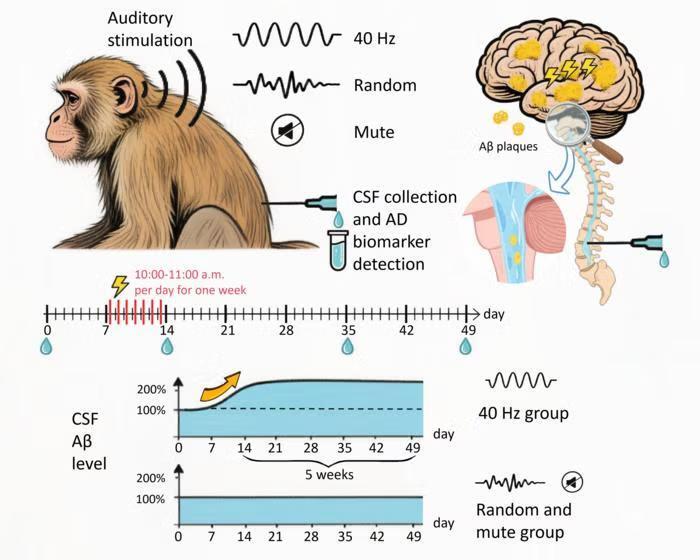
Joseph Bradley+FollowSound Waves vs. Alzheimer’s?!Scientists just found that blasting the brain with a specific sound frequency (40Hz) actually flushes out those nasty Alzheimer’s proteins—at least in monkeys! The effect lasted for weeks, and it’s totally non-invasive. Imagine a future where fighting Alzheimer’s could be as simple as a sound therapy session. Way less scary than current treatments, right? Fingers crossed this works for humans too! #Health #BodyHealth #Alzheimers00Share
Jacqueline Howard DDS+FollowWhy Alzheimer’s Hits Women HarderScientists just found a possible reason why Alzheimer’s seems to hit women harder than men. Turns out, a group of proteins in the brain (called BMPs) go into overdrive in females, blocking the growth of new brain cells. But here’s the wild part: when researchers blocked these proteins in female mice, their brains started making new neurons again! This could be a game-changer for future Alzheimer’s treatments—especially for women. #Health #BodyHealth #Alzheimers20Share
Aaron Rodriguez+FollowAlzheimer’s Breakthrough in Mice?!Scientists just flipped the script on Alzheimer’s: an experimental drug actually reversed brain damage and memory loss in mice! Instead of just slowing things down, this new compound restored energy levels in brain cells and brought back cognitive function. It’s early days (still in mice, not humans yet), but the idea that Alzheimer’s might be reversible is wild. Imagine if future treatments could actually repair the brain instead of just hitting pause! #Health #BodyHealth #Alzheimers31Share
rachel60+FollowAlzheimer’s Secret: Toxic Tunnels UncoveredScientists just found the brain’s hidden highways—tiny tunnels that let toxic proteins travel from cell to cell, helping Alzheimer’s spread like wildfire. Turns out, neurons aren’t just innocent bystanders; they’re actively pushing out these bad proteins, and immune cells might be helping or hurting. This could totally change how we fight the disease—think blocking the tunnels, not just cleaning up the mess. The future of Alzheimer’s treatment might be all about shutting down these sneaky routes before the damage spreads! #Health #BodyHealth #Alzheimers00Share
Joseph Bradley+FollowIs One Gene Behind Most Alzheimer’s Cases?Turns out, a single gene—APOE—might be driving most Alzheimer’s and nearly half of all dementia cases, according to a huge new study. Both the APOE3 and APOE4 variants are way more involved than we thought, but having them doesn’t mean you’re doomed. Lifestyle and other factors still matter a ton! Wild how much genetics can shape our future, right? #Health #BodyHealth #Alzheimers40Share