Tag Page AmericanHistory

#AmericanHistory
LataraSpeaksTruth

The tragedy at Ebenezer Creek remains one of the most devastating and overlooked moments of the Civil War. As Union troops advanced toward Savannah during Sherman’s March to the Sea, hundreds of freedom seekers followed behind them, believing the army represented safety and a chance at a future beyond bondage. They walked for days beside the soldiers, carrying children, bundles, and the weight of generations. When they reached the cold waters of Ebenezer Creek, Union General Jefferson C. Davis ordered his men to cross first on a pontoon bridge. Once the troops were safely over, the bridge was pulled up without warning, leaving the refugees stranded as Confederate forces closed in. Panic spread as families realized they were trapped with nowhere to run. People leapt into the water, clinging to anything that might float, pieces of wood, clothing, each other. Many drowned trying to reach the other side. Others were captured. A moment that should have been a step toward freedom turned into a night of terror and loss. The massacre at Ebenezer Creek exposed a harsh truth of that era… even in a war fought over slavery, the safety of Black refugees was treated as negotiable. Their trust was betrayed, their lives dismissed, and their suffering pushed to the margins of history. And before anyone shows up with the tired “move on, this is old news, get over the past” routine, let me help you out… how about you move on? I’m from Georgia and in all my years in this state I never once heard about this. I’m learning it right alongside everyone else. This is exactly why these stories matter. History doesn’t disappear just because it makes people uncomfortable. We deserve to know what happened on the soil we stand on. #LataraSpeaksTruth #BlackHistory #AmericanHistory #HiddenHistory #Under2000Characters

LataraSpeaksTruth

In May 1803, a group of captive Igbo people from West Africa reached the Georgia coast through a system that treated human beings like cargo. After arriving through Savannah, they were being transported toward plantations in the Sea Islands region. But somewhere between arrival and ownership, they refused the future that had been assigned to them. Accounts describe resistance during transport near St. Simons Island, with captives breaking control long enough to reach the shoreline at Dunbar Creek. What happened next has echoed for over two centuries. Oral histories carried in Gullah Geechee communities, alongside later written records, remember the Igbo choosing the water rather than bondage. Not confusion. Not accident. A decision. The details are debated, including how many drowned, who survived, and what happened in the moments after. Many tellings suggest at least ten to twelve people died, while others were captured again. But the heart of the story holds steady across sources. There was revolt. There was refusal. And there was a legacy that turned this place into sacred ground. Igbo Landing is remembered as more than tragedy. It is remembered as a declaration. A line drawn in saltwater. Proof that enslaved people were never simply captured and compliant. They fought, even when the only exit left was the sea. #IgboLanding #StSimonsIsland #GeorgiaHistory #GullahGeechee #AfricanDiaspora #SlaveResistance #AmericanHistory #HiddenHistory #UntoldStories #HistoryMatters

LataraSpeaksTruth

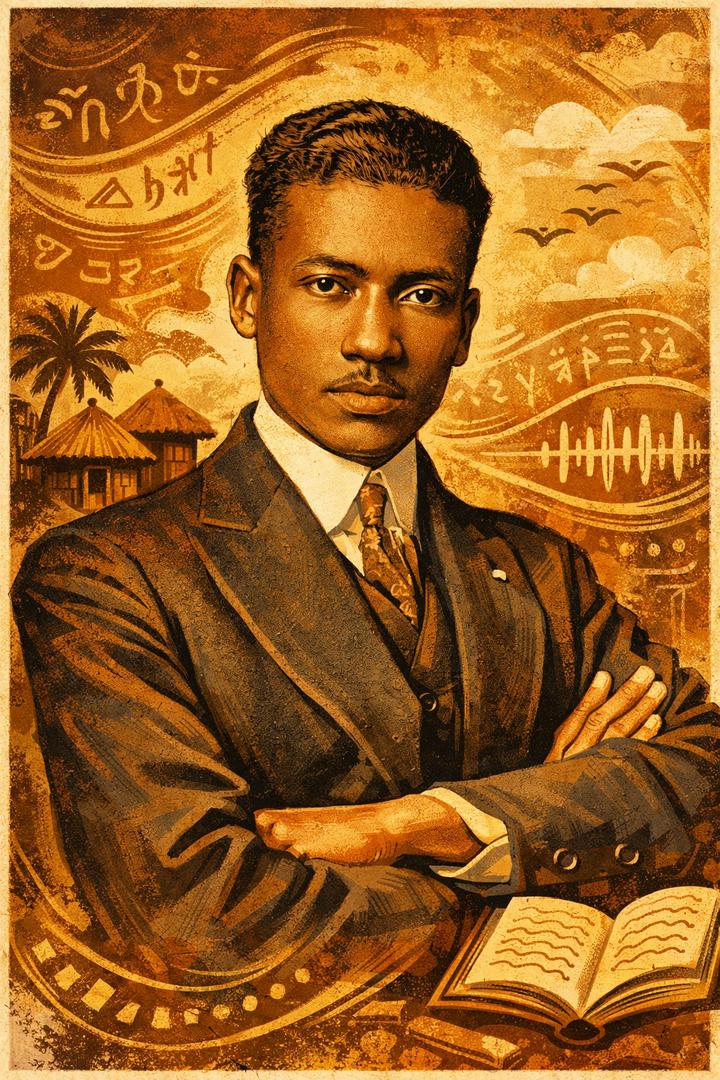
Carter Godwin Woodson was born on December 19, 1875, in New Canton, Virginia. Born to parents who had been enslaved, Woodson grew up in poverty and spent much of his early life working in coal mines to support himself and his family. Despite limited access to formal education during his childhood, he pursued learning relentlessly and completed high school in just two years once he was able to attend regularly. Woodson went on to earn degrees from Berea College and the University of Chicago before making history in 1912 as one of the first African Americans to receive a doctorate in history from Harvard University. At the time, he was also the only person whose parents had been enslaved to earn a PhD from the institution. His academic achievements, however, were only part of his lasting impact. As a historian, Woodson became increasingly concerned with how African American history was ignored, misrepresented, or entirely omitted from mainstream education. He believed that a society could not fully understand itself while excluding the experiences and contributions of an entire group of people. In response, he dedicated his career to research, writing, and institution building. In 1916, Woodson founded the Association for the Study of African American Life and History to promote scholarly research and public education. Ten years later, he established Negro History Week, choosing February to align with the birthdays of Frederick Douglass and Abraham Lincoln. This observance laid the groundwork for what later became Black History Month. Often referred to as the Father of Black History, Woodson spent his life challenging historical erasure and advocating for education rooted in truth. His work reshaped how history is studied and remembered in the United States, leaving a legacy that continues to influence classrooms, institutions, and public discourse today. #ThisDayInHistory #AmericanHistory #EducationHistory #HistoryMatters #Scholars #Legacy #December19

LataraSpeaksTruth

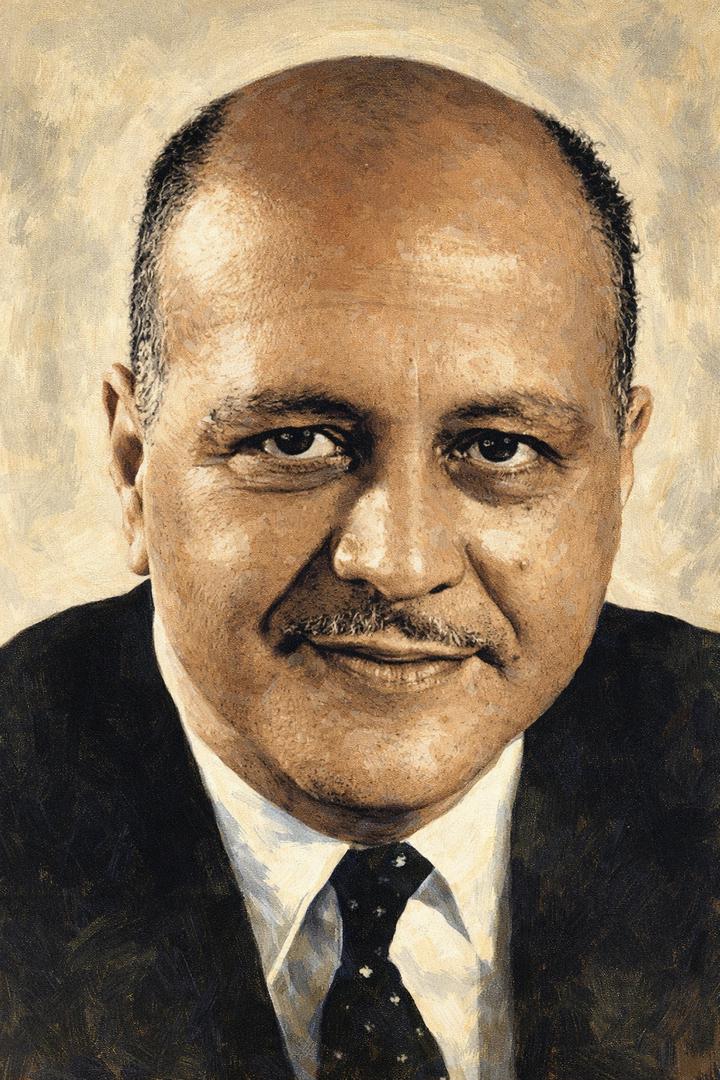
On December 9, 1872, P.B.S. Pinchback stepped into history as acting governor of Louisiana… the first Black governor in the United States. It’s one of those moments the textbooks whisper about, but it deserves a full-volume replay. Pinchback didn’t slide into power on easy mode; he fought through the chaos of Reconstruction, served as lieutenant governor, and rose to the top when the governor was impeached. His time in office was short, but sometimes it only takes a few bold weeks to shake up a century. And before someone pops into the comments with the usual, “Are you sure he was Black? He looks white…” let’s clear the air. A lot of people from that era had lighter complexions because of the grim reality of slavery: white enslavers fathered children with enslaved women, then left those kids to grow up with zero privilege, zero protection, and zero of the benefits their fathers enjoyed. Looking white didn’t grant them a shortcut. Pinchback lived, fought, and served as a Black man…?fully, openly, and without apology. His life is a reminder that history is complicated, messy, and shaped by truths many would rather ignore. Yet through it all, he carved out space where none existed and rewrote what leadership could look like in America. #TodayInHistory #BlackHistory #PBS_Pinchback #Reconstruction #LouisianaHistory #AmericanHistory #HiddenHistory #TruthMatters

LataraSpeaksTruth

The Eutaw Riot – October 25, 1870

In Eutaw, Alabama, a public gathering of Black citizens met in the courthouse square during the Reconstruction era to discuss upcoming elections and community progress. Tensions in the area had been rising, and the event turned tragic when conflict broke out between white and Black residents. Historical accounts report that several people lost their lives and many were injured. In the days that followed, voter turnout among Black citizens fell sharply due to widespread fear and intimidation. This shift helped change the political outcome in Greene County, marking a major setback for Reconstruction efforts in Alabama. The Eutaw Riot became one of the most notable examples of how resistance to racial equality influenced Southern politics after the Civil War. It stands as a reminder of how fragile progress can be when unity gives way to fear. #BlackHistory #EutawRiot #ReconstructionEra #AmericanHistory #LataraSpeaksTruth

The Eutaw Riot – October 25, 1870
LataraSpeaksTruth

The Little Girl Who Moved a Nation

Ruby’s story hits like a drumbeat through history. Picture a tiny first-grader in 1960, rolling up to William Frantz Elementary in New Orleans with U.S. marshals flanking her like she’s the nation’s smallest superhero. Crowds spit hate, but Ruby? She keeps it moving, lunchbox swinging, spirit unbroken. Inside, every classroom is empty because white parents pulled their kids out. Only one teacher, Barbara Henry… has the backbone to teach her. So Ruby learns alone, day after day, in a school built for hundreds. Outside, the noise stays ugly, but Ruby prays for the people yelling at her. Wild level of grace for a six-year-old, honestly. That walk didn’t just open a school door. It cracked open the future. Ruby stood steady so generations of kids could sit together and learn without fear. Her steps still echo. Her courage still teaches. Her story? Still shaking the room. #RubyBridges #BlackHistory #AmericanHistory #CivilRightsEra #EducationHistory #LataraSpeaksTruth

The Little Girl Who Moved a Nation
LataraSpeaksTruth

THE VICKSBURG MASSACRE… DECEMBER 7, 1874

On December 7, 1874, Vicksburg showed the country exactly how far some people were willing to go to stop Black political power. Peter Barrow Crosby had been legally elected sheriff of Warren County. He wasn’t appointed. He wasn’t forced in. He won the vote. But the moment he tried to do the job he was elected to do, white officials decided he had to go. Black residents did what any community would do. They marched to the courthouse to support their elected official. No weapons. No violence. Just a community standing behind the person they chose. But white paramilitary groups were waiting. They opened fire on unarmed marchers and turned that day into what we now call the Vicksburg Massacre. Federal reports say at least 29 Black people were killed that day. Later research shows the number was likely far higher… maybe 75, maybe over 200. People were shot in fields, on roads, and miles outside town. White newspapers bragged about “restoring order,” and local leaders tried to pretend the violence was justified. It took U.S. troops to step in and put Crosby back in office, but the damage was already done. The massacre became part of the larger effort to tear down Reconstruction and silence Black voters across the South. This is why some dates matter. This is why context matters. December 7 isn’t just history. It’s a reminder of how easily progress can be attacked the moment it threatens the people who benefited from the old system. When we talk about events like this, it’s not to create division. It’s to tell the truth the way it actually happened and to honor the people who risked everything for their right to participate in their own government #VicksburgMassacre #ReconstructionTruth #December71874 #BlackHistoryMatters #UntoldHistory #AmericanHistory #PeterCrosby #VoterSuppressionHistory #NeverForget

THE VICKSBURG MASSACRE… DECEMBER 7, 1874