Tag Page AmericanHistory

#AmericanHistory
LataraSpeaksTruth

1960… The Day New Orleans Showed Its True Face

On November 29, 1960, the sidewalk outside William Frantz Elementary turned into a scene the country still can’t shake. White segregationist mothers lined the street, screaming as a little Black girl tried to walk into school. Through all that chaos, Daisy Gabrielle held her daughter Yolanda’s hand and kept moving. That walk was courage in real time… the kind that doesn’t wait for applause, just does what’s right. The footage from that day became part of America’s permanent record. Not the cleaned-up version… the real one, showing grown adults trying to block a child’s education because of her skin. And here’s the part people love to pretend they don’t hear… 1960 wasn’t ancient history. It wasn’t “way back then.” Many of the adults in that crowd lived long enough to watch the world pretend this never happened. Progress didn’t fall from the sky… somebody had to push it. #HistoryMatters #AmericanHistory #OnThisDay #NewOrleansHistory #EducationHistory #LataraSpeaksTruth

1960… The Day New Orleans Showed Its True Face
LataraSpeaksTruth

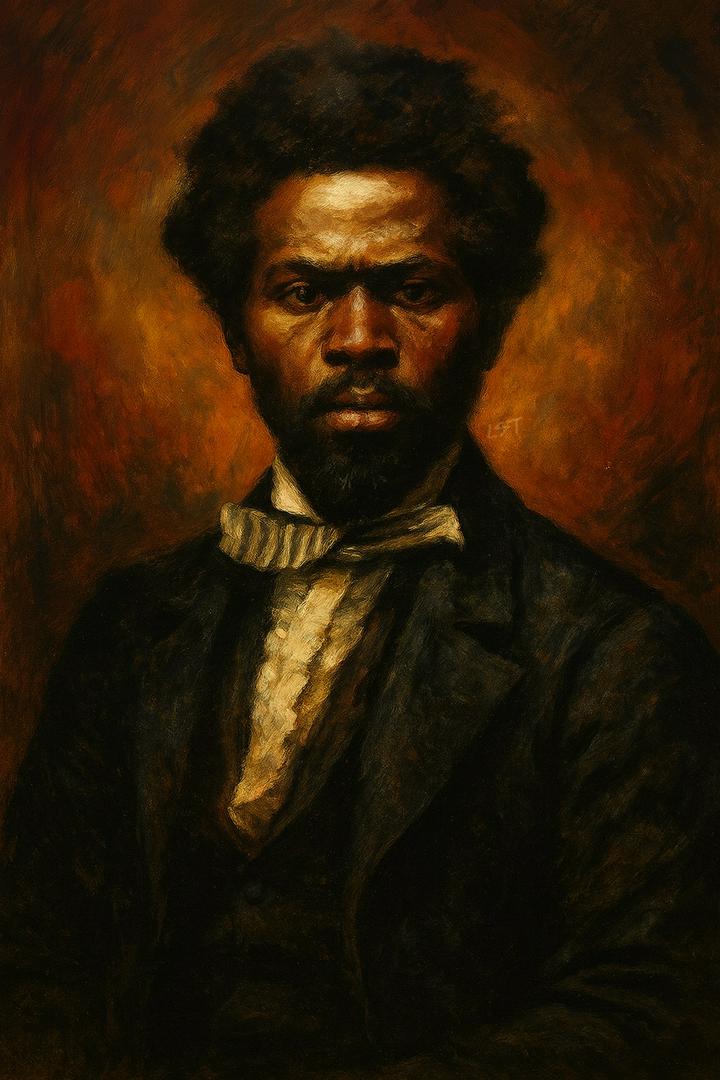
Robert Smalls and the Night He Took His Freedom Into His Own Hands

In 1862, Robert Smalls made a decision that changed everything. He was enslaved. He was forced to work on a Confederate warship. And he understood the risks better than anyone. One night, when the opportunity came, he took it. Smalls put on the captain’s coat, steered the ship away from Confederate control, and sailed it toward Union lines. He moved past multiple checkpoints by keeping his focus steady and his timing exact. He didn’t leave his family behind. He didn’t leave the others behind. He used that moment to free everyone he could reach. That part matters. It says a lot about who he was. Afterward, he continued to serve. He worked with the Union. He built businesses. He entered public office. He reshaped the future of his community. His story didn’t end with escape. It expanded. And this is the type of history that should be known widely. It’s not a myth. It’s documented. It’s powerful. And it deserves more space than it gets. #HistoryUncovered #AmericanHistory #HiddenChapters #LegacyAndTruth #LearnSomethingNew #LataraSpeaksTruth #TodayInHistory #RealStories

Robert Smalls and the Night He Took His Freedom Into His Own HandsRobert Smalls and the Night He Took His Freedom Into His Own Hands
LataraSpeaksTruth

The Wanderer… 1858

On November 28, 1858, one of the last known illegal slave ships to reach the United States secretly landed on Jekyll Island, Georgia. The vessel, called the Wanderer, arrived with more than 400 kidnapped men, women, and children from West and Central Africa… all smuggled in defiance of the federal ban on the transatlantic slave trade that had been in place since 1808. The Wanderer was originally built as a luxury yacht, but was converted into a human trafficking vessel financed by wealthy Southern men determined to profit from an illegal trade. Survivors were quickly dispersed across Georgia and the Deep South, sold into forced labor. Only a fraction of the captives lived long after arrival. Though federal officials investigated, no one was punished. The Wanderer became a symbol of how far traffickers were willing to go to protect their wealth… and how little accountability existed for crimes committed against Africans even after the trade was outlawed. #LataraSpeaksTruth #HistoryMatters #AmericanHistory #UntoldStories #JekyllIsland #Wanderer1858 #LearnThePast

The Wanderer… 1858
LataraSpeaksTruth

Richard Wright. A Voice America Tried Not To Hear

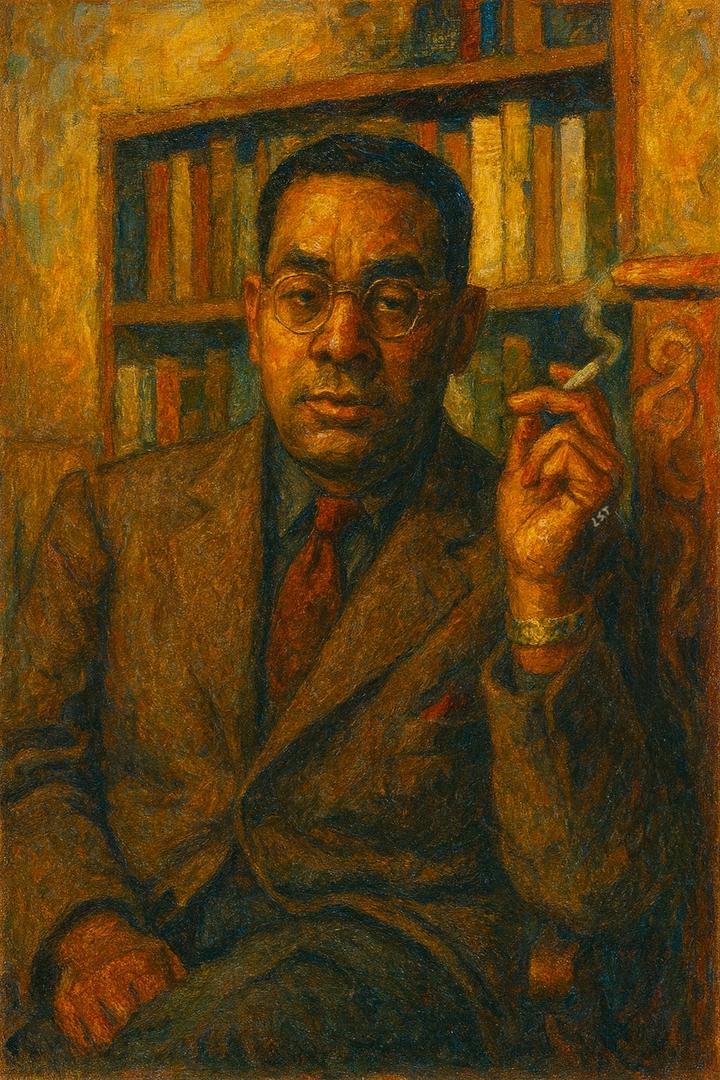
On November 28, 1960, writer Richard Wright passed away in Paris at the age of fifty two. The world lost a man who refused to soften the truth to make anyone comfortable. Wright’s novels Native Son and Black Boy pulled back the curtain on racism in America at a time when the country wanted to pretend it was evolving. His stories were sharp. Unfiltered. They exposed the violence and fear woven into everyday life for Black people in the early twentieth century. His work was uncomfortable on purpose. He wrote so no one could look away. By the time he died, Wright had become one of the most influential Black writers of his era. His words shaped generations of storytellers and helped redefine how Black life was represented in literature. He spent his final years in France seeking the freedom to write without scrutiny. Even overseas, he kept challenging the world with every page. Richard Wright left behind a legacy that still hits like truth spoken out loud at the wrong dinner table. Honest. Brave. Necessary. His voice did not fade. It simply became required reading for anyone trying to understand the American story. #LataraSpeaksTruth #RichardWright #HistoryMatters #AmericanHistory #BlackAuthors #NativeSon #BlackBoy #OnThisDay

Richard Wright. A Voice America Tried Not To Hear
LataraSpeaksTruth

1958… The Day Louisiana’s “Anti-Mixing” Sports Law Finally Fell

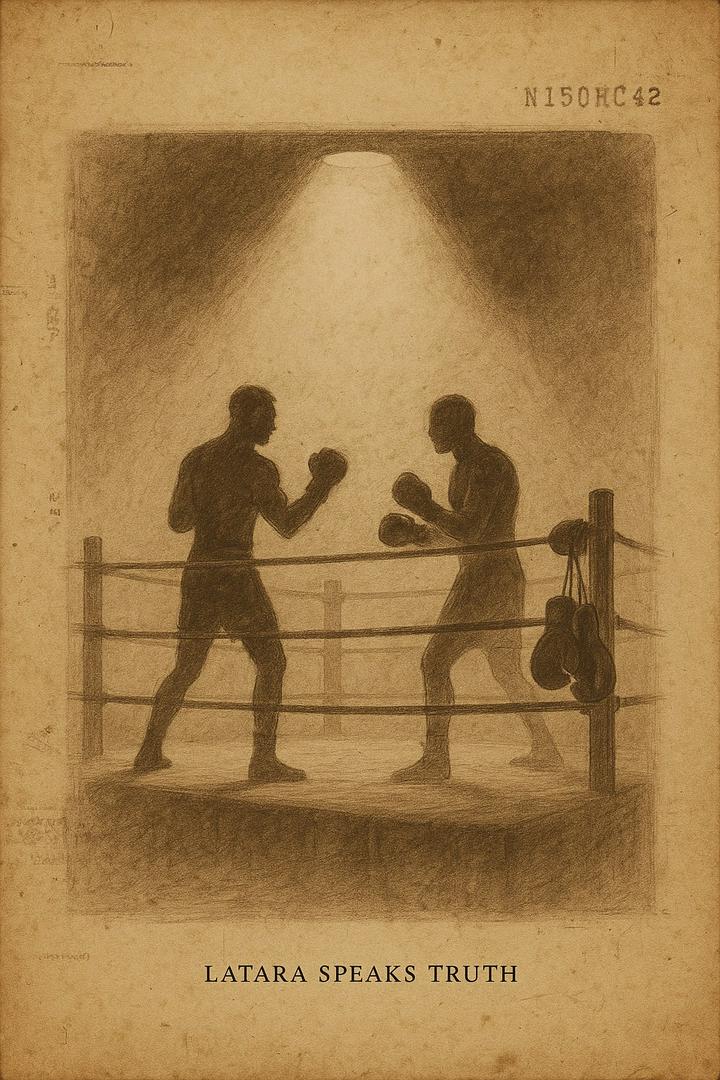
On November 28, 1958, a federal three-judge court ruled against Louisiana’s attempt to keep sports segregated forever. The case was called Dorsey v. State Athletic Commission, and it targeted the state’s “anti-mixing” law… a rule that tried to stop Black and white athletes from competing against each other. Louisiana used this law to block integrated boxing matches. Promoters were threatened with jail. Black fighters were refused licenses. White fighters were told to stay in their own lane. The whole thing was designed to protect the old order… and punish anyone who dared to break it. The court struck it down. They called it unconstitutional, discriminatory, and flat-out incompatible with the country’s direction. It was one of the quiet wins that chipped away at segregation’s foundation. Not loud. Not flashy. But necessary. This wasn’t just about sports. It was about the state trying to control who could stand toe-to-toe in public. And the court said no… not anymore. #LataraSpeaksTruth #HistoryMatters #AmericanHistory #HiddenHistory #UntoldStories #OnThisDay #CivilRightsEra

1958… The Day Louisiana’s “Anti-Mixing” Sports Law Finally Fell
LataraSpeaksTruth

On This Day: Monroe, North Carolina Draws National Attention in 1960

On November 26, 1960, The New York Times published a front-page report titled “Klan and Negroes March in North Carolina Town,” highlighting rising tensions in Monroe, North Carolina, during a pivotal moment in the early civil rights era. Throughout the 1950s, Monroe’s Black residents reported ongoing instances of unequal treatment and intimidation as they pressed for constitutional rights and improved public safety. Community leaders documented these concerns and increasingly organized local efforts calling for fair protection under the law. During this same period, the Ku Klux Klan expanded its presence in the region, holding public demonstrations and increasing its visibility around the town. These activities generated significant local unease and deepened divisions within the community. The march referenced in the Times article brought national visibility to these conflicting forces. Local Black residents mobilized to advocate for equal treatment and greater security, while members of the Klan held their own demonstration representing an opposing stance. The two groups appearing on the same day underscored how sharply divided the town had become. The decision by The New York Times to place this story on its front page had a major impact. It brought attention to conditions in Monroe that had previously received little national coverage, highlighting that civil rights struggles were taking place not only in major cities but also in smaller towns across the South. The headline did not signal the end of the conflict, but it marked a moment when wider audiences could no longer overlook what local residents had been raising concerns about for years. #OnThisDay #AmericanHistory #NorthCarolinaHistory #CivilRightsEra #1960sHistory

On This Day: Monroe, North Carolina Draws National Attention in 1960
LataraSpeaksTruth

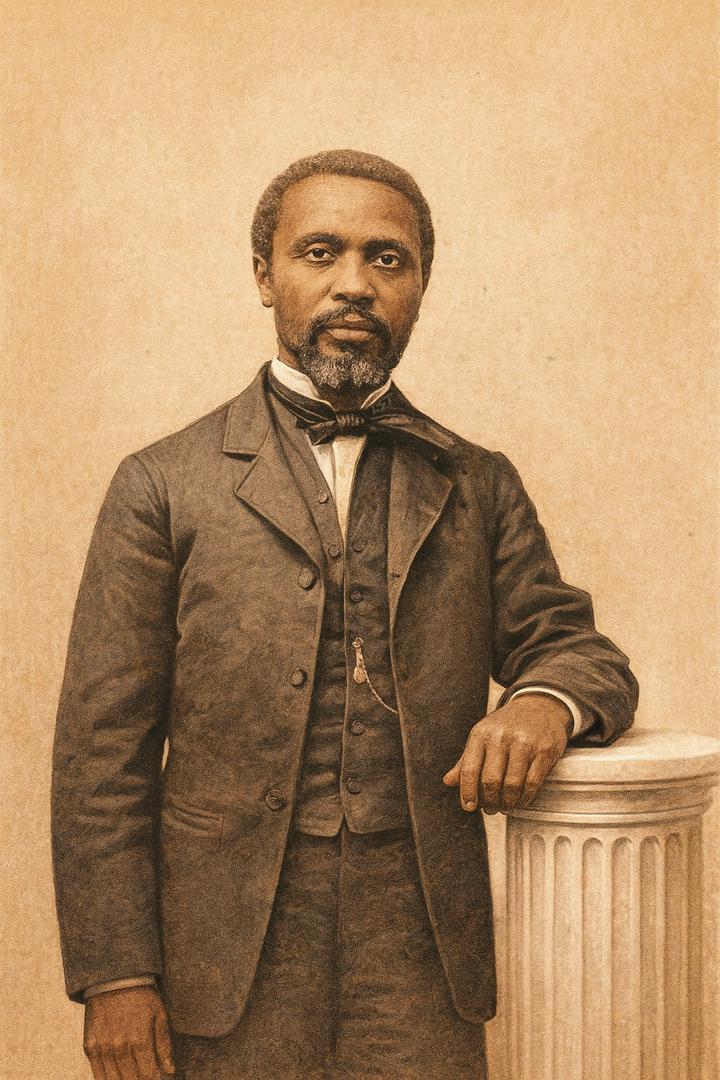
Macon Bolling Allen Admitted to the Massachusetts Bar in 1845

On November 26, 1845, Macon Bolling Allen stepped into a world that liked to pretend it had no room for him and still made space anyway. He became the first Black lawyer admitted to the Massachusetts bar, carrying a calm kind of courage that hits different when you realize the country was still tangled in slavery and hostility. Earlier in 1844 he had already passed the Maine bar exam, proving his skill long before many thought he would even be allowed to take the test. Massachusetts recognized that ability next, and from there he kept pushing forward, eventually serving as one of the first Black judges in the United States. His journey reads like a reminder that discipline and study can be rebellion when the world expects you to shrink. Allen found a way into rooms that were not built for him and left the doors open behind him. Every Black lawyer, judge, advocate, and student walking their own path today moves with echoes of his persistence. #MaconBollingAllen #OnThisDay #HistoryMatters #AmericanHistory #LataraSpeaksTruth

Macon Bolling Allen Admitted to the Massachusetts Bar in 1845
LataraSpeaksTruth

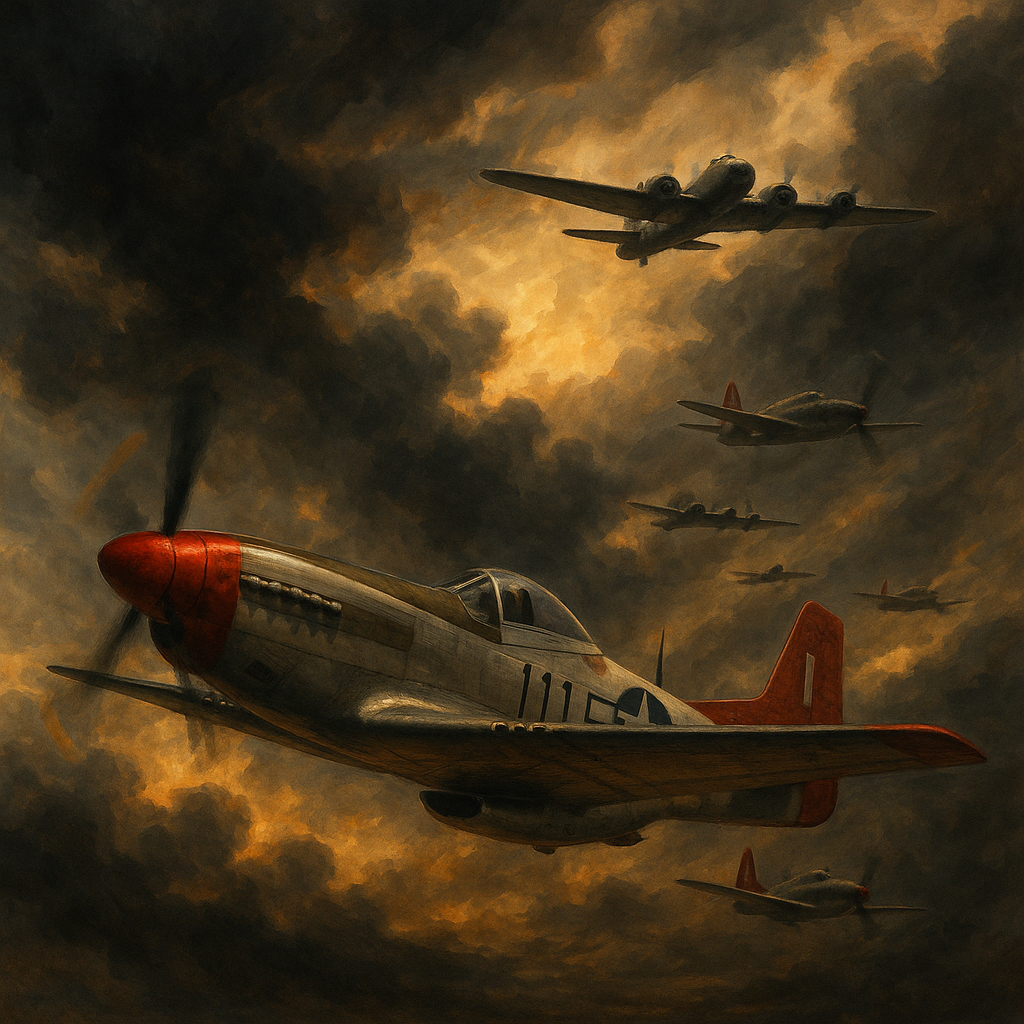
On This Day 1944… Red Tail Escorts Over War Torn Europe

On this day in 1944, the Red Tail Angels carved their path across a cold European sky, lifting off from their base in Italy with the weight of duty and a world still arguing about their worth. The Tuskegee Airmen of the 332nd Fighter Group knew the routine. Take off. Climb. Form up. Guard the bombers like your life depends on theirs. It was the last big raid of the month, and the Fifteenth Air Force sent them straight toward the factories that fed the Nazi war machine. Waiting for them were German fighters, flak bursts that chewed through the clouds, and the constant reminder that history never gives out freebies. These pilots had trained in Tuskegee, Alabama, far from the glory people like to paste on wartime stories. They came from a segregated military that questioned them at every step, yet their performance in the air kept rewriting the script. By late 1944 their P 51s carried bright red tails that bomber crews could spot at a glance. That flash of color meant protection. It meant discipline. It meant someone out there cared enough to hold formation tight when fear tried to pull everything apart. The 332nd flew more than one hundred seventy heavy bomber escort missions before the war ended, losing fewer bombers than many other groups in the same theater. That record was not luck. It was focus, grit, and a stubborn belief in doing the job right even when the country they served made them fight two battles at once. Every mission kept more names off casualty lists and pushed the United States toward the integration that finally came after the war. Remember this November mission as a reminder that real change often shows up in repetition. The same hard task. The same cold morning. The same promise to bring as many people home as possible. That is how legacies are built, one flight at a time. #TuskegeeAirmen #RedTailAngels #WWIIHistory #MilitaryHistory #AviationHistory #332ndFighterGroup #HistoryMatters #AmericanHistory #LataraSpeaksTruth

On This Day 1944… Red Tail Escorts Over War Torn Europe
LataraSpeaksTruth

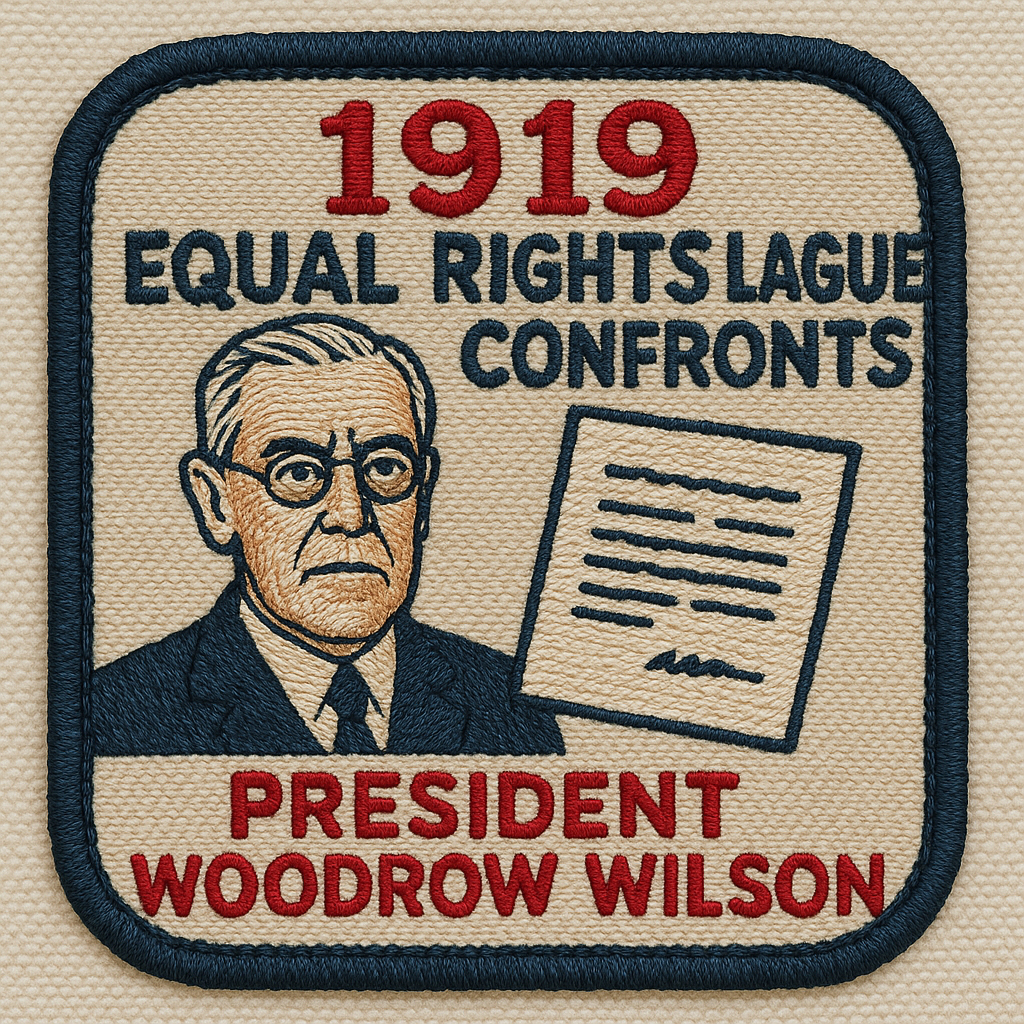
1919: Equal Rights League Challenges Federal Inaction

In November 1919, the country was still shaken from the violence known as the Red Summer. Cities across the nation had experienced unrest, and Black communities were left with little protection as organized mobs carried out attacks. On November 25, the National Equal Rights League sent a direct message to the White House that called attention to this crisis. They addressed President Woodrow Wilson in a formal letter and asked why the federal government had not acted to protect Black citizens from lynching and mob violence. The League stated that the government had the responsibility to step in when people were being harmed in their homes, workplaces, and neighborhoods. They noted that the violence was not limited to one region. It was happening across the country and required leadership from the highest levels of government. Their message also pointed out that a nation calling itself modern could not ignore such conditions. They urged President Wilson to support stronger legal protections and to enforce the laws that already existed but were not being applied evenly. The letter was part of a larger movement of Black advocacy groups pushing for national attention years before the major civil rights campaigns of the 1950s and 1960s. Their challenge to federal inaction showed a growing demand for fairness, safety, and accountability. While no significant changes were made by the administration at the time, the League’s action remains an important example of early national pressure for civil rights. It highlighted the determination of Black leaders who refused to remain silent and who called on the country to live up to its stated values. #OnThisDay #AmericanHistory #EqualRightsLeague #BlackHistoryFacts #LataraSpeaksTruth

1919: Equal Rights League Challenges Federal Inaction
Tag: AmericanHistory - Page 16 | LocalAll