Tag Page AmericanHistory

#AmericanHistory
LataraSpeaksTruth

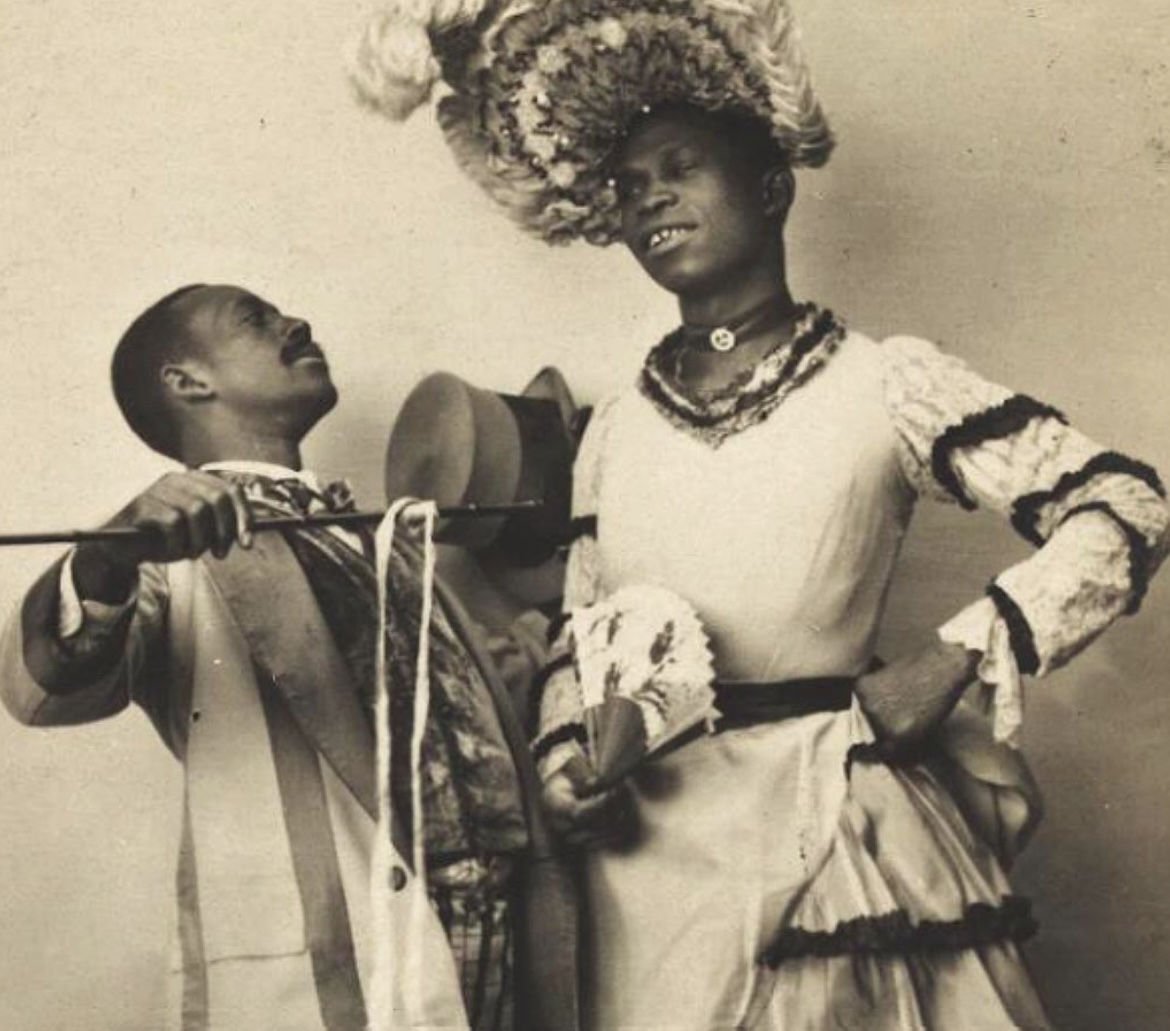
WILLIAM DORSEY SWANN: A HIDDEN FIGURE IN AMERICAN HISTORY

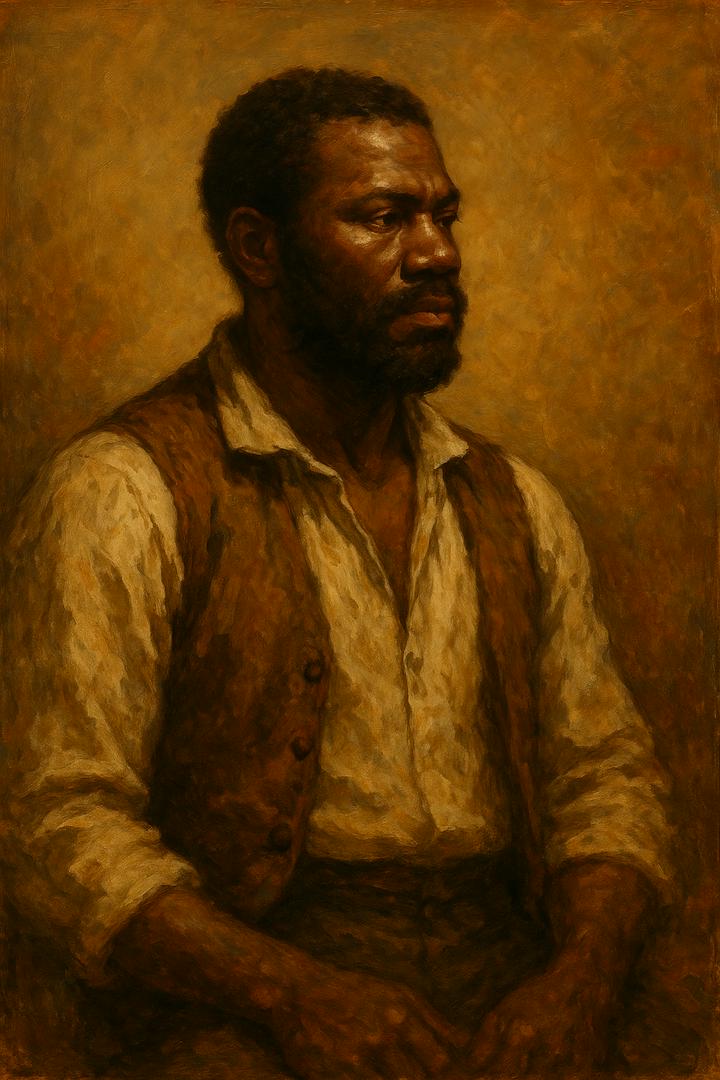
William Dorsey Swann’s name rarely appears in history books, but his story reaches back to the late 1800s. Born into slavery in 1860, Swann stepped into freedom determined to create space for people who lived on the margins. In Washington D.C. he organized private gatherings now recognized as some of the earliest drag balls in the United States. These events were often targeted by police, leading to raids and arrests. Even in the face of that pressure, Swann defended his right to assemble and live openly, becoming the first known person in America to call himself a Queen of Drag. Whether someone agrees with the lifestyle or not, his courage and willingness to stand up to a hostile society make him a significant figure in Black history and in the early struggle for LGBTQ rights. His life shows how many different paths contributed to the broader fight for freedom in this country. A story from the past that reminds us how many different battles shaped American history. #WilliamDorseySwann #BlackHistory #AmericanHistory #LGBTQHistory #HistoricalFigures #CommunityVoices #UntoldStories #LataraSpeaksTruth

WILLIAM DORSEY SWANN: A HIDDEN FIGURE IN AMERICAN HISTORY
LataraSpeaksTruth

The Tuskegee Study: Why This Story Still Hits Home

Some stories refuse to fade into the archives… they tap the mic every generation and say, “Hey, don’t forget me.” The Tuskegee Study is one of those stories. From 1932 to 1972, hundreds of Black men in Tuskegee, Alabama were told they were getting care… when the truth was colder than that. Doctors watched, recorded, and withheld treatment, even after penicillin became the cure-all. And yeah, folks love to say, “Why don’t some communities trust the medical system?” But c’mon, trust isn’t a switch; it’s built over time… and broken the same way. History like this carved caution deep into the bones of families, passing down quiet warnings right along with recipes and church fan stories. We don’t bring up Tuskegee to reopen wounds. We bring it up because remembering is how we guard the door. It’s how we honor the men who were wronged. It’s how we make sure the mistakes of yesterday don’t get a reboot. Because the past doesn’t stay gone… it shapes how we move today. #TuskegeeStudy #HistoryMatters #CommunityVoices #HealthJustice #AmericanHistory #TruthAndMemory #LearnFromThePast #BlackHistory365 #CommunityTalks

The Tuskegee Study: Why This Story Still Hits Home
LataraSpeaksTruth

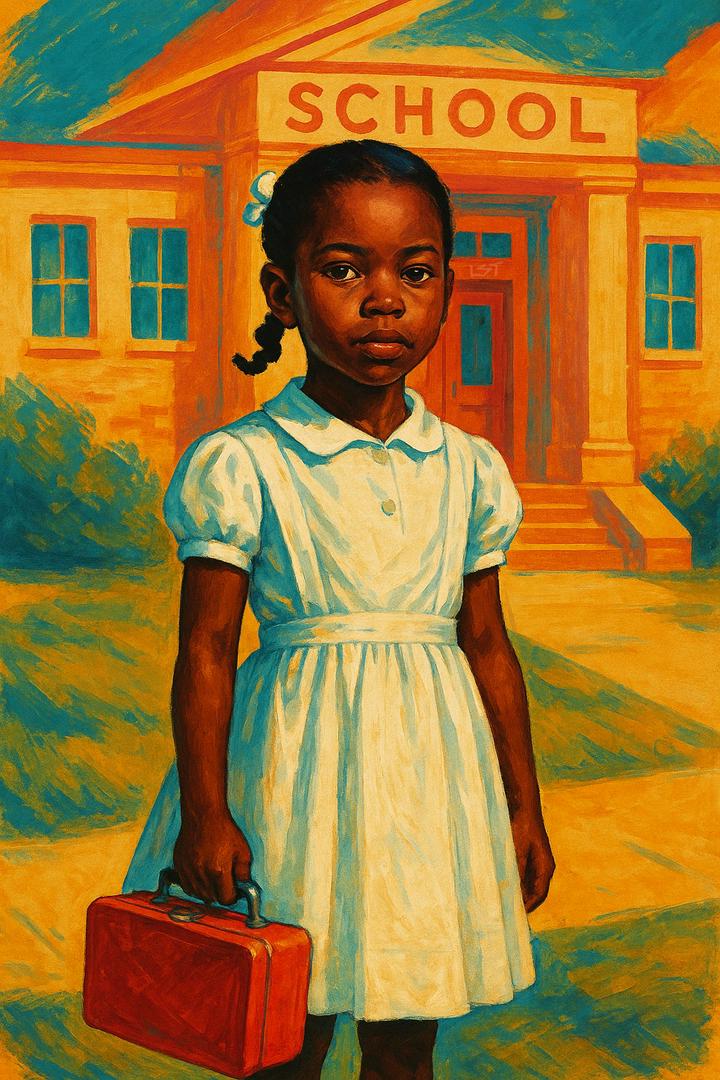
The Little Girl Who Moved a Nation

Ruby’s story hits like a drumbeat through history. Picture a tiny first-grader in 1960, rolling up to William Frantz Elementary in New Orleans with U.S. marshals flanking her like she’s the nation’s smallest superhero. Crowds spit hate, but Ruby? She keeps it moving, lunchbox swinging, spirit unbroken. Inside, every classroom is empty because white parents pulled their kids out. Only one teacher, Barbara Henry… has the backbone to teach her. So Ruby learns alone, day after day, in a school built for hundreds. Outside, the noise stays ugly, but Ruby prays for the people yelling at her. Wild level of grace for a six-year-old, honestly. That walk didn’t just open a school door. It cracked open the future. Ruby stood steady so generations of kids could sit together and learn without fear. Her steps still echo. Her courage still teaches. Her story? Still shaking the room. #RubyBridges #BlackHistory #AmericanHistory #CivilRightsEra #EducationHistory #LataraSpeaksTruth

The Little Girl Who Moved a Nation
LataraSpeaksTruth

York… The Man History Tried to Forget

York was the only Black member of the Lewis and Clark Expedition, yet he returned home to the same bondage he left with. His strength, hunting skills, diplomacy, and endurance helped carry the Corps of Discovery through some of its hardest moments. While others received pay and praise, York received nothing. His story deserves to be remembered for what it is… the truth. York’s contributions were woven into every part of the expedition. He hunted for food, carried heavy loads, provided protection, and helped build relationships with Indigenous communities who showed him respect. Journals from the journey make it clear he worked just as hard as any man on the team. In many moments, he worked harder. Even so, he returned home with no credit and no reward. York’s role highlights how the story of America is often told without the voices of the people whose labor made survival possible. #York #LewisAndClark #HiddenHistory #AmericanHistory #BlackHistory #LataraSpeaksTruth

York… The Man History Tried to Forget
LataraSpeaksTruth

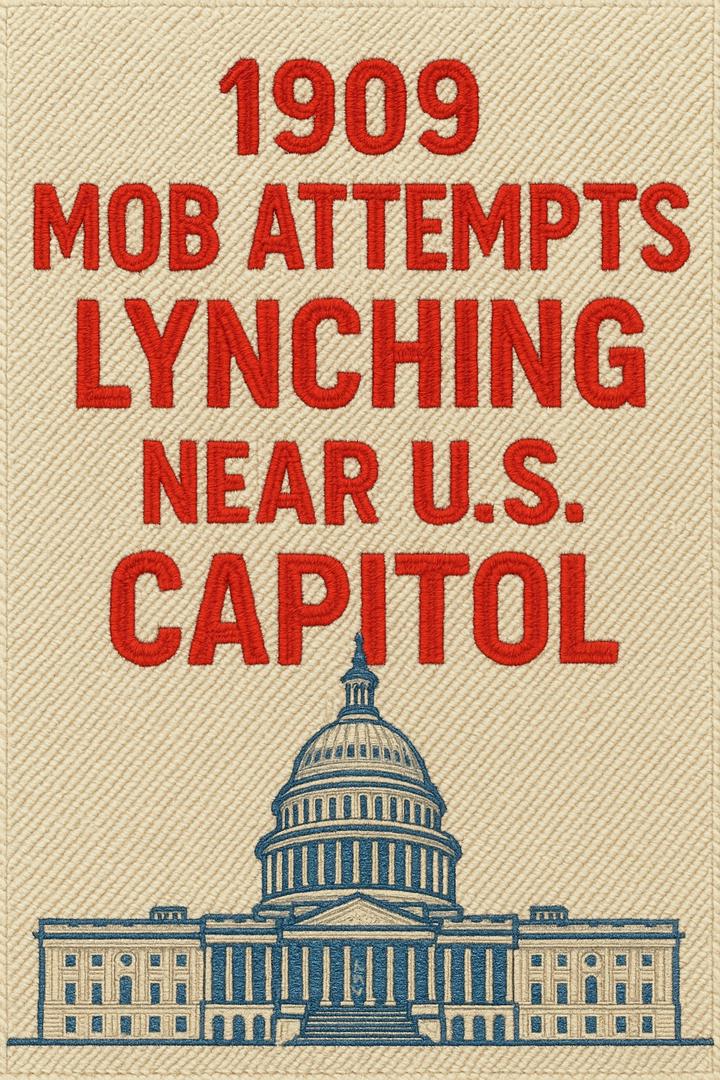
Mob Attempts Lynching Near the U.S. Capitol (1909)

In October 1909, a mob surrounded a Washington, D.C. jail demanding that officers hand over a 26-year-old Black man named Walter Ford, who had been accused of a crime near Landover, Maryland. The mob grew to more than one hundred people and camped outside through the night, armed and ready for violence. Police calmed the situation by promising to turn Ford over in the morning, but when daylight came, the mob had dispersed and Ford was never surrendered. This attempted lynching, just blocks from the U.S. Capitol, revealed how deeply racial violence had spread across the country, even in the nation’s capital. It serves as a reminder that equality under the law was still an unfulfilled promise for many Black Americans at the time. #OnThisDay #BlackHistory #AmericanHistory

Mob Attempts Lynching Near the U.S. Capitol (1909)
LataraSpeaksTruth

The Eutaw Riot – October 25, 1870

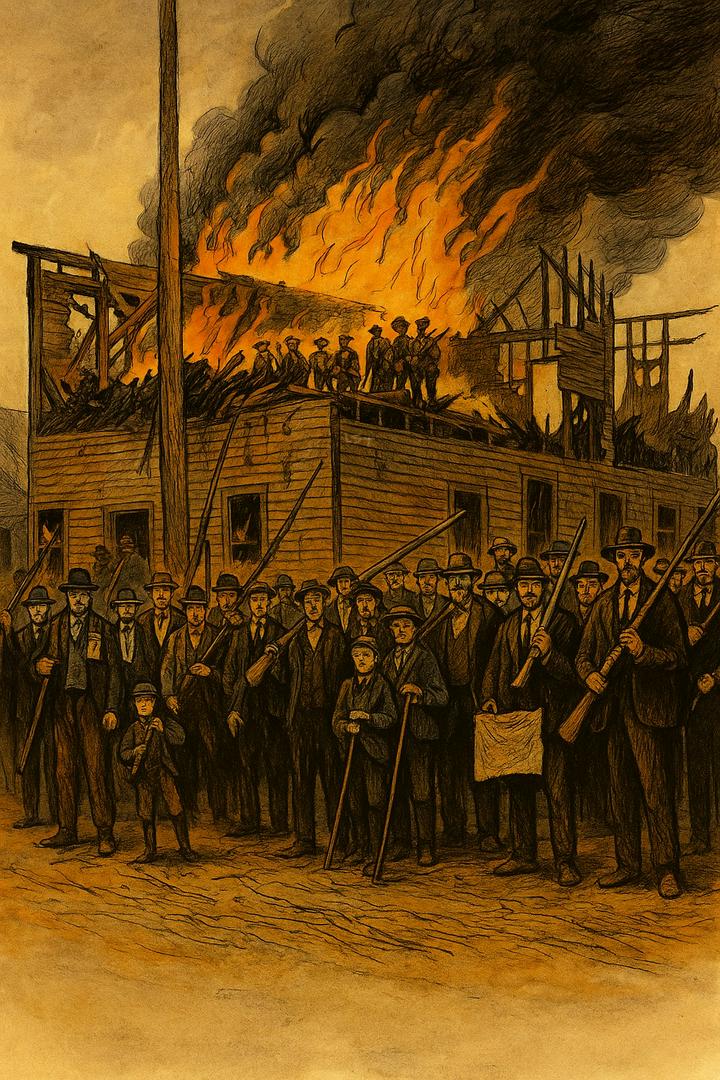
In Eutaw, Alabama, a public gathering of Black citizens met in the courthouse square during the Reconstruction era to discuss upcoming elections and community progress. Tensions in the area had been rising, and the event turned tragic when conflict broke out between white and Black residents. Historical accounts report that several people lost their lives and many were injured. In the days that followed, voter turnout among Black citizens fell sharply due to widespread fear and intimidation. This shift helped change the political outcome in Greene County, marking a major setback for Reconstruction efforts in Alabama. The Eutaw Riot became one of the most notable examples of how resistance to racial equality influenced Southern politics after the Civil War. It stands as a reminder of how fragile progress can be when unity gives way to fear. #BlackHistory #EutawRiot #ReconstructionEra #AmericanHistory #LataraSpeaksTruth

The Eutaw Riot – October 25, 1870
Ursa Mahan-Worlds

Voting Rights Act-For Foundational black Americans part two

I believe alot of Americans do not appreciate the history behind to Voting Rights Act of 1965. Especially minority immigrants who seem to take these rights for granted. Foundational black Americans weren't really thinking about all of the so-called people of color who are a recent addition to the American landscape. They just wanted a voice for their work, military service, free labor, and taxes they paid into. Foundational black Americans have been relatively silent concerning these non-white immigrants who's infiltrated American society. They've been very disrespectful to American history, our benefits, and sacrifices. Especially when it comes to the history of Foundational black Americans. Voting righs, equal housing, bilingual education, military desegregation, the 14th amendment, equal business opportunities, etc. are all laid at their feet when most touch American soil. They also have access to a plethora of immigration agencies Foundational black Americans Freedman do not. Maybe it's time to dismantle these Civil rights that MY ancestors fought for and make everyone fight for their own rights. Since they show no gratitude to their benefactors. Asians had the nerve to fight against OUR AFFIRMATIVE ACTION...which they had no business having a say in OUR American history AT ALL. Foundational black Americans are not minorities OR IMMIGRANTS. WE'RE FREEDMAN with our own unique history. All of these 1960s civil rights have been usurped and taken over by a bunch of grifting newcomers who have no appreciation of America's history. Their ancestors weren't enslaved, lynched, didn't fight in all of America's wars, they're not part of OUR HISTORY. We're not a black and brown history, people of color, marginalized history, minority immigrants, etc.etc. We have a UNIQUE AMERICAN HISTORY and we demand a unique recognition. We need our own civil rights laws based on our American history. #AmericanHistory,#FoundationalblackAmericans,#CivilRights

Voting Rights Act-For Foundational black Americans 

part two
1776 Patriot

Finding an Assassin: The Manhunt for John Wilkes Booth

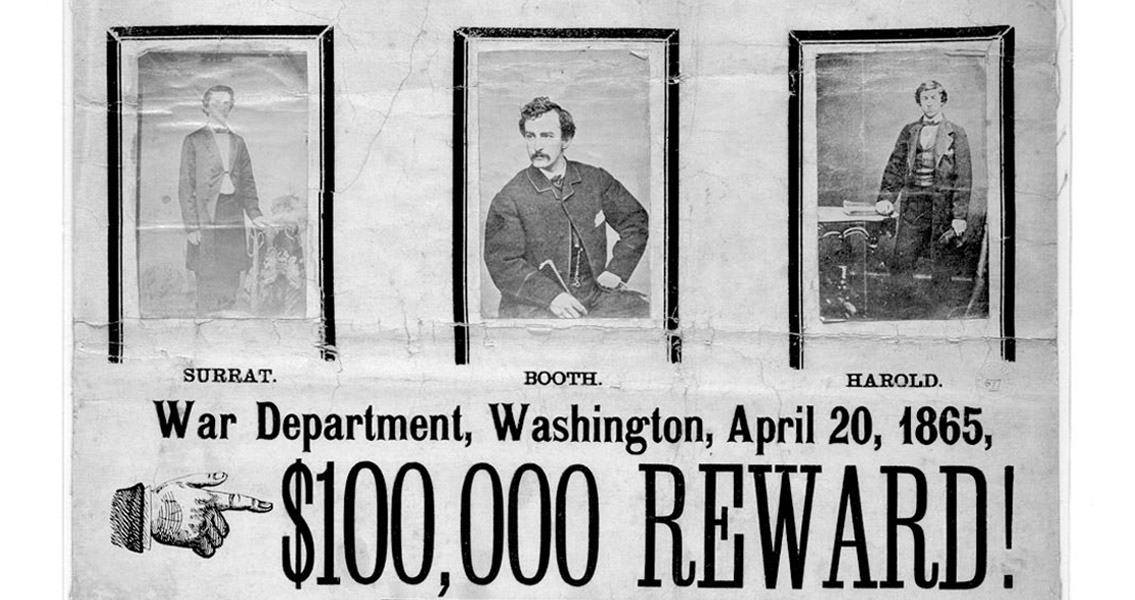
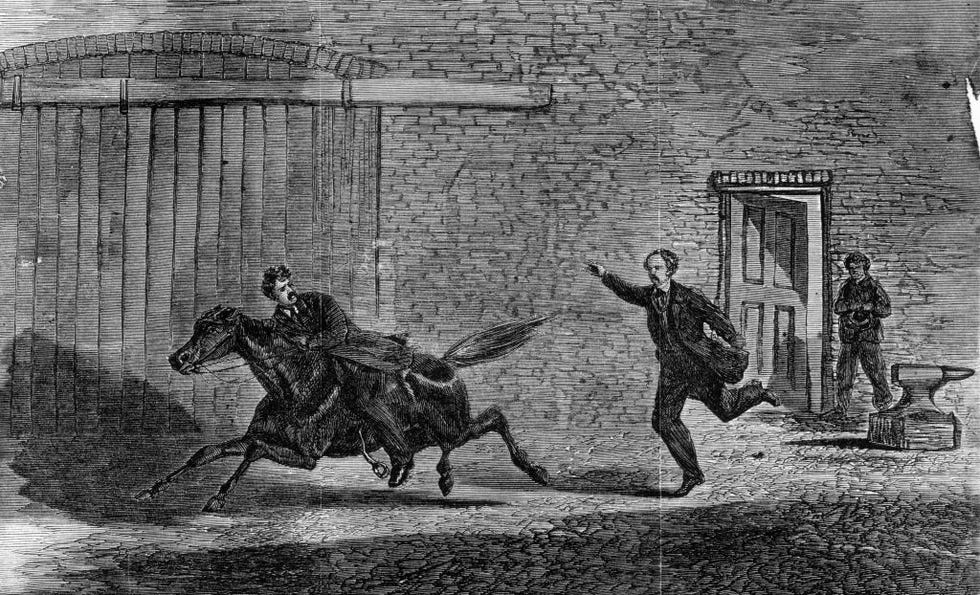
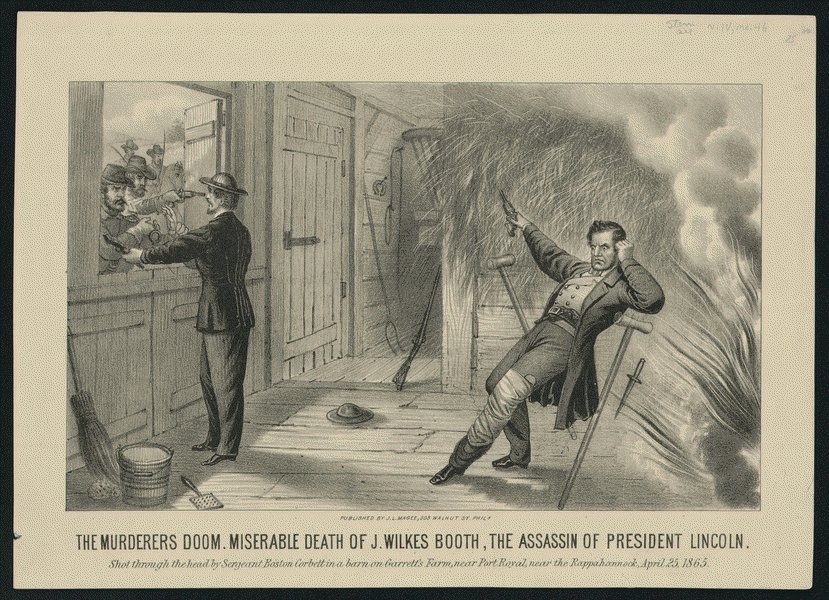
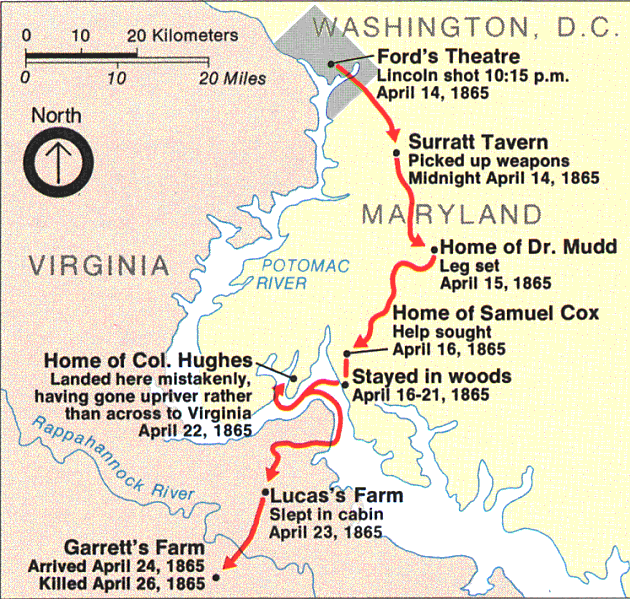
On the night of April 14, 1865, after assassinating President Abraham Lincoln at Ford’s Theatre, John Wilkes Booth vanished into the darkness of Washington. He crossed the Navy Yard Bridge into Maryland, his leg broke from the leap to the stage. Within hours, Secretary of War Edwin Stanton launched one of the largest manhunts in U.S. history. Telegraphs carried his description to surrounding states and mounted patrols sealed the capital. Rewards of $100,000 prompted tips, rumors, and informants. For days, Union forces pursued Booth and his accomplice David Herold across Maryland and Virginia. Cavalry swept roads, infantry scoured forests, and scouts tracked footprints through barns, and swamps. Detectives questioned locals, tavern keepers, and ferrymen, compiling leads that shifted squads across counties. At Surratt’s Tavern, Booth and Herold collected a carbine (gun), whiskey, and field glasses (portable telescopes for observing distant roads), left earlier, evidence later used against Mary Surratt. Farther south, they bartered for food and supplies, which locals soon reported. At Dr. Samuel Mudd’s home, Booth’s broken leg was set, as patrols pressed closer. The chase became a deadly game of anticipation. False sightings and misdirections tested Union coordination, but telegraph lines kept updates flowing. Cavalry patrolled roads, foot soldiers scoured farms, and units redeployed with every lead. Booth’s options dwindled as the net tightened, forcing him deeper into Virginia. The pursuit ended on April 26 at Richard Garrett’s farm near Port Royal. Lieutenant Edward Doherty’s cavalry surrounded the barn. Herold surrendered, but Booth refused, declaring he would never be taken alive. Soldiers torched the structure. Booth came to the door, raised his gun, and was struck in the neck by a bullet fired by Sergeant Corbett. He lingered for five hours before dying at dawn. The twelve-day manhunt was over. #USHistory #History #USA #America #Virginia #AmericanHistory
Finding an Assassin: The Manhunt for John Wilkes BoothFinding an Assassin: The Manhunt for John Wilkes BoothFinding an Assassin: The Manhunt for John Wilkes BoothFinding an Assassin: The Manhunt for John Wilkes Booth
Tag: AmericanHistory - Page 18 | LocalAll