Tag Page Aviation

#Aviation
1776 Patriot

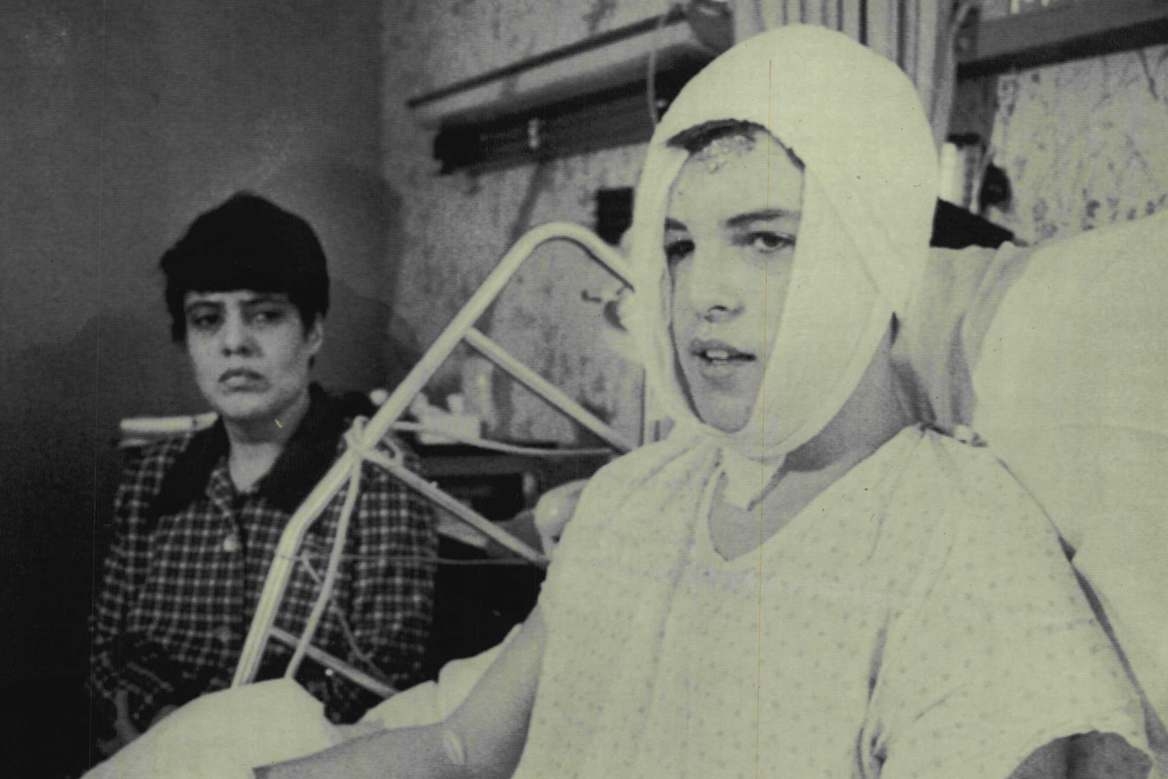
Miracle Over Missouri: George Lamson, Sole Survivor of TWA Flight 128, 1967 On November 20, 1967, TWA Flight 128, a domestic passenger flight in the United States, collided midair with a United Airlines aircraft over Missouri at approximately 11,000 feet. The collision destroyed both planes, killing all 7 crew members and 93 passengers aboard TWA Flight 128 and all 58 people aboard the other plane. George Lamson, a passenger from Missouri, survived, making him the sole survivor of 151 fatalities from the two aircraft. Lamson was seated near the rear of the plane. Investigators concluded that structural debris formed a partial protective space around him, absorbing much of the impact energy. He sustained multiple fractures, including a broken leg, several broken ribs, and a crushed pelvis, as well as internal contusions and significant blood loss. His vital organs avoided fatal trauma, a rare outcome in high energy midair collisions. Rescue crews located him within 20 minutes. Emergency responders stabilized him, controlled hemorrhage and shock, and transported him to a regional hospital. Surgeons performed orthopedic stabilization, blood transfusions, and intensive monitoring. Lamson spent 6 weeks hospitalized and underwent 3 major surgeries. Recovery included months of physical therapy to restore mobility and strength. Later in life, Lamson lived a relatively private life in Missouri. He reportedly returned to work in civil service and rarely spoke publicly about the crash, though he occasionally participated in interviews and safety studies. His survival, one of the rarest in American aviation history, demonstrates how seat location, debris orientation, rapid rescue, and sheer chance aligned perfectly. Analysts estimate that in similar midair collisions, the chance of a single passenger surviving is less than 1 percent, underscoring the extreme improbability of sole survival in catastrophic crashes. #PlaneCrash #Aviation #America #USA #History #Survivor

1776 Patriot

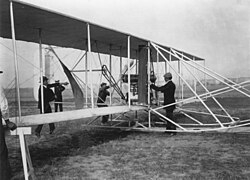
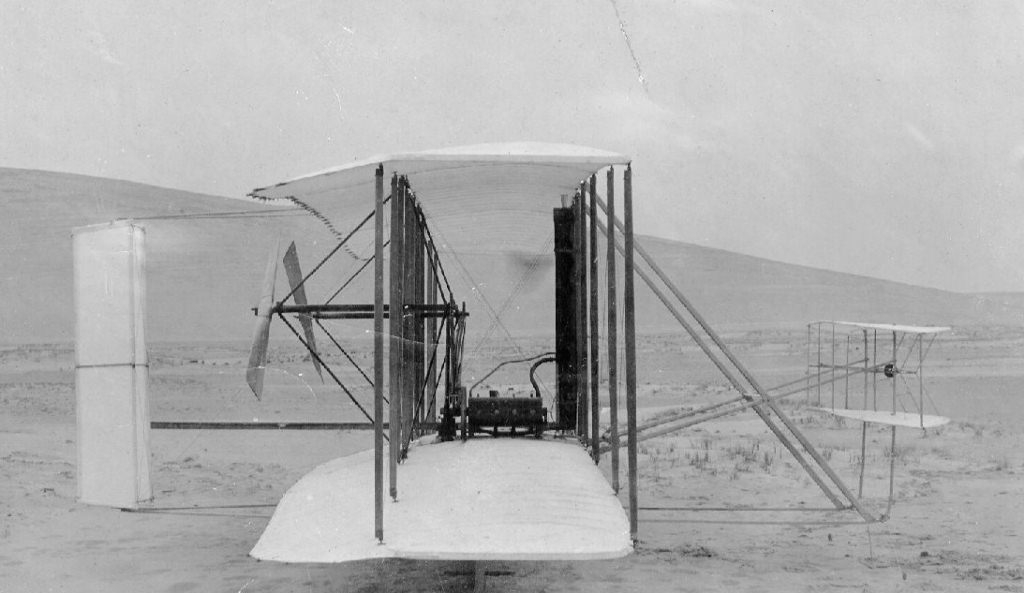
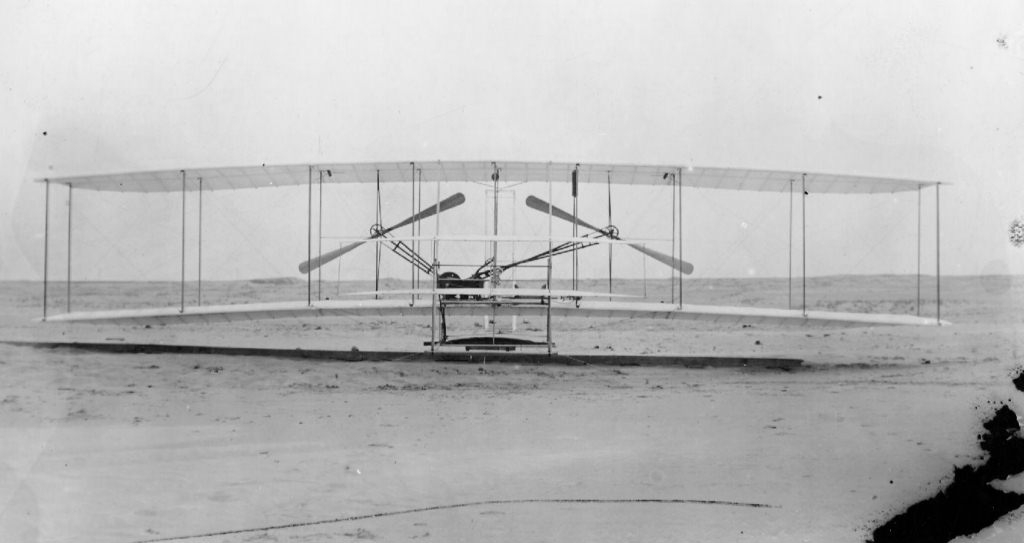
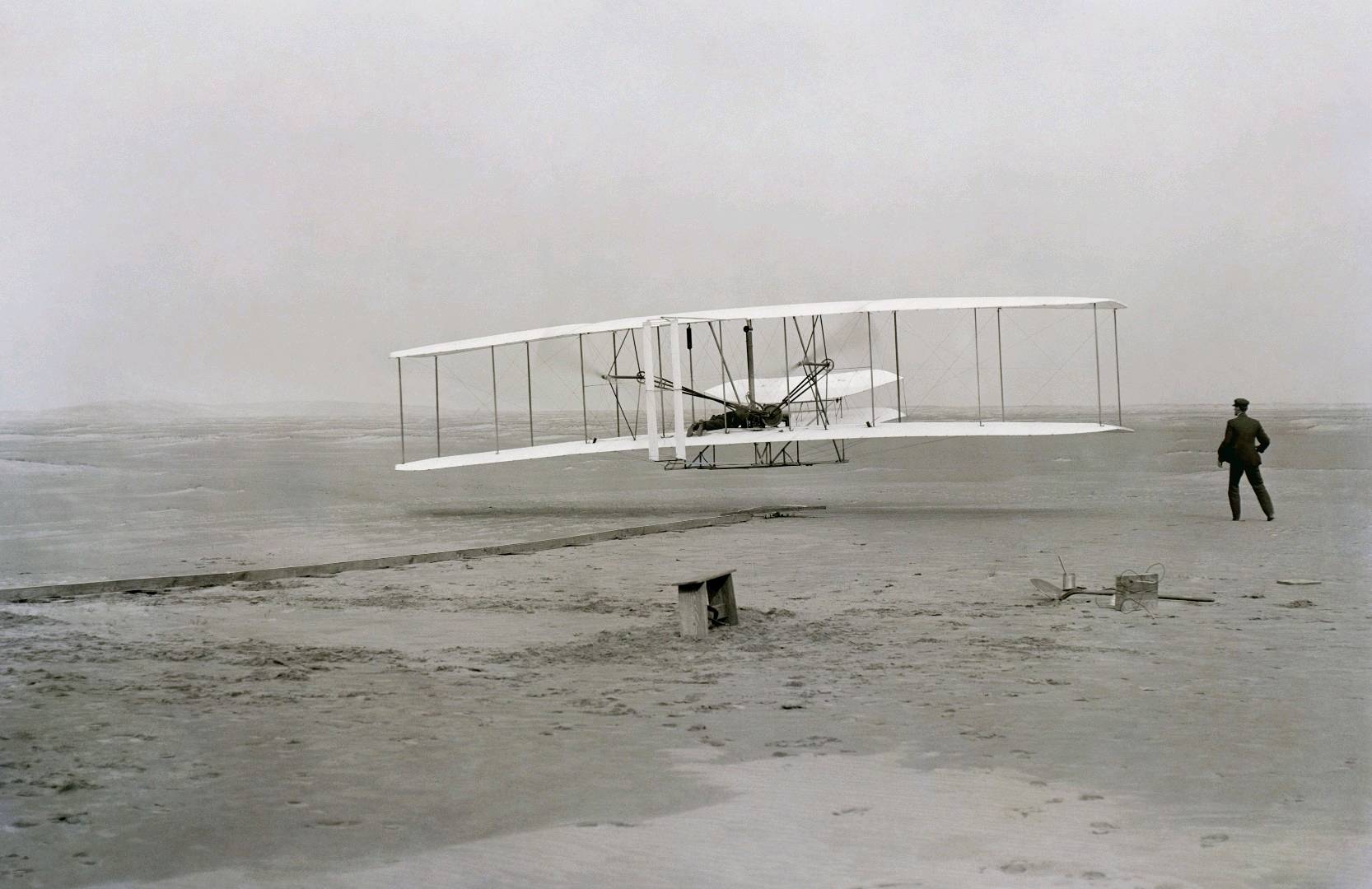
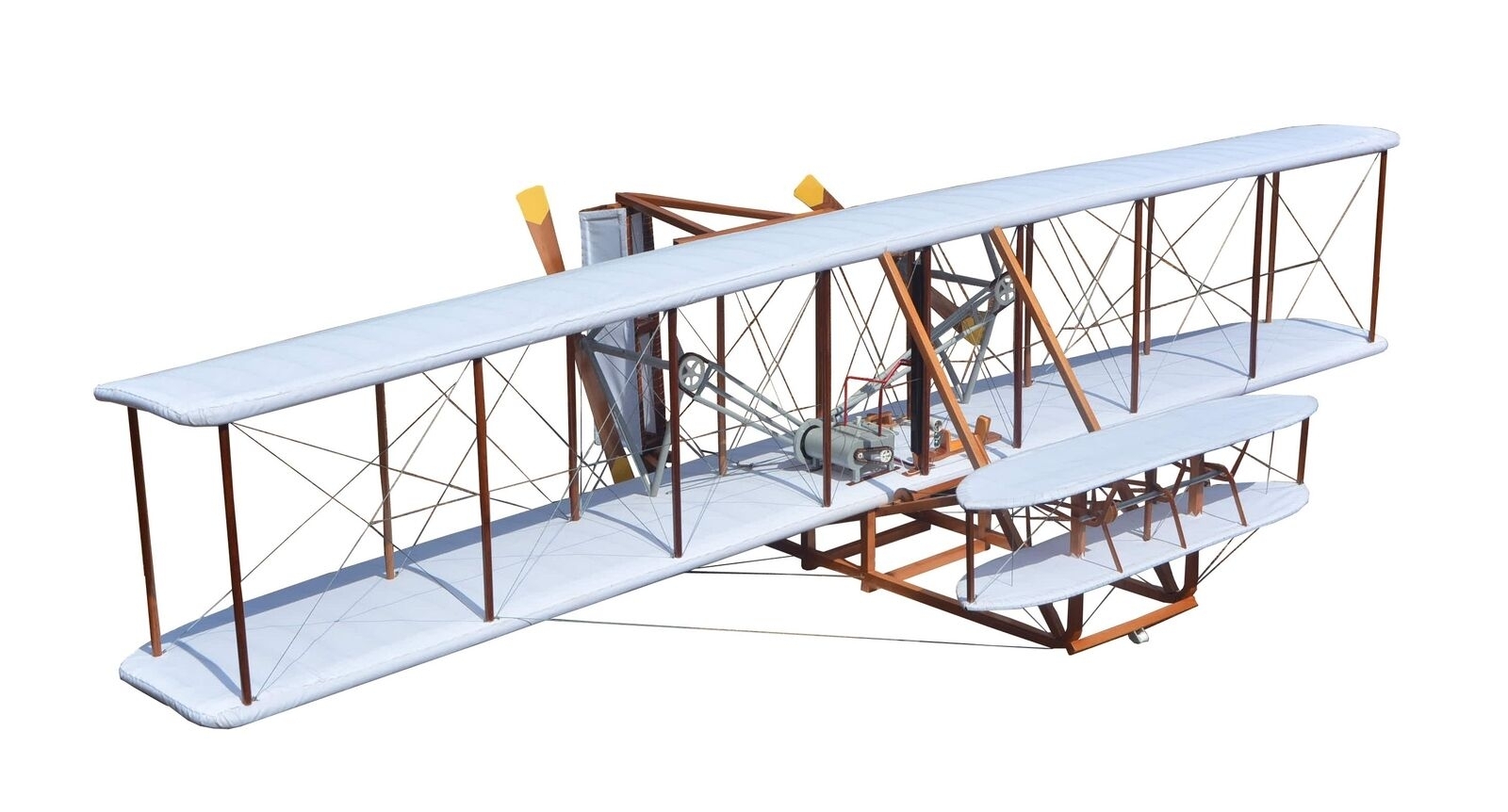
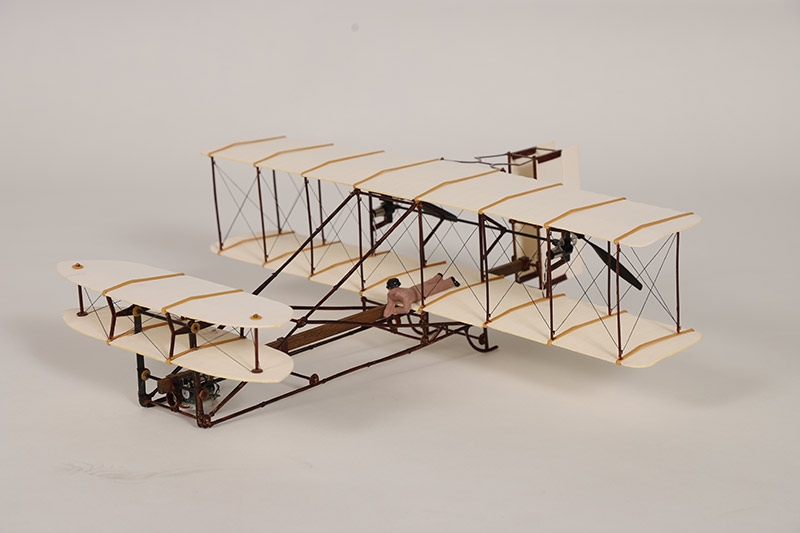
First Flight: Inside the Wright Brothers Historic Design

The Wright brothers’ first powered airplane, the Wright Flyer, achieved controlled flight on December 17, 1903, at Kill Devil Hills near Kitty Hawk, North Carolina. Orville and Wilbur were inspired by earlier aviation pioneers and by observing birds. They focused on control and stability, not just engine power, which had hindered prior inventors. Their breakthrough was a three-axis control system: a forward elevator for pitch, a rear rudder for yaw, and wing-warping for roll. Wing-warping twisted the wingtips via cables attached to the pilot’s hip cradle, rolling the airplane side to side. The elevator tilted the nose up or down, controlling pitch. The rudder turned the plane left or right, controlling yaw for directional changes without losing balance. Together, these controls allowed the pilot to maneuver safely in all three dimensions. Construction took about three years, from 1900 glider experiments to the powered prototype. The airframe used spruce and ash, with muslin stretched over the wings. Components were hand-shaped with saws, planes, and chisels. The 12-horsepower gasoline engine powered two chain-driven wooden propellers on a reinforced frame. To refine designs, the Wrights built a wind tunnel in Dayton: a small wooden box with a fan producing airflow, a track for miniature wings, and a balance to measure lift and drag. Many airfoil shapes were tested before full-scale construction. A wooden launch rail helped smooth takeoffs. On December 17, 1903, the Flyer’s first flight covered 120 feet in 12 seconds; later flights reached 852 feet. Afterward, the Wrights developed the 1904 Flyer II and 1905 Flyer III, with stronger frames, more powerful engines, refined control surfaces, and longer-range capabilities. The Flyer proved that mastery of three-axis control: roll, pitch, and yaw and careful engineering, including wind-tunnel testing, was essential to powered flight. laying the foundation for modern aviation. #USHistory #History #America #Aviation

First Flight: Inside the Wright Brothers Historic DesignFirst Flight: Inside the Wright Brothers Historic DesignFirst Flight: Inside the Wright Brothers Historic DesignFirst Flight: Inside the Wright Brothers Historic DesignFirst Flight: Inside the Wright Brothers Historic DesignFirst Flight: Inside the Wright Brothers Historic Design
You've reached the end!