OneWordStudy+FollowOne Hebrew word changed how I understand being forgotten. In English, forgotten sounds final. Out of sight. Out of mind. But the Hebrew Bible uses the word zakar. It means to remember with intention. When Scripture says God remembers someone, it does not mean He recalled information. It means He chose to act. This matters when you feel overlooked. When your prayers feel unanswered. When your life feels less visible than before. Zakar reminds us that silence does not equal neglect. Being unseen by people does not mean being absent from God’s attention. #BibleStudy #HebrewWord #RememberedByGod #Waiting #QuietFaith226Share
OneWordStudy+FollowOne Hebrew word changed how I understand fear. In English, fear usually sounds like panic. Something sudden. Something irrational. But in Psalm 56:3, David says, “When I am afraid, I put my trust in you.” The Hebrew word for afraid here is yare’. Yare’ doesn’t describe panic. It describes awareness. The clear recognition that something is bigger than you. This kind of fear often shows up quietly. When health feels uncertain. When the future looks narrower than it used to. When control slips, little by little. David doesn’t pretend fear disappears before faith begins. Fear comes first. Trust follows. Yare’ reminds us that fearing God doesn’t mean you stop fearing life. It means you decide where to place that fear. #BibleStudy #HebrewWord #FearAndFaith #SpiritualAnxiety #ChristianComfort191Share
OneWordStudy+FollowOne Greek word changed how I think about patience. In English, patience sounds polite. Quiet endurance. Saying nothing. But Romans 5:4 uses the Greek word hypomonē. It means remaining under. Not escaping pressure. Not rising above it. But staying when leaving would be easier. This kind of patience often marks long lives. You stayed through seasons that didn’t improve. You endured things that never got resolved. Hypomonē is not about temperament. It is about courage. Scripture doesn’t praise patience because it feels noble. It praises patience because it costs something. #BibleStudy #GreekWord #Patience #Endurance #FaithOverTime82Share
OneWordStudy+FollowOne Hebrew word changed how I understand weakness. In English, weakness sounds like deficiency. Something to fix. Something to hide. But Psalm 73 uses the Hebrew word kalah. It means being worn thin. Not broken. Not failed. Just used for a long time. This word fits people who have lived faithfully for decades. You didn’t collapse. You didn’t quit. You just don’t feel strong the way you used to. Scripture doesn’t shame this condition. It names it. Kalah says weakness is not always a crisis. Sometimes it’s simply the result of staying. #BibleStudy #HebrewWord #Weakness #SpiritualFatigue #FaithAndAging62Share
OneWordStudy+FollowOne Greek word changed how I see hope. In English, hope sounds optimistic. Positive thinking about the future. But Hebrews 6:19 uses the word elpis. Elpis is not confidence. It is expectation held in uncertainty. Hope, in Scripture, does not deny risk. It exists because risk is real. This matters when the future feels unclear. When outcomes are no longer exciting, just unknown. When hope feels quieter than it used to. Elpis tells us that hope doesn’t require enthusiasm. It only requires direction. #BibleStudy #GreekWord #HopeInUncertainty #ChristianHope #FaithJourney62Share
OneWordStudy+FollowOne Hebrew word changed how I understand silence. In English, silence sounds empty. Awkward. Unanswered. But Lamentations uses the Hebrew word damam. It means intentional stillness. Not absence. Not neglect. But restraint. Damam often appears when words would fail. When explanations would hurt more than help. When waiting is kinder than speaking. Scripture shows that silence is sometimes not God withdrawing. It is God holding space. Damam reminds us that not every quiet moment is abandonment. #BibleStudy #HebrewWord #Silence #WaitingOnGod #QuietFaith232Share
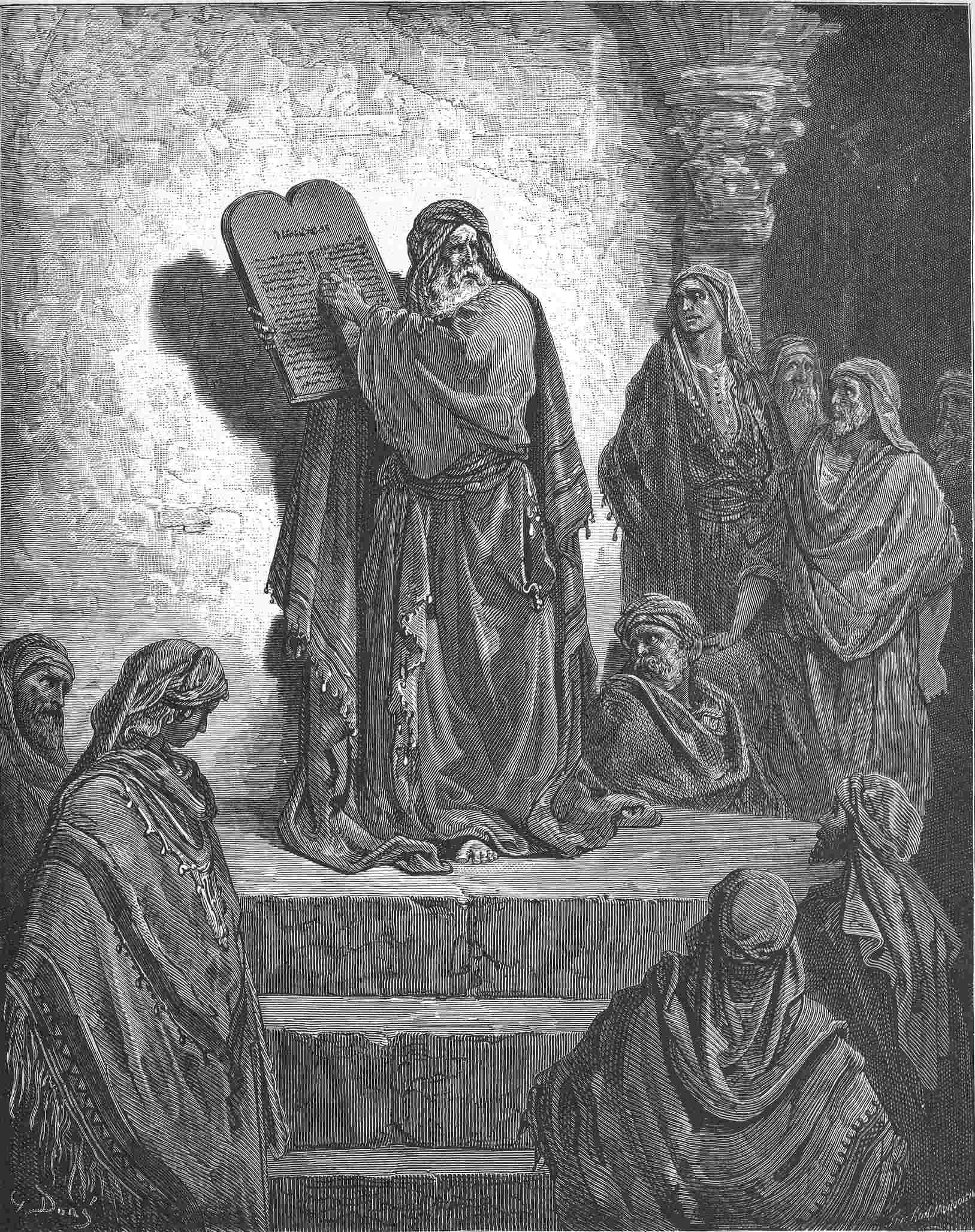
The Verse You Skipped+FollowI almost skipped Ezra 2. It was just another list… or so I thought. Ezra chapter 2 looks painfully familiar. Names. Numbers. Families counted line by line. It feels like déjà vu from other genealogies, so I almost moved on. Then I noticed verse 63. Some people couldn’t prove their ancestry. They weren’t rejected outright. They were told to wait—until God could confirm their place. This list isn’t about exclusion. It’s about belonging handled with care. God didn’t rush judgment. He made room for uncertainty. For anyone who’s ever wondered Do I really belong here? This forgotten chapter quietly says: wait. God hasn’t finished speaking yet. #BibleStudy #TheVerseYouSkipped #Ezra #Belonging #Grace #ScriptureReading101Share
The Verse You Skipped+FollowI skipped Deuteronomy 2 for years. I didn’t realize it was about patience. Deuteronomy 2 feels like travel notes. Who went where. Who passed by whom. Nothing dramatic. But verse 7 reframed everything. Israel wandered for forty years, yet God says, “You have lacked nothing.” They weren’t stalled. They were sustained. This chapter taught me that delay doesn’t mean neglect. Silence doesn’t mean absence. Sometimes God is doing His deepest work while nothing seems to be happening at all. #BibleStudy #TheVerseYouSkipped #Deuteronomy #Trust #FaithJourney #Scripture595Share
The Verse You Skipped+FollowI almost skipped Job 7. It felt like complaining. Job 7 is raw. Restless nights. Endless questions. Words spoken from exhaustion. I thought, This is just despair. Then verse 17 caught me off guard. Job still addresses God directly. He doesn’t turn away. He speaks to Him. This chapter reminded me: honest anguish is not faithlessness. It’s relationship under strain. God allowed Job’s unfiltered words into Scripture. That alone tells me I don’t have to clean up my prayers. #BibleStudy #TheVerseYouSkipped #Job #HonestPrayer #FaithAndSuffering #BibleReflection60Share
The Verse You Skipped+FollowI skipped Amos 4 because it sounded like judgment. I missed the mercy. Amos 4 is intense. Warnings stacked on warnings. Disaster after disaster. I didn’t feel like reading it. But verse 11 stopped me cold. After every correction, God says, “Yet you did not return to me.” That line isn’t anger. It’s heartbreak. Judgment here isn’t God losing patience. It’s God reaching out—again and again. Even in the hardest chapters, God is still inviting people back. #BibleStudy #TheVerseYouSkipped #Amos #GodsHeart #Repentance #ScriptureInsight143Share