The Verse You Skipped+FollowI almost skipped Luke 10. It looked like rules for helpers. Luke 10 begins with instructions for the seventy. Where to go. What to carry. I thought it was just logistical. Then verse 27 hit me: “Love the Lord your God… love your neighbor as yourself.” Everything else is practical, but the heart is relational. God doesn’t just want workers; He wants hearts aligned with love. This chapter reminded me: service without love is empty. Even in instructions, God teaches heart transformation. #BibleStudy #TheVerseYouSkipped #Luke #Love #FaithInAction #Grace372Share
The Verse You Skipped+FollowI skipped Hosea 11. I thought God had given up. Hosea 11 talks about Israel’s repeated failure. Rebellion after rebellion. I almost stopped reading. Then verse 8 stunned me: “I will not carry out my fierce anger; I will not destroy Ephraim.” God’s compassion interrupts judgment. Even when people constantly mess up, God’s heart is still for restoration. This chapter reminded me: failure is not final. Mercy can outlast mistakes. #BibleStudy #TheVerseYouSkipped #Hosea #Mercy #Grace #BibleReflection172Share
The Verse You Skipped+FollowI almost skipped Ruth 1. It felt like loss. Ruth 1 begins with tragedy. Widowhood. Famine. Uncertainty. I almost closed the book. Then verse 16 whispered truth: “Where you go, I will go.” Ruth’s loyalty isn’t flashy. It doesn’t make headlines. It quietly rewrites a future. This chapter reminded me: even in endings, God can plant beginnings. Even in grief, love shows a path forward. #BibleStudy #TheVerseYouSkipped #Ruth #Loyalty #Grace #FaithJourney70Share
The Verse You Skipped+FollowI skipped Numbers 21. I didn’t expect hope in pain. Numbers 21 is all battles and complaints. Snakes bite. People grumble. Death looms. I wanted to scroll past it. Then verse 8 stood out. God tells Moses to make a bronze snake—look up, and live. Even in punishment, there is a pathway to life. Even in frustration, there is hope. This chapter reminded me: when life feels like a bite you can’t escape, God still offers a way to healing. #BibleStudy #TheVerseYouSkipped #Numbers #Hope #Grace #FaithInPain31Share
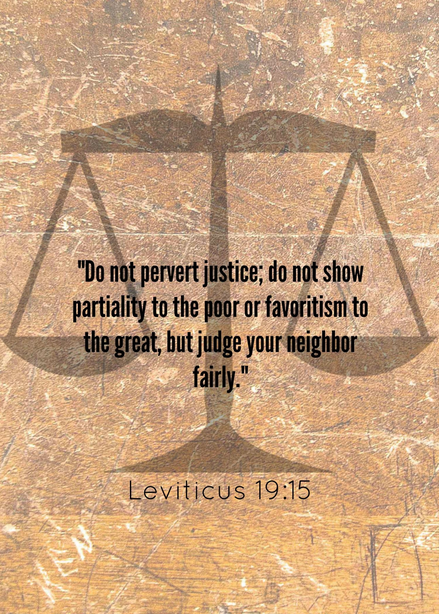
The Verse You Skipped+FollowI almost skipped Leviticus 19. I thought it was just rules. Leviticus 19 reads like a long to-do list. Don’t steal. Don’t lie. Be holy. So many “don’ts” that my eyes glazed over. Then verse 18 stopped me cold: “Love your neighbor as yourself.” Everything else is context. All the rules point to this one heartbeat. This chapter reminded me that obedience isn’t about perfection. It’s about care, intentionally extended to others. Even in the most overwhelming instructions, God’s heart is simple: love. #BibleStudy #TheVerseYouSkipped #Leviticus #LoveYourNeighbor #Grace #FaithJourney 427Share
OneWordStudy+FollowOne Hebrew word changed how I think about waiting for healing. In English, waiting can feel passive. Like nothing is happening. But in Isaiah 30:18, the Hebrew word kavah is used. It means to bind together, like ropes under tension. Waiting is not empty; it is active and connected. This is familiar when healing is slow. When the body hurts longer than hoped. When prayers for recovery stretch over years. Kavah reminds us: waiting is not doing nothing. It is trusting while staying intertwined with God’s timing. #BibleStudy #HebrewWord #WaitingOnGod #Healing #FaithAndAging354Share
OneWordStudy+FollowOne Greek word changed how I see being misunderstood. In English, misunderstood sounds frustrating. Like people just don’t “get” you. But 1 Peter 3:16 uses the word adikos. It means treated unfairly, though nothing wrong is done. This is familiar for believers who speak honestly, yet are judged for their words or faith. Who feel invisible in conversations where truth is twisted. Scripture does not shame those treated adikos. It records it. Adikos reminds us that being misunderstood is not always your fault. It may be a sign you are standing for something true. #BibleStudy #GreekWord #BeingMisunderstood #FaithAndLife #ChristianComfort51Share
OneWordStudy+FollowOne Greek word changed how I see disappointment. In English, disappointment sounds like failure. Something that should be avoided or hidden. But Romans 9:20 uses the word aporia. It means a state of being perplexed. Not a problem to fix, but a tension to live with. This is familiar to long-time believers. When prayers seem unanswered. When promises feel delayed. When expectations meet reality. Scripture does not erase aporia. It names it. Aporia reminds us that disappointment is not evidence of God’s absence. It is evidence that life is complicated—and God is present in the tension. #BibleStudy #GreekWord #Disappointment #FaithAndLife #ChristianComfort152Share
OneWordStudy+FollowOne Hebrew word changed how I understand feeling invisible. In English, invisible sounds like a superpower. But for many older believers, it feels painful. Psalm 102:2 says, “Do not hide your face from me in the day of my distress.” The Hebrew word behind “hide” is khasah. Khasah means to cover intentionally. Not lost. Not forgotten. But quietly unseen. This feeling shows up when years of faithful service go unacknowledged. When your advice is ignored. When you feel overlooked by those you love most. The psalmist doesn’t pretend this is easy. He names it to God. Khasah reminds us: Feeling unseen by people does not mean God has turned away. #BibleStudy #HebrewWord #FeelingInvisible #FaithAndAging #ChristianComfort60Share
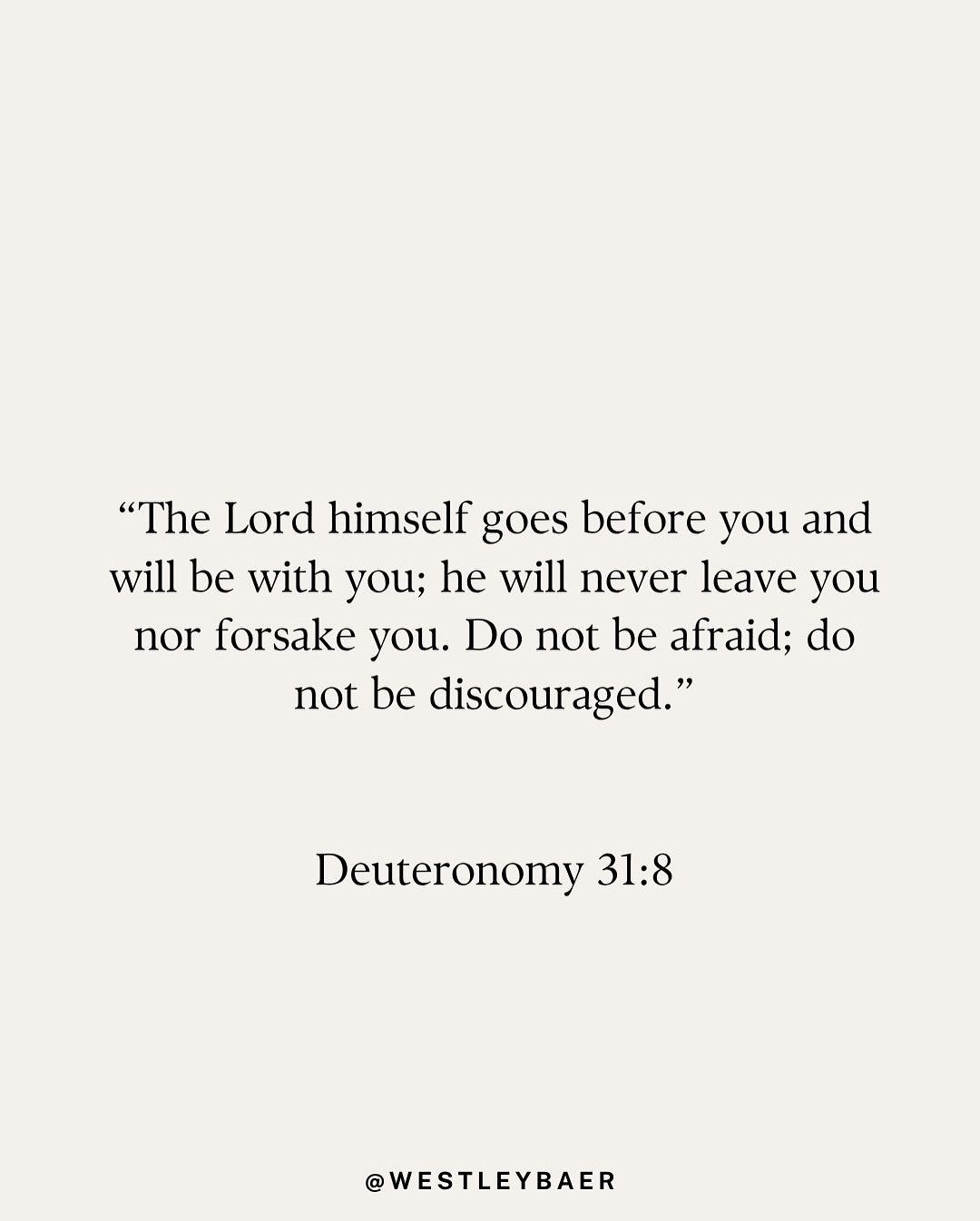
Dawn Flores+FollowDo Not Be Afraid“The Lord himself goes before you and will be with you; he will never leave you nor forsake you. Do not be afraid; do not be discouraged.” -Deuteronomy 31:8 • • #jesus #bibleverse #relationships #faith #trust #prayer #christian #fyp #biblestudy #bible #promise1026Share