Tag Page BlackExcellence

#BlackExcellence
LataraSpeaksTruth

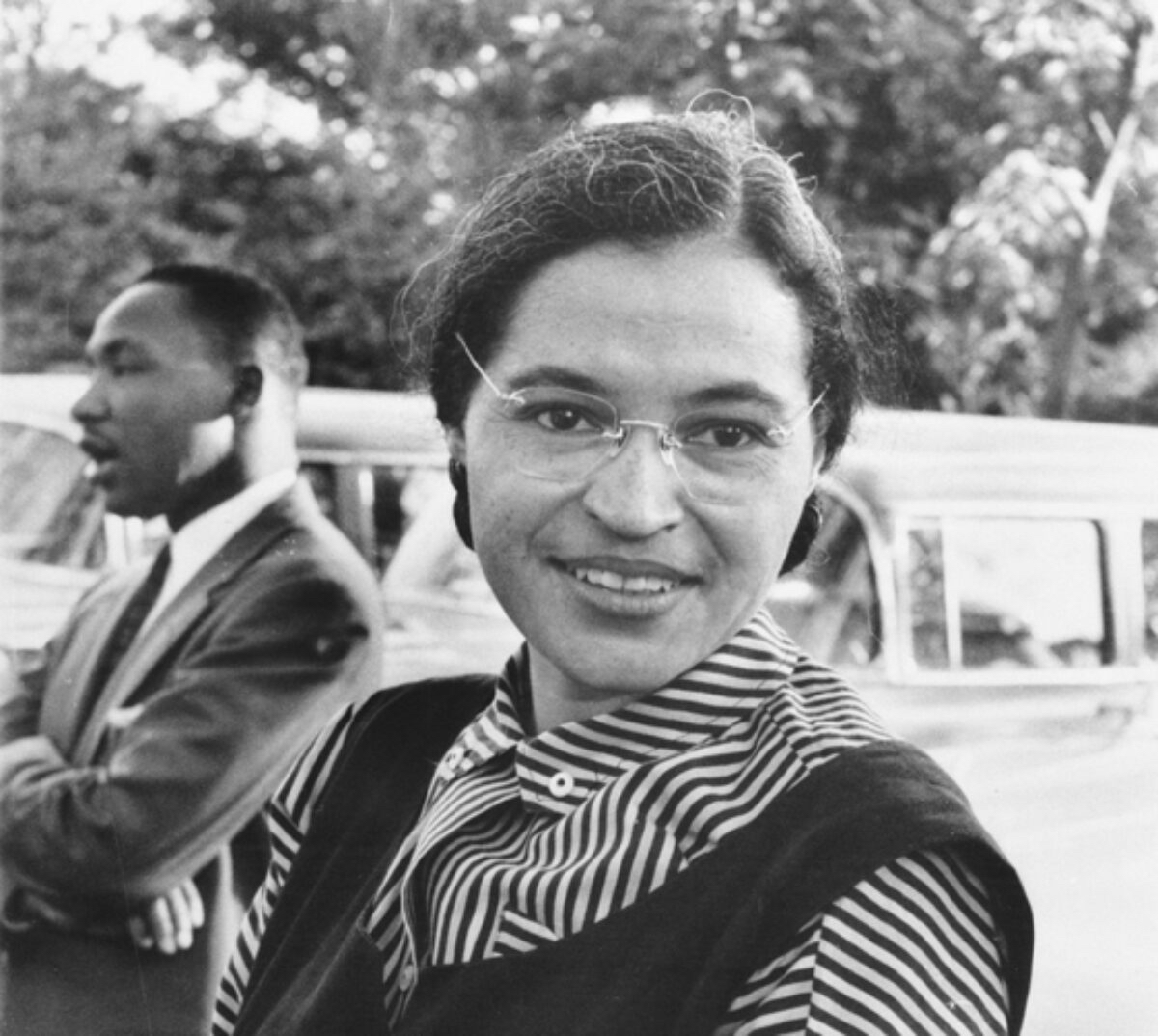
🚌Before Rosa Sat, Claudette Already Had.

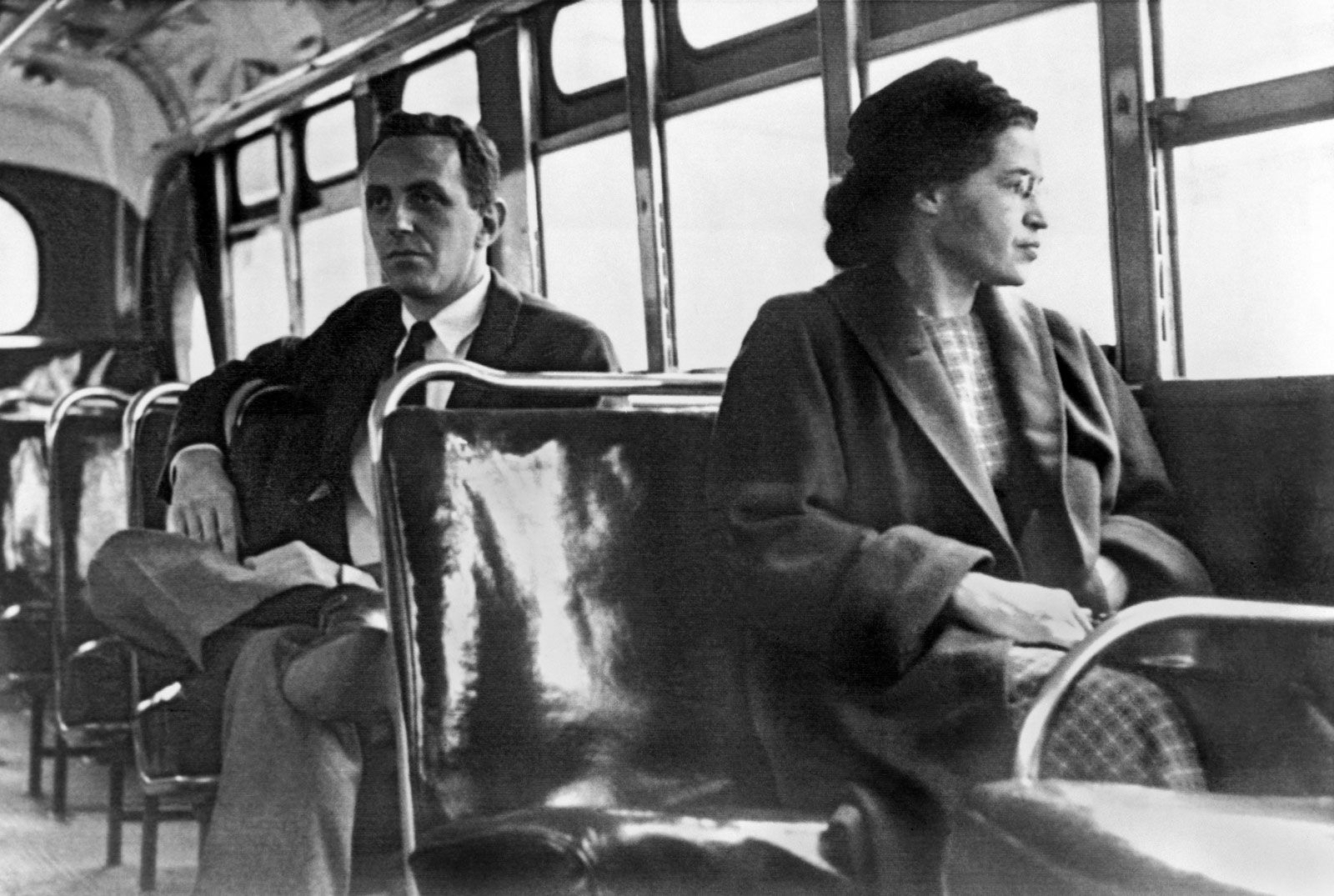
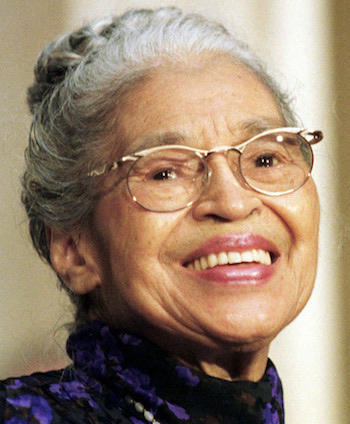
Nine months before Rosa Parks made history, a 15-year-old girl named Claudette Colvin refused to give up her seat on a Montgomery bus. She was young, bold, and fearless, but the movement wasn’t ready to rally behind her. They called her “too rebellious,” “too dark,” “too unpolished.” So when Rosa Parks, a seasoned activist and NAACP secretary, made that same choice, the world finally paid attention. Not because the act was new… but because society decided who was allowed to represent it. Rosa knew the risk. She knew the story before hers. And she made her moment count, turning one woman’s refusal into a movement’s awakening. 🕊️ She passed away on this day in 2005, but her courage, and Claudette’s… still ripple through every generation learning that “quiet” does not mean “compliant”. #ClaudetteColvin #RosaParks #BlackHistory #CivilRights #LataraSpeaksTruth #WomenOfCourage #HiddenFigures #KnowYourHistory #BlackExcellence #LegacyAndTruth

🚌Before Rosa Sat, Claudette Already Had.
LataraSpeaksTruth

William Augustus Hinton 1883 to 1959 was a pioneering bacteriologist, pathologist, and educator whose work helped shape modern public health in the United States. Born on December 15, 1883, Hinton came of age during a time when medical education and scientific research were largely inaccessible to Black Americans. Despite those barriers, he earned his degrees at Harvard University and went on to make contributions that would save countless lives. Hinton is best known for developing what became known as the Hinton test, a blood test used to detect syphilis. At a time when existing tests were often unreliable, his method stood out for its accuracy and consistency. The test was adopted widely by public health departments and hospitals across the country, becoming a standard tool in disease detection and prevention. Beyond the laboratory, Hinton was a dedicated educator. He taught at Harvard Medical School for decades, training generations of physicians in bacteriology and pathology. In 1949, after years of teaching and research, he became the first Black professor in Harvard’s history, a milestone that reflected not a sudden breakthrough but a lifetime of quiet excellence. Hinton also authored a major medical textbook that further shaped laboratory medicine and public health practice. His legacy lives not only in scientific innovation but in the doors he opened through persistence, rigor, and commitment to saving lives. #WilliamAugustusHinton #MedicalHistory #PublicHealth #HarvardHistory #BlackExcellence #HiddenFigures #ScienceHistory #OnThisDay #HealthInnovation #LaboratoryMedicine
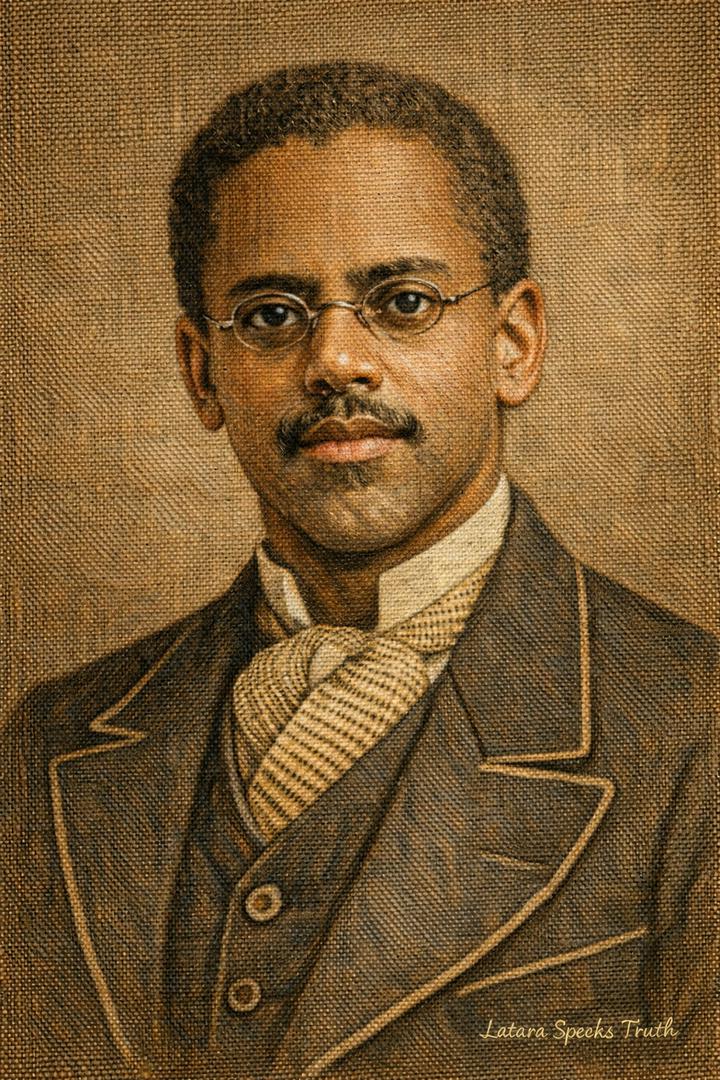
LataraSpeaksTruth

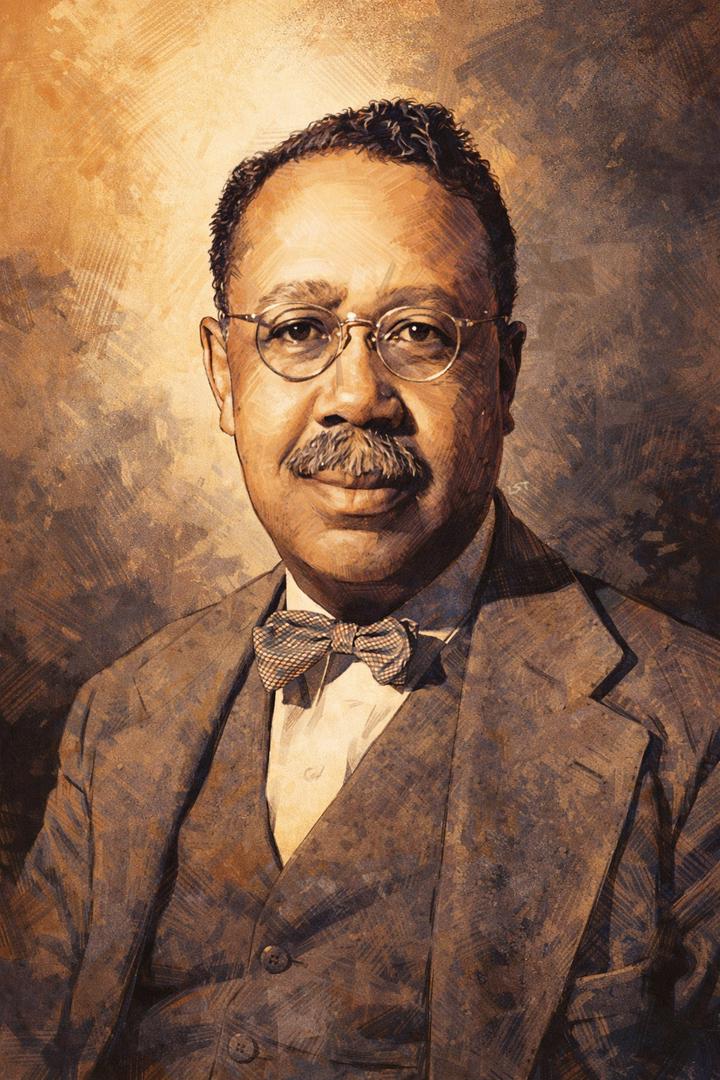
Edward Brooke’s journey didn’t begin with a viral moment or a spotlight. It began at Howard University, where he earned his undergraduate degree in 1941 at a time when Black excellence was expected to survive quietly, not be celebrated. Howard wasn’t just a campus. It was a proving ground for minds forced to understand systems never designed for them. Brooke left with discipline and direction, then stepped into World War II, serving as a U.S. Army officer and returning home with a Bronze Star and a sharper understanding of the country he was expected to serve. After the war, Brooke earned his law degree from Boston University School of Law in 1948. No shortcuts. No favors. Just credentials, patience, and persistence layered over experience. That steady climb carried him somewhere the system never expected him to land. In 1966, Edward Brooke became the first Black U.S. senator elected by popular vote. Not appointed. Not inherited. Voted in. By the people. In Massachusetts. His rise mattered because it wasn’t loud. It was deliberate. He didn’t break the system with spectacle. He forced it to acknowledge him through preparation and endurance. In a country built to block the stairs, he climbed them anyway. Step by step. Howard wasn’t the finish line. It was the foundation. And the rest of the story proves that history doesn’t always announce itself. Sometimes it shows up early, does the work quietly, and waits decades for the room to change. #OnThisDay #December11 #EdwardBrooke #HowardUniversity #BostonUniversityLaw #USHistory #PoliticalHistory #CivilRightsEra #BlackExcellence
LataraSpeaksTruth

On December 21, 1991, the Chicago Bulls were deep into a season that would further solidify their place in sports history. Just months earlier, they had captured their first NBA championship, and the momentum had not slowed. Late-December games during this period were not about standings alone. They were part of a broader moment where basketball became global theater. At the center of it all was Michael Jordan. By the winter of 1991, Jordan was no longer just an elite athlete. He was a cultural force. His performances were broadcast worldwide, his image saturated advertising, and his presence helped redefine how Black excellence was seen and consumed in American media. Each game added to a growing mythology built on skill, discipline, and relentless competitiveness. The Bulls were not a one man story. With Scottie Pippen emerging as a dominant two-way force and a roster built on chemistry and trust, the team represented a new model of excellence. They played with confidence, control, and a visible belief that they belonged on the biggest stage every night. Late December games like those played around December 21 mattered because they kept that image in constant rotation. Winter broadcasts, packed arenas, and national attention reinforced the idea that greatness was not seasonal or situational. It was consistent. For many viewers, especially young fans watching from afar, this era shaped how they understood achievement, leadership, and representation. By the end of the 1991–1992 season, the Bulls would repeat as champions. But long before the trophy was lifted, moments like December 21 were already doing the work. They were building legacy in real time. #ChicagoBulls #MichaelJordan #NBAHistory #SportsCulture #BlackExcellence

Dashcamgram

That’s how you give back with purpose. Moneybagg Yo is being praised after donating $20,000 to a Memphis-based youth program that supports teen parents working to finish school. The donation hit home for many, especially knowing Moneybagg Yo was raised by a teen mother himself. People are saying this isn’t just charity — it’s full-circle impact. By investing in young parents, he’s helping break cycles, keep teens in school, and give families a real chance at stability. Supporters are applauding him for putting money back into the same city that shaped him, while others are pointing out how powerful it is when public figures support education and parenting at the same time. Moments like this spark bigger conversations about community responsibility, generational change, and what real leadership looks like beyond music. Memphis isn’t just where he’s from — it’s who he’s still showing up for. #MoneybaggYo #Memphis #GivingBack #CommunityImpact #TeenParents #EducationMatters #BlackExcellence #HipHopGivesBack #PositiveNews

LataraSpeaksTruth

On January 13, 1990, L. Douglas Wilder was sworn in as governor of Virginia, becoming the first African American ever elected governor of any U.S. state. That moment did not arrive wrapped in celebration alone. It arrived heavy with history, expectation, and the quiet understanding that something permanent had just shifted. Virginia was not a neutral stage. It was a former capital of the Confederacy, a state shaped by laws and customs designed to keep power narrowly held. Wilder did not inherit that history. He confronted it directly by winning. No appointment. No workaround. Just votes, counted and certified, placing him in an office that had never before been occupied by someone who looked like him. The significance of that day stretched far beyond Richmond. Wilder’s inauguration challenged a long-standing assumption about who could govern at the highest levels of state power. It forced institutions to reconcile with the fact that progress was no longer theoretical. It was sworn in, standing at the podium, ready to lead. Being first came with scrutiny. Every decision carried symbolic weight. Every misstep risked being treated as confirmation rather than context. Yet Wilder governed with precision and restraint, focusing on fiscal responsibility, education, and public safety, refusing to perform history instead of making it. January 13, 1990 stands as a reminder that progress does not always arrive loudly. Sometimes it arrives formally, constitutionally, and undeniably. A door once closed did not creak open. It swung, and it stayed that way. #OnThisDay #January13 #USHistory #PoliticalHistory #VirginiaHistory #HistoricFirst #AmericanLeadership #BlackExcellence #HistoryMatters

You've reached the end!
Tag: BlackExcellence - Page 2 | LocalAll