Tag Page BlackHistory

#BlackHistory
LataraSpeaksTruth

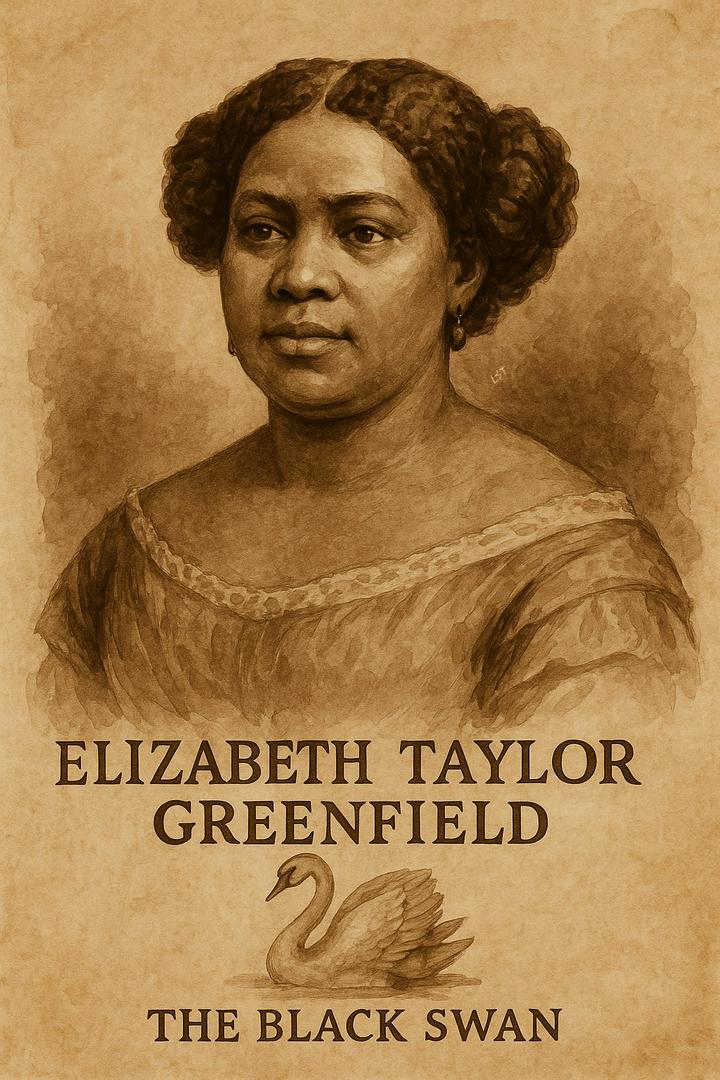
Elizabeth Taylor Greenfield: The Black Swan Who Sang Against the Odds

Elizabeth Taylor Greenfield came into this world in 1824, born enslaved in Mississippi. Fate pulled her north as a child, and in Philadelphia she found something no chain could hold back: a voice built to shake ceilings. Stages in her era were not just closed to Black women; they were practically walled off. Yet Greenfield stepped up anyway. People said her range stretched from velvet-deep contralto to bright soprano, like she carried two singers inside one body. In 1851, she made her public debut in Buffalo, New York, and from that moment the road called her forward. Everywhere she traveled, she met resistance. Racist policies. Barred doors. Crowds that could not see past her skin. But she kept singing, and her voice kept winning rooms over. By 1853, she crossed the Atlantic to London, performing at Exeter Hall and earning the respect of Britain’s elite. She did not need a queen in the audience to stand on one of the grandest stages of her time. She was a Black woman refusing to dim her light. Greenfield did not just sing; she carved out space where none existed. Her legacy stands as proof that Black artistry has never waited for permission. She broke ground that generations of performers would later walk with pride. #GoneButNotForgotten #TheBlackSwan #ElizabethTaylorGreenfield #LataraSpeaksTruth #BlackHistory #MusicLegends

Elizabeth Taylor Greenfield: The Black Swan Who Sang Against the Odds
LataraSpeaksTruth

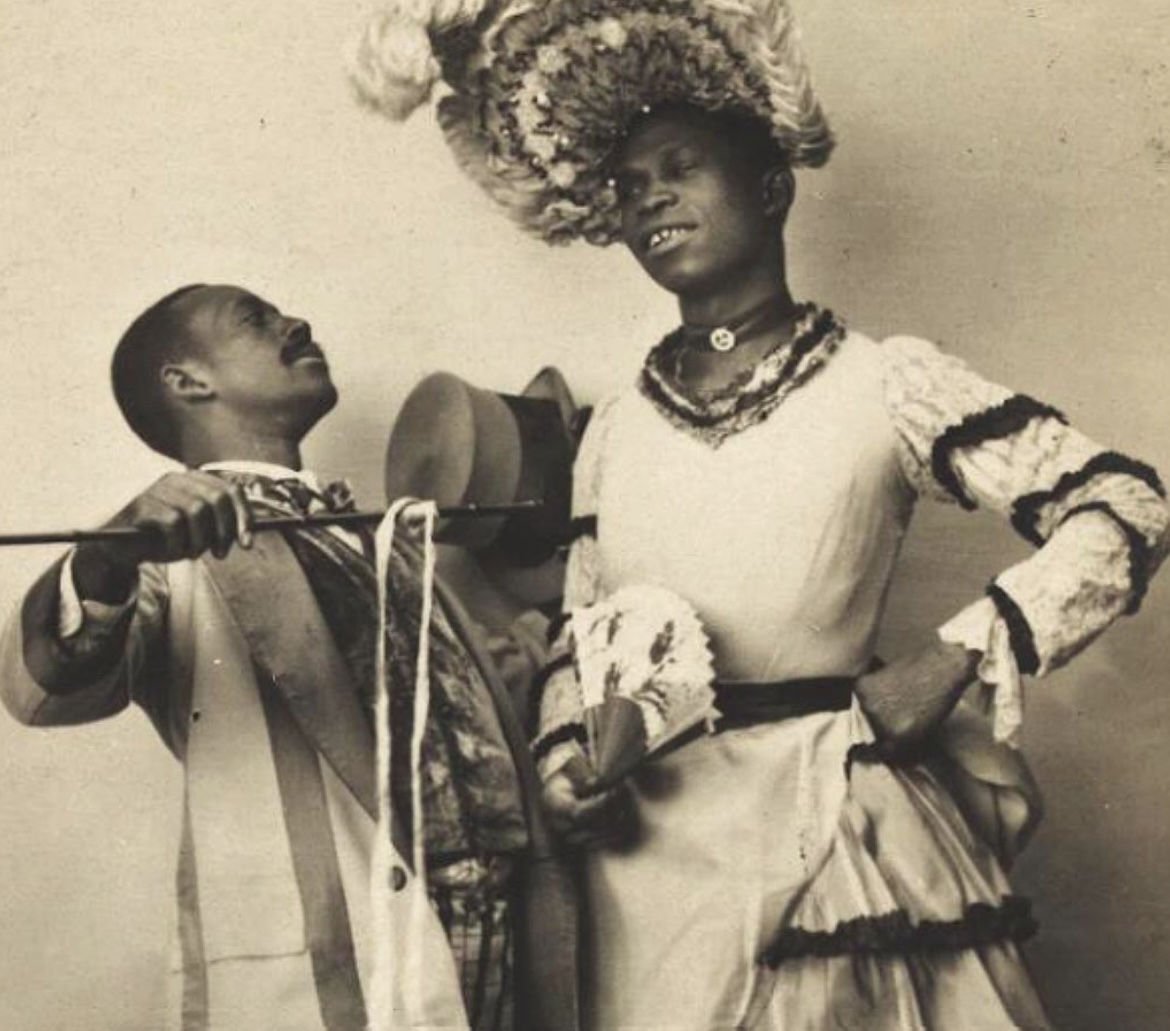
WILLIAM DORSEY SWANN: A HIDDEN FIGURE IN AMERICAN HISTORY

William Dorsey Swann’s name rarely appears in history books, but his story reaches back to the late 1800s. Born into slavery in 1860, Swann stepped into freedom determined to create space for people who lived on the margins. In Washington D.C. he organized private gatherings now recognized as some of the earliest drag balls in the United States. These events were often targeted by police, leading to raids and arrests. Even in the face of that pressure, Swann defended his right to assemble and live openly, becoming the first known person in America to call himself a Queen of Drag. Whether someone agrees with the lifestyle or not, his courage and willingness to stand up to a hostile society make him a significant figure in Black history and in the early struggle for LGBTQ rights. His life shows how many different paths contributed to the broader fight for freedom in this country. A story from the past that reminds us how many different battles shaped American history. #WilliamDorseySwann #BlackHistory #AmericanHistory #LGBTQHistory #HistoricalFigures #CommunityVoices #UntoldStories #LataraSpeaksTruth

WILLIAM DORSEY SWANN: A HIDDEN FIGURE IN AMERICAN HISTORY
LataraSpeaksTruth

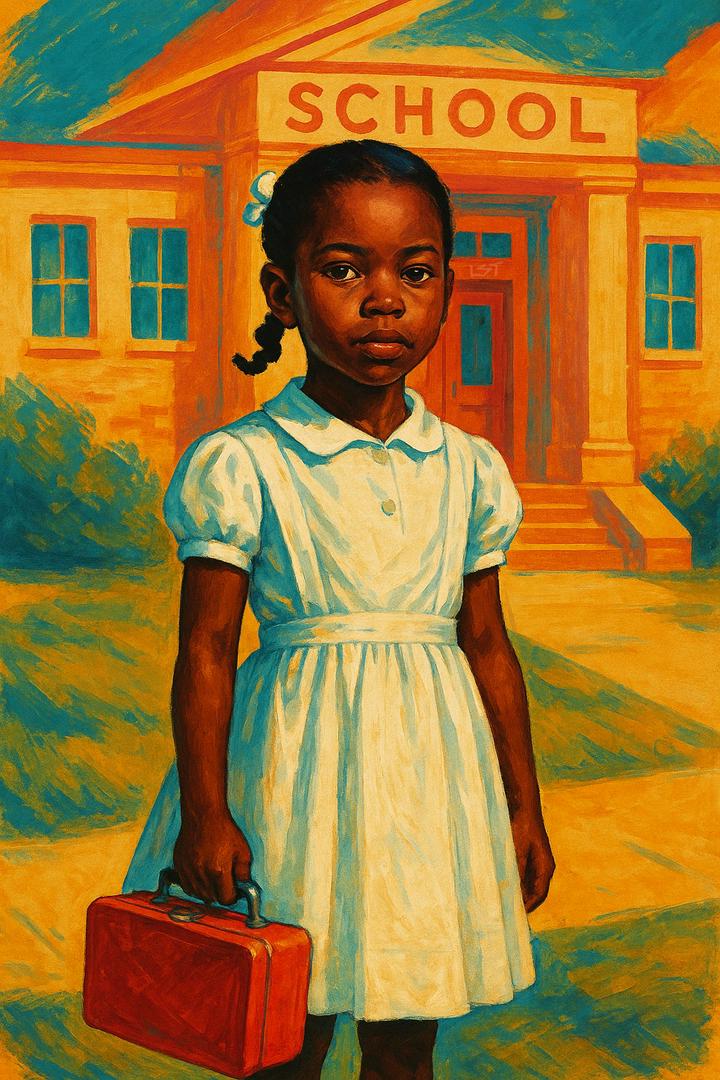
The Little Girl Who Moved a Nation

Ruby’s story hits like a drumbeat through history. Picture a tiny first-grader in 1960, rolling up to William Frantz Elementary in New Orleans with U.S. marshals flanking her like she’s the nation’s smallest superhero. Crowds spit hate, but Ruby? She keeps it moving, lunchbox swinging, spirit unbroken. Inside, every classroom is empty because white parents pulled their kids out. Only one teacher, Barbara Henry… has the backbone to teach her. So Ruby learns alone, day after day, in a school built for hundreds. Outside, the noise stays ugly, but Ruby prays for the people yelling at her. Wild level of grace for a six-year-old, honestly. That walk didn’t just open a school door. It cracked open the future. Ruby stood steady so generations of kids could sit together and learn without fear. Her steps still echo. Her courage still teaches. Her story? Still shaking the room. #RubyBridges #BlackHistory #AmericanHistory #CivilRightsEra #EducationHistory #LataraSpeaksTruth

The Little Girl Who Moved a Nation
LataraSpeaksTruth

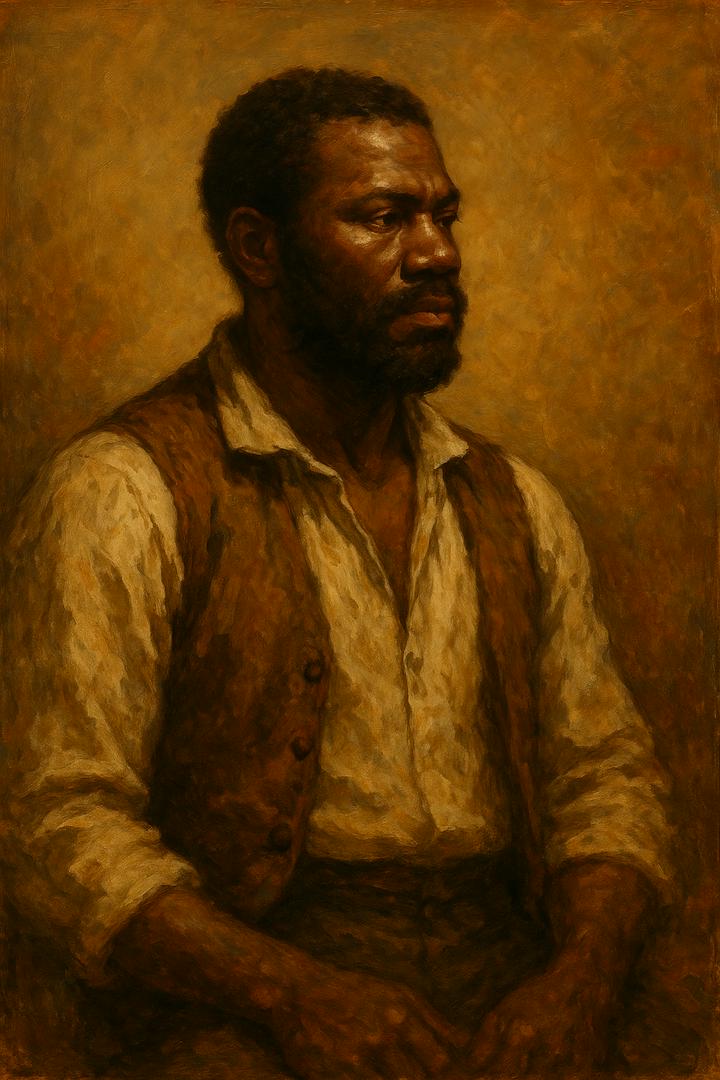
York… The Man History Tried to Forget

York was the only Black member of the Lewis and Clark Expedition, yet he returned home to the same bondage he left with. His strength, hunting skills, diplomacy, and endurance helped carry the Corps of Discovery through some of its hardest moments. While others received pay and praise, York received nothing. His story deserves to be remembered for what it is… the truth. York’s contributions were woven into every part of the expedition. He hunted for food, carried heavy loads, provided protection, and helped build relationships with Indigenous communities who showed him respect. Journals from the journey make it clear he worked just as hard as any man on the team. In many moments, he worked harder. Even so, he returned home with no credit and no reward. York’s role highlights how the story of America is often told without the voices of the people whose labor made survival possible. #York #LewisAndClark #HiddenHistory #AmericanHistory #BlackHistory #LataraSpeaksTruth

York… The Man History Tried to Forget
LataraSpeaksTruth

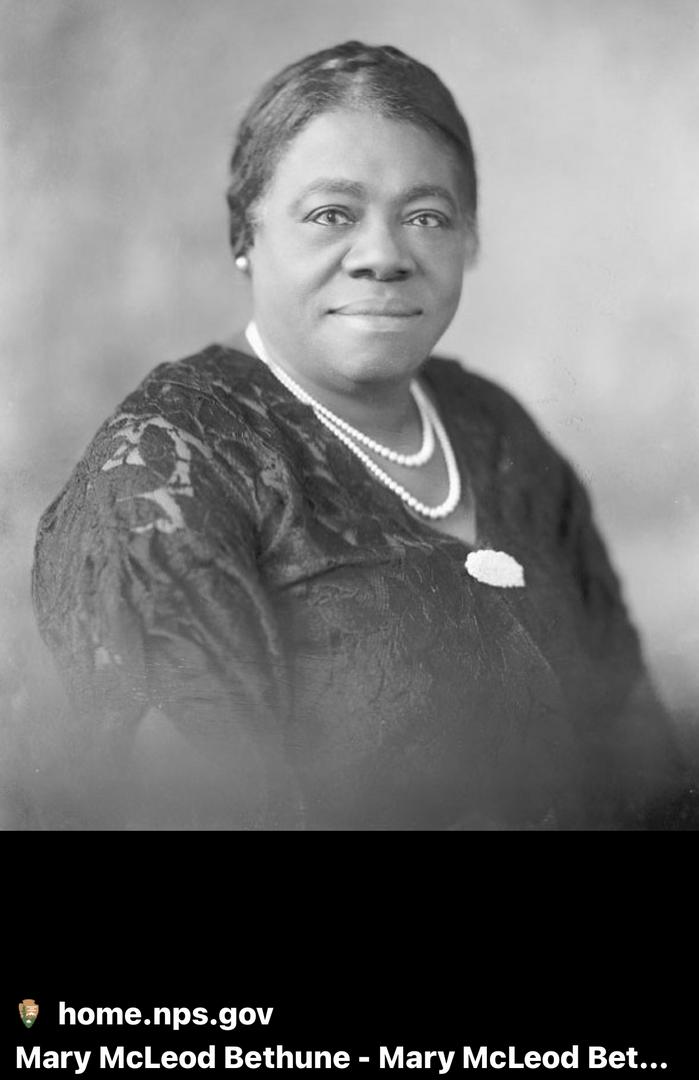
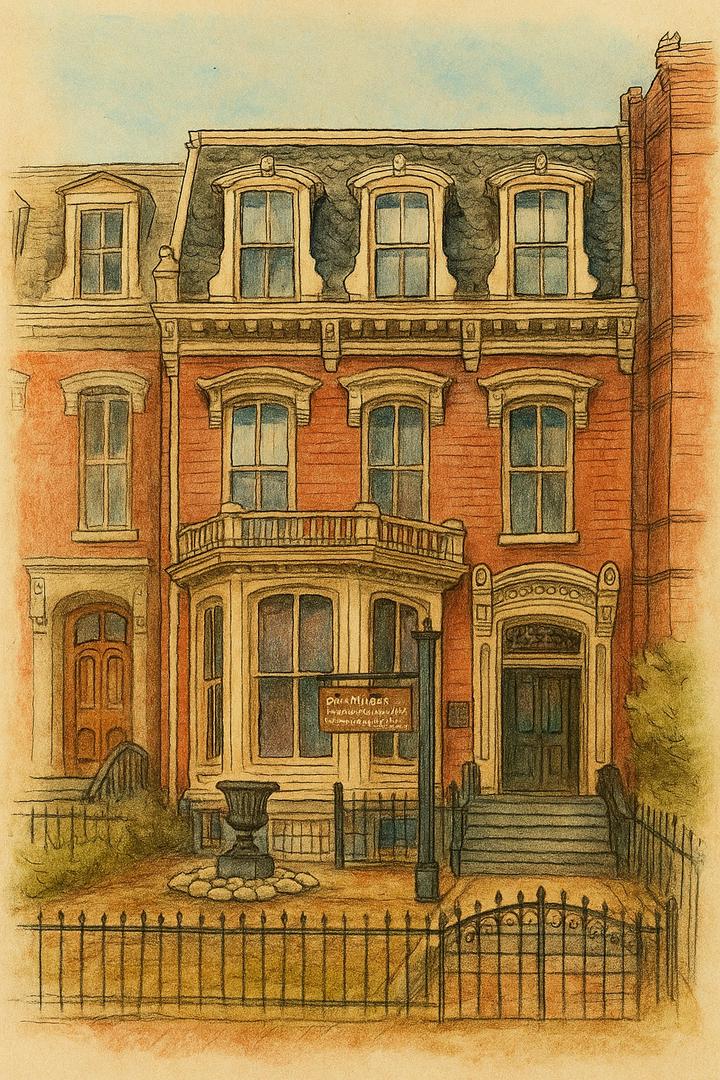
Preserving Her Legacy: The Birth of the National Archives for Black Women’s History

Mary McLeod Bethune never stopped building. Long after she founded the National Council of Negro Women in 1935 she realized something deeper was missing. The voices of Black women who shaped America were scattered in pieces across the country. Letters diaries speeches photos and records of a people who had built schools led marches raised communities and lifted generations were at risk of being forgotten. So she took action again. Out of that vision came the National Archives for Black Women’s History in Washington D.C. The archive was created to collect preserve and share the stories of African American women whose impact was too often ignored by mainstream institutions. It became the first national archive devoted entirely to documenting the achievements struggles and leadership of Black women throughout American history. Bethune’s own papers and those of the National Council of Negro Women became the foundation. From there the collection grew to include photographs letters oral histories and rare documents from educators activists and community leaders who changed the world in quiet and powerful ways. The National Archives for Black Women’s History stands today as a home for memory. Every file and photograph reminds us that our stories matter and that progress has roots. Bethune believed that education and history go hand in hand. She wanted future generations to see the strength of Black women not just in the pages of history books but in the evidence of their own hands and voices. Her vision was clear. What we do must be remembered. And through this archive her legacy keeps every name every story and every victory alive. A woman who built schools also built a home for our memories. #BlackHistory #MaryMcLeodBethune #WomensHistory #NABWH #CommunityVoices #LegacyLivesHere

Preserving Her Legacy: The Birth of the National Archives for Black Women’s HistoryPreserving Her Legacy: The Birth of the National Archives for Black Women’s History
LataraSpeaksTruth

Remembering James A. Hood

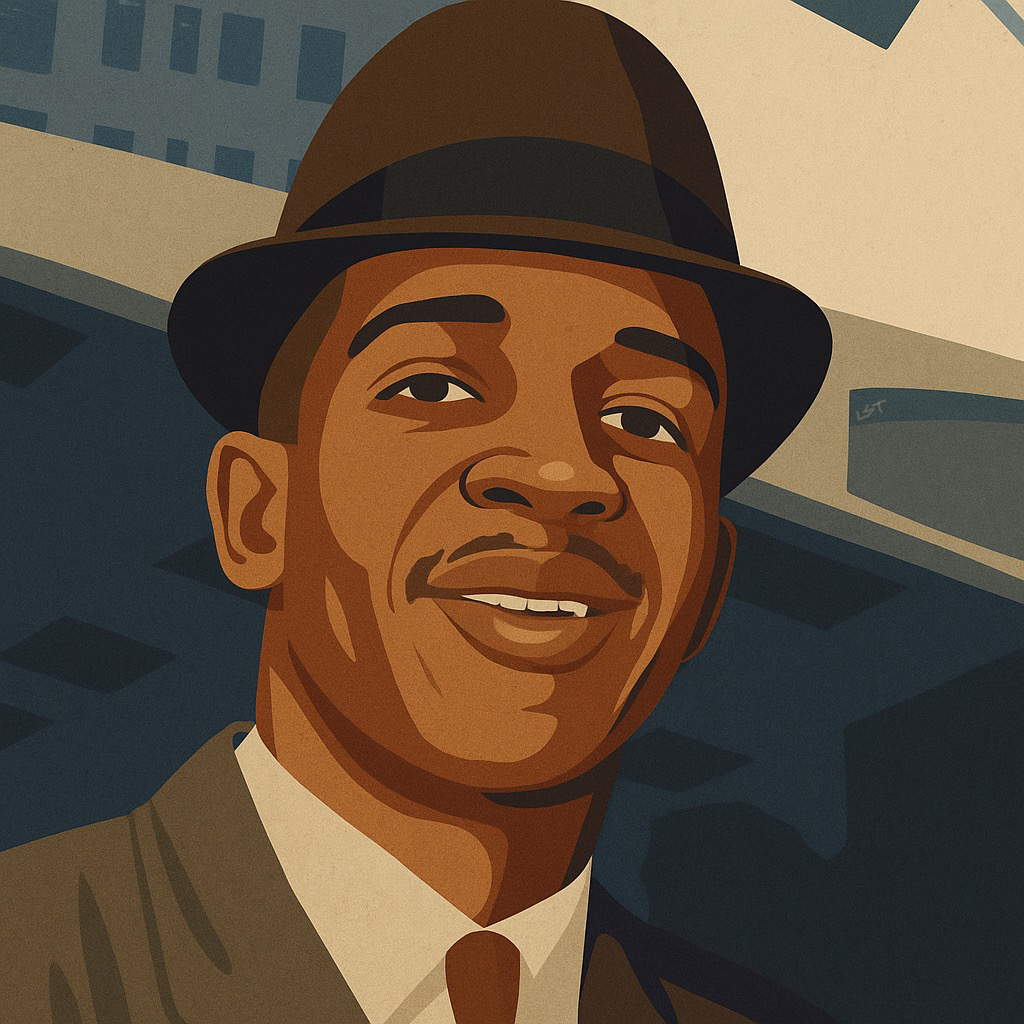
James A. Hood born November 10, 1942, was one of the first two Black students to enroll at the University of Alabama, forcing the nation to confront its deep racial divide. When Governor George Wallace tried to physically block his entry, Hood didn’t back down. He walked forward, calm but determined, making history with each step. After leaving the university for his safety, Hood continued his education and later earned his master’s degree from the same school he once fought to enter. He spent his life working in education and public service, proving that courage doesn’t end with one act of defiance… it becomes a lifelong mission. On his birthday, we remember James A. Hood not just for walking through those doors, but for refusing to let fear or hate stop his journey. His quiet strength still speaks volumes about what true bravery looks like. #JamesHood #OnThisDay #CivilRights #BlackHistory #Legacy #Inspiration

Remembering James A. Hood
LataraSpeaksTruth

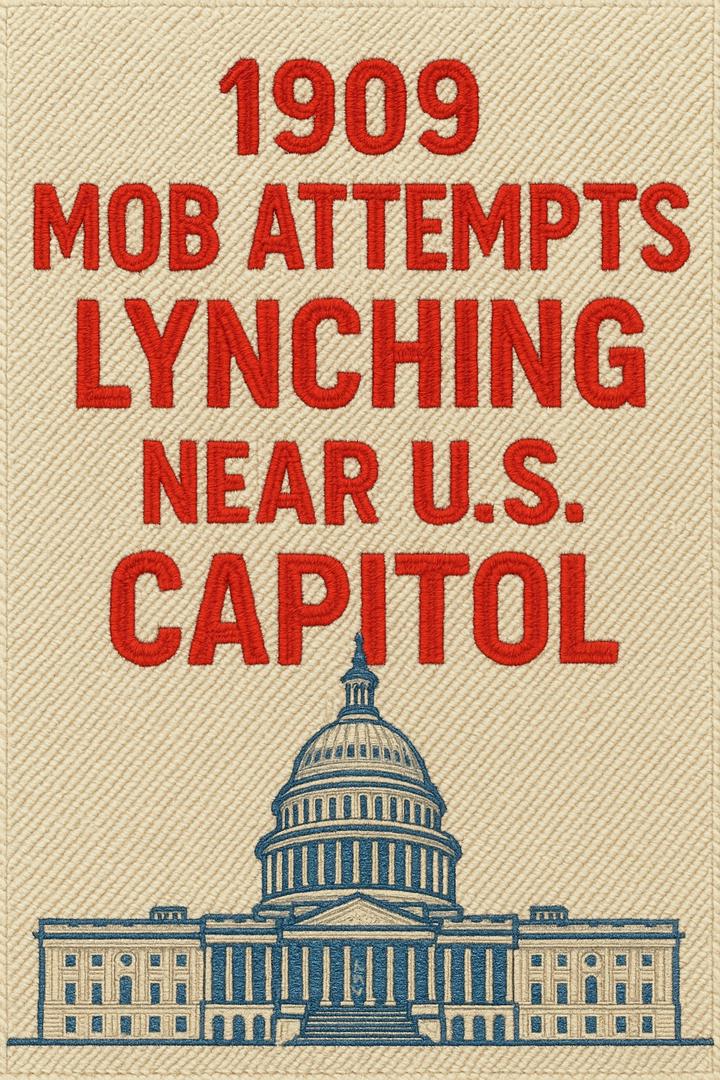
Mob Attempts Lynching Near the U.S. Capitol (1909)

In October 1909, a mob surrounded a Washington, D.C. jail demanding that officers hand over a 26-year-old Black man named Walter Ford, who had been accused of a crime near Landover, Maryland. The mob grew to more than one hundred people and camped outside through the night, armed and ready for violence. Police calmed the situation by promising to turn Ford over in the morning, but when daylight came, the mob had dispersed and Ford was never surrendered. This attempted lynching, just blocks from the U.S. Capitol, revealed how deeply racial violence had spread across the country, even in the nation’s capital. It serves as a reminder that equality under the law was still an unfulfilled promise for many Black Americans at the time. #OnThisDay #BlackHistory #AmericanHistory

Mob Attempts Lynching Near the U.S. Capitol (1909)
LataraSpeaksTruth

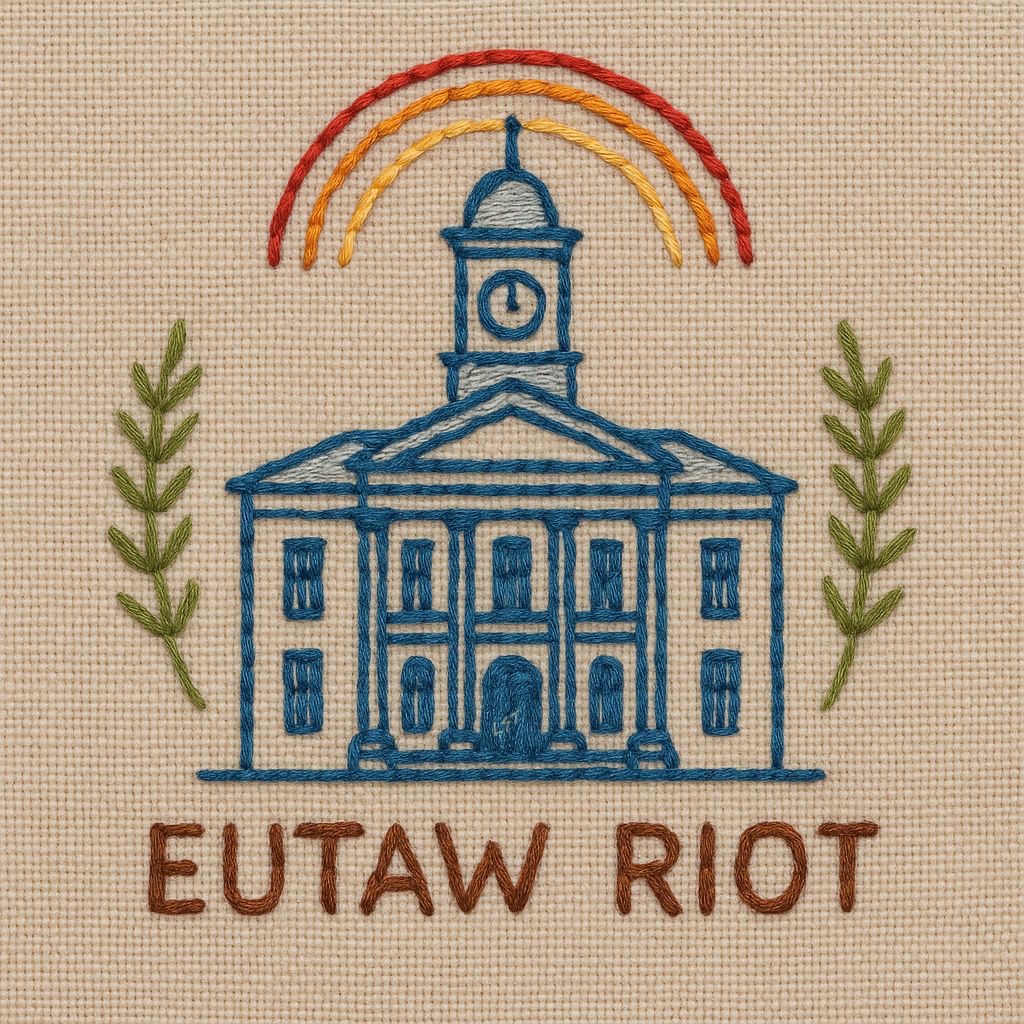
The Eutaw Riot – October 25, 1870

In Eutaw, Alabama, a public gathering of Black citizens met in the courthouse square during the Reconstruction era to discuss upcoming elections and community progress. Tensions in the area had been rising, and the event turned tragic when conflict broke out between white and Black residents. Historical accounts report that several people lost their lives and many were injured. In the days that followed, voter turnout among Black citizens fell sharply due to widespread fear and intimidation. This shift helped change the political outcome in Greene County, marking a major setback for Reconstruction efforts in Alabama. The Eutaw Riot became one of the most notable examples of how resistance to racial equality influenced Southern politics after the Civil War. It stands as a reminder of how fragile progress can be when unity gives way to fear. #BlackHistory #EutawRiot #ReconstructionEra #AmericanHistory #LataraSpeaksTruth

The Eutaw Riot – October 25, 1870
LataraSpeaksTruth

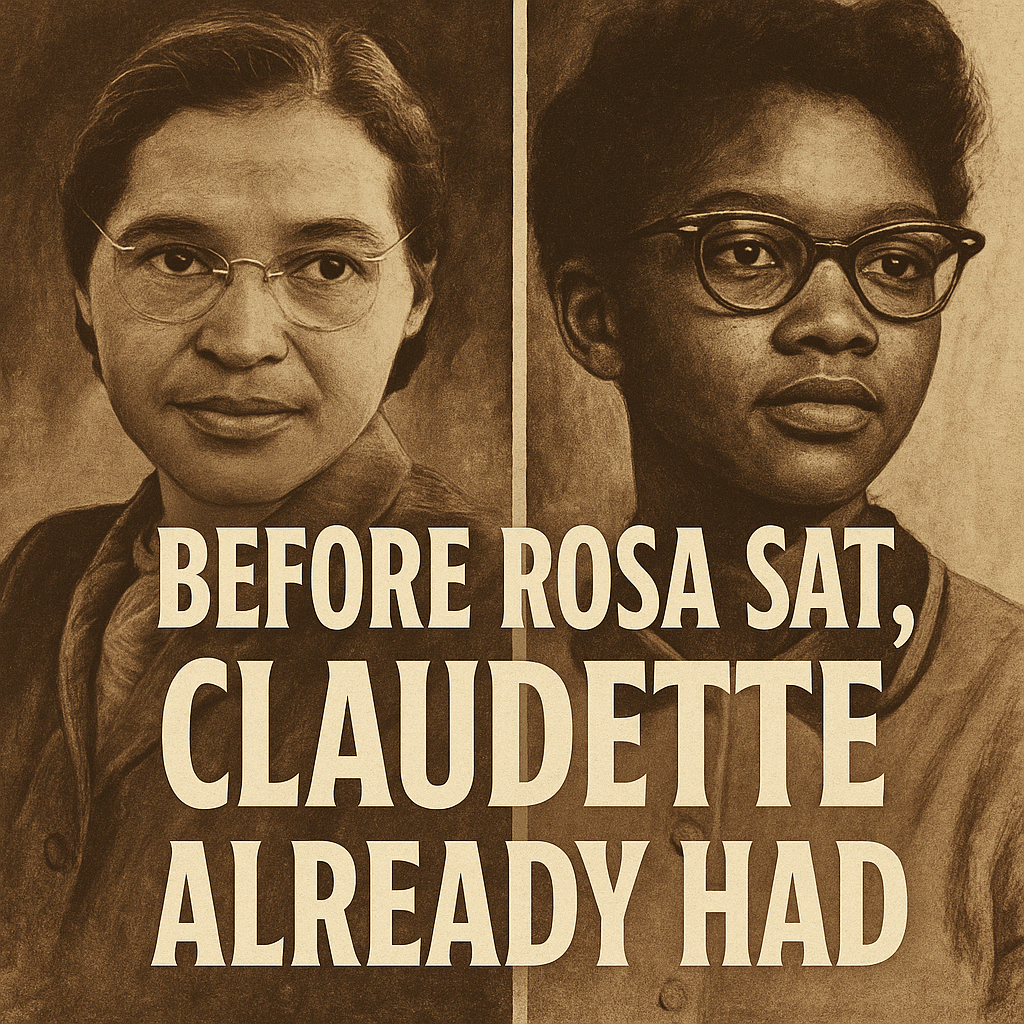
🚌Before Rosa Sat, Claudette Already Had.

Nine months before Rosa Parks made history, a 15-year-old girl named Claudette Colvin refused to give up her seat on a Montgomery bus. She was young, bold, and fearless, but the movement wasn’t ready to rally behind her. They called her “too rebellious,” “too dark,” “too unpolished.” So when Rosa Parks, a seasoned activist and NAACP secretary, made that same choice, the world finally paid attention. Not because the act was new… but because society decided who was allowed to represent it. Rosa knew the risk. She knew the story before hers. And she made her moment count, turning one woman’s refusal into a movement’s awakening. 🕊️ She passed away on this day in 2005, but her courage, and Claudette’s… still ripple through every generation learning that “quiet” does not mean “compliant”. #ClaudetteColvin #RosaParks #BlackHistory #CivilRights #LataraSpeaksTruth #WomenOfCourage #HiddenFigures #KnowYourHistory #BlackExcellence #LegacyAndTruth
🚌Before Rosa Sat, Claudette Already Had.
Tag: BlackHistory - Page 16 | LocalAll