Tag Page BlackMusicHistory

#BlackMusicHistory
LataraSpeaksTruth

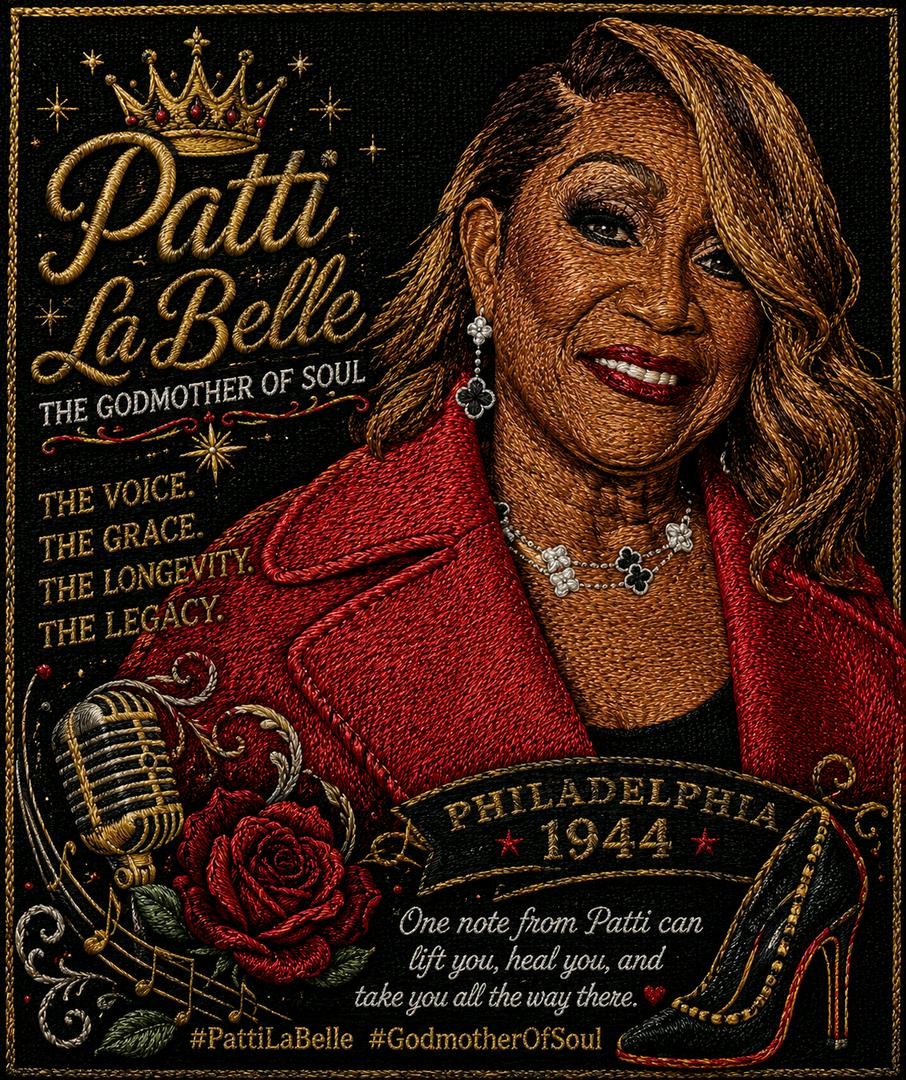
Patti LaBelle was born Patricia Louise Holte on May 24, 1944, in Philadelphia. Before the world called her the Godmother of Soul, she was a young girl with a voice strong enough to shake a room and tender enough to heal one. Her career began in the 1960s with Patti LaBelle and the Bluebelles. Later, with Labelle, she helped carry soul, funk, gospel, and glam into a new era. Their 1974 hit “Lady Marmalade” became one of the group’s defining records. But Patti did not stop there. When she stepped into her solo career, she proved that longevity is not luck. It is discipline, range, reinvention, and presence. Songs like “You Are My Friend,” “If Only You Knew,” “New Attitude,” and “On My Own” showed different sides of her gift. She could belt with fire, sing with sweetness, and command a stage without begging for attention. Patti LaBelle became more than a singer. She became a standard. Her voice carried church roots, Philly soul, theatrical drama, and pure emotional truth. She could turn one note into a testimony. She could make a live performance feel like a sermon, a celebration, and a masterclass all at once. Over six decades, Patti has remained visible, respected, and loved. She earned Grammy recognition, became a cultural icon, crossed into acting, television, cooking, and business, and still kept the music at the center of her name. That kind of career does not happen by accident. It happens when talent meets work ethic. It happens when grace survives pressure. It happens when a woman knows who she is before the industry tries to tell her. So today, we honor Patti LaBelle not just because she was born on this day, but because she gave generations a soundtrack. The voice, the grace, the gowns, the heels, the hair, the power, the longevity. Miss Patti didn’t just sing songs. She left fingerprints on music history. #PattiLaBelle #GodmotherOfSoul #SoulMusic #RnBHistory #MusicHistory #BlackMusicHistory #PhillySoul
LataraSpeaksTruth

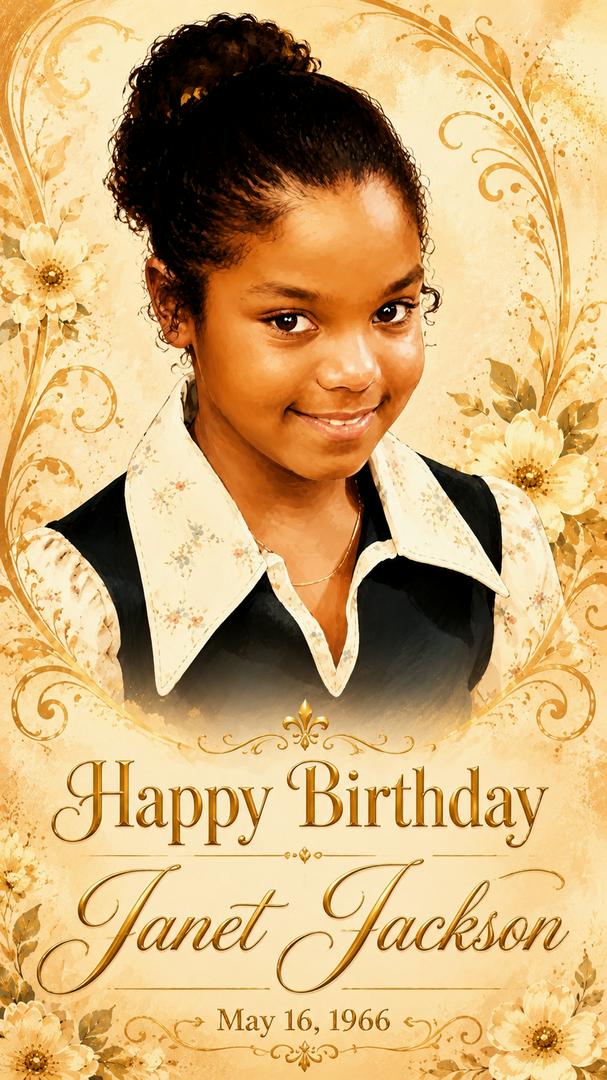
May 16, 1966… Janet Jackson was born in Gary, Indiana. She was born into one of the most famous musical families in American history, but Janet Jackson’s legacy cannot be reduced to her last name. That is what makes her story powerful. Janet came from the Jackson family, but she built a lane that belonged to her. She stepped out from behind the shadow of her brothers and became one of the most influential entertainers of her generation. She was not just singing songs. She was shaping sound, fashion, choreography, image control, and stage performance. Her 1986 album Control was more than a career breakthrough. It was a statement. The title said exactly what Janet was claiming. Control over her voice. Control over her image. Control over the direction of her life and career. Then came Rhythm Nation 1814 in 1989, an album that mixed dance, pop, R&B, and social awareness in a way that felt bold for its time. Janet used music videos like mini films, turning choreography into storytelling and performance into visual power. She became known for precision. The sharp moves. The military-style routines. The quiet confidence. The soft voice paired with strong command. Janet did not need to overpower the room to own it. That was her gift. She proved that influence does not always have to be loud. Sometimes it is controlled, disciplined, creative, and undeniable. For many women artists who came after her, Janet helped lay the blueprint. The dancing singer. The artist who showed that music videos could be more than promotion. They could carry story, image, movement, message, and identity all at once. Janet Jackson was born into fame, but she earned her own place in history. And that is the part worth remembering. #JanetJackson #MusicHistory #BlackMusicHistory #OnThisDay #May16 #RhythmNation #Control

LataraSpeaksTruth

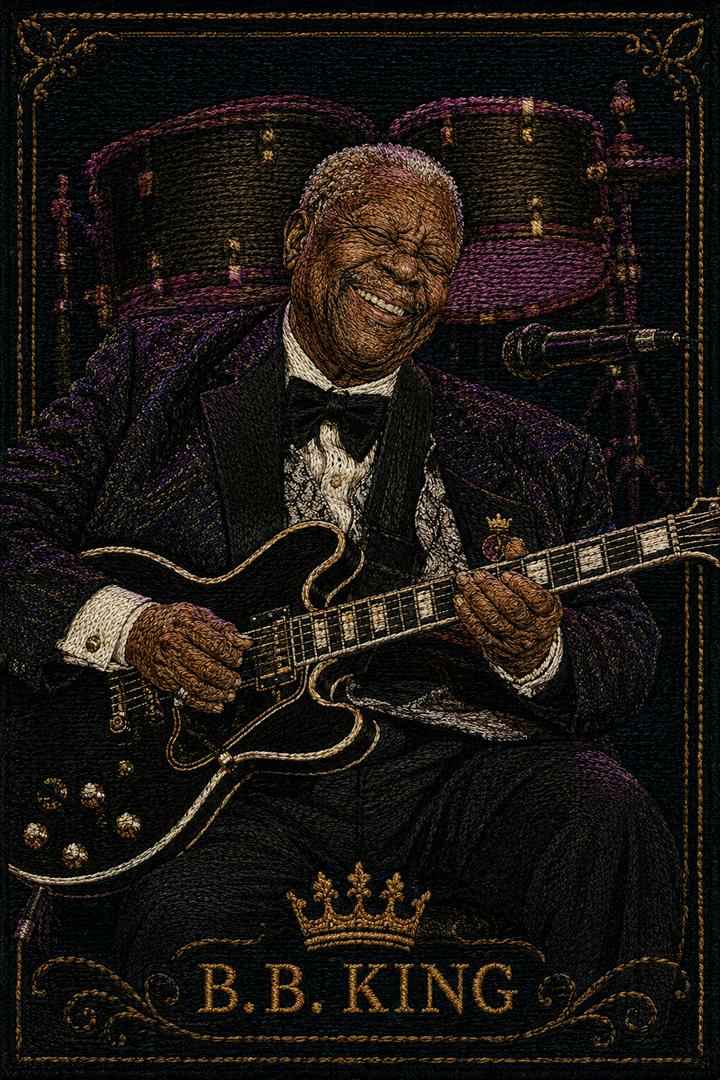
B.B. King died on May 14, 2015, at age 89, but calling that the end of his story would be wrong. His music is still here. His guitar is still speaking. His name still carries weight wherever the blues are respected. Born Riley B. King near Itta Bena, Mississippi, he came from the Delta, where struggle and sound often lived side by side. Before he became known around the world, he worked the land, sang gospel, played street corners, and followed the music that would eventually carry him far beyond Mississippi. In Memphis, his nickname began as Beale Street Blues Boy, later shortened to Blues Boy, then B.B. King. That name became one of the most important in American music. His guitar, Lucille, became almost as famous as he was. Together, they created a sound that did not need to be loud to be powerful. B.B. King could bend one note and make it feel like a whole story. His playing carried pain, love, patience, joy, and memory. Songs like “The Thrill Is Gone,” “Every Day I Have the Blues,” and “Sweet Little Angel” helped define his legacy, but his influence went far beyond one song or one stage. Blues musicians, rock guitarists, soul artists, and generations of performers learned from his tone, his timing, and his restraint. PBS called him the legendary blues guitarist and singer. TIME reported that after his death in Las Vegas, he was laid to rest in Indianola, Mississippi, where fans gathered to honor him. That final journey back to Mississippi mattered. The Delta helped shape B.B. King, and he gave the world a sound that still cannot be copied. On May 14, we remember more than a musician. We remember the King of the Blues…a man who turned life into music and made Lucille cry in a language everybody could understand. #BBKing #KingOfTheBlues #BluesMusic #MusicHistory #BlackMusicHistory #OnThisDay

LataraSpeaksTruth

Happy Birthday to Raphael Saadiq, born May 14, 1966, in Oakland, California. Born Charles Ray Wiggins, Saadiq became one of R&B’s most respected musicians, songwriters, producers, and performers. Many fans first came to know him through Tony! Toni! Toné!, the Oakland group that helped define late 80s and 90s R&B with live instrumentation, smooth harmonies, and songs that still feel timeless. Hits like Feels Good, It Never Rains, and Anniversary became part of the soundtrack for a generation. They were the kind of records played at cookouts, weddings, family gatherings, late-night drives, and quiet moments when music said what words could not. But Raphael Saadiq’s story does not stop with the group. He later became part of Lucy Pearl and built a solo career that showed the depth of his artistry. Albums like Instant Vintage, The Way I See It, Stone Rollin’, and Jimmy Lee helped prove that he could honor classic soul while still creating something fresh. Saadiq’s gift is in the details. He is not just a vocalist. He is a bassist, producer, songwriter, and multi-instrumentalist whose sound carries pieces of gospel, funk, soul, and classic R&B. His work has also reached behind the scenes, helping shape projects for major artists while keeping his own musical identity strong. What makes Raphael Saadiq special is his ability to make music feel rooted and modern at the same time. His songs carry the warmth of yesterday without feeling trapped there. Today, we celebrate Raphael Saadiq for the hits, the musicianship, the creativity, and the lasting influence he has poured into music for decades. Happy Birthday to a true R&B legend. #RaphaelSaadiq #HappyBirthdayRaphaelSaadiq #TonyToniTone #LucyPearl #RnBMusic #ClassicRnB #SoulMusic #BlackMusicHistory #OaklandMusic #MusicLegends #LataraSpeaksTruth

KIM-WHITE

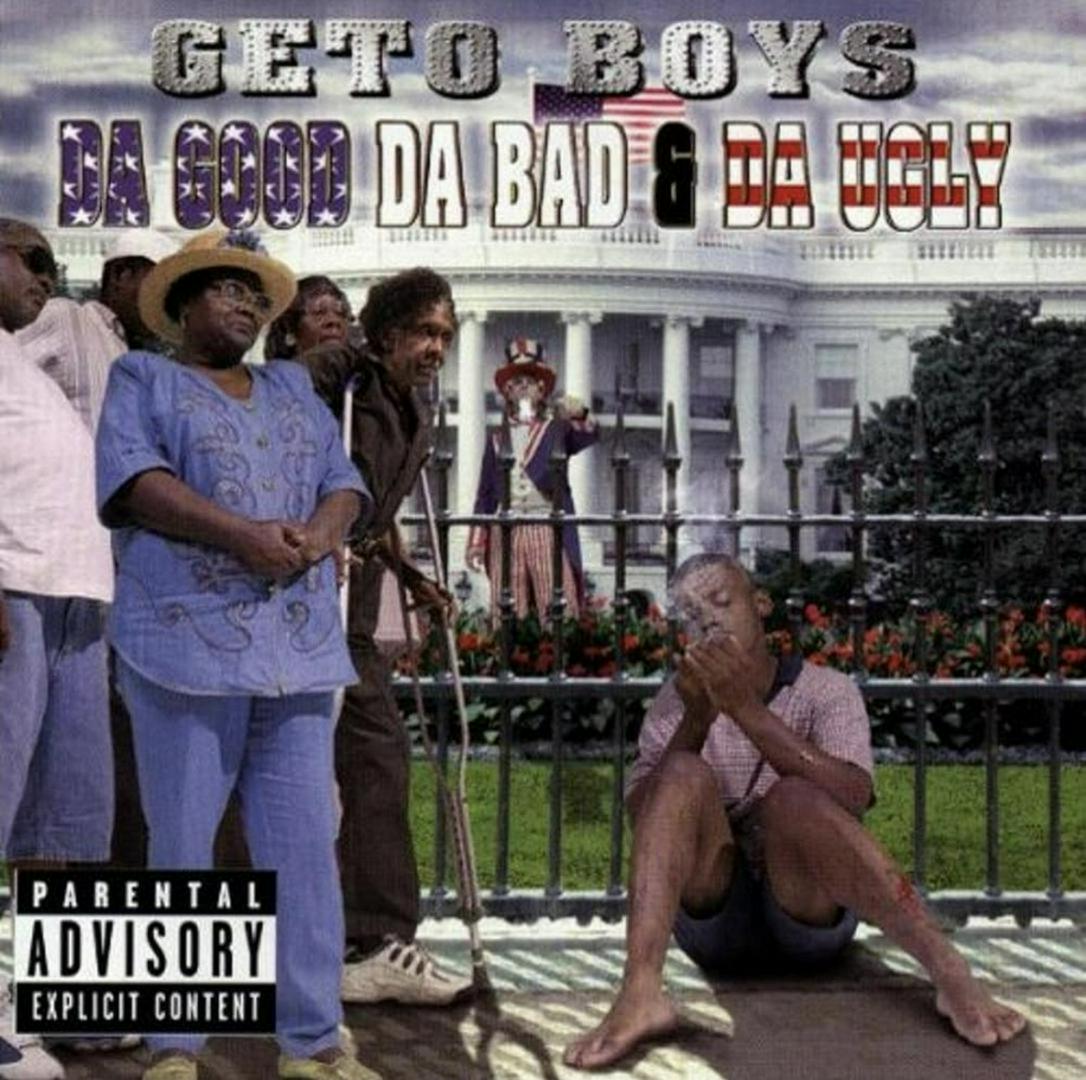
Geto Boys Drop Da Good, Da Bad & Da Ugly... The South Spoke Loud On November 17, 1998, the Geto Bovs came back with Da Good, Da Bad & Da Ugly, a project carved straight out of the Southern hip-hop landscape they helped build Houston had already claimed its voice thanks to them... raw, unfiltered, and unapologetically Southern, but this album showed the world that the South wasn't a "side conversation" anymore. It was the main staqge The album held that sianature Geto Boys energy... dark storytelling, sharp social commentarv, and the kind of life observations vou only get from people who've seen both sides of the street. Even with lineup changes, the crew held on to what made them legendary in the first place... honesty, edge, and a refusal to water anything down for mainstream comfort.By the late `90s, hip-hop was shifting fast but the Geto Boys reminded everybody that Southern rap didn't need approval to be iconic. They were already stamped. Already respected. Already shaping the direction of a whole region. Da Good, Da Bad & Da Ualv stands as one of those albums that marks a moment... the South saying "we're here, we're staying, and we're not taking our foot off nothing." #HipHopHistory #GetoBoys #SouthernRap #HoustonLegends #OnThisDay #BlackMusicHistory #LataraSpeaksTruth #CultureStories #Lemon8Creator #1998Vibes

LataraSpeaksTruth

On April 25, 2002, the music world lost Lisa “Left Eye” Lopes, one of the most unforgettable voices and personalities of the 1990s. Lopes, a member of TLC alongside Tionne “T-Boz” Watkins and Rozonda “Chilli” Thomas, died in a car crash in Honduras at the age of 30. She had been there during what has often been described as a spiritual retreat and period of reflection. Her death shocked fans around the world because she was still young, still creating, and still searching for who she wanted to become beyond the fame. Left Eye was not just the rapper in TLC. She was part of the group’s edge, imagination, and identity. Her verses on songs like “Waterfalls” gave TLC a voice that was playful, bold, thoughtful, and impossible to copy. She brought something different to the group, not just sound, but attitude. TLC became one of the most successful girl groups of all time, with major hits like “Creep,” “No Scrubs,” “Unpretty,” and “Waterfalls.” The group won multiple Grammy Awards and helped define an era of R&B and pop music. But Left Eye stood out because she seemed to carry both fire and vulnerability. She was creative, unpredictable, spiritual, complicated, and deeply human. Her life was not without controversy, but reducing her to controversy would miss the bigger picture. Lisa Lopes was an artist who questioned herself, challenged the industry, and kept trying to grow. She wanted meaning. She wanted healing. She wanted freedom. More than two decades later, her impact is still felt. Every time her verse plays, every time TLC is remembered, every time someone talks about women bringing personality and power into music, Left Eye’s name still belongs in that conversation. She was only 30 years old, but her presence never faded. #LisaLeftEyeLopes #TLC #MusicHistory #BlackMusicHistory #GoneButNotForgotten

LataraSpeaksTruth

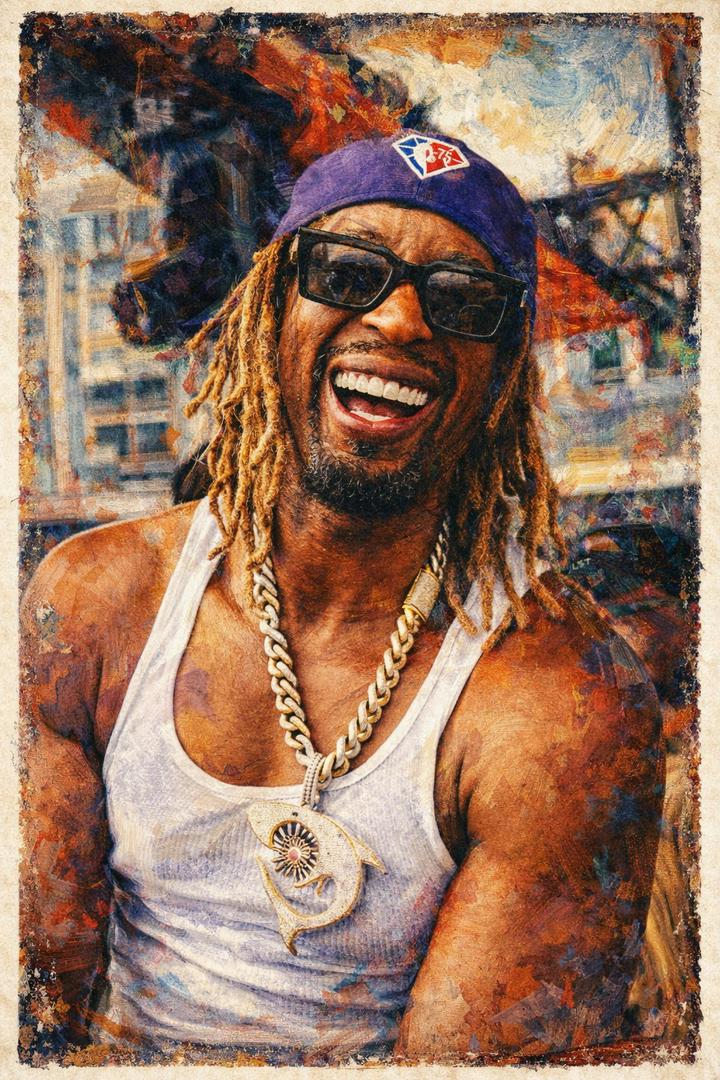
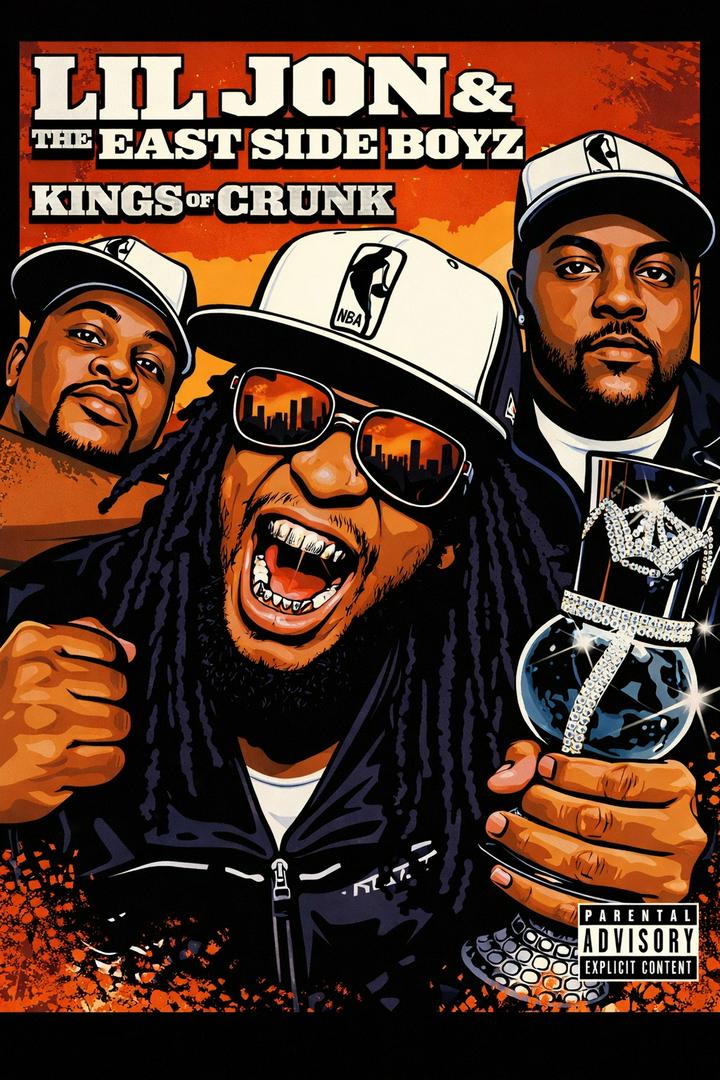
January 17 marks the birthday of Lil Jon, a man who turned raw energy into a cultural language. Born in 1972, Lil Jon did not just participate in Southern hip hop, he helped rewire how the entire country felt music in their chest. Before playlists were algorithms and before clubs became content farms, there was crunk… loud, communal, unapologetic, and physical. Coming out of Atlanta with the East Side Boyz, Lil Jon stripped hip hop down to its nerve endings. Call and response hooks. Bass that rattled walls. Lyrics that were not trying to impress professors, they were trying to move bodies. Critics used to dismiss it as simple. History proved it was effective. Crunk wasn’t about complexity, it was about release. It gave the South its own undeniable lane at a time when regional dominance still mattered. His influence didn’t stop at the club. Lil Jon’s production fingerprints are all over early 2000s mainstream rap and R&B. Those chants, those drops, that emphasis on crowd participation… that became standard. And then, just when people thought they had him boxed in, he pivoted. TV appearances. A Vegas DJ residency. And later, a very public embrace of meditation, wellness, and inner peace. Same voice. Different frequency. Growth without erasure. That arc matters. It shows you can evolve without apologizing for where you came from. You don’t have to bury the past to mature… you build on it. Lil Jon did that loudly, then quietly, then wisely. So today is not just a birthday. It’s a reminder that culture doesn’t always arrive polished. Sometimes it kicks the door in, yells at full volume, and changes the room forever. Happy Birthday to a man who made noise, made history, and then found balance. #LilJon #January17 #HipHopHistory #AtlantaSound #CrunkEra #SouthernHipHop #MusicCulture #ProducersWhoChangedTheGame #BlackMusicHistory

LataraSpeaksTruth

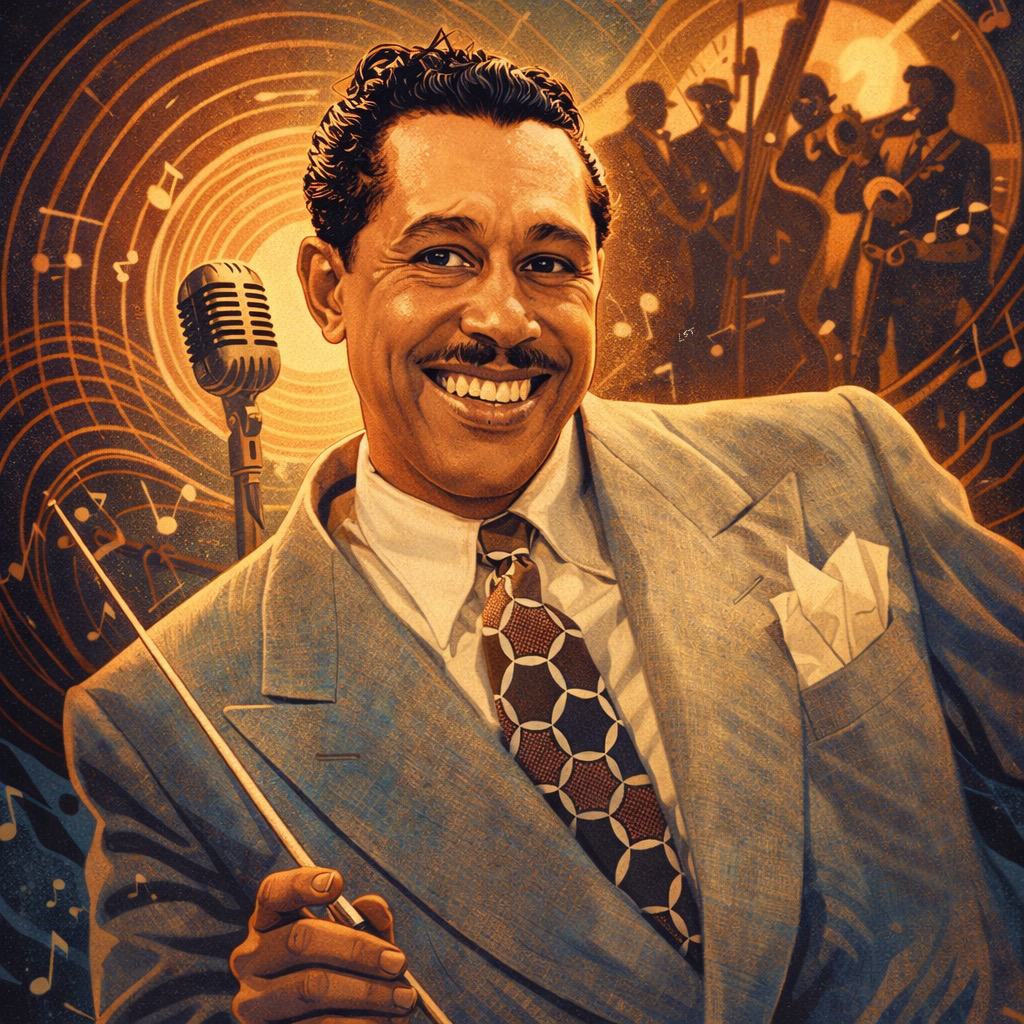
On December 25, 1932, Cab Calloway and his orchestra performed a nationally broadcast Christmas Day radio concert that reached audiences across a segregated America. At a time when Black artists were rarely allowed mainstream visibility without distortion or caricature, Calloway’s music moved freely through living rooms that would never have welcomed him in person. The sound carried elegance, swing, and confidence. It crossed boundaries quietly but decisively, challenging racial limits through sound alone. Radio did something dangerous that day. It humanized Black excellence without permission. Listeners did not see skin color first. They heard brilliance. Calloway’s presence on Christmas Day placed Black artistry at the center of a national moment rather than at its margins. This was not just entertainment. It was cultural negotiation happening in real time. While segregation still ruled streets and stages, the airwaves told a different story. December 25 became proof that Black influence could not be contained, even when the country tried. #BlackMusicHistory #JazzLegacy #CabCalloway #CulturalImpact #BlackExcellence #December25 #AmericanCulture

LataraSpeaksTruth

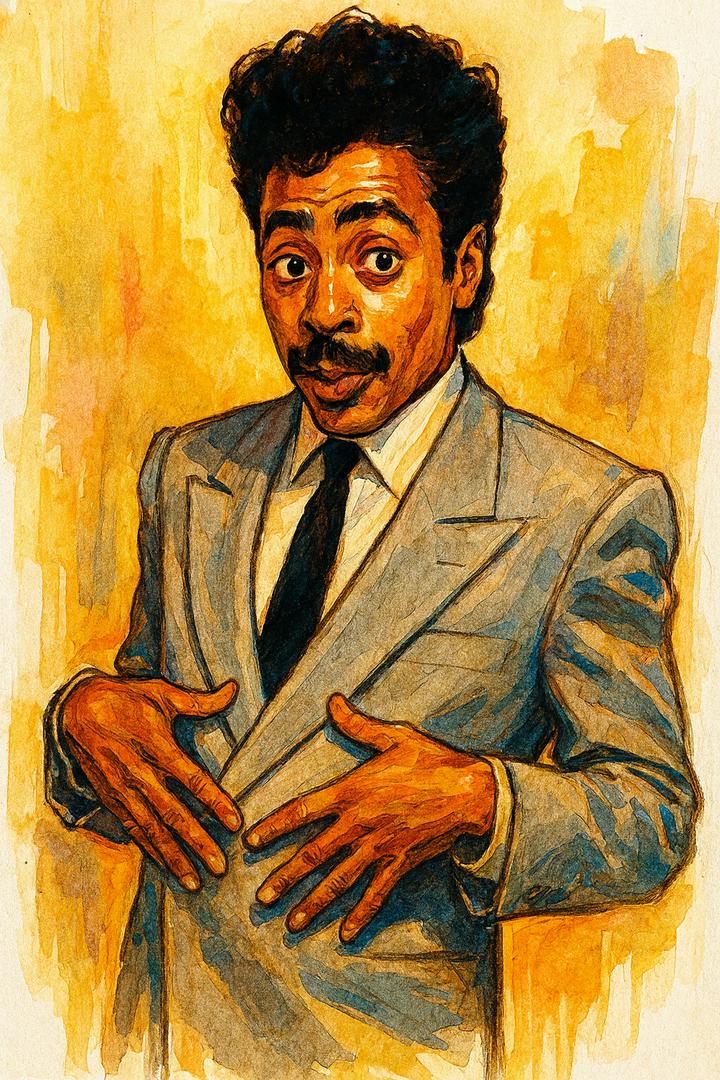
December 13, 1958… Morris Day is born, and decades later his presence still echoes through American music in ways people do not always stop to credit. As the lead singer of The Time, Morris Day became one of the most recognizable voices and personalities to emerge from the Minneapolis funk scene, a movement built on discipline, precision, and deep respect for funk traditions while still pushing them forward. The Minneapolis sound was not accidental. It was rooted in tight musicianship, sharp production, and control rather than excess. Morris Day stood at the center of that balance. With The Time, whose early music was written and produced by Prince, Day transformed meticulous compositions into living, breathing performances. His polished grooves, clever delivery, and commanding stage presence proved that interpretation and leadership matter as much as authorship. Often associated with the Prince-era universe, Morris Day was never merely a supporting figure. He helped define the look, attitude, and performance standards of that moment in music history. Tailored style, synchronized bands, and the understanding that funk was as visual as it was sonic. Funk was not just something you heard. It was something you saw, felt, and remembered. Morris Day’s legacy lives on in how modern artists approach stage presence, band leadership, and musical identity. He showed that funk could be sharp without losing soul, playful without losing purpose, and stylish without losing substance. Some artists chase trends. Others become part of the foundation. Morris Day belongs to the latter. #MorrisDay #TheTime #MinneapolisSound #FunkHistory #MusicLegacy #PrinceEra #BlackMusicHistory #OnThisDay #1957 #FunkIcons

LataraSpeaksTruth

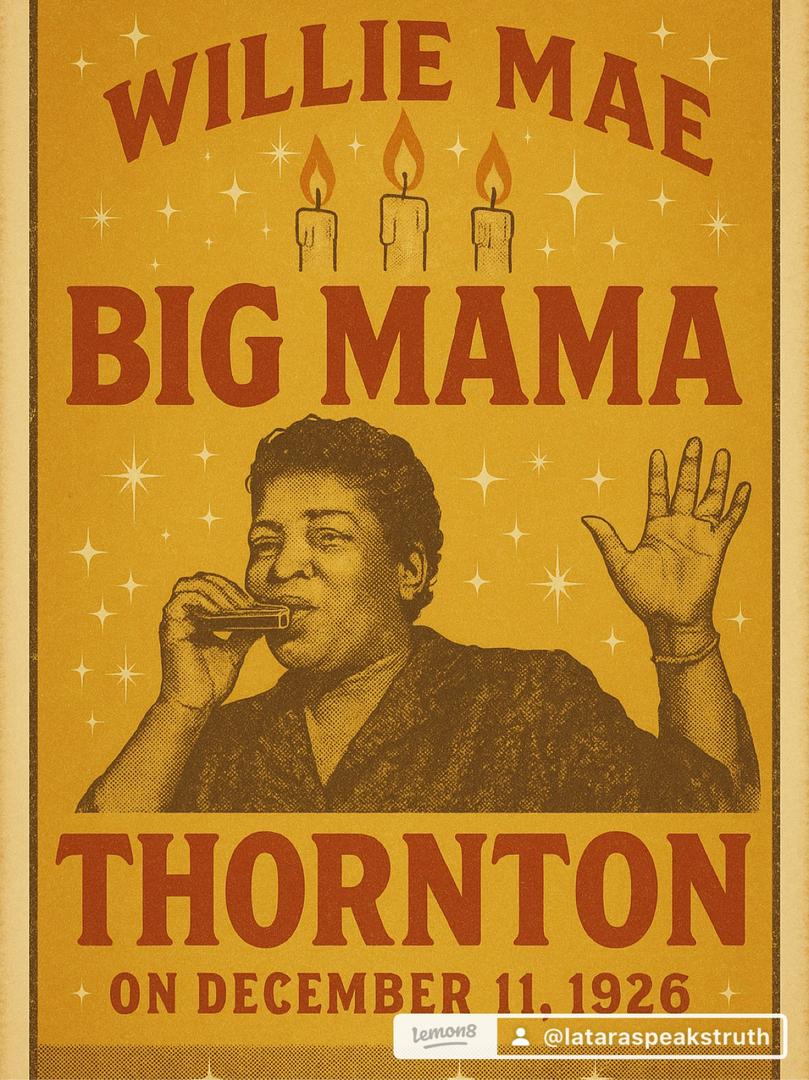
Born December 11, 1926, Big Mama came into this world already louder than the rules trying to contain her. She didn’t ask for permission. She didn’t soften her edges. She showed up with a voice that roared, a presence that commanded, and a truth that couldn’t be polished into something safe. Long before the industry had language for “authentic,” she was living it..: barefoot, big-voiced, and unapologetic. Big Mama Thornton didn’t just sing songs; she inhabited them. When she recorded “Hound Dog,” it wasn’t cute, it wasn’t coy, it was a warning shot. Blues with grit under its nails. And when she wrote and first recorded “Ball and Chain,” she gave the world a song so heavy with feeling that it could only travel forward through other voices, even if her name was too often left behind. Funny how history does that. Borrow the sound, forget the source. We see it now. She came from church roots, Southern soil, and lived experience… the kind you can’t fake and definitely can’t steal cleanly. Every note she sang carried survival, humor, heartbreak, and backbone. She toured hard, lived loud, and stood tall in an industry that tried to make Black women smaller, quieter, easier to ignore. Didn’t work. Today we celebrate her not just as a blues legend, but as a cornerstone. Rock, R&B, soul, all of it learned how to strut because Big Mama walked first. The mic learned respect early. Heaven’s got one heck of a headliner today. We’re still listening. Still learning. Still giving her the credit she earned. #BigMamaThornton #HeavenlyBirthday #BluesLegend #BlackMusicHistory #WomenWhoRoared