Tag Page BlackWriters

#BlackWriters
LataraSpeaksTruth

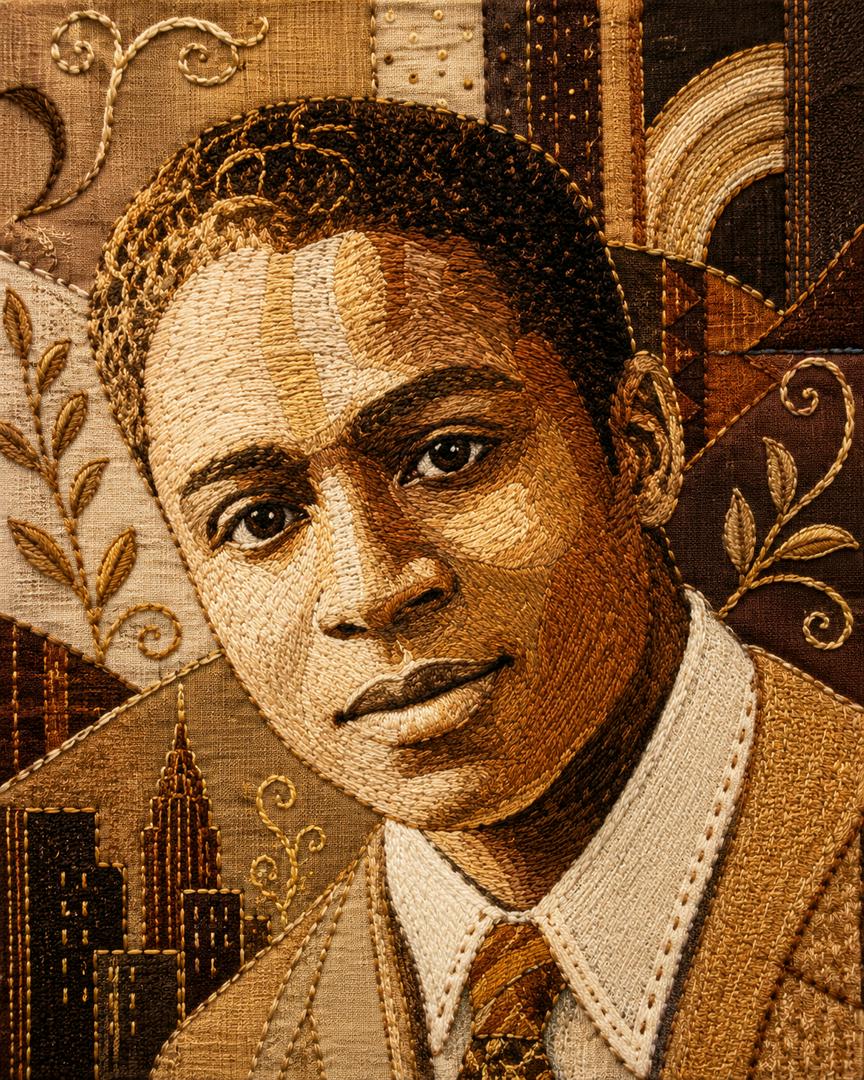
February 9 marks the death of Paul Laurence Dunbar who passed away in 1906 at just 33 years old. His life was brief, but his impact was anything but small. Dunbar was already a nationally recognized writer before the turn of the century, publishing poetry, novels, short stories, and song lyrics at a pace that most writers never reach in a lifetime. He mastered multiple literary forms and navigated two languages at once, formal English and Black dialect, not as a trick but as a reflection of lived reality. That ability made him visible, respected, and at the same time tightly controlled by an audience that praised his talent while narrowing how they wanted it expressed. Dunbar’s death is not just a literary footnote. It is a reminder of what it cost to be brilliant in an era that rewarded Black creativity selectively and conditionally. Illness took his body, but pressure took its toll long before that. Even so, his work survived him. His words became a foundation later writers would build upon, whether they were allowed to say his name freely or not. February 9 is about remembering the weight he carried, the boundaries he pushed against, and the truth that his voice outlived the circumstances that tried to limit it. Legacy doesn’t always arrive loud. Sometimes it arrives early, leaves quietly, and keeps speaking anyway. #PaulLaurenceDunbar #OnThisDay #LiteraryHistory #AmericanPoetry #BlackWriters #PoetsWhoChangedHistory #HistoryInPlainSight #WordsThatEndure

LataraSpeaksTruth

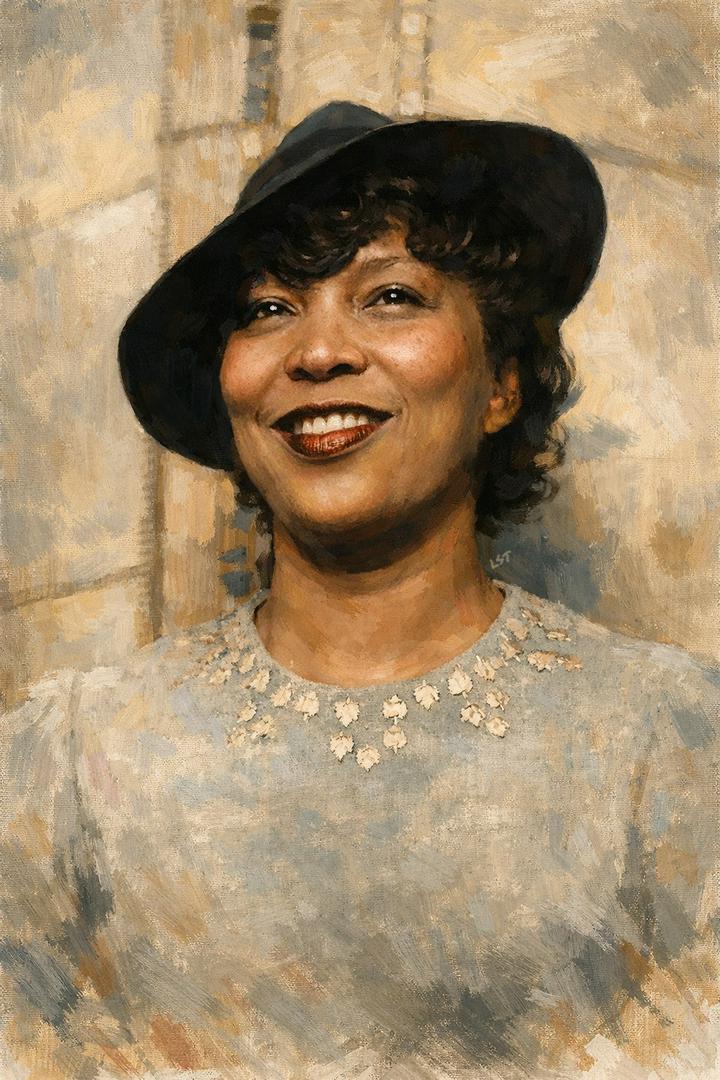
Zora Neale Hurston passed away on January 28, 1960, in Fort Pierce, Florida, at the age of 69. The woman whose words captured the rhythm, humor, faith, and inner lives of Black communities died quietly, far removed from the literary acclaim she deserved. Her cause of death was hypertensive heart disease, after years of declining health and financial hardship. By the end of her life, Hurston was working as a maid and substitute teacher, living in near poverty despite having authored some of the most influential works of the Harlem Renaissance At the time of her death, Hurston’s work had fallen out of favor. Literary tastes had shifted, and her refusal to write protest literature or conform to political expectations left her marginalized. She chose to preserve culture rather than perform it for approval, and that independence came at a cost. When she died, there were no major headlines, no national mourning, and little recognition of what had been lost Hurston was buried in an unmarked grave at the Garden of Heavenly Rest cemetery. For more than a decade, her resting place remained anonymous, mirroring how her legacy had been treated. It wasn’t until the 1970s that writer Alice Walker sought out her grave and placed a marker that read, “A Genius of the South.” That moment helped spark a revival of Hurston’s work and restored her place in American literature Today, Zora Neale Hurston is celebrated as a visionary writer, anthropologist, and cultural archivist. Her novels, essays, and folklore collections are studied around the world. Her death serves as a reminder that brilliance is not always honored in real time. Sometimes history neglects its truth-tellers… then spends decades trying to catch up #ZoraNealeHurston #January28 #HarlemRenaissance #LiteraryHistory #BlackWriters #AmericanLiterature #CulturalPreservation #ForgottenGenius #Legacy #OnThisDay

You've reached the end!