Tag Page BloodMoon

#BloodMoon
justme

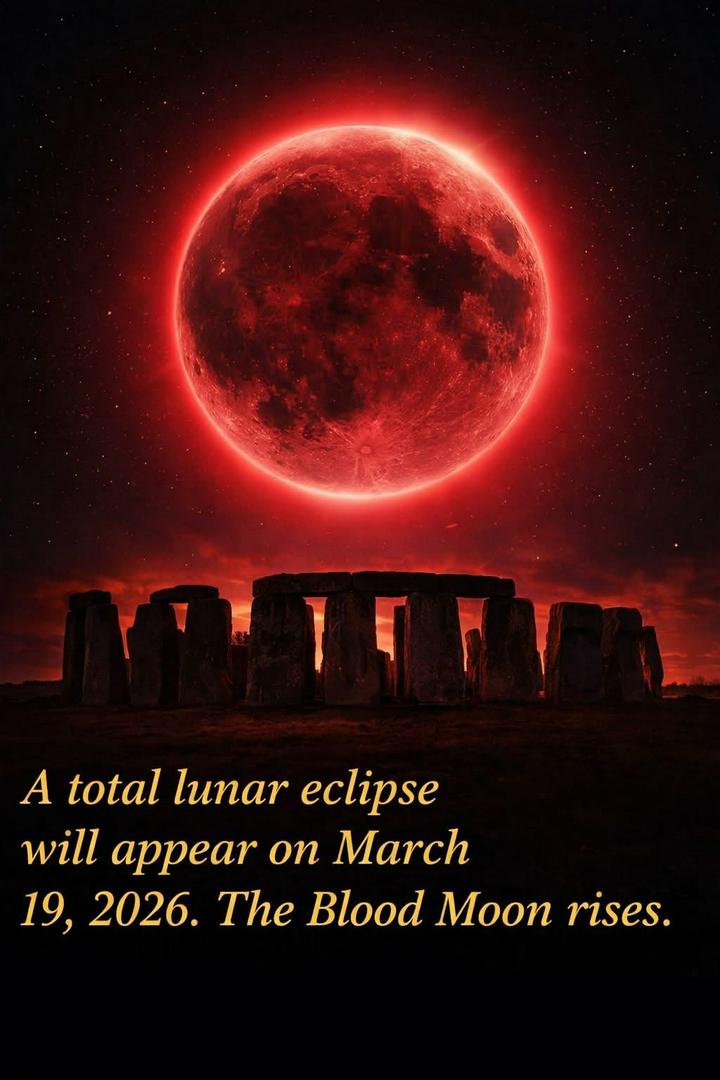
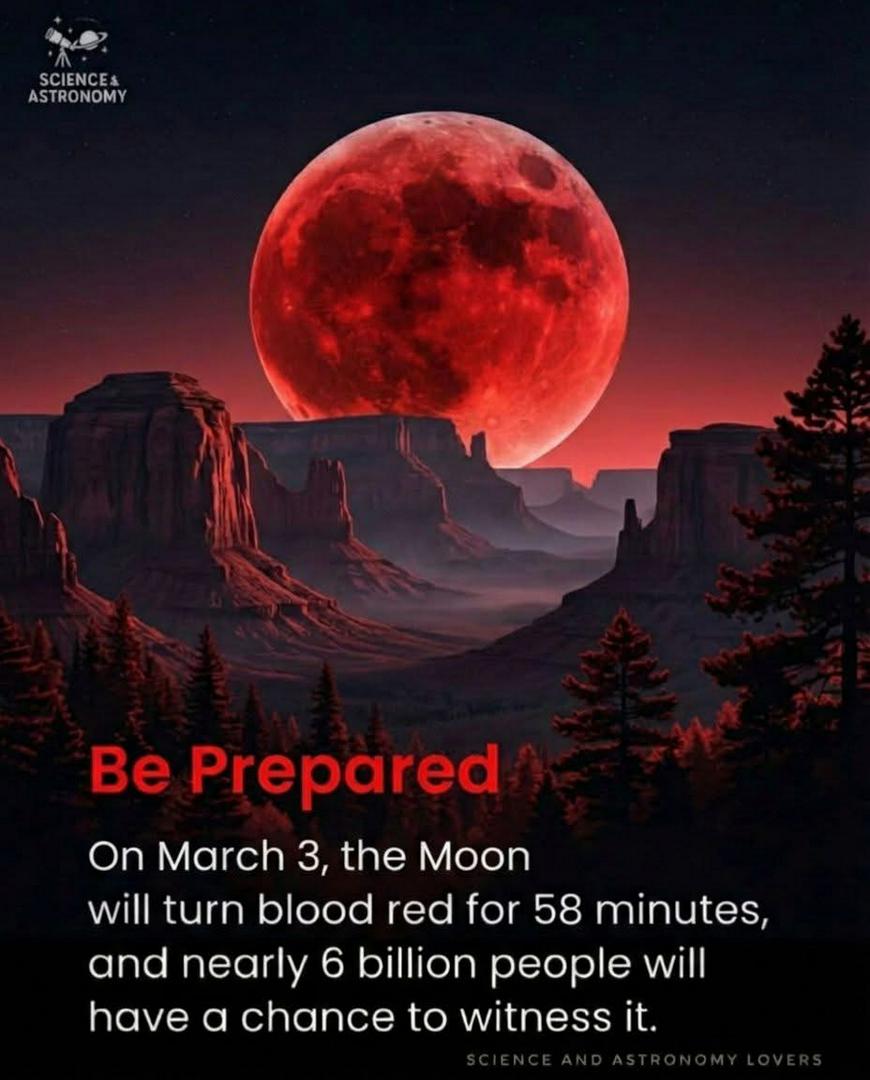
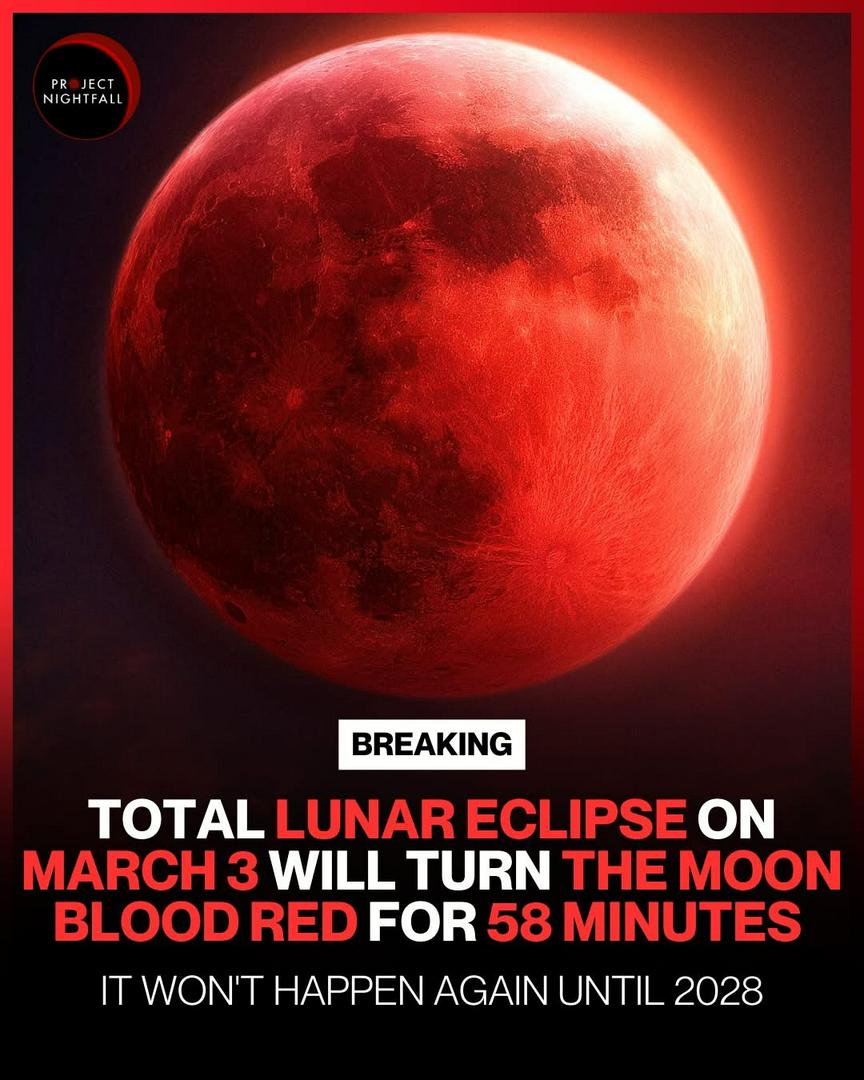
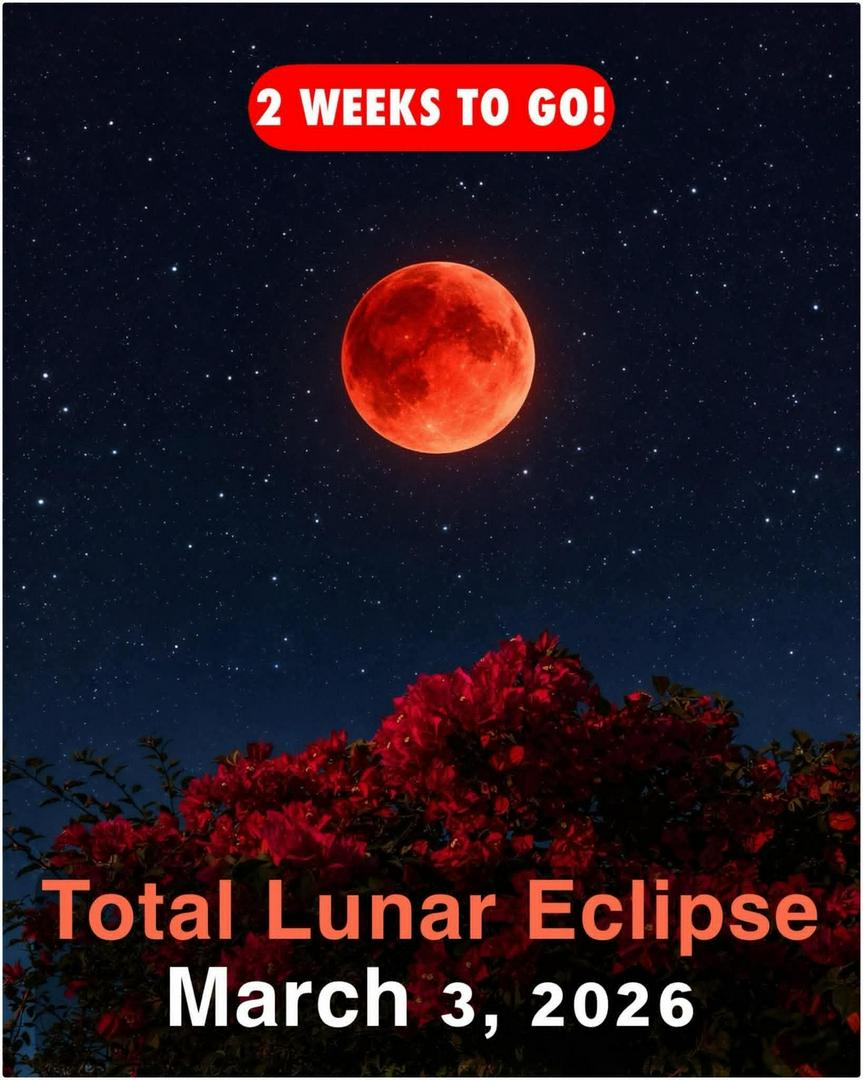
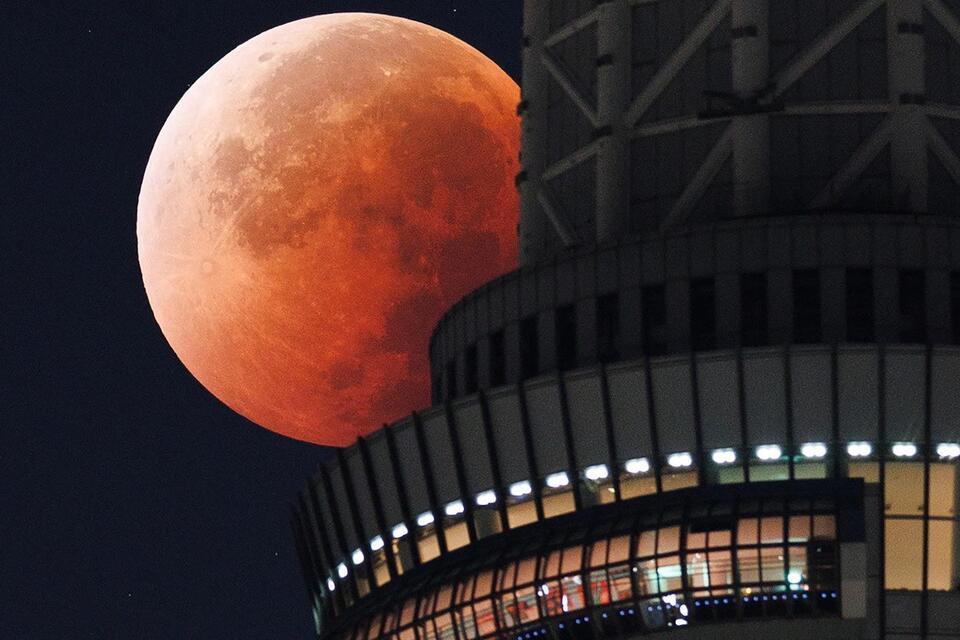
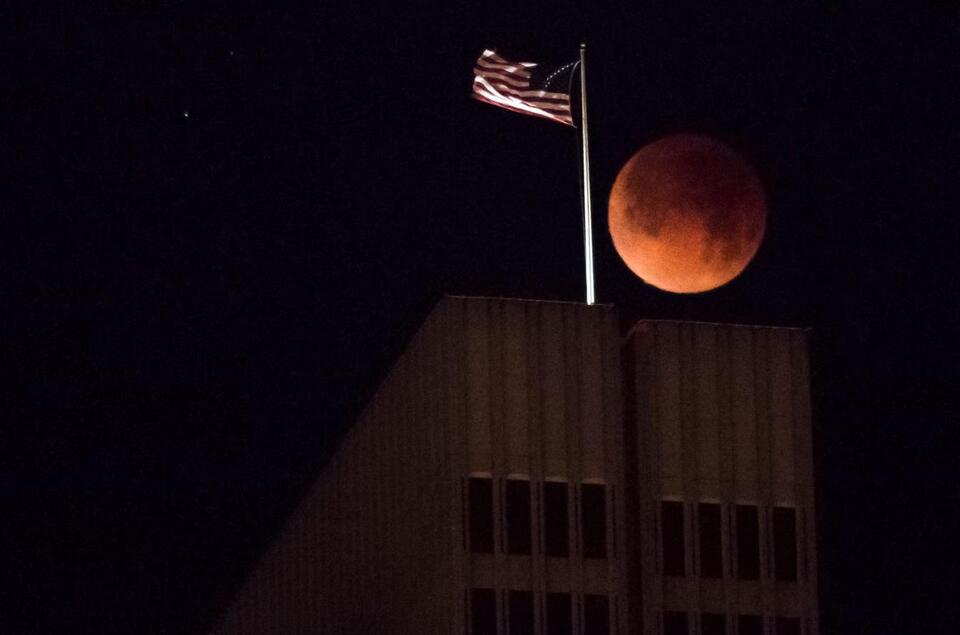
Total Lunar Eclipse — March 3, 2026 | Blood Moon 🌙 On March 3, 2026, the Moon will slip completely into Earth’s darkest shadow and reappear bathed in deep crimson and copper hues. This unforgettable “Blood Moon” occurs when sunlight passes through Earth’s atmosphere, filtering out blue light and allowing warm red tones to wash across the lunar surface. The result is dramatic, rare, and breathtaking. ⏰ Eclipse Timeline (UTC) • Penumbral eclipse begins: 08:44 • Partial eclipse begins: 09:50 • Total eclipse begins: 11:04 • Maximum eclipse: 11:33 • Total eclipse ends: 12:02 • Partial eclipse ends: 13:17 • Penumbral eclipse ends: 14:22 The Moon will remain fully immersed in Earth’s umbra for nearly 58 minutes, while the deepest red shades may be visible for up to 82 minutes during the peak stages. 🌍 Why This Eclipse Stands Out ✨ Earth’s atmosphere scatters shorter blue wavelengths, letting red light reach the Moon ✨ Dust, clouds, and air conditions influence the exact shade — each eclipse looks different ✨ Visible across large parts of the world, making it one of 2026’s most widely observed sky events 🔭 How to Watch No special equipment is required — it’s completely safe to view with the naked eye. Binoculars or a telescope will enhance the experience, revealing delicate color variations and lunar surface detail. A calm yet powerful alignment of the Sun, Earth, and Moon will unfold slowly overhead. When the night sky stages something this extraordinary, it’s worth stepping outside to witness it. #BloodMoon #BloodMoon2026

justme

Mark your calendars!!! It's your last chance to see a blood moon until 2028! A total lunar eclipse will turn the Moon blood red on March 3, 2026, and it will be the only total lunar eclipse of the year and the last one until 2028. The eclipse will be visible from eastern Asia, Australia, New Zealand, the Pacific region, North and Central America, and far western South America. Viewers on the East Coast will see the eclipse before sunrise and should look west as the Moon sets during the event. During a total lunar eclipse, the Moon appears dark red or orange because Earth blocks most of the Sun's light from reaching the Moon, and the light that does reach the lunar surface is filtered through Earth's atmosphere. It's as if all of the world's sunrises and sunsets are projected onto the Moon. The next total lunar eclipse won't occur until December 31, 2028 – January 1, 2029, making this March 2026 event especially significant for astronomy enthusiasts. You can observe a lunar eclipse without any special equipment. All you need is a line of sight to the Moon! Blood Moons are relatively rare, with only one to two total lunar eclipses happening each year on average, and some years having none at all. If you're anywhere in the viewing zone, this is one celestial event worth setting an alarm for. After March 3rd, we'll be waiting nearly three years for the next total lunar eclipse — so don't miss your chance to witness the Moon's magical transformation. #BloodMoon #LunarEclipse #Astronomy #WormMoon

You've reached the end!