Tag Page BrownVBoard

#BrownVBoard
LataraSpeaksTruth

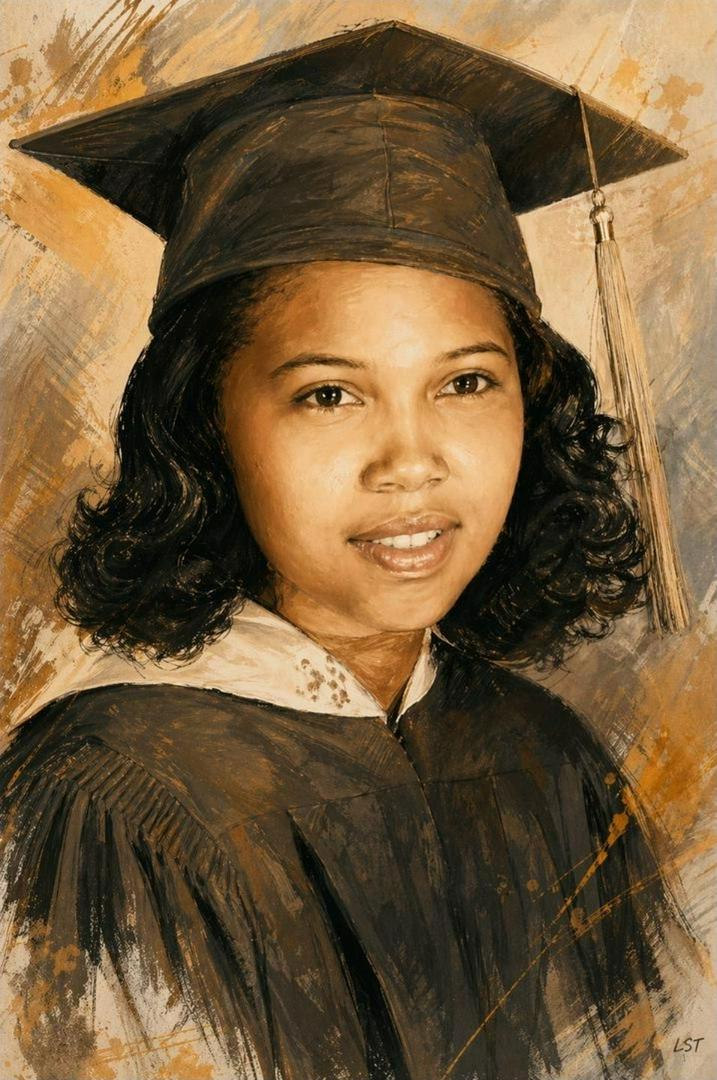
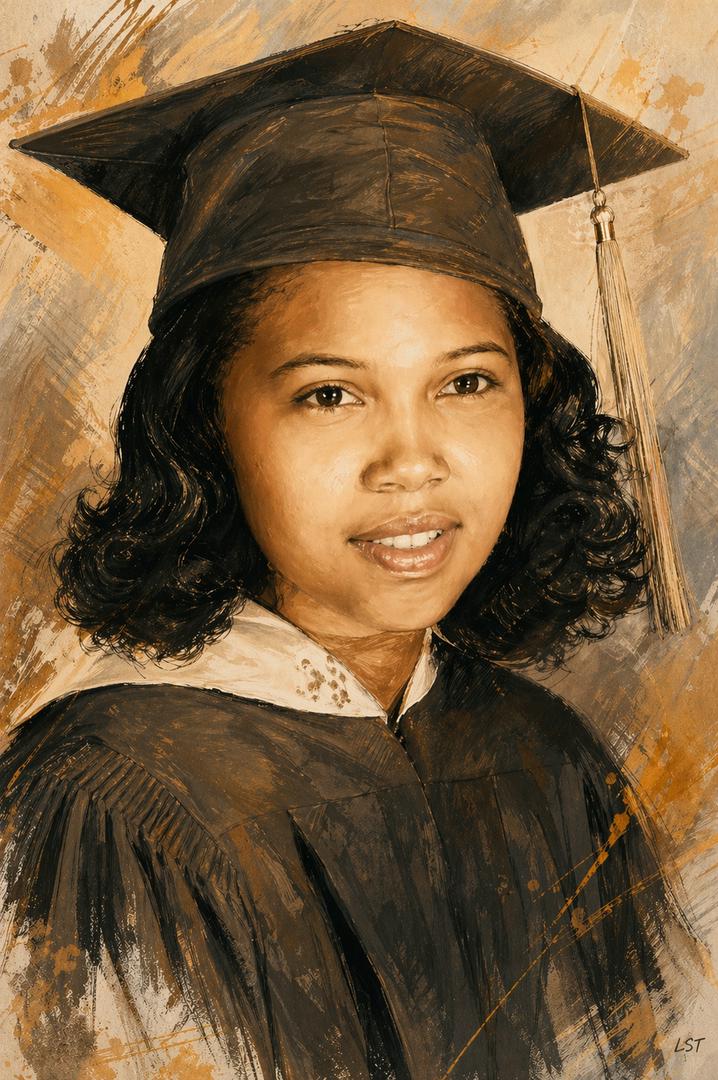
On April 23, 1951, a 16-year-old girl in Farmville, Virginia did something a whole lot of adults were too scared to do…she stood up. Barbara Johns was a student at Robert Russa Moton High School, an all-Black school so overcrowded and neglected that some students were being taught in tar-paper shacks. While white students had better buildings, better resources, and better conditions, Black students were expected to settle for less…less space, less comfort, less dignity, less future.  Barbara was not just making noise to make noise. She was strategic. She helped set things in motion so the principal would be away, arranged for a student assembly, and once the students were gathered, she spoke and urged them to walk out. They did. More than 450 students took part in that protest.  That moment mattered. What began as students demanding better conditions became something even bigger once NAACP lawyers got involved. The case that grew out of Barbara Johns’ protest was Davis v. County School Board of Prince Edward County…one of the cases later folded into Brown v. Board of Education.  Read that again. A teenage girl helped ignite a legal battle that became part of the case that challenged school segregation in America. And still, Barbara Johns is not a household name the way she should be. She was not waiting to be rescued. She was not waiting for permission. She saw what was wrong, understood what was unfair, and moved. At 16. That kind of courage deserves more than a footnote. Barbara Johns did not just walk out of a school building that day…she walked straight into history. #BarbaraJohns #BrownvBoard #OnThisDay #History #NewsBreak

LataraSpeaksTruth

On May 17, 1954, the United States Supreme Court issued one of the most important education rulings in American history. In Brown v. Board of Education, the Court ruled unanimously that racial segregation in public schools was unconstitutional. The decision struck directly at the old “separate but equal” doctrine that had been used for decades to justify segregated schools. The case is most often connected to Topeka, Kansas, where Oliver Brown challenged the school board after his daughter, Linda Brown, was denied access to a nearby school because she was Black. But Brown v. Board was not just one family’s fight. It brought together several school segregation cases from different states, all pointing to the same truth: separation by race in public education was not equal. Chief Justice Earl Warren delivered the Court’s opinion. The ruling stated that separate educational facilities are inherently unequal and that segregation in public schools violated the Equal Protection Clause of the Fourteenth Amendment. This decision did not magically end school segregation overnight. Many districts resisted, delayed, or fought integration for years. But legally, the foundation had shifted. The highest court in the country had declared that state-mandated school segregation had no place in public education. Brown v. Board of Education became a major turning point in the larger fight for equal rights. It challenged the legal structure that had kept Black children locked out of equal educational opportunities and helped open the door for later civil rights battles. May 17, 1954, was not just a court date. It was a line drawn in American history. The ruling did not solve everything. But it made one thing clear: a school system built on separation could never honestly claim equality. #LataraSpeaksTruth #OnThisDay #BrownVBoard #EducationHistory #BlackHistory #AmericanHistory #CivilRightsHistory #SupremeCourt #HistoryMatters

LataraSpeaksTruth

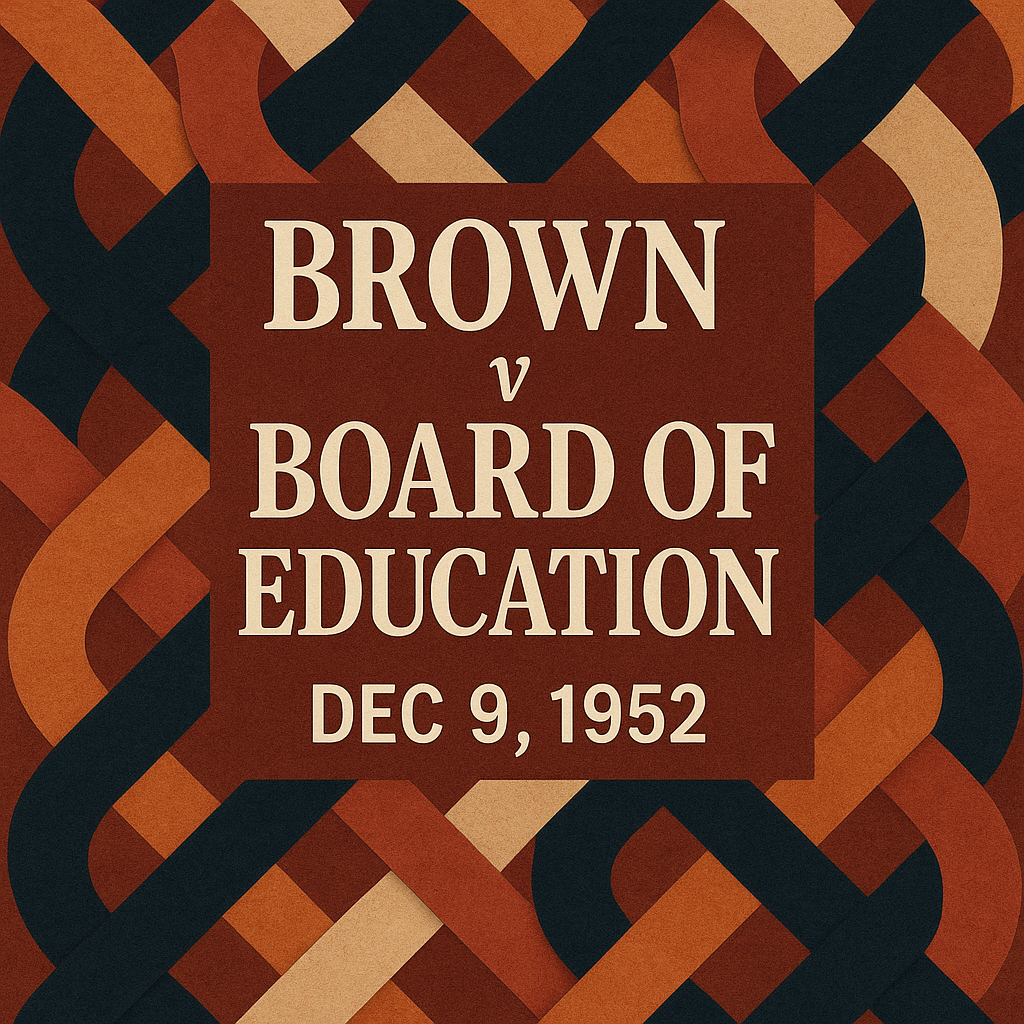
December 9, 1952 marked a turning point in American history, even though most people at the time didn’t realize how much the moment would reshape the nation. On this day, the U.S. Supreme Court began hearing arguments in Brown v. Board of Education and several related cases challenging school segregation. Families from Kansas, South Carolina, Virginia, Delaware, and the District of Columbia all stepped forward, insisting that separate classrooms created unequal futures for their children. Their voices carried a message that had been ignored for decades, and this was the first time the highest court in the country had to confront it head-on. The arguments unfolded over several days, exposing a truth that had long been clear to the families living it. Segregated schools were not just separate, they were deeply unequal in funding, safety, resources, and opportunity. Attorneys including Thurgood Marshall pushed the Court to acknowledge the harm being done to children who were told, by law, that they were worth less. It challenged the very idea of fairness in public education and forced the nation to face its contradictions. Though the Court would not reach a final decision until 1954, December 9 was the spark that set everything in motion. The justices’ willingness to reopen arguments multiple times showed how heavy the moment truly was. They knew the outcome would transform every district, every classroom, and every child’s understanding of what equality should look like in America. The eventual ruling, declaring school segregation unconstitutional, did more than change policy, it changed the nation’s direction. And it all began with the courage of families who refused to let inequality be the last word. #LataraSpeaksTruth #NewsBreak #HistoryMatters #AskLemon8 #BlackHistory #AmericanHistory #BrownvBoard #OnThisDay #CivilRightsHistory
THE©rankher

On April 23, 1951, a 16-vear-old qirl in Farmville, Virginia did something a whole lot of adults were too scared to do...she stood up. Barbara Johns was a student at Robert Russa Moton High School, an all-Black school so overcrowded and neglected that some students were being taught in tar-paper shacks. While white students had better buildings, better resources, and better conditions, Black students were expected to settle for less..less space, less comfort, less dignity, less future. Barbara was not iust making noise to make noise. She was strategic. She helped set things in motion so the principal would be away, arranged for a student assembly, and once the students were gathered, she spoke and urged them to walk out. They did. More than 450 students took part in that protest r= That moment mattered What began as students demanding better conditions became something even bigger once NAACP lawvers got involved. The case that grew out of Barbara Johns' protest was Davis v. Countv School Board of Prince Edward County...one of the cases later folded into Brown v. Board of Education. os Read that again. A teenage girl helped ignite a legal battle that became part of the case that challenged school segregation in America And still. Barbara Johns is not a household name the way she should be She was not waiting to be rescued. She was not waiting for permission. She saw what was wrong, understood what was unfair, and moved. At 16.That kind of courage deserves more than a footnote. Barbara Johns did not iust walk out of a school building that day....she walked straight into history. #Barbara Johns #BrownvBoard #OnThisDay #History #NewsBreak

You've reached the end!
Tag: BrownVBoard | LocalAll