DidYouKnow+FollowJesus never said “Hate the sin, love the sinner.” This phrase is quoted constantly in moral discussions. Many assume it comes directly from Jesus. It does not. Jesus never separates people into “sinner” and “acceptable object of love.” He eats with them. Touches them. Defends them. The phrase comes from much later theological language, not the Gospels. That matters, because this line is often searched by believers trying to justify emotional distance. They want to feel loving without being close. But Jesus’ pattern is relational, not theoretical. He engages people before correcting anything. If you have felt wounded by how this phrase was used on you, Scripture does not require you to accept that framing. The Bible never taught love from a distance. It taught love with risk. #BibleMisconceptions #MandelaEffect #JesusTeachings #ChristianLife #DidYouKnow141140Share
DidYouKnow+FollowGod never said “Cleanliness is next to godliness.” Many lifelong believers heard this as a moral standard. Tidy house, tidy heart. Obedience equates order. But it’s not biblical. The phrase comes from ancient Greek writings, not the Hebrew Bible. Holiness in Scripture is about relationship, not hygiene. Leviticus focuses on ritual and moral purity, not tidiness in living rooms. That matters, because older believers sometimes feel judged for the small things: missed routines, cluttered homes, imperfect habits. They measure spirituality by domestic order. Faith is not about neatness. It is about alignment with God’s heart. If your life feels messy, that does not mean your spirit is unclean. It means God sees deeper than appearances. #BibleMisconceptions #Holiness #ChristianLife #FaithAndReality #DidYouKnow5411Share
How Are You Feeling+FollowTo anyone who feels lonely even though they believe in God Loneliness didn’t come from unbelief. It came from feeling unseen—by people, and eventually, by God. That’s why I pay attention to how often David asks God to look at him. In the Psalms, this request appears again and again. The Hebrew verb suggests urgency, almost insistence. David isn’t asking for gifts. He’s asking for attention. The Bible doesn’t shame that need. It records it. Over and over. If faith hasn’t cured your loneliness, you’re not failing spiritually. Scripture never promised belief would erase isolation. It promised that loneliness could still be spoken—out loud, and preserved as prayer. #LonelinessInFaith #Psalms #David #ChristianLife #SpiritualIsolation13618Share
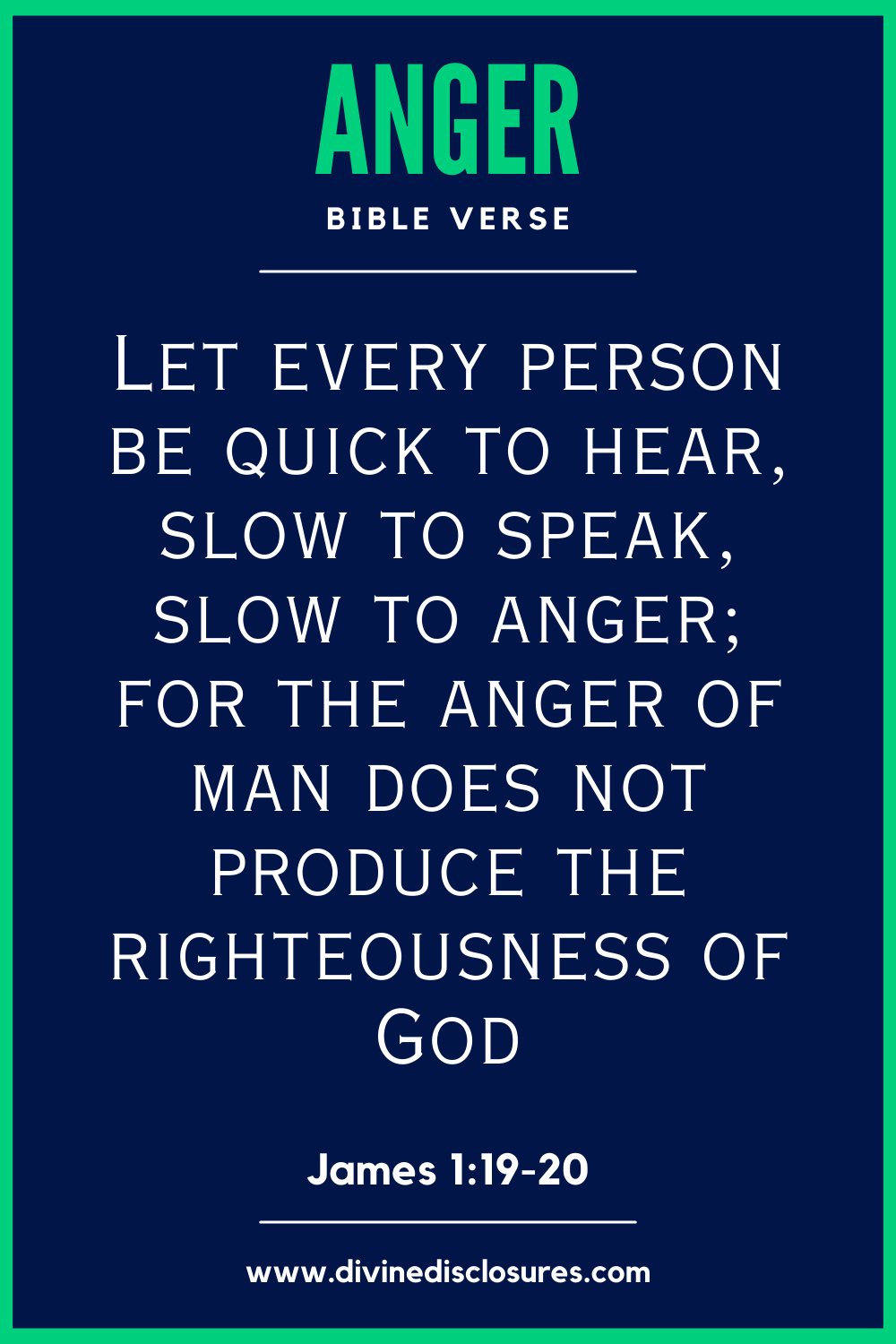
DidYouKnow+FollowGod never said good believers stop feeling angry. Anger is often treated as a spiritual failure. Something mature faith should grow out of. But the Bible never says that. In Scripture, anger appears inside prayer, not outside of faith. The psalms do not whisper. They protest. That matters, because many older believers learned to convert anger into silence. Toward leaders. Toward injustice. Toward God himself. But silence is not holiness. And anger, when spoken honestly, is not rebellion. The Bible does not erase anger. It gives it language. If anger still rises in you after all these years, that does not mean faith failed. It may mean your faith is still alive enough to respond. #BibleMisconceptions #FaithAndAnger #BiblicalLament #ChristianLife #DidYouKnow1154Share
OneWordStudy+FollowOne Greek word changed how I see endurance. In English, endurance sounds heroic. Like pushing harder and never slowing down. But the Greek word makrothymia means long-tempered. Literally, slow to boil. It describes someone who has learned to live with tension. Without exploding. Without quitting. This matters when life hasn’t improved, just continued. When endurance feels boring instead of brave. Scripture honors this kind of endurance quietly. Not because it looks strong, but because it lasts. Makrothymia says endurance doesn’t need applause to be real. #BibleStudy #GreekWord #Endurance #LongFaith #ChristianLife70Share
OneWordStudy+FollowOne Hebrew word changed how I understand faithfulness.One Hebrew word changed how I understand faithfulness. In English, faithful sounds consistent. Never wavering. Never slipping. But Lamentations uses the word emunah. It does not mean perfection. It means reliability over time. Emunah is about showing up again. After disappointment. After unanswered prayers. After fatigue. This kind of faithfulness is rarely dramatic. It looks ordinary. Almost invisible. Scripture praises emunah not because it shines, but because it lasts. If your faith feels quieter than it once did, emunah says: quiet does not mean gone. #BibleStudy #HebrewWord #Faithfulness #SteadyFaith #ChristianLife110Share
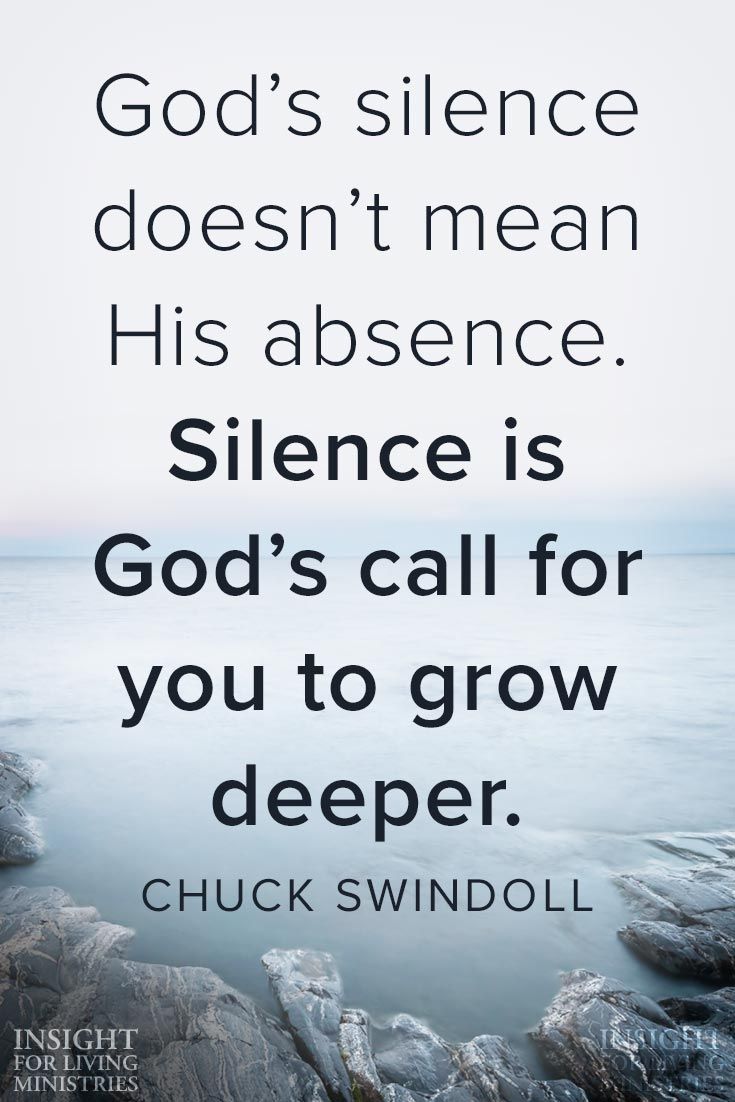
DidYouKnow+FollowGod never said strength means silence. Many believers were taught that strong faith stays quiet. Does not complain. Does not raise its voice. But the Bible is loud. The psalms argue. Prophets protest. Faith speaks when something is wrong. That matters, because older believers often learned to swallow anger. At leaders. At systems. At unanswered prayers. Silence felt safer than honesty. But Scripture never praises silence that protects injustice. It praises truth spoken without surrender. Lament is not disrespect. It is engagement. If you feel anger toward God or the church, that does not mean you lost faith. It may mean you still care enough to speak. #BibleMisconceptions #BiblicalLament #FaithAndAnger #ChristianLife #DidYouKnow1064Share
How Are You Feeling+FollowTo anyone who feels lonely even in church I was surrounded by people. And still felt unseen. Then I paid attention to David—not as king, but earlier. Before the crown, he keeps saying one thing in the Psalms: “Look at me.” The Hebrew verb implies urgency, not self-pity. It’s the cry of someone present, yet overlooked. The Bible never assumes community automatically heals loneliness. Even David felt isolated while worshiping among others. If church hasn’t cured your loneliness, you’re not broken. You’re experiencing something Scripture already understands—and names without shame. #LonelinessInFaith #Psalms #David #ChristianLife #SpiritualIsolation276Share
OneWordStudy+FollowOne Greek word changed how I see doubt. In English, doubt often sounds like failure. As if real faith should be clean, certain, and uninterrupted. In Mark 9:24, the father says, “I believe; help my unbelief.” The Greek word translated as unbelief is apistia. Apistia does not mean rebellion. It means belief that cannot fully stand on its own yet. Faith with a weak leg. Trust that still needs support. This kind of doubt is common among long-time believers. You believe—but you’ve buried people. You believe—but prayers didn’t change certain outcomes. You believe—but answers came slower than expected. Jesus doesn’t correct this man. He responds to him. Scripture shows us that faith and doubt are not always opposites. Sometimes, they are holding the same sentence together. #BibleStudy #GreekWord #DoubtAndFaith #SpiritualHonesty #ChristianLife101Share
DidYouKnow+Follow“Blessed” never meant comfortable. Today, blessing is often measured in ease. Health. Stability. Peaceful routines. But when Jesus says “blessed,” he uses the word makarios. It does not describe comfort. It describes being seen by God. The blessed ones, in the Beatitudes, are grieving. Hungry. Poor. Excluded. That matters, because many older believers quietly feel forgotten. Their bodies slow down. Their roles shrink. The church talks more about growth than about finishing well. But Scripture never ties blessing to usefulness. Only to presence. To be blessed is not to be spared. It is to be known. If your life feels smaller now, not larger, that does not mean blessing has left you. It may mean it has become quieter—and closer. #BibleMisconceptions #BiblicalMeaning #ChristianLife #SpiritualDepth #DidYouKnow664Share