Tag Page CivilRightsEra

#CivilRightsEra
LataraSpeaksTruth

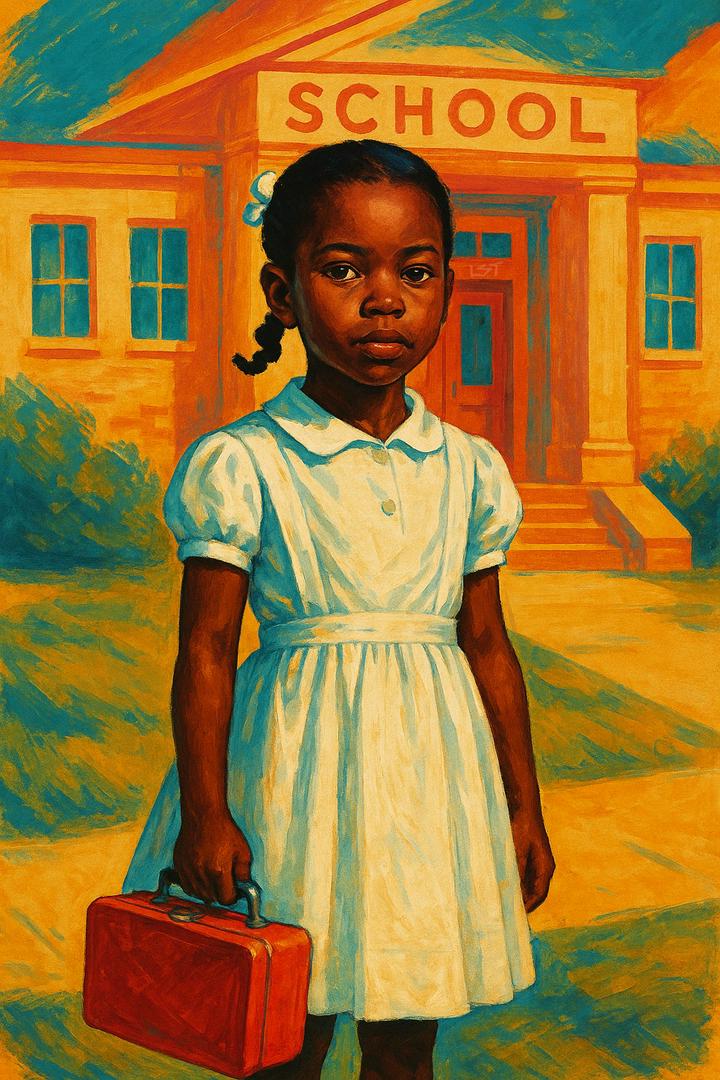
The Little Girl Who Moved a Nation

Ruby’s story hits like a drumbeat through history. Picture a tiny first-grader in 1960, rolling up to William Frantz Elementary in New Orleans with U.S. marshals flanking her like she’s the nation’s smallest superhero. Crowds spit hate, but Ruby? She keeps it moving, lunchbox swinging, spirit unbroken. Inside, every classroom is empty because white parents pulled their kids out. Only one teacher, Barbara Henry… has the backbone to teach her. So Ruby learns alone, day after day, in a school built for hundreds. Outside, the noise stays ugly, but Ruby prays for the people yelling at her. Wild level of grace for a six-year-old, honestly. That walk didn’t just open a school door. It cracked open the future. Ruby stood steady so generations of kids could sit together and learn without fear. Her steps still echo. Her courage still teaches. Her story? Still shaking the room. #RubyBridges #BlackHistory #AmericanHistory #CivilRightsEra #EducationHistory #LataraSpeaksTruth

The Little Girl Who Moved a Nation
LataraSpeaksTruth

On This Day: Monroe, North Carolina Draws National Attention in 1960

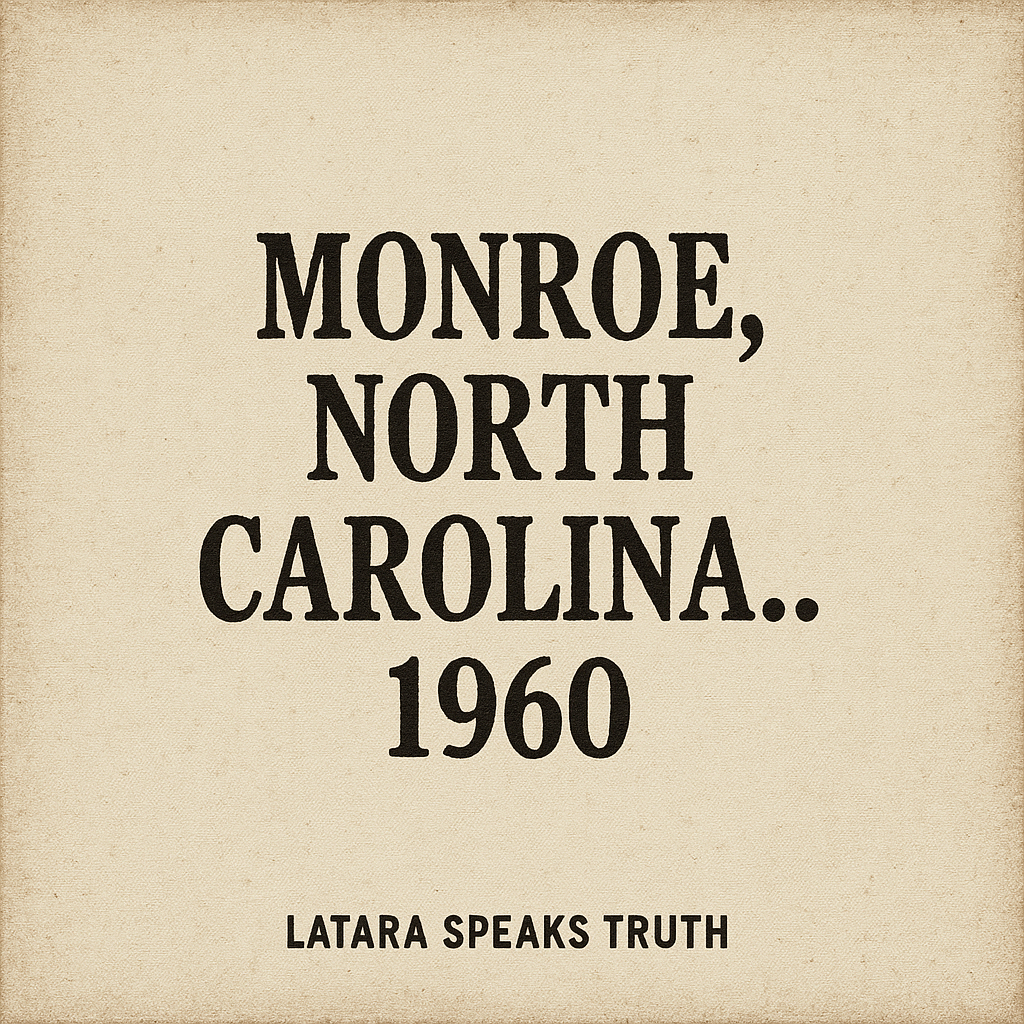
On November 26, 1960, The New York Times published a front-page report titled “Klan and Negroes March in North Carolina Town,” highlighting rising tensions in Monroe, North Carolina, during a pivotal moment in the early civil rights era. Throughout the 1950s, Monroe’s Black residents reported ongoing instances of unequal treatment and intimidation as they pressed for constitutional rights and improved public safety. Community leaders documented these concerns and increasingly organized local efforts calling for fair protection under the law. During this same period, the Ku Klux Klan expanded its presence in the region, holding public demonstrations and increasing its visibility around the town. These activities generated significant local unease and deepened divisions within the community. The march referenced in the Times article brought national visibility to these conflicting forces. Local Black residents mobilized to advocate for equal treatment and greater security, while members of the Klan held their own demonstration representing an opposing stance. The two groups appearing on the same day underscored how sharply divided the town had become. The decision by The New York Times to place this story on its front page had a major impact. It brought attention to conditions in Monroe that had previously received little national coverage, highlighting that civil rights struggles were taking place not only in major cities but also in smaller towns across the South. The headline did not signal the end of the conflict, but it marked a moment when wider audiences could no longer overlook what local residents had been raising concerns about for years. #OnThisDay #AmericanHistory #NorthCarolinaHistory #CivilRightsEra #1960sHistory

On This Day: Monroe, North Carolina Draws National Attention in 1960
LataraSpeaksTruth

1958… The Day Louisiana’s “Anti-Mixing” Sports Law Finally Fell

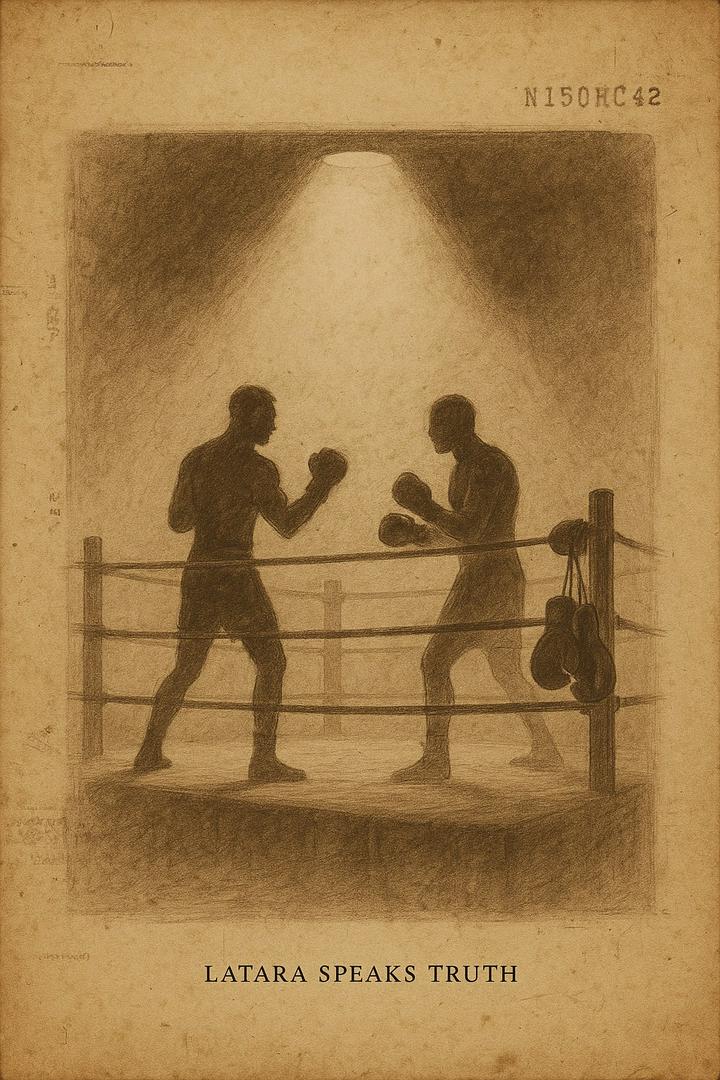
On November 28, 1958, a federal three-judge court ruled against Louisiana’s attempt to keep sports segregated forever. The case was called Dorsey v. State Athletic Commission, and it targeted the state’s “anti-mixing” law… a rule that tried to stop Black and white athletes from competing against each other. Louisiana used this law to block integrated boxing matches. Promoters were threatened with jail. Black fighters were refused licenses. White fighters were told to stay in their own lane. The whole thing was designed to protect the old order… and punish anyone who dared to break it. The court struck it down. They called it unconstitutional, discriminatory, and flat-out incompatible with the country’s direction. It was one of the quiet wins that chipped away at segregation’s foundation. Not loud. Not flashy. But necessary. This wasn’t just about sports. It was about the state trying to control who could stand toe-to-toe in public. And the court said no… not anymore. #LataraSpeaksTruth #HistoryMatters #AmericanHistory #HiddenHistory #UntoldStories #OnThisDay #CivilRightsEra

1958… The Day Louisiana’s “Anti-Mixing” Sports Law Finally Fell
You've reached the end!