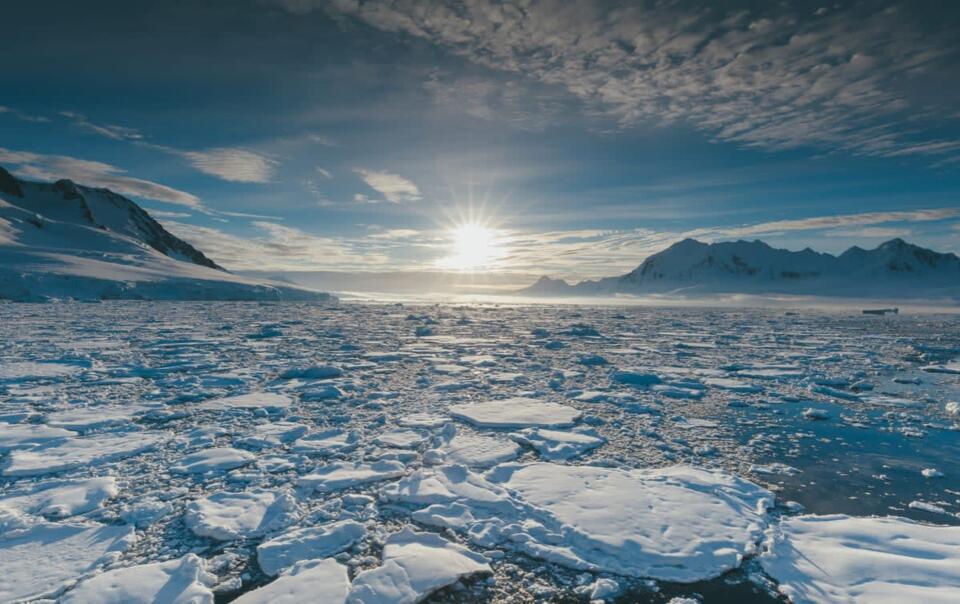
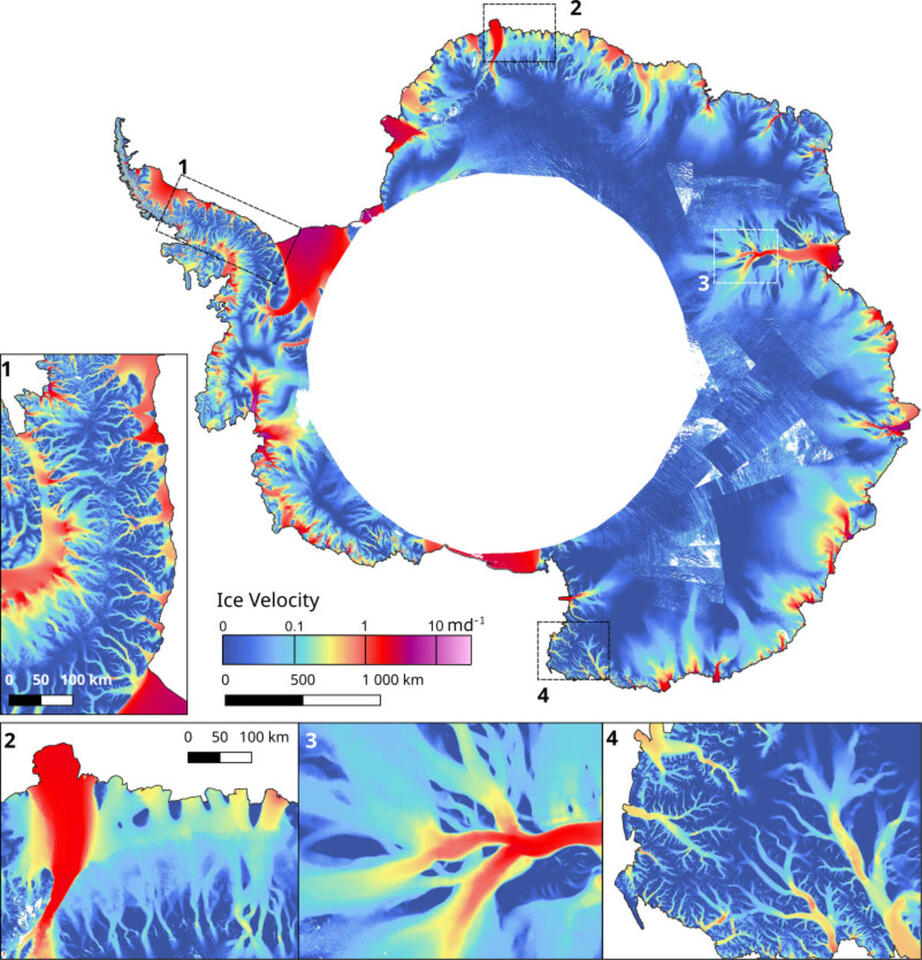
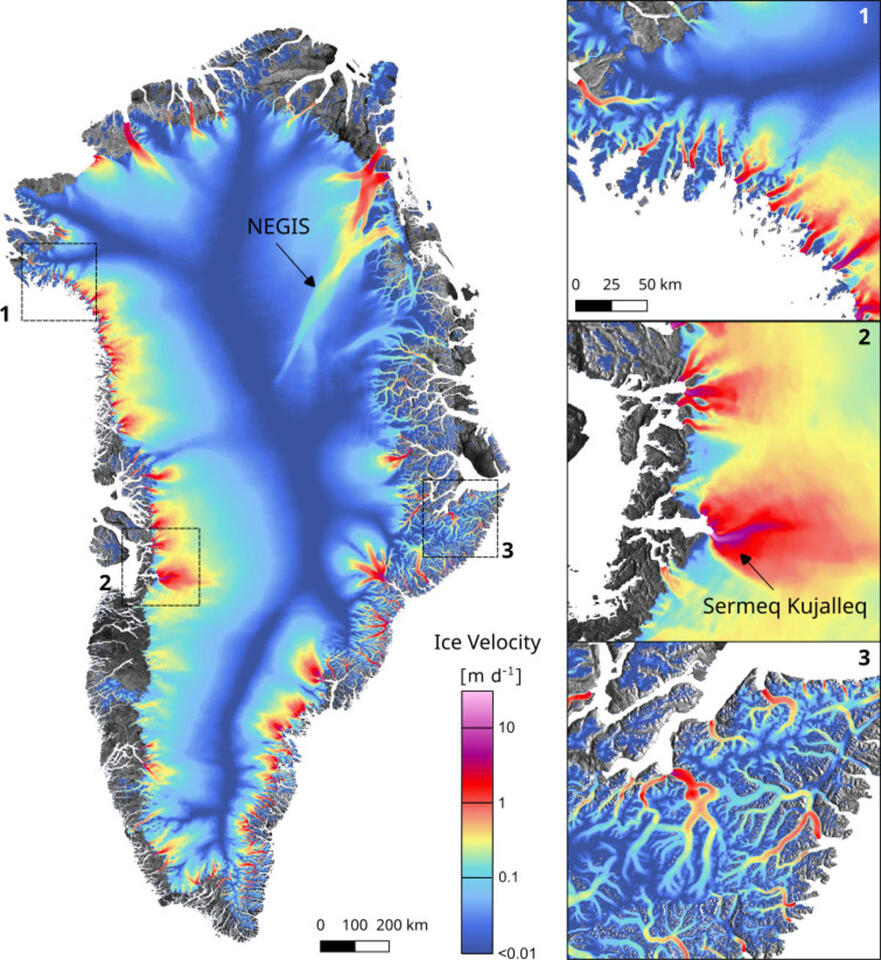
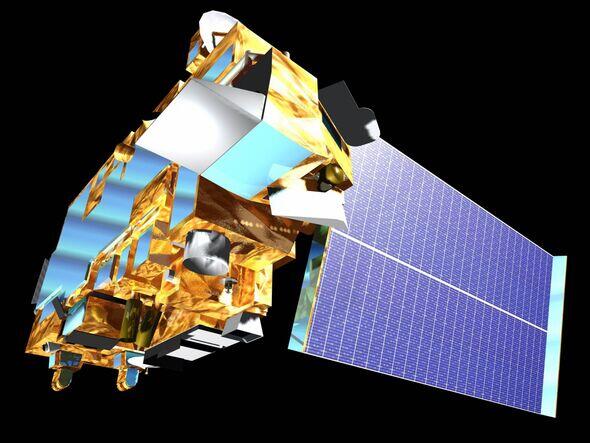
Michael Flores+FollowGreenland & Antarctica’s Ice Speeding Up?!Imagine your ice cream melting down your arm—now picture that, but it’s Greenland and Antarctica’s massive ice sheets. Scientists just dropped the first-ever high-res ‘ice speed report’ and, yikes, some glaciers are moving up to 164 feet per day! Satellites are basically binge-watching the ice 24/7, tracking every crack and slide. The big takeaway? Our frozen giants are melting and shifting faster than ever, and it’s a major red flag for rising seas and climate change. #Science #ClimateChange #Greenland00Share
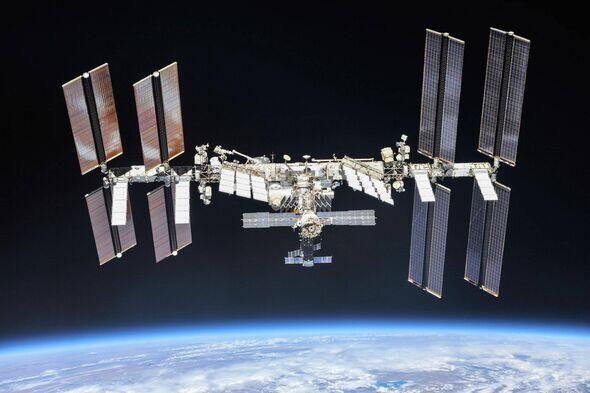
megangibson+FollowEarth’s Getting Dimmer—Here’s Why It MattersNASA just confirmed Earth is literally getting darker—yep, our planet is reflecting less sunlight back into space. That means more heat is being trapped, which could crank up summer temps and supercharge storms. The wild part? The Northern Hemisphere is dimming faster, thanks to melting ice and changing clouds. It’s a subtle shift, but scientists say it could have huge consequences for our climate. Kinda wild to think we’re changing the planet’s shine from space! #Science #NASA #ClimateChange21Share
Michelle York+FollowMelting Ice Could Unleash Hidden VolcanoesImagine a soda bottle ready to explode—now picture that under Antarctica’s ice. Scientists say as glaciers melt, the pressure that kept volcanoes in check is vanishing, making eruptions way more likely in places we never worried about before. This isn’t just a wild theory: hundreds of ‘ice volcanoes’ could wake up, creating a feedback loop of more melting and more eruptions. Climate change just got a whole lot messier (and hotter). #Science #ClimateChange #Volcanoes10Share
megangibson+FollowSalmon Are on the Move—And That's Bad NewsDid you know Pacific salmon are heading north because the oceans are getting warmer? Researchers just found that rising temps are messing with their food supply, causing salmon populations to drop. This isn’t just a fish problem—Japan’s biggest fishery and tons of marine life depend on them. Plus, it could mean pricier seafood and even food shortages. Cutting pollution and rethinking fishing seasons could help, but it’s a wake-up call for all of us! #Science #ClimateChange #OceanLife10Share
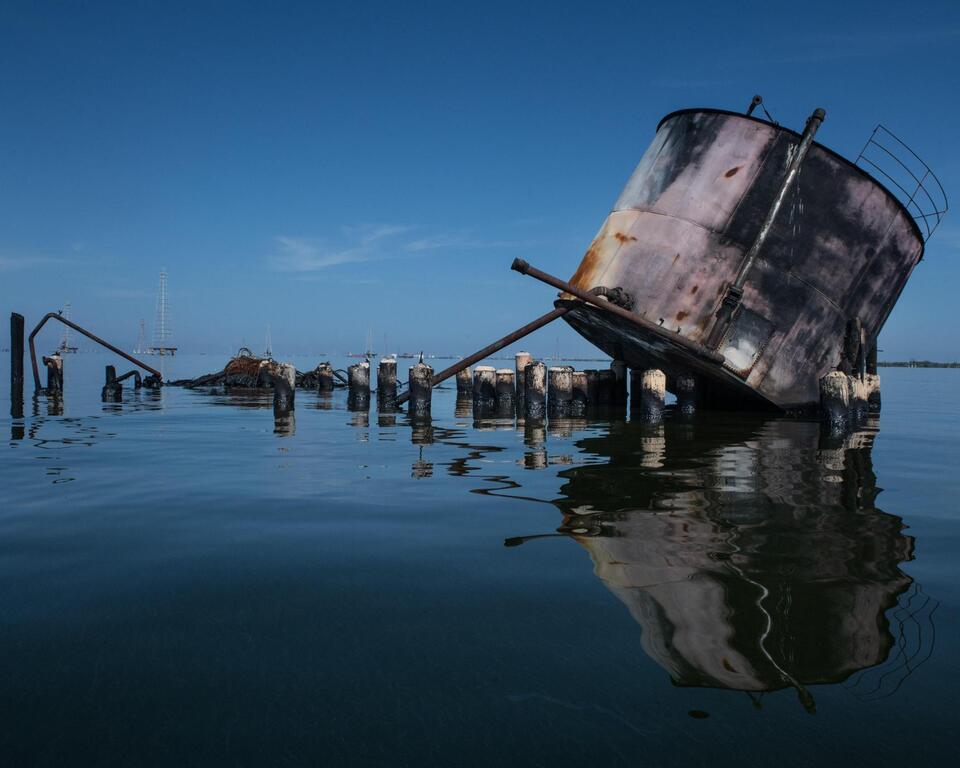
Jerry Clark+FollowWould You Pay More for Dirtier Gas?Here’s a wild one for your coffee break: The US wants to tap Venezuela’s massive oil stash, but experts say just using that oil could eat up 13% of the world’s carbon budget to keep climate change in check. The catch? Venezuela’s oil is extra dirty, so burning it means more pollution and, likely, higher costs for everyone. If you’re budgeting for the future, maybe think twice about filling up the tank! #Business #Industry #ClimateChange00Share
Brandon Burke+FollowExtreme Heat = More Anxiety?Did you know that states with more 100-degree days see higher rates of depression and anxiety? A new study found that for every extra 10 days of extreme heat, mental health issues jumped by over 6%. It’s not just the sunburns—climate change is literally messing with our minds. And if you don’t have health insurance or a diploma, the impact is even worse. Wild, right? #Health #MentalHealth #ClimateChange11Share
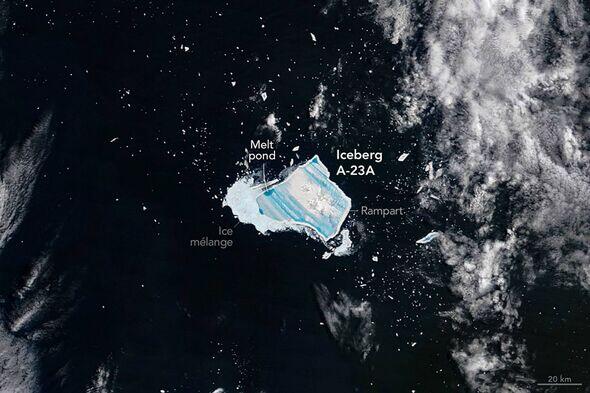
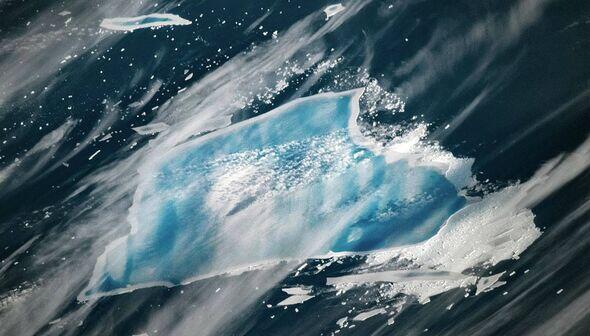
Alexandria Simmons+FollowIceberg Meltdown: Nature’s Big BreakupHere’s a wild one for your coffee break: NASA says one of the world’s biggest icebergs, A-23A, is about to totally fall apart after drifting for decades. Imagine something the size of NYC just melting away! The real kicker? This is a front-row seat to climate change in action—think of it as nature’s not-so-subtle hint that our planet’s cooling system is on the fritz. Time to rethink those long, hot showers! #Business #Industry #ClimateChange00Share
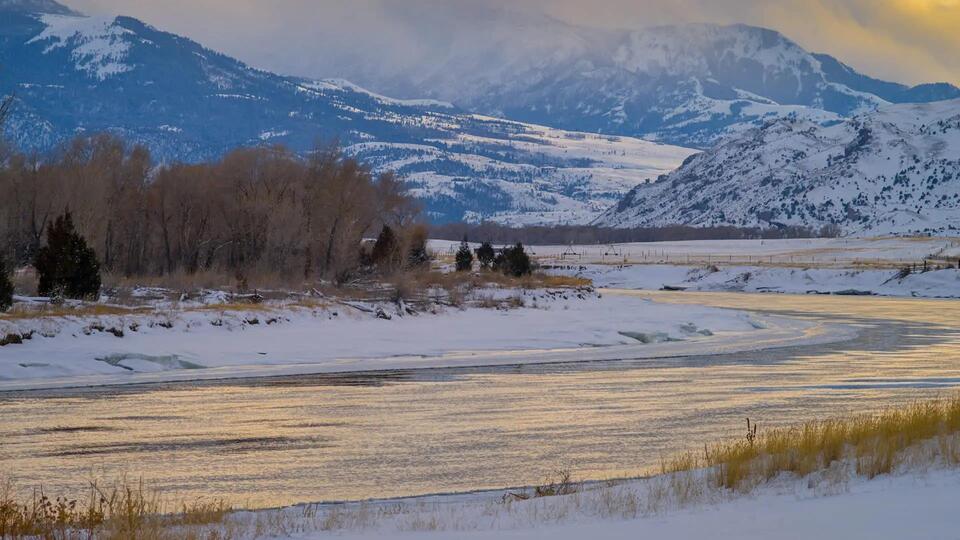
Robin Long+FollowYellowstone’s wild winter: Snow droughts and power woesYellowstone is facing a winter twist that’s catching everyone off guard—barely any snow in the park means snowmobile tours are canceled, leaving visitors disappointed and local businesses worried. Meanwhile, just over the border in Cooke City, Montana, there’s so much snow that power outages are scaring off tourists. These weather swings aren’t just a fluke—they’re part of a bigger trend linked to climate change, making winters less predictable and tougher for communities that rely on steady seasons. Anyone else noticing how these changes are hitting closer to home every year? #News #Yellowstone #ClimateChange00Share
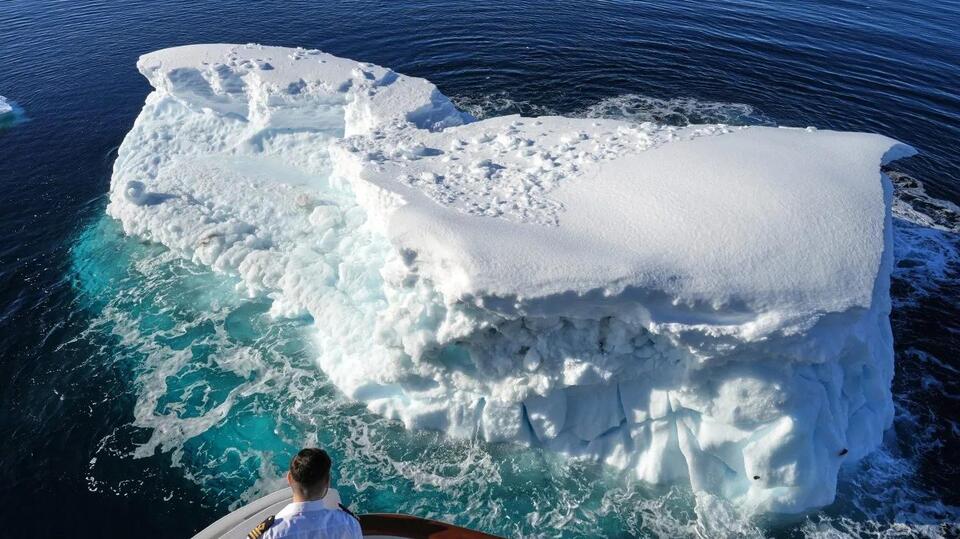
Melvin Mosley+FollowIceberg Glow-Up: A-23A’s Blue GoodbyeDid you see this? The world’s former largest iceberg, A-23A, is literally turning blue as it melts away after 40 years! It started out twice the size of Rhode Island, but now it’s just a fraction of that and leaking so much meltwater, scientists say it could totally vanish in weeks. The blue color? That’s a sign it’s waterlogged and on its last legs. Nature’s wildest farewell tour! #Science #Iceberg #ClimateChange20Share
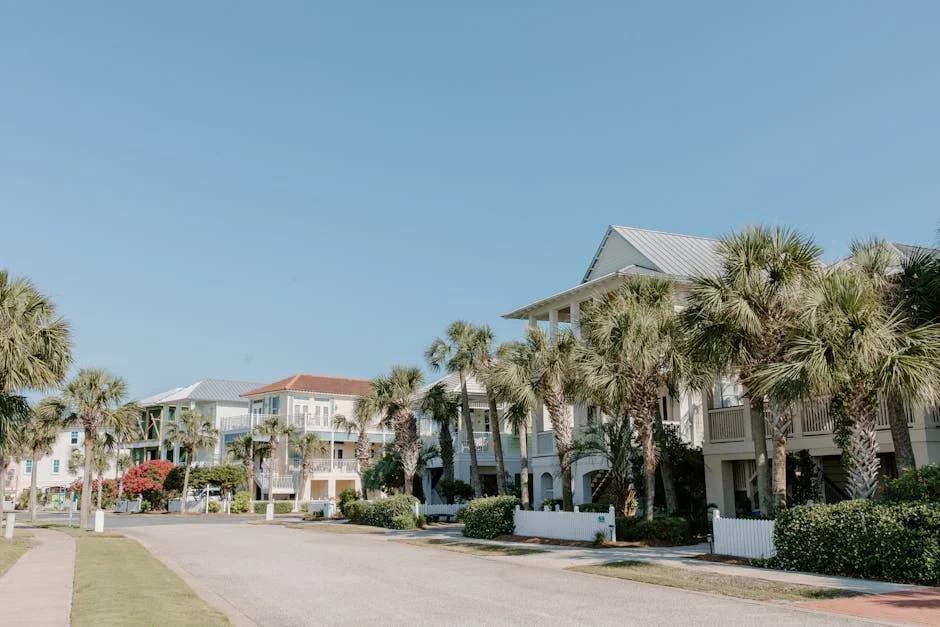
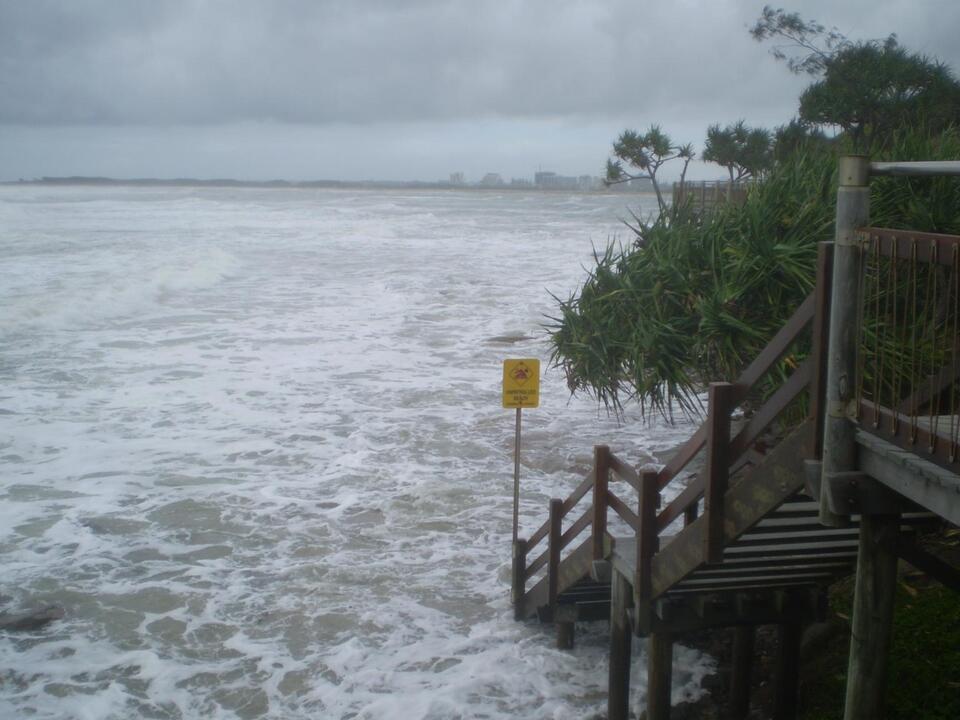
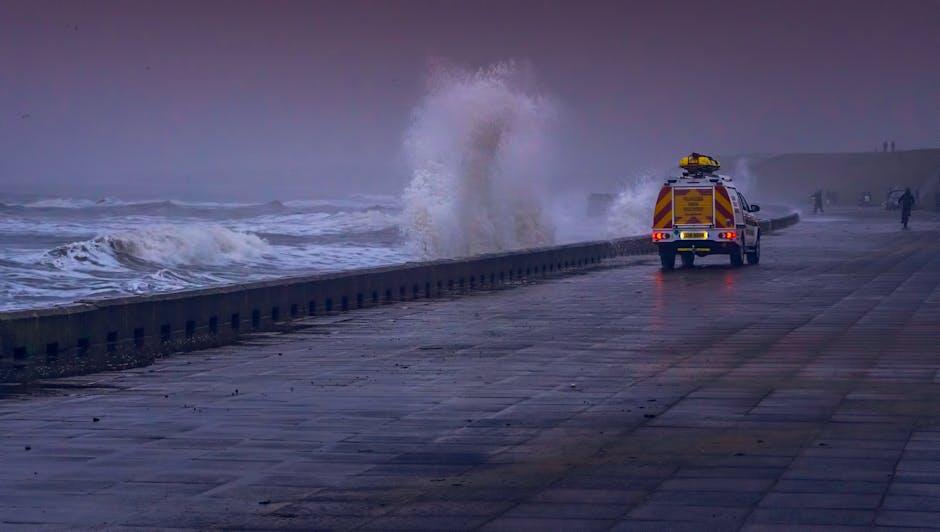
Shelly Powell+FollowIs Your Beach House a Risky Bet?Thinking about that dream beach house? Here’s the scoop: rising sea levels and wild weather are quietly making coastal homes harder to insure and even harder to sell. Some insurance companies are hiking premiums or bailing out altogether, leaving homeowners in a tough spot. If you’re eyeing a seaside escape, double-check those flood maps and budget for higher costs—climate change is rewriting the rules for waterfront living. #RealEstate #RealEstateTips #ClimateChange00Share