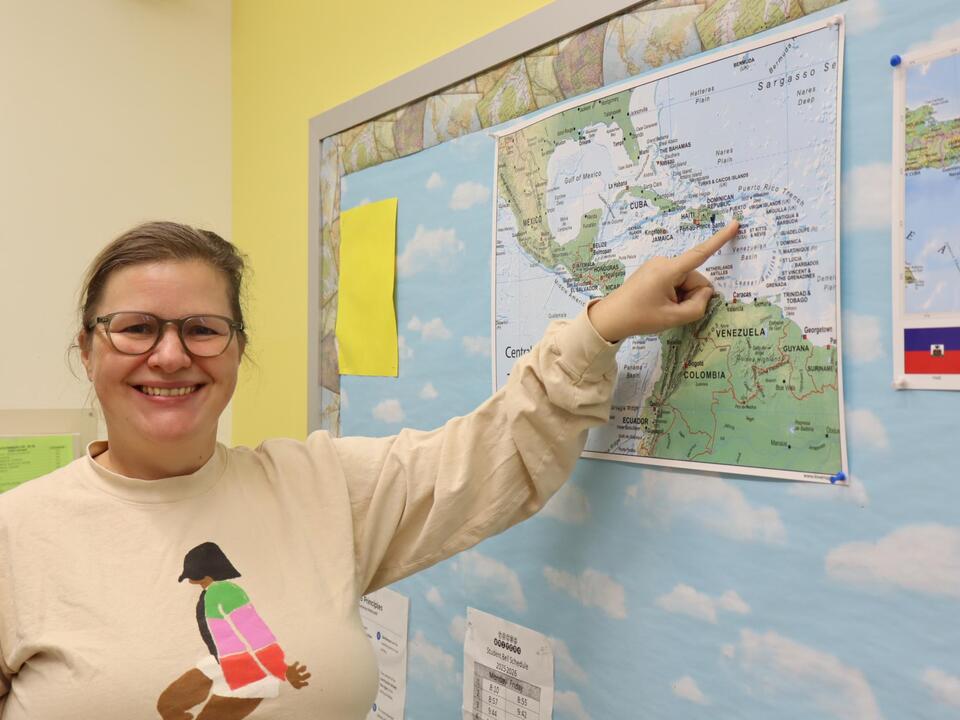
Jessica Marshall+FollowPuerto Rican culture comes alive in new classA brand new Puerto Rican Studies course is shaking up the 12th grade curriculum next spring, and it’s not just about textbooks—students will actually travel to Puerto Rico to experience the culture firsthand! Ms. Justianna, who spent a decade living on the island, wants students to connect with their roots and traditions in a way that’s accessible for everyone—no passport needed. Elijah Ramos, a senior, says he’s excited to learn more about his heritage and family. This class is more than a history lesson; it’s a chance to build community and understanding. Who else thinks more schools should offer experiences like this? #Education #PuertoRicanStudies #CulturalHeritage00Share
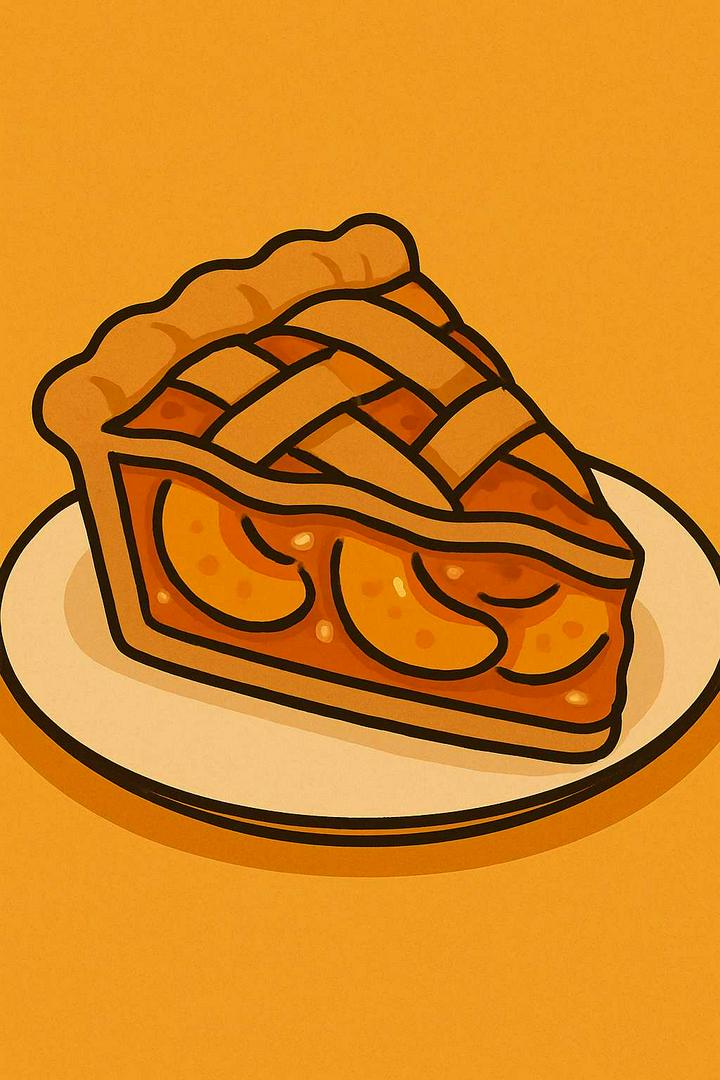
The Story Behind...+FollowPeach cobbler didn’t show up to the cookout by accident. It was born out of survival, creativity, and the quiet genius of people who learned how to turn leftovers into legacy. When early American settlers and enslaved cooks didn’t have the ingredients or equipment to make European pies, they improvised. They took peaches that were bruised or too ripe, mixed them with sugar and spices, and baked them under a rough layer of dough that “cobbled” together like a broken road. That imperfect top gave the dish its name. Southerners took that idea and ran with it. Fresh peaches in the summer. Canned peaches in the winter. Butter that talked back. Cinnamon that warmed the whole room. Peach cobbler became a staple because it didn’t need perfection to be delicious. It just needed heart, heat, and someone willing to pray over the pan. In Black households, peach cobbler grew into a tradition. A celebration dessert. A Sunday dessert. A “who made the cobbler?” level of respect that could crown or revoke someone’s kitchen credentials. This wasn’t just food. It was proof of skill. Proof of care. Proof that comfort could be baked into a dish the way memories bake into childhood. But the real story behind peach cobbler is simple. It’s resilience. It’s joy. It’s the taste of making the best out of what you have and turning it into something people gather around. It reminds us that sweetness doesn’t come from perfection. It comes from hands that keep creating even when the recipe has to be rewritten. #TheStoryBehind #FoodHistory #SouthernTraditions #CulturalHeritage60Share