Celebrating a Legend: Eartha Kitt’s 99th Heavenly Birthday
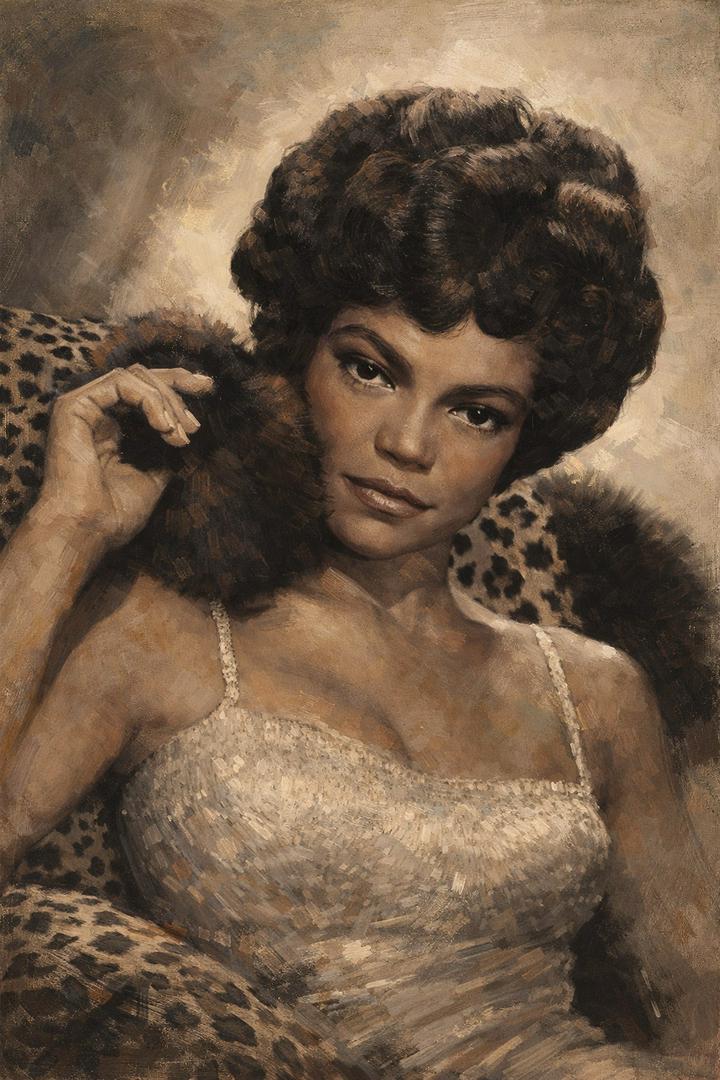
Today, we pause to honor a woman who never asked for permission and never needed approval. On what would have been her 99th birthday, we remember Eartha Kitt…a force of nature wrapped in elegance, intellect, and unapologetic truth. A sharecropper’s daughter from South Carolina who carved her way into Broadway, Hollywood, and the global music stage with raw talent, a signature growl, and an iron spine.
Born January 17, 1927, Eartha’s life is a testament to resilience. Her early years were marked by hardship and instability, yet she refused to let that define her future. Her voice and presence caught the attention of Orson Welles, who cast her in Dr. Faustus and famously called her “the most exciting woman in the world.” He wasn’t wrong.
Eartha didn’t just sing songs like “C’est Si Bon” or “Santa Baby”…she inhabited them. She redefined sophistication and power for Black women in entertainment at a time when both were tightly controlled. In the 1960s, she broke another barrier as Catwoman on Batman, proving that femininity could be seductive, commanding, and dangerous all at once.
Her boldest role, however, was herself. After speaking out against the Vietnam War at a White House luncheon in 1968, Eartha was effectively blacklisted in the U.S. She did not apologize or soften her stance. She took her talent overseas, thrived in Europe, and returned years later to standing ovations on Broadway.
Her words on love, independence, and self-worth still resonate today. As we approach her centennial, Eartha Kitt remains the blueprint for living boldly, speaking honestly, and never shrinking to be accepted.
Happy Heavenly Birthday to a true original.
#EarthaKitt #HeavenlyBirthday #Legend #Icon #WomenInHistory #Catwoman #CulturalLegacy #Resilience