On December 19, 1891, in Baltimore, history moved quietly but decisively.
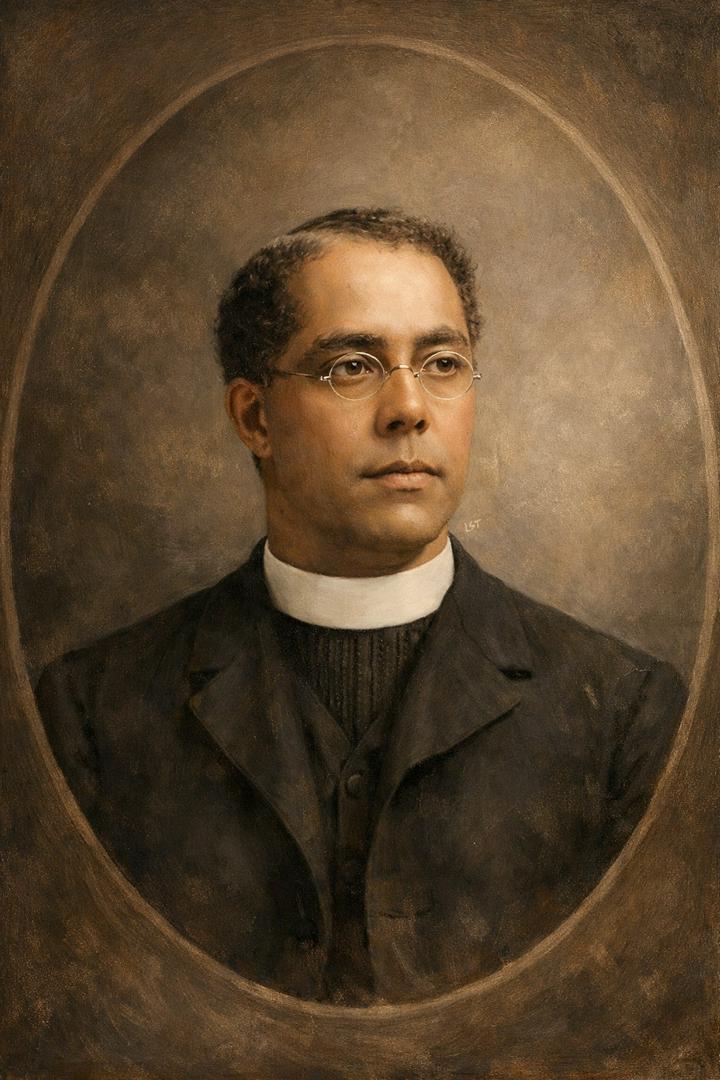
Charles Randolph Uncles became the first African American man ordained a Catholic priest on U.S. soil, breaking through a Church that, like the country around it, was deeply entangled in racial exclusion.
Born in 1859 to parents who had been enslaved, Uncles converted to Catholicism as a teenager and soon felt called to the priesthood. That calling was met with resistance. American seminaries shut their doors to him because of his race, forcing him to complete his studies in Europe before returning home for ordination.
Ordination did not end the struggle. Father Uncles spent his ministry navigating segregation in parishes, schools, and religious institutions. Still, he showed up. Still, he served. Still, he believed the Church could be better than its habits.
He became a founding force behind the Society of St. Joseph of the Sacred Heart, known as the Josephites, a religious order dedicated to serving Black Catholic communities in the United States. This was not symbolic work. It was real, grounded pastoral labor.
Father Uncles was more than a parish priest. He was an educator, an advocate, and living proof that authority, faith, and leadership were never meant to be limited by race. His presence at the altar challenged assumptions about who belonged there.
December 19, 1891 stands as more than a religious milestone. It reminds us that progress often begins with someone willing to endure exclusion so others do not have to.
History does not always shout. Sometimes it kneels, stands up anyway, and refuses to leave.
#OnThisDay #ThisDayInHistory #AmericanHistory #FaithHistory #ReligiousHistory #HiddenHistory #UntoldHistory #HistoryMatters