May 4, 1961: The Freedom Rides began when 13 activists left Washington, D.C., by bus to challenge segregation in interstate travel.
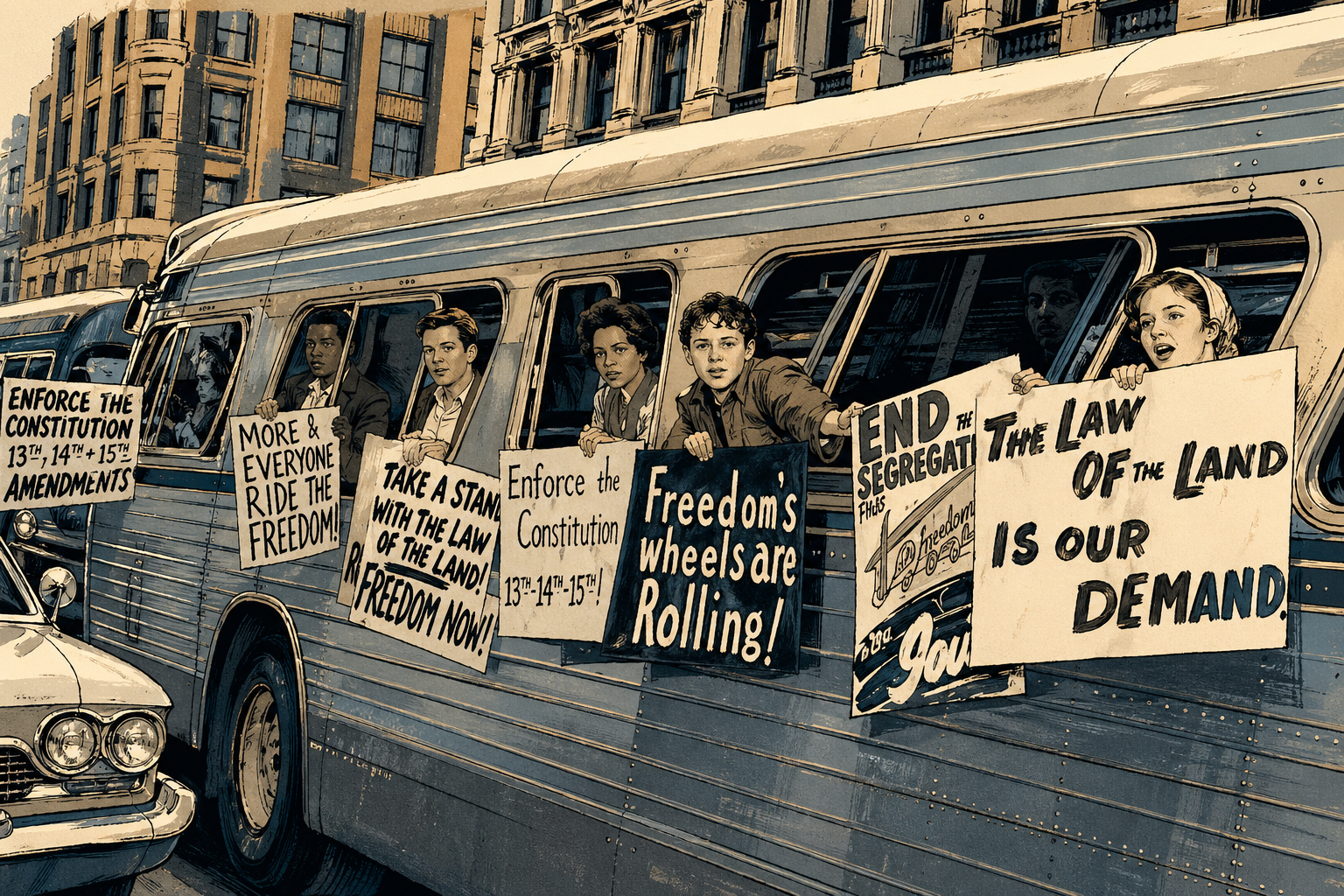
Organized by the Congress of Racial Equality, known as CORE, the first group included seven Black riders and six white riders. They boarded Greyhound and Trailways buses with one purpose: to test whether the South would obey federal law.
This was not random protest. It was direct action backed by law. The Supreme Court had already ruled against segregation in interstate bus travel and later against segregation in bus terminal facilities serving interstate passengers. But across much of the South, those rulings were often ignored.
So the Freedom Riders tested the law in public.
They planned to travel from Washington, D.C., to New Orleans, using waiting rooms, restrooms, lunch counters, and seating areas that Southern custom still tried to divide by race.
That is what made the rides so powerful. They exposed the gap between what the law promised and what Black travelers actually faced.
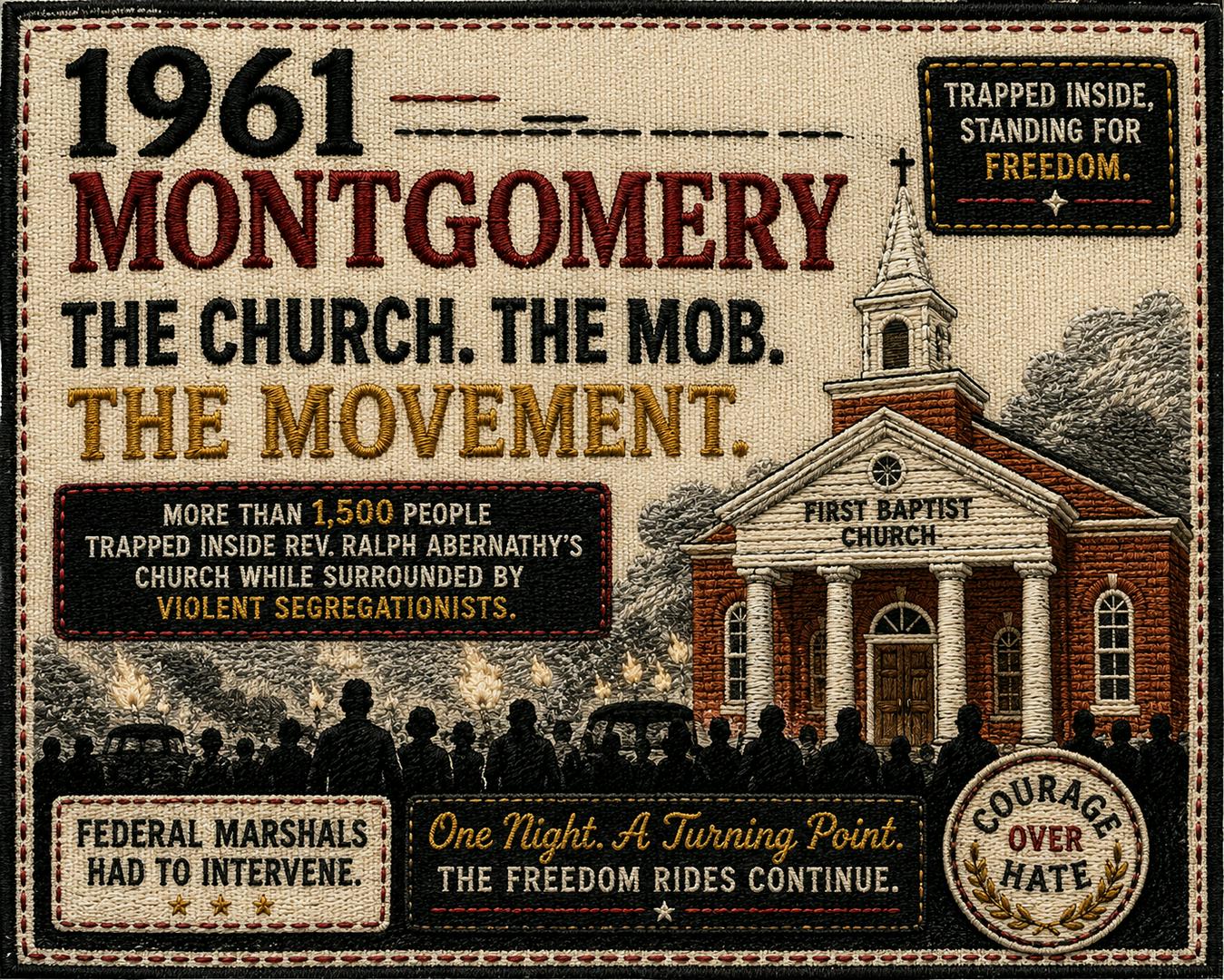
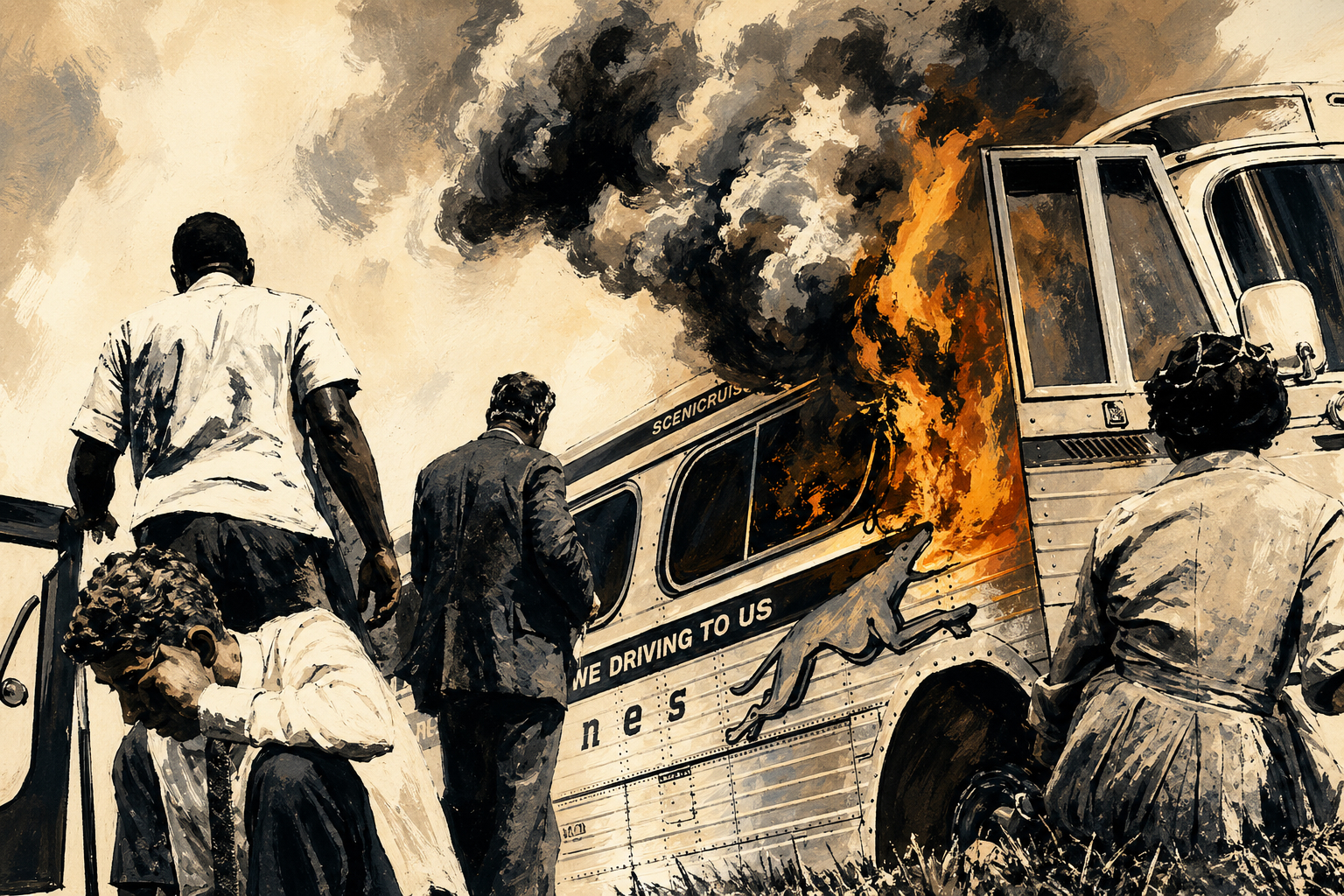
At first, the trip moved with limited trouble. But deeper in the South, the danger grew. In Alabama, a Greyhound bus was attacked and firebombed near Anniston. Riders on another bus were beaten in Birmingham. In Montgomery, more violence showed the nation how far some people were willing to go to defend segregation.
But the Freedom Rides did not end with fear.
More riders joined. Students, ministers, and activists continued the movement, knowing they could be jailed, beaten, or worse. Their courage forced national attention onto segregation in interstate travel and helped pressure federal officials to enforce the law.
The Freedom Rides were not just about buses. They were about whether America would honor its own laws when Black citizens demanded rights already promised to them.
On May 4, we remember the riders who stepped onto those buses knowing the road ahead could turn dangerous, but went anyway.
#FreedomRides #OnThisDay #AmericanHistory