Tag Page HiddenFigures

#HiddenFigures
LataraSpeaksTruth

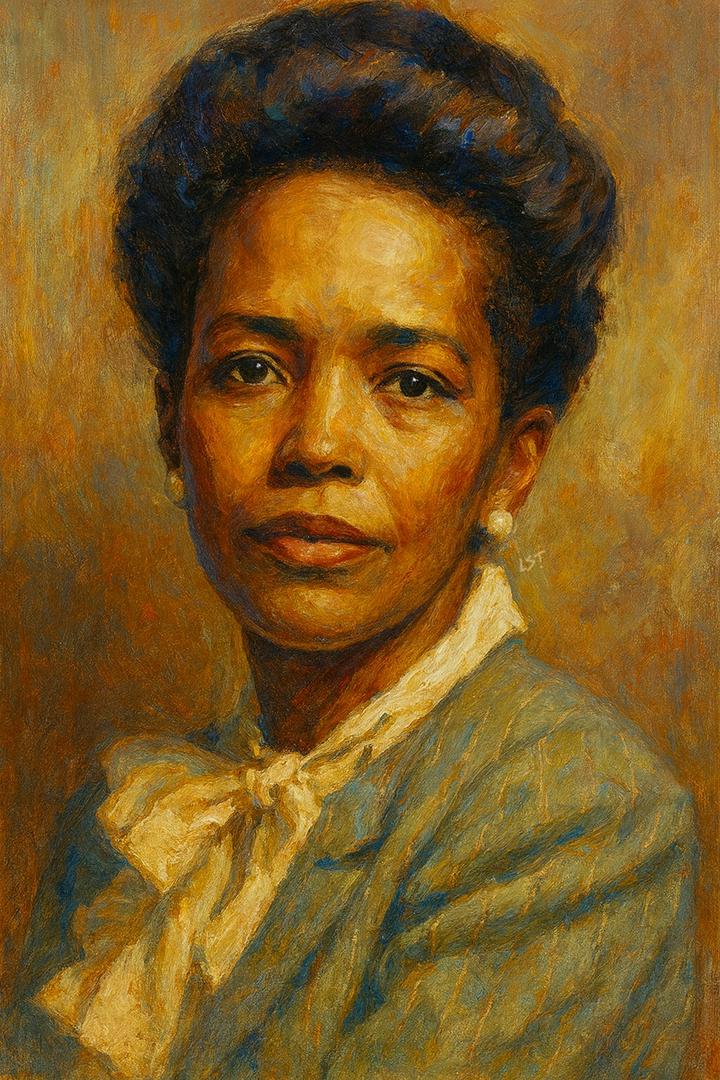
Ella Baker was born on December 13, 1903, and she died on December 13, 1986. Eighty three years, same date. That alone tells you this is someone worth pausing for. But her real legacy is not about dates. It is about how movements are built, and who actually holds them up. Ella Baker was a strategist, organizer, and political thinker who believed real change comes from ordinary people, not charismatic figureheads. She worked with the NAACP, helped launch the Southern Christian Leadership Conference, and later played a critical role in the formation of the Student Nonviolent Coordinating Committee. While others gave speeches, she built systems. While others stood at podiums, she stood in community meetings, kitchens, and church basements. She openly challenged the idea that movements need a single leader. Her philosophy was simple but radical. Strong people do not need strong leaders. They need tools, knowledge, and space to organize themselves. That belief shaped student activism across the South and helped fuel voter registration drives, grassroots education, and long term organizing that rarely made headlines but changed lives. Ella Baker was not interested in fame. She was interested in results. She pushed back when voices were ignored. She insisted women be taken seriously in organizing spaces. She believed young people were not the future of movements but the present. Many of the freedoms later generations benefited from were protected and expanded by work she helped guide, often without credit. Her story reminds us that history is not only made by the loudest voice in the room. Sometimes it is made by the one making sure everyone else is heard. December 13 is her day. And remembering her means remembering how change actually happens. #EllaBaker #OnThisDay #December13 #HiddenFigures #HistoryMatters #GrassrootsOrganizing #SNCC #NAACP #CivilRightsHistory #Leadership #WomenInHistory #OurHistory

LataraSpeaksTruth

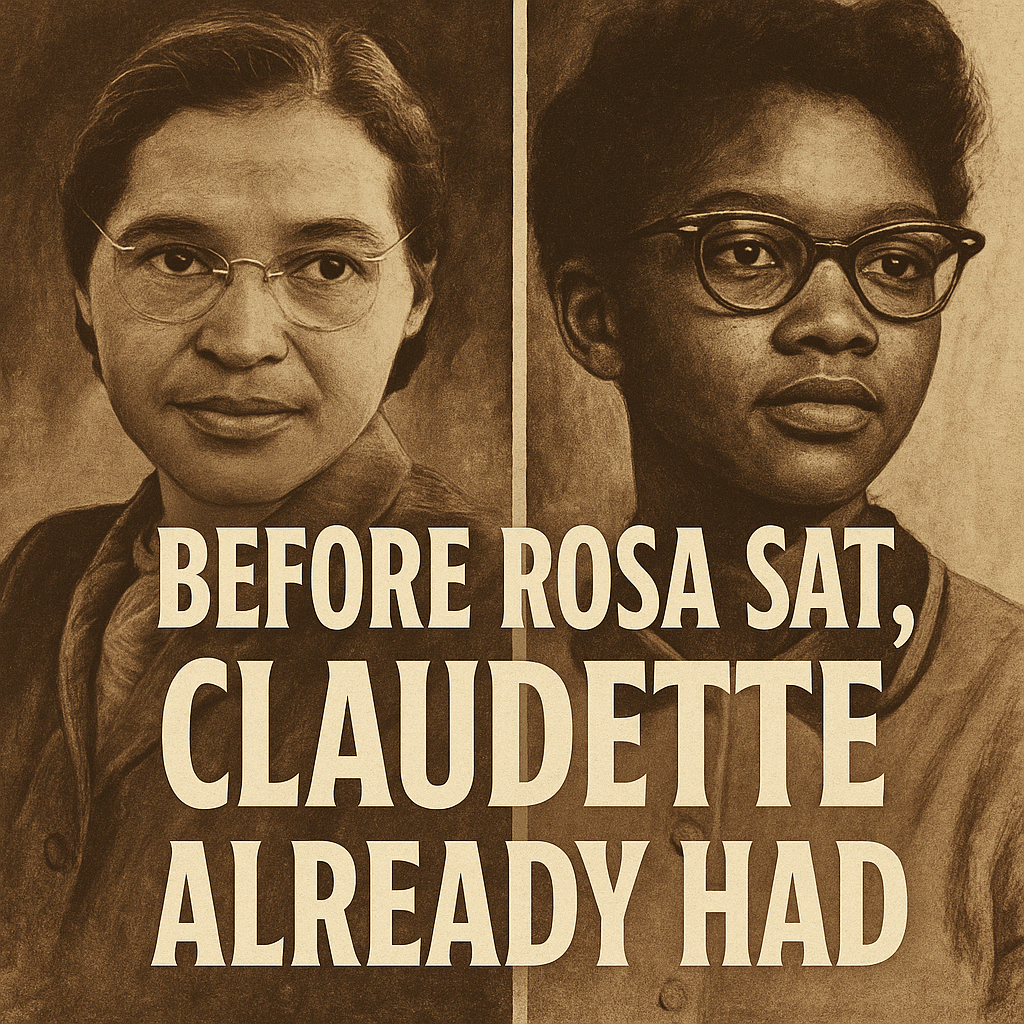
🚌Before Rosa Sat, Claudette Already Had.

Nine months before Rosa Parks made history, a 15-year-old girl named Claudette Colvin refused to give up her seat on a Montgomery bus. She was young, bold, and fearless, but the movement wasn’t ready to rally behind her. They called her “too rebellious,” “too dark,” “too unpolished.” So when Rosa Parks, a seasoned activist and NAACP secretary, made that same choice, the world finally paid attention. Not because the act was new… but because society decided who was allowed to represent it. Rosa knew the risk. She knew the story before hers. And she made her moment count, turning one woman’s refusal into a movement’s awakening. 🕊️ She passed away on this day in 2005, but her courage, and Claudette’s… still ripple through every generation learning that “quiet” does not mean “compliant”. #ClaudetteColvin #RosaParks #BlackHistory #CivilRights #LataraSpeaksTruth #WomenOfCourage #HiddenFigures #KnowYourHistory #BlackExcellence #LegacyAndTruth

🚌Before Rosa Sat, Claudette Already Had.
LataraSpeaksTruth

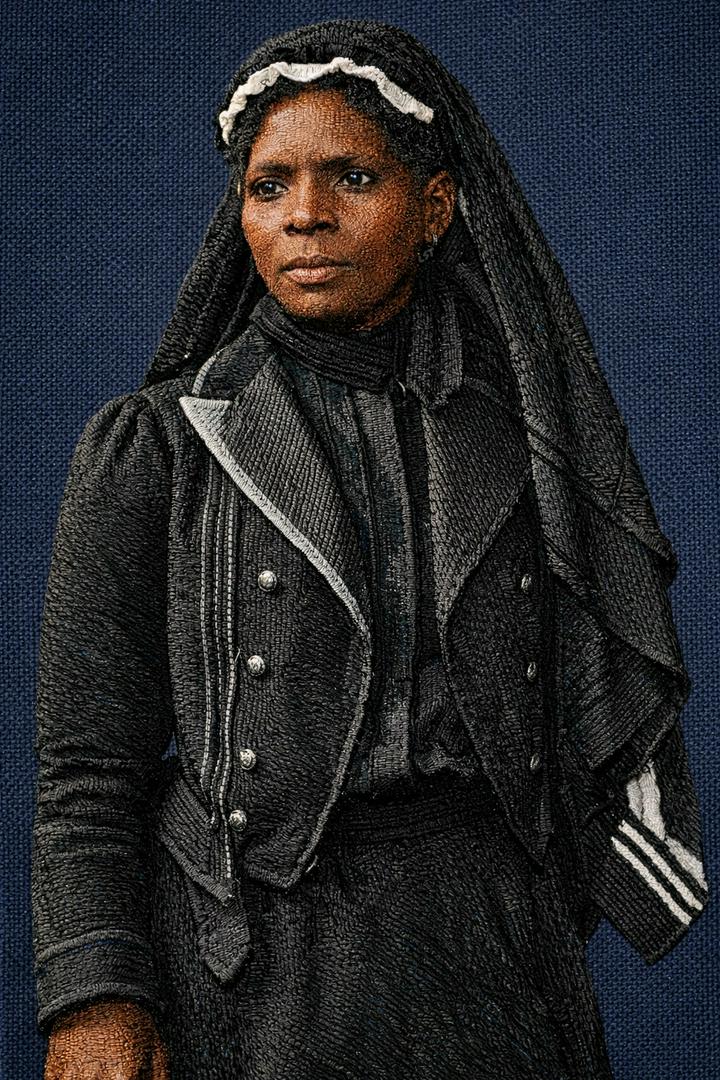
Some names get monuments. Others get buried in the footnotes. Susie King Taylor deserves better. Born enslaved in coastal Georgia in 1848, she learned to read and write in secret, a bold act in a world designed to keep her silent. When the Civil War cracked open a narrow door to freedom, she walked through it as a teenager, making her way to Union lines on the Sea Islands. Freedom did not mean rest. She began teaching immediately, helping newly freed children and adults claim what slavery tried hardest to steal…education, voice, and self possession. She soon worked alongside the 1st South Carolina Volunteers, also known as the 1st South Carolina Colored Infantry, one of the earliest Black regiments fighting for the Union. Later, that unit was reorganized and redesignated as the 33rd United States Colored Troops. On official records she was listed as a laundress. In lived reality she was a teacher, a caregiver, and a nurse to soldiers facing disease, wounds, hunger, and exhaustion. She did the kind of work that keeps people alive, even when the system refused to fully recognize it, or compensate it with the respect it deserved. After the war, she kept serving her community through teaching and organizing, including support for veterans through the Women’s Relief Corps in Boston. Even then, honor came slow, and benefits did not match the sacrifice. But she left proof. In 1902, she published her memoir Reminiscences of My Life in Camp, a rare first person account from a Black woman who lived the war beside Black troops and recorded what she saw, what she did, and what they endured. Her words are not rumor, not legend, not somebody else telling the story for her. They are testimony. Susie King Taylor died in Boston on October 6, 1912, and was buried at Mount Hope Cemetery. Her story is still breathing. If we say we care about history, we have to care about the people who kept it, even when nobody was clapping. #SusieKingTaylor #OurHistory #HiddenFigures

LataraSpeaksTruth

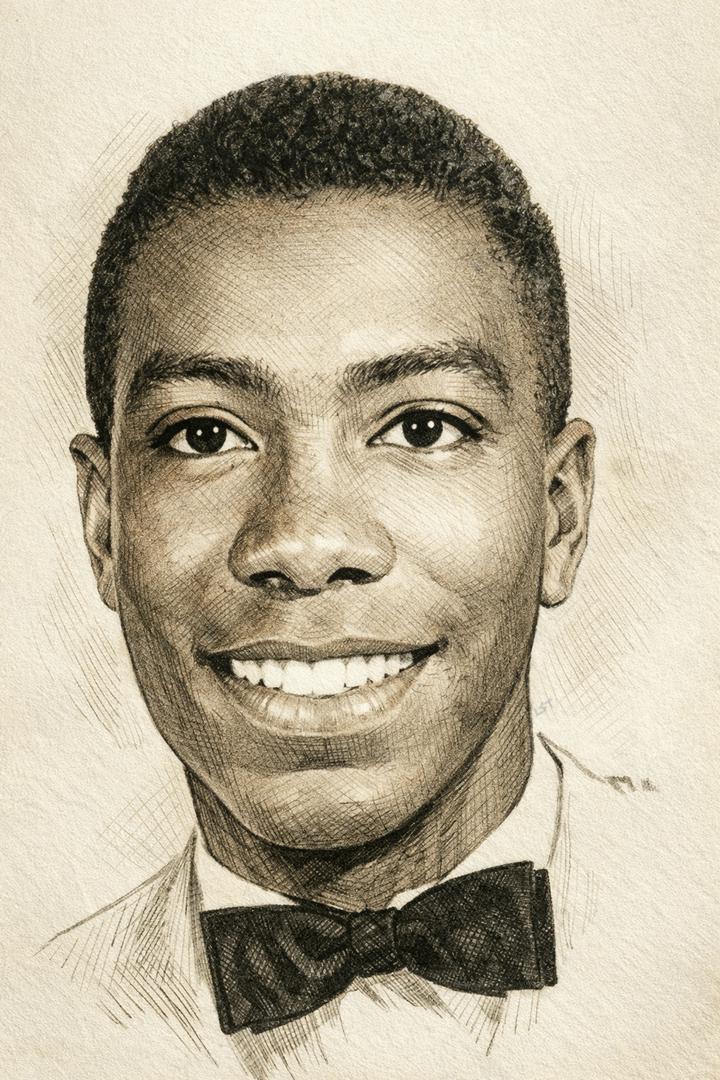
Some names get remembered because they were loud. Coach Carlyle Whitelow should be remembered because he stayed steady. Born Sept. 6, 1932, Whitelow grew up around Bridgewater College. His parents worked in campus dining, and as a kid he spent time on those grounds while they worked. In 1955, he enrolled at Bridgewater and became the first Black student to complete four years of study there. He was also the first Black student-athlete to compete in intercollegiate athletics at the college, and is recognized as the first Black athlete in Virginia to compete at a predominantly white college. That took more than talent. That took nerve, dignity, and a backbone that did not bend. After earning his physical education degree in 1959, he taught in public schools, including in Staunton, then returned to Bridgewater in 1969 as the college’s first Black faculty member. For 28 years, he coached and taught, including football, basketball, and tennis. In 1979, he was named ODAC men’s tennis coach of the year. He coached Bridgewater’s first ODAC men’s tennis player of the year and helped guide the program’s first NCAA men’s tennis tournament participant. Bridgewater inducted him into its Athletics Hall of Fame in 2001. People who knew him did not just talk about wins. They talked about character. The kind of coach who showed up, stayed consistent, and made you better without needing credit for it. Whitelow passed away Oct. 15, 2021. In 2025, he was inducted into the inaugural ODAC Hall of Fame, a fitting honor for a man who opened doors others could walk through. Thank you to my follower and friend I.R. Bama for putting his name on my radar. This legacy deserves more light. #BridgewaterCollege #ODAC #CollegeSports #Tennis #Coaching #SportsHistory #VirginiaHistory #BlackHistory #HiddenFigures #Legacy #HallOfFame

You've reached the end!
Tag: HiddenFigures - Page 2 | LocalAll