Tag Page History

#History
CRAIG_Et

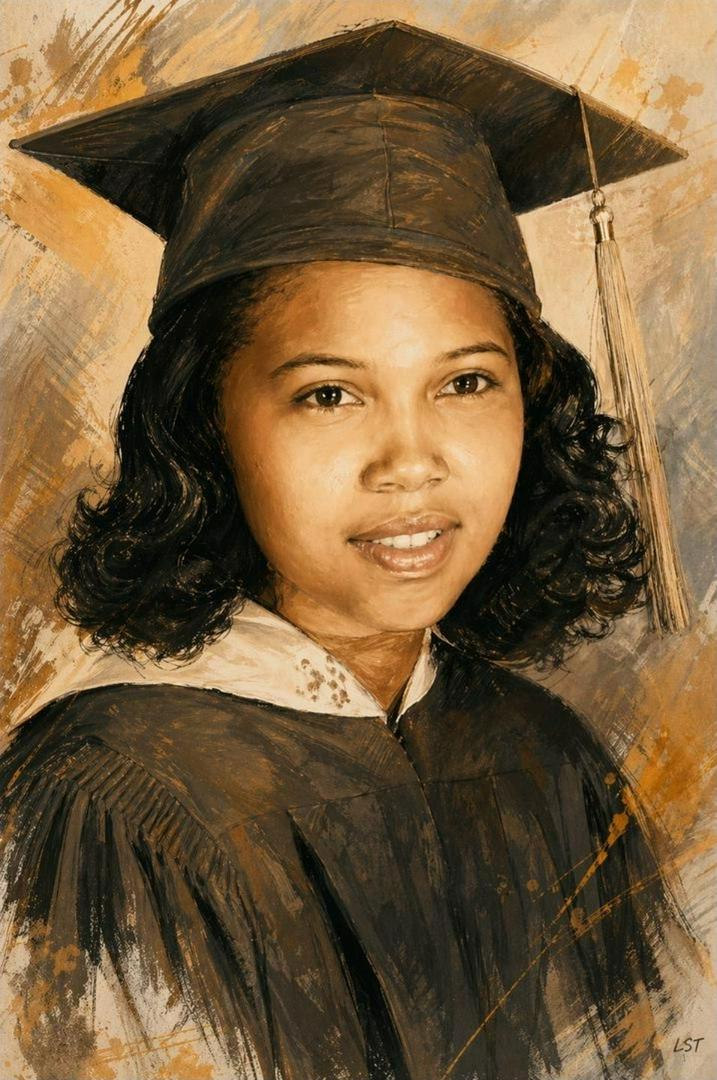
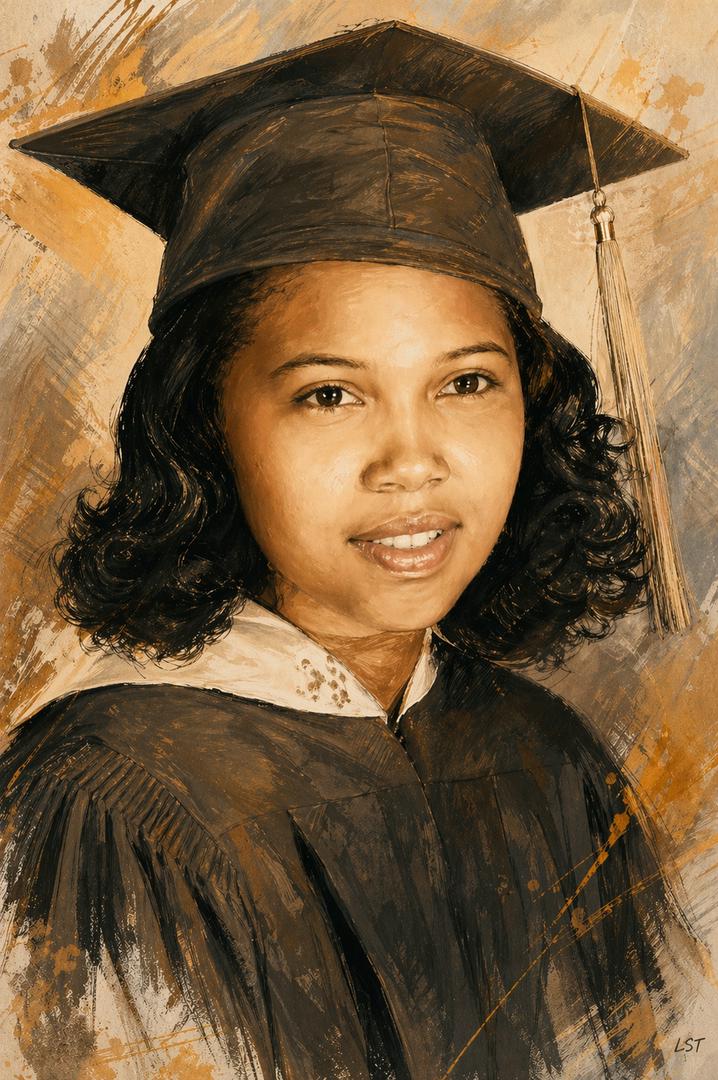
On April 23, 1951, a 16-vear-old qirl in Farmville, Virginia did something a whole lot of adults were too scared to do...she stood up. Barbara Johns was a student at Robert Russa Moton High School, an all-Black school so overcrowded and neglected that some students were being taught in tar-paper shacks. While white students had better buildings, better resources, and better conditions, Black students were expected to settle for less..less space, less comfort, less dignity, less future. Barbara was not iust making noise to make noise. She was strategic. She helped set things in motion so the principal would be away, arranged for a student assembly, and once the students were gathered, she spoke and urged them to walk out. They did. More than 450 students took part in that protest r= That moment mattered What began as students demanding better conditions became something even bigger once NAACP lawvers got involved. The case that grew out of Barbara Johns' protest was Davis v. Countv School Board of Prince Edward County...one of the cases later folded into Brown v. Board of Education. os Read that again. A teenage girl helped ignite a legal battle that became part of the case that challenged school segregation in America And still. Barbara Johns is not a household name the way she should be She was not waiting to be rescued. She was not waiting for permission. She saw what was wrong, understood what was unfair, and moved. At 16.That kind of courage deserves more than a footnote. Barbara Johns did not iust walk out of a school building that day....she walked straight into history. #Barbara Johns #BrownvBoard #OnThisDay #History #NewsBreak

LataraSpeaksTruth

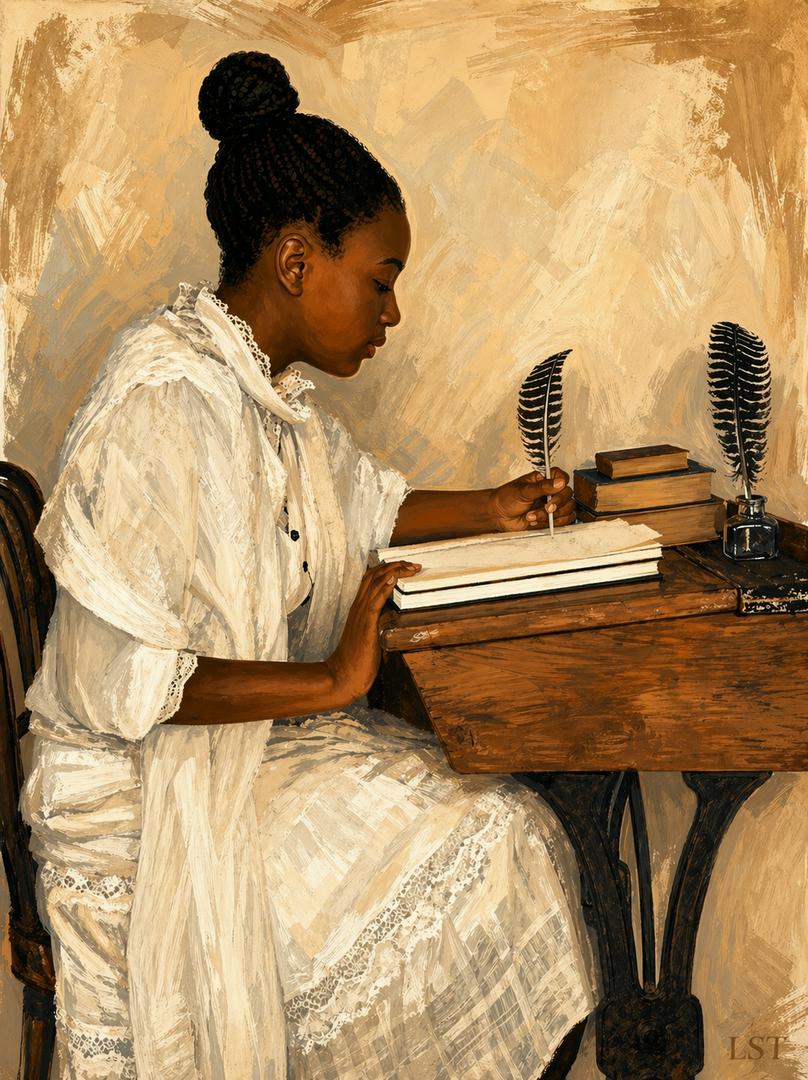
On April 23, 1872, Charlotte E. Ray made history in Washington, D.C. She became the first woman admitted to practice before the Supreme Court of the District of Columbia, helping cement her place as the first Black woman lawyer in the United States. Ray was born in New York City in 1850. Her father, Reverend Charles Bennett Ray, was an abolitionist, minister, and newspaper editor who believed deeply in education. That foundation mattered, because Charlotte stepped into a profession that was not built to welcome women, and especially not Black women. She studied at Howard University School of Law and graduated in 1872. At a time when women were still fighting to be taken seriously in the legal field, Ray broke through two walls at once. She challenged both race barriers and gender barriers. After being admitted to practice law, Ray opened her own law office in Washington, D.C. She worked in commercial law and became known for her legal skill. One of her most recognized cases involved representing a woman seeking divorce from an abusive husband, showing that Ray was not just a symbol of progress. She was a real attorney doing serious legal work. But history should tell the full truth. Charlotte E. Ray had the education, the courage, and the ability. What she did not have was a society willing to fully support a Black woman attorney. Racism and sexism made it difficult for her to keep enough clients to sustain her practice. Eventually, she left law and returned to teaching. That part matters too. Because sometimes the door opens, but the room still refuses to make space. Charlotte E. Ray still walked through it. On April 23, we remember her not just because she was first, but because she stepped into a world that tried to keep her out and left her name in the record anyway. #CharlotteERay #History #WomensHistory #LegalHistory #OnThisDay #HiddenHistory #LataraSpeaksTruth

LataraSpeaksTruth

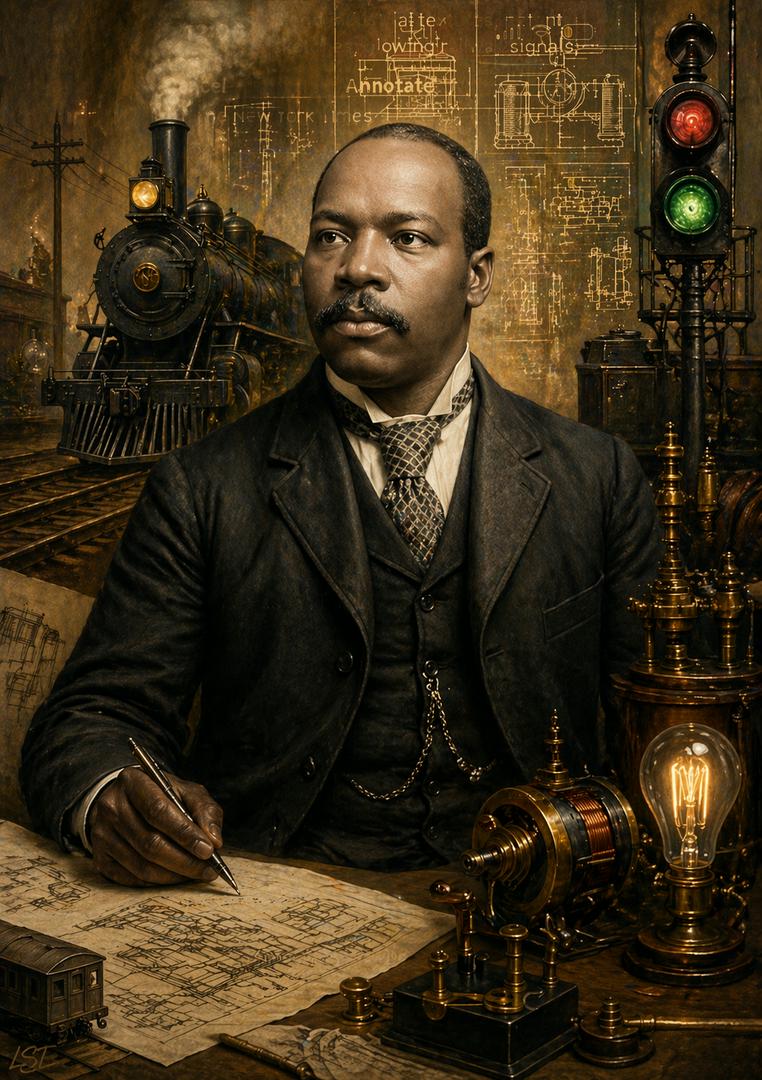
On April 23, 1856, Granville T. Woods was born in Columbus, Ohio…and history got one of its sharpest minds. Granville T. Woods was an inventor and engineer whose work helped make railroad travel safer, smarter, and more efficient at a time when trains were one of the most important parts of transportation in America. He became known for developing electrical and mechanical devices that improved communication on the rails and helped reduce dangerous mistakes.  One of his most important achievements was his railway telegraph, a system that allowed moving trains to communicate with stations and with other trains. That mattered. In an era when timing errors and lack of communication could turn deadly, Woods created technology that helped protect passengers and workers alike. His ideas pushed transportation forward and showed what brilliance looks like when it refuses to be ignored.  He earned dozens of patents and built a reputation strong enough that people called him “The Black Edison.” But Granville T. Woods was not great because he was compared to somebody else. He was great because his mind produced work that helped shape the modern world.  Today, on his birthday, he deserves to be remembered not as a footnote, but as a force…a man whose inventions helped move a nation. #GranvilleTWoods #History #Inventors #HiddenHistory #NewsBreak

LataraSpeaksTruth

On April 23, 1951, a 16-year-old girl in Farmville, Virginia did something a whole lot of adults were too scared to do…she stood up. Barbara Johns was a student at Robert Russa Moton High School, an all-Black school so overcrowded and neglected that some students were being taught in tar-paper shacks. While white students had better buildings, better resources, and better conditions, Black students were expected to settle for less…less space, less comfort, less dignity, less future.  Barbara was not just making noise to make noise. She was strategic. She helped set things in motion so the principal would be away, arranged for a student assembly, and once the students were gathered, she spoke and urged them to walk out. They did. More than 450 students took part in that protest.  That moment mattered. What began as students demanding better conditions became something even bigger once NAACP lawyers got involved. The case that grew out of Barbara Johns’ protest was Davis v. County School Board of Prince Edward County…one of the cases later folded into Brown v. Board of Education.  Read that again. A teenage girl helped ignite a legal battle that became part of the case that challenged school segregation in America. And still, Barbara Johns is not a household name the way she should be. She was not waiting to be rescued. She was not waiting for permission. She saw what was wrong, understood what was unfair, and moved. At 16. That kind of courage deserves more than a footnote. Barbara Johns did not just walk out of a school building that day…she walked straight into history. #BarbaraJohns #BrownvBoard #OnThisDay #History #NewsBreak

Brandon_Lee

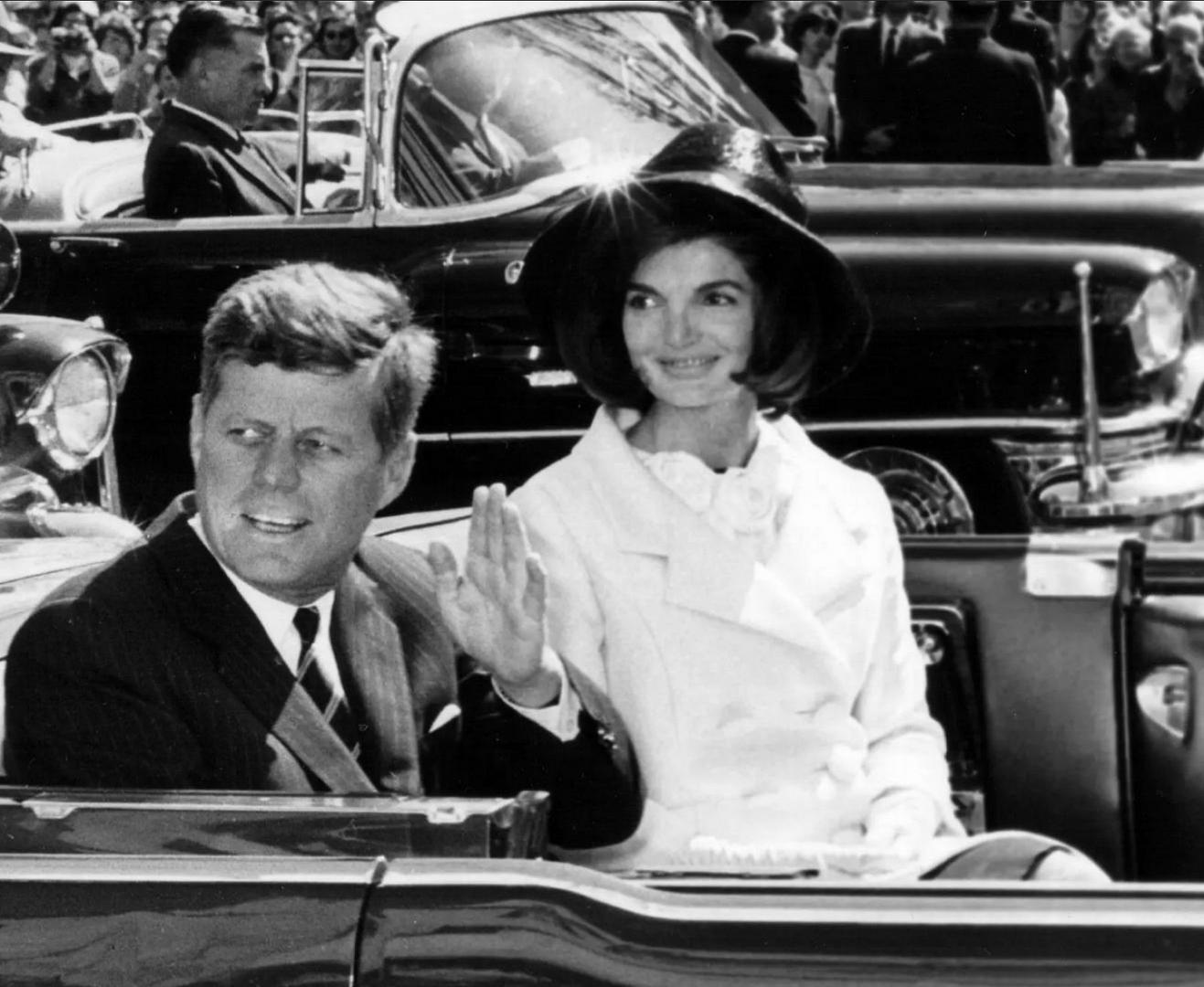
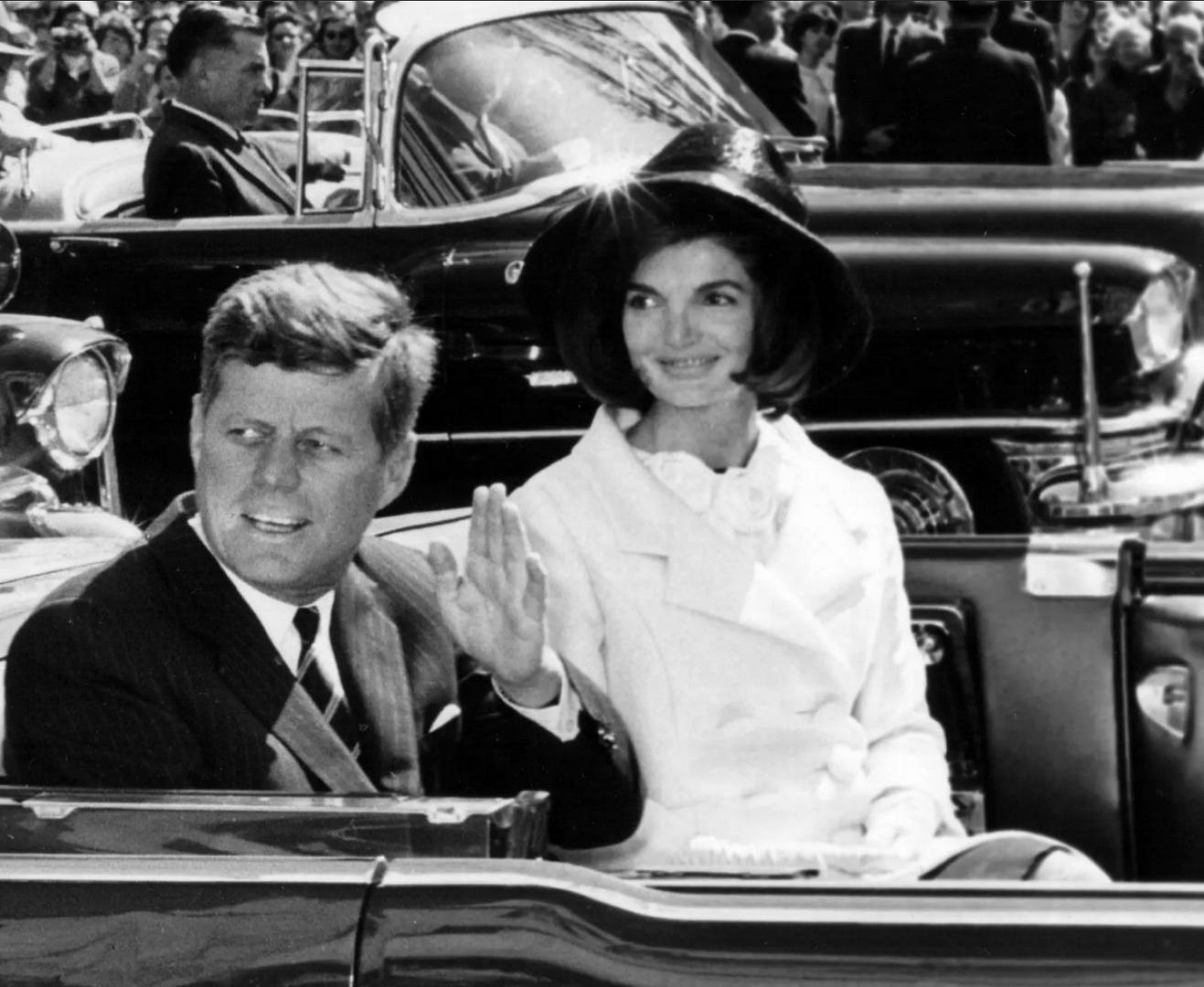
John F. Kennedy: The President with the Highest All Time Approva John F. Kennedy, the thirty fifth president of the United States. is still viewed as one of the most respected leaders in modern American history. Throughout his presidency, his approval rating stayed near 70 percent, which is one of the highest averages ever recorded. His standing is measured through the modern polling system that began in 1936, allowing his numbers to be compared across generations of presidents. Based on this long record of surveys, Kennedy holds the highest average approval of any president in the polling era. Kennedy's popularity came from his personality, message, and calm leadership during major challenges. His inaugural address, urging Americans to serve their country, became one of the mostmemorable speeches in US history. During the Cuban Missile Crisis in 1962, he quided the country through thirteen days of extreme tension, preventing nuclear conflict and earning wide respect. His support for early civil rights efforts and his commitment to the space program added to the sense that he was leading the nation into a new and ambitious era Surveys taken long after his death show how strong his legacy remains. One major poll found that 85 percent of Americans approved of his performance when looking back on his presidency. Even during difficult periods, such as the aftermath of the Bay of Pigs invasion, Kennedy kept approval ratings above 70 percent, something few presidents have matched. His calm approach, clear communication, and ability to connect with the public helped him maintain support across states, age groups. and political backgroundsKennedy's consistently high approva demonstrates how trust and confidence from the public shape a president's place ir nistory. Although he served less than one full term, his leadership during world crises and his appeal to national unity left a lasting mark. #Politics #USA #History #USHistory #America

Brandon_Lee

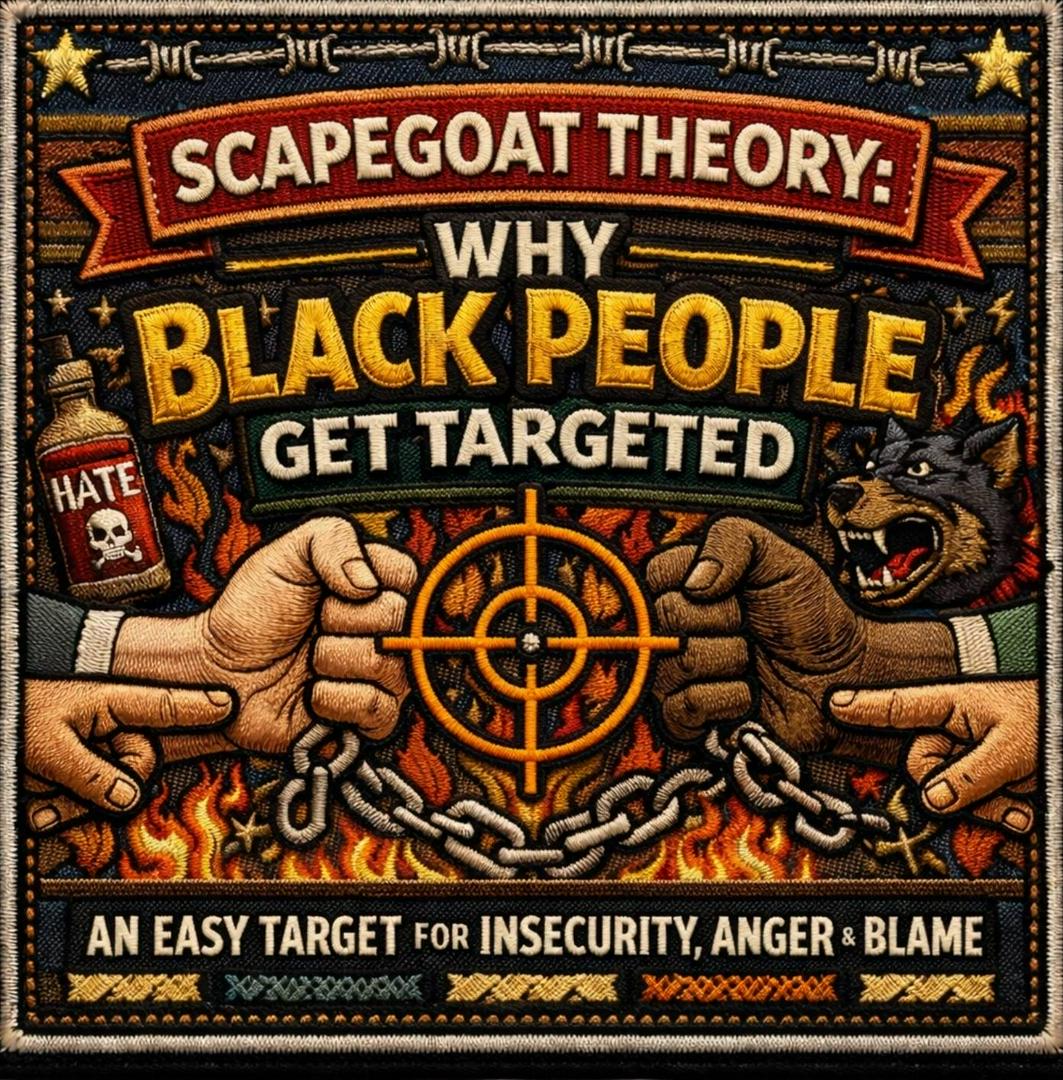
A lot of people may not like these posts, but I've never been one to qive a damn Researchers have spent years trying to understand why certain groups become long term targets of obsession, hostility, and blame. One of the clearest explanations is something called scapegoat theory Scapegoat theory says when people fee powerless, angry, insecure, or dissatisfied with their own lives, they often go looking for somebody to dump that frustration on Instead of confronting the real source of their problems, they pick a target Somebody visible. Somebody already stereotyped. Somebody society has made easy to blame In the United States, Black people have been forced into that role again and again That is why the pattern feels so constant. It is not alwavs about what a Black person did. A lot of the time. it is about what Black people represent in the minds of people who are alreadv full of fear, resentment, and gnorance. For generations, Black people have been blamed for problems they did not create, watched like threats, copied for culture, and hated for existina with confidence, presence, talent, and truth That is what scapegoating does. It strips people of their humanity and turns them into a dumping ground for other people's issues. When society is under pressure, when people are struggling, when change is happening, the same ugly habit shows up Instead of asking real questions about power, inequality, leadership, or broken systems, some people reach for the easiest target they think they can get away with attacking. And too often, that target hasbeen Black people So when folks act like this obsession came out of nowhere. no. It has a name. It has a pattern. And it has a long history Scapegoating is not truth. It is projection. It is weakness dressed up as judgment. And once vou understand that. a lot of this pehavior starts making sick, predictable sense. #ScapegoatTheory #Psychology #Sociallssues #BlackVoices #Culture #History

justme

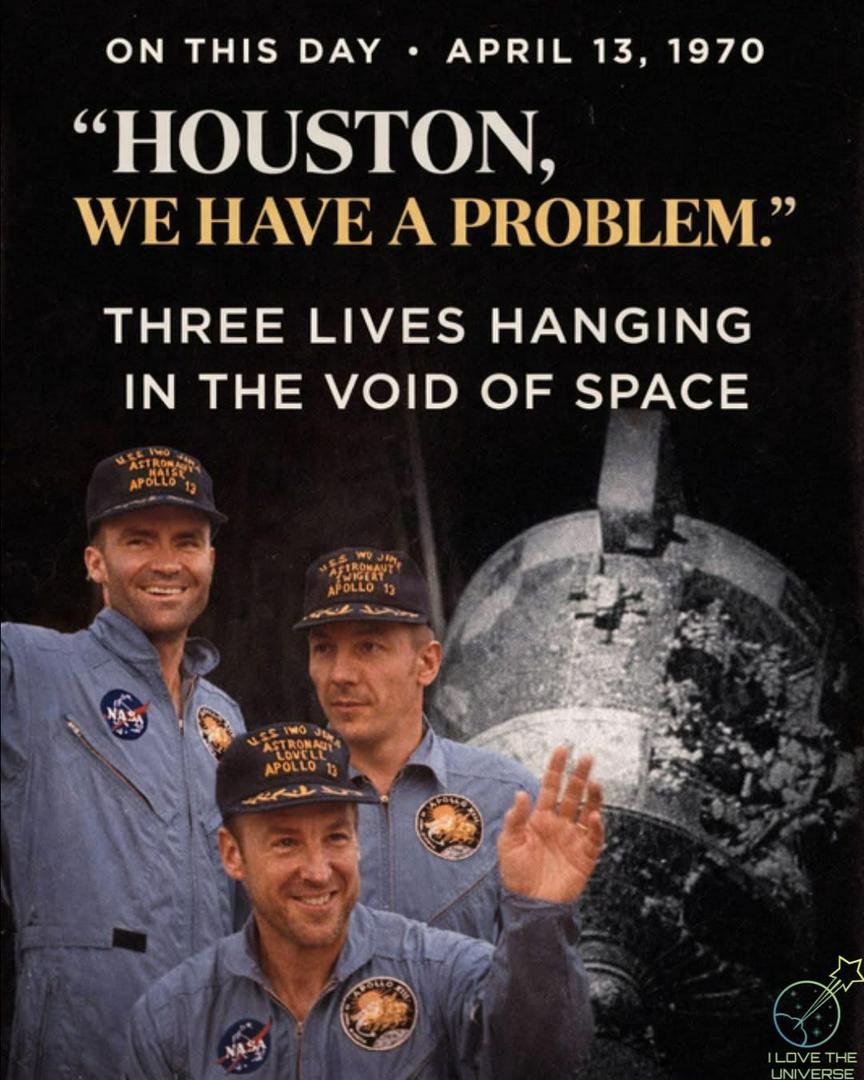
🚀 Apollo 13 — when everything went wrong… and humanity refused to lose On this day, April 13, 1970 — nearly 320,000 kilometers from Earth — an ordinary sentence turned into one of the most chilling moments in space history: “Houston, we’ve had a problem.” A sudden explosion ripped through the service module of Apollo 13, crippling the spacecraft. Oxygen was leaking into space. Power was failing. The Moon landing was instantly abandoned. Three astronauts — Jim Lovell, Jack Swigert, and Fred Haise — were no longer explorers. They were fighting to survive. What followed was not just a mission… It was one of the greatest rescue efforts in human history. Back on Earth, hundreds of engineers at NASA worked around the clock. No sleep. No margin for error. Every calculation mattered. Every decision could mean life or death. They turned the lunar module into a lifeboat. They improvised solutions never tested before. They built survival plans out of pure ingenuity and desperation. At one point, rising carbon dioxide levels threatened to suffocate the crew — until engineers famously created a workaround using nothing but materials available onboard. This was humanity at its absolute best. Against impossible odds, Apollo 13 didn’t land on the Moon. But it did something even greater. It brought its crew home. Alive. The story became legendary — and was later immortalized in the film Apollo 13, starring Tom Hanks — but no movie can fully capture the tension, the fear, and the brilliance of those real moments. Because this wasn’t fiction. This was real. And it proved something we still believe today: Even in the darkest moment… humanity finds a way. #Apollo13 #NASA #Space #Astronomy #History #OnThisDay #Explore #NeverGiveUp

justme

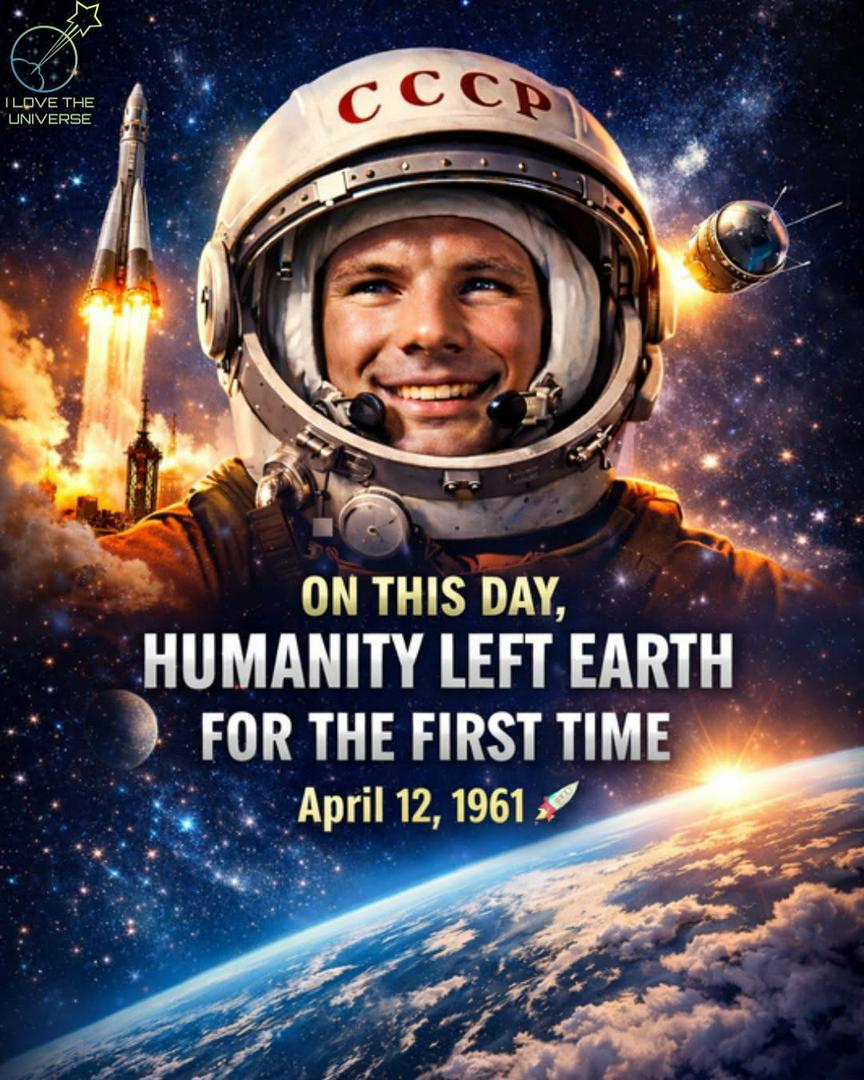
He didn’t just go to space… He changed humanity forever. 🚀 On April 12, 1961, Yuri Gagarin became the first human to leave Earth. In just 108 minutes, aboard Vostok 1, he orbited our planet once… But what he really did was something far bigger. He proved that we are not bound to this world. For the first time in history, a human looked back at Earth not as a place… but as a fragile blue world floating in the infinite dark. 🌍 No borders. No countries. Just one home. That single flight ignited a fire that still burns today — from the Moon landings… to Mars dreams… to the missions happening right now. And maybe the most powerful part? 👉 Every astronaut since… every rocket… every mission… exists because of that one moment. Because someone dared to go first. We didn’t just reach space that day… we discovered who we are capable of becoming. We are explorers. We are dreamers. And space is only the beginning. — If this moment gives you chills… you’re not alone. Share it. Let more people feel it. 🌌 #Space #YuriGagarin #April12 #Humanity #Astronomy #Cosmos #SpaceExploration #NASA #History #Universe #Earth #Inspiration

Rachel Marie

John F. Kennedy: The President with the Highest All Time Approva John F. Kennedy, the thirty fifth president of the United States. is still viewed as one of the most respected leaders in modern American history. Throughout his presidency, his approval rating staved near 70 percent, which is one of the highest averages ever recorded. His standing is measured through the modern polling system that began in 1936, allowing his numbers to be compared across generations of presidents. Based on this ong record of survevs, Kennedy holds the highest average approval of any president ir the polling era Kennedy's popularity came from his personality, message, and calm leadership during major challenges. His inaugural address, urging Americans to serve their country, became one of the mostmemorable speeches in US history. During the Cuban Missile Crisis in 1962, he quided the country through thirteen days of extreme tension, preventing nuclear conflict and earning wide respect. His support for early civil rights efforts and his commitment to the space program added to the sense that he was leading the nation into a new and ambitious era Survevs taken long after his death show how strong his legacy remains. One major poll found that 85 percent of Americans approved of his performance when looking back on his presidency. Even during difficult periods, such as the aftermath of the Bay of Pigs invasion, Kennedy kept approval ratings above 70 percent, something few presidents have matched. His calm approach, clear communication, and ability to connect with the public helped him maintain support across states, age groups, and political backgroundsKennedy's consistently high approva demonstrates how trust and confidence from the public shape a president's place in history. Although he served less than one full term, his leadership during world crises and his appeal to national unity left a lasting mark. #Politics #USA #History #USHistory #America

Tag: History - Page 4 | LocalAll