Tag Page HistoryMatters

#HistoryMatters
LataraSpeaksTruth

1958… The Day Louisiana’s “Anti-Mixing” Sports Law Finally Fell

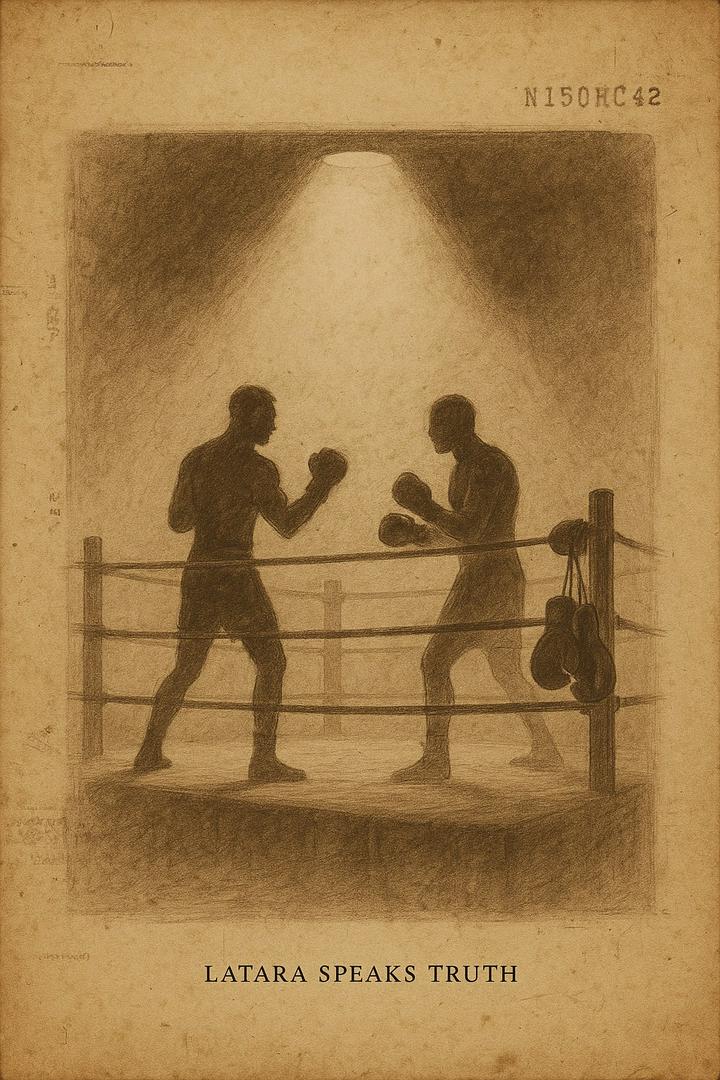
On November 28, 1958, a federal three-judge court ruled against Louisiana’s attempt to keep sports segregated forever. The case was called Dorsey v. State Athletic Commission, and it targeted the state’s “anti-mixing” law… a rule that tried to stop Black and white athletes from competing against each other. Louisiana used this law to block integrated boxing matches. Promoters were threatened with jail. Black fighters were refused licenses. White fighters were told to stay in their own lane. The whole thing was designed to protect the old order… and punish anyone who dared to break it. The court struck it down. They called it unconstitutional, discriminatory, and flat-out incompatible with the country’s direction. It was one of the quiet wins that chipped away at segregation’s foundation. Not loud. Not flashy. But necessary. This wasn’t just about sports. It was about the state trying to control who could stand toe-to-toe in public. And the court said no… not anymore. #LataraSpeaksTruth #HistoryMatters #AmericanHistory #HiddenHistory #UntoldStories #OnThisDay #CivilRightsEra

1958… The Day Louisiana’s “Anti-Mixing” Sports Law Finally Fell
LataraSpeaksTruth

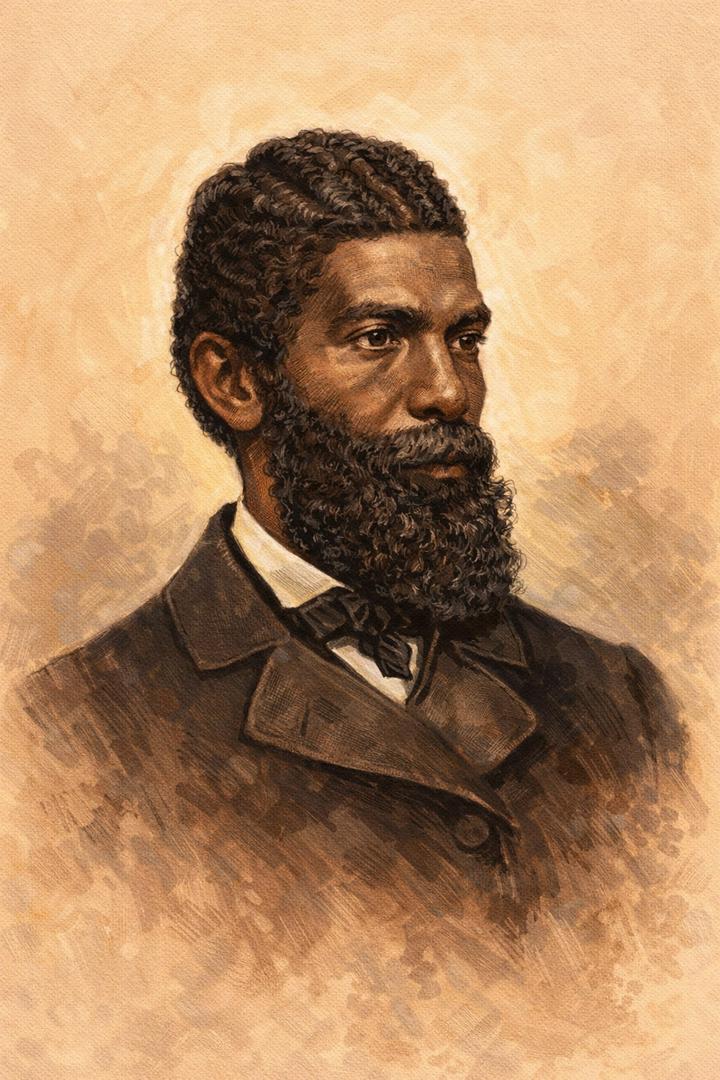
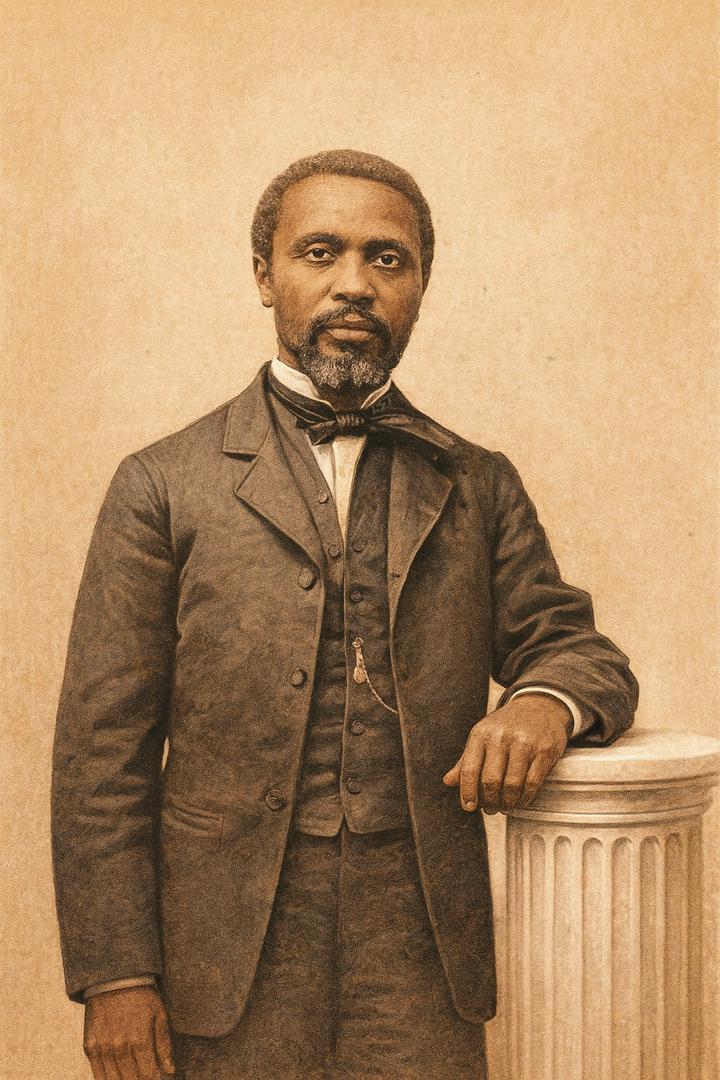
On February 1, 1865, John S. Rock became the first Black lawyer admitted to practice before the United States Supreme Court. The moment passed quietly, without ceremony or headlines, but its significance cut straight through the legal and racial barriers of nineteenth-century America. The nation was still locked in civil war, slavery had not yet been formally abolished, and Black citizenship remained hotly contested. Rock’s admission came only eight years after the Dred Scott decision declared that Black people had no rights a white man was bound to respect. In that context, a Black man standing before the highest court in the country was not just uncommon…it was confrontational. It forced the legal system to acknowledge Black intellectual authority in a space that had long been closed by design. Born free in New Jersey in 1825, Rock was a man of rare range and discipline. He began his career as a teacher, then became a physician, and later turned to law after illness ended his medical practice. As an abolitionist and public speaker, he argued forcefully for equal rights, suffrage, and full citizenship, often addressing audiences that were openly hostile to those ideas. His voice was sharp, reasoned, and unapologetic. Rock’s Supreme Court admission did not transform the legal system overnight. Discrimination remained entrenched, and opportunities were still tightly restricted. But precedent matters. His presence made it impossible to argue that Black Americans lacked the intellect, discipline, or moral authority to participate at the highest levels of American law. February 1, 1865, stands as a reminder that some of history’s most meaningful shifts happen without applause. A door opened. A boundary moved. And the record was changed forever. #OnThisDay #AmericanHistory #LegalHistory #HiddenHistory #HistoryMatters
LataraSpeaksTruth

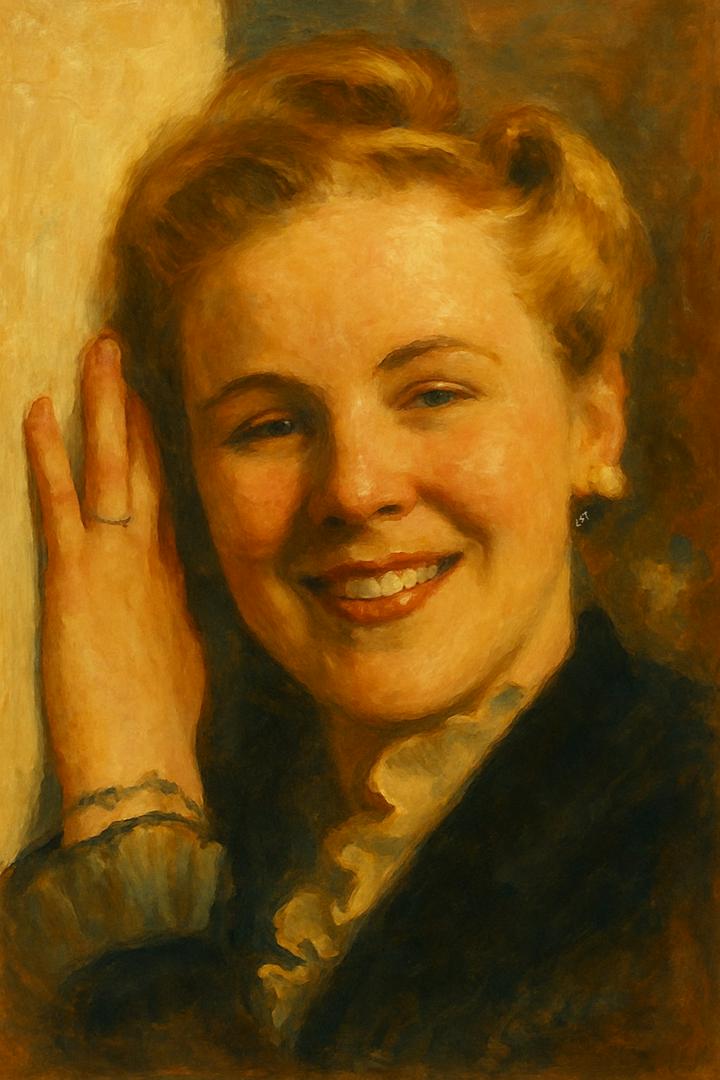
VIOLA LIUZZO… THE WOMAN WHO REFUSED TO LOOK AWAY

Viola Fauver Liuzzo was a thirty nine year old White mother of five from Detroit who made a choice most people only talk about. She saw the images from the events in Selma in March of 1965 and felt something inside her shift. While many people sat on the sidelines, she packed her car, left her family, and drove to Alabama because she believed protecting human dignity was everybody’s responsibility. She volunteered with the organization working to secure equal voting rights and helped transport marchers between Selma and Montgomery. On the night of March twenty fifth, as she drove with a young Black volunteer named Leroy Moton, a car filled with men from a violent extremist group pulled beside them on the highway. They opened fire. Viola Liuzzo was killed instantly. Leroy survived by pretending to be dead. One of the men in that car was later identified as an informant for federal agents, which sparked decades of questions about what really happened that night. Her death became a turning point. It shook the country. It pushed the conversation into every living room. It helped bring national support behind the Voting Rights Act of 1965. Yet she was attacked by people who wanted to erase her sacrifice. They tried to ruin her reputation. They tried to silence her name. Her family paid the price for decades. But history kept her in the light because truth has a way of rising again. Viola Liuzzo stood where many refused to stand. She offered her life because she believed that injustice anywhere was a threat to every home, every family, and every child. Her legacy asks a simple question. What do you do when you see wrong happening in front of you. Do you turn away or do you step forward like she did. #AmericanHistory #HistoricalFigures #LegacyStories #WomenInHistory #CourageAndCharacter #UnsungHeroes #StoriesWorthKnowing #EverydayHeroes #HistoryMatters #RealPeopleRealImpact

VIOLA LIUZZO… THE WOMAN WHO REFUSED TO LOOK AWAY
LataraSpeaksTruth

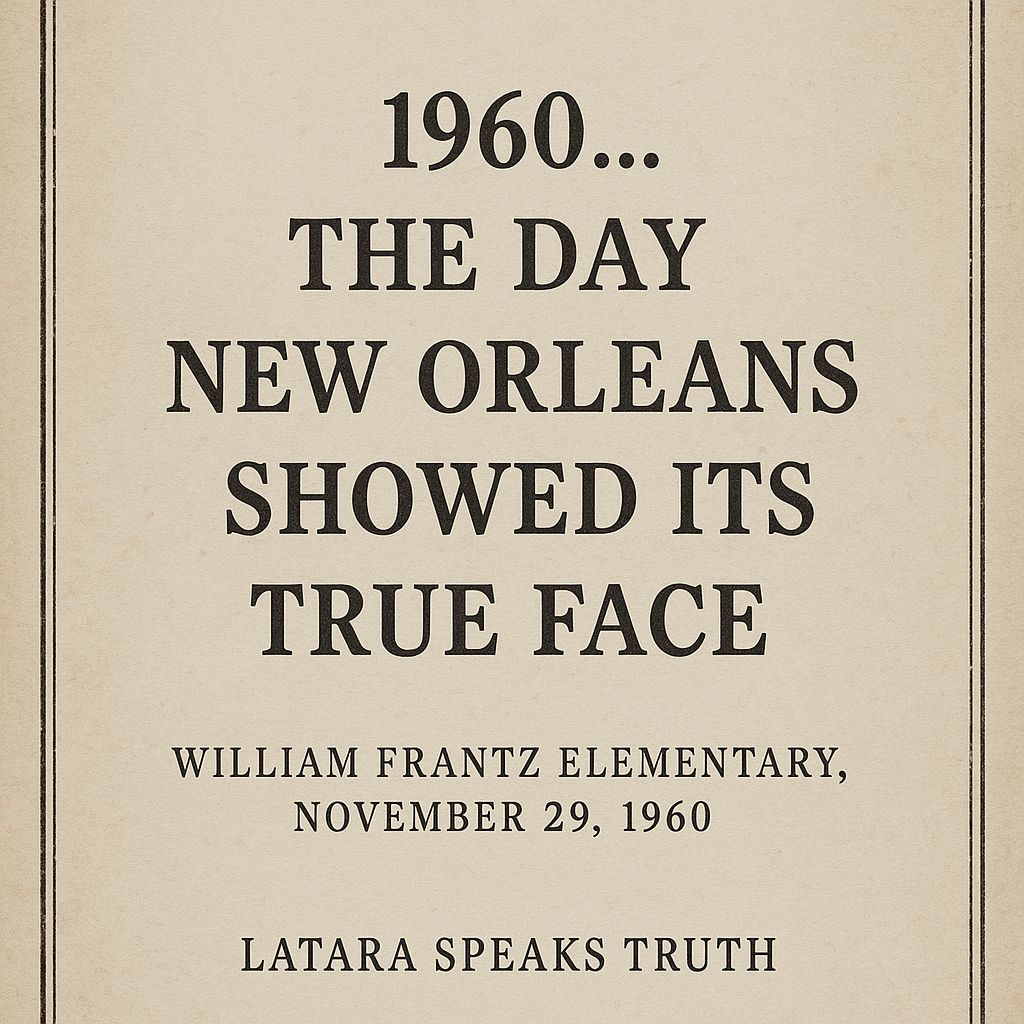
1960… The Day New Orleans Showed Its True Face

On November 29, 1960, the sidewalk outside William Frantz Elementary turned into a scene the country still can’t shake. White segregationist mothers lined the street, screaming as a little Black girl tried to walk into school. Through all that chaos, Daisy Gabrielle held her daughter Yolanda’s hand and kept moving. That walk was courage in real time… the kind that doesn’t wait for applause, just does what’s right. The footage from that day became part of America’s permanent record. Not the cleaned-up version… the real one, showing grown adults trying to block a child’s education because of her skin. And here’s the part people love to pretend they don’t hear… 1960 wasn’t ancient history. It wasn’t “way back then.” Many of the adults in that crowd lived long enough to watch the world pretend this never happened. Progress didn’t fall from the sky… somebody had to push it. #HistoryMatters #AmericanHistory #OnThisDay #NewOrleansHistory #EducationHistory #LataraSpeaksTruth

1960… The Day New Orleans Showed Its True Face
LataraSpeaksTruth

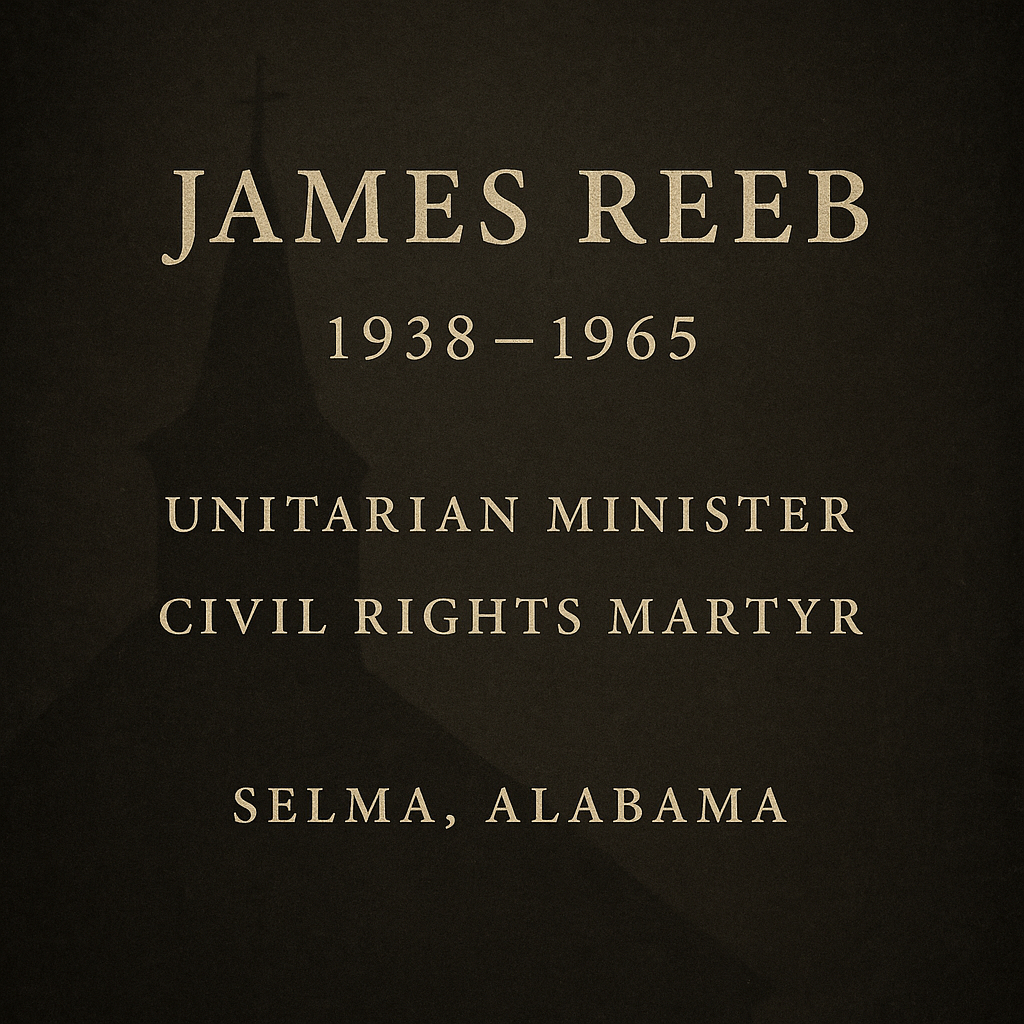
James Reeb was a white Unitarian Universalist minister from Boston who answered Dr. King’s call after Bloody Sunday in Selma in March 1965. He didn’t have to go. Nobody forced him. He chose to show up anyway, knowing exactly how violent Alabama was toward civil rights workers at that moment. On March 9, 1965, after leaving a restaurant with two other ministers, Reeb was attacked by white segregationists armed with clubs. He was struck in the head, collapsed, and died two days later on March 11. He was 38 years old. Here’s the part people like to gloss over. His murder wasn’t accidental. It wasn’t random. It was targeted racial terror meant to send a message. And the response to his death tells you everything. Hospitals initially refused to treat him properly. The men charged with his murder were acquitted by an all-white jury. No justice. Just like that. Reeb’s death shocked the nation precisely because he was white. That’s uncomfortable, but it’s true. His killing helped push public pressure that led directly to the passage of the Voting Rights Act of 1965. Not because his life mattered more, but because America suddenly paid attention when the violence crossed a line it had been ignoring for centuries. So when people try to argue that white allies didn’t sacrifice anything, James Reeb stands right there in the historical record saying otherwise. Sacrifice doesn’t require shared oppression to be real. It requires choice, risk, and consequence. He chose to stand where hatred was loud, and it cost him his life. #JamesReeb #Selma1965 #VotingRightsHistory #CivilRightsMovement #FreedomStruggle #HistoryMatters #UntoldHistory #RememberSelma

LataraSpeaksTruth

Macon Bolling Allen Admitted to the Massachusetts Bar in 1845

On November 26, 1845, Macon Bolling Allen stepped into a world that liked to pretend it had no room for him and still made space anyway. He became the first Black lawyer admitted to the Massachusetts bar, carrying a calm kind of courage that hits different when you realize the country was still tangled in slavery and hostility. Earlier in 1844 he had already passed the Maine bar exam, proving his skill long before many thought he would even be allowed to take the test. Massachusetts recognized that ability next, and from there he kept pushing forward, eventually serving as one of the first Black judges in the United States. His journey reads like a reminder that discipline and study can be rebellion when the world expects you to shrink. Allen found a way into rooms that were not built for him and left the doors open behind him. Every Black lawyer, judge, advocate, and student walking their own path today moves with echoes of his persistence. #MaconBollingAllen #OnThisDay #HistoryMatters #AmericanHistory #LataraSpeaksTruth

Macon Bolling Allen Admitted to the Massachusetts Bar in 1845
LataraSpeaksTruth

George W. Ashburn

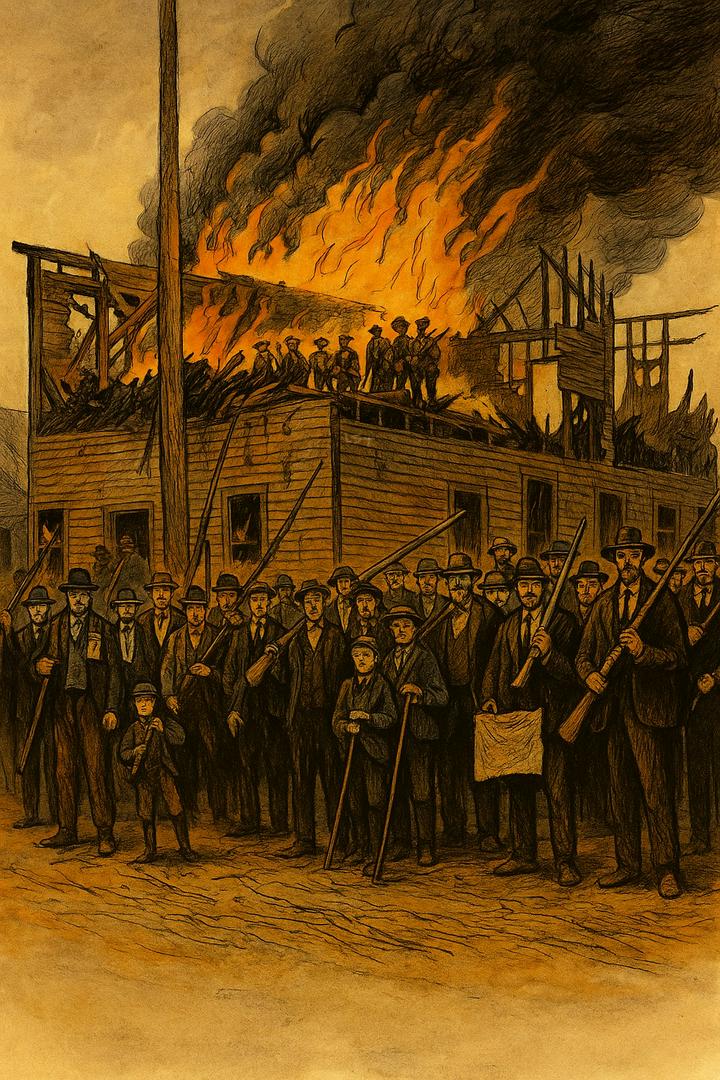
George W. Ashburn was a white Radical Republican who openly supported political rights for newly freed Black citizens during Reconstruction. That alone made him a target in Columbus, Georgia, where resistance to racial equality was strong and vocal. On March 31, 1868, Ashburn was assassinated inside a boarding house. Witnesses reported that a masked group forced their way in and shot him, a killing widely attributed to early Ku Klux Klan activity. His murder came just weeks after he backed Georgia’s new constitution, which expanded civil rights for Black residents. Because Georgia was still under military rule, his death did not stay a local matter. Federal authorities moved quickly, and on November 23, 1868, the case became national news when a military tribunal charged dozens of white men, some from prominent families, with participating in the assassination. The investigation exposed the organized backlash against Black political progress. It also showed how far opponents of Reconstruction were willing to go to silence anyone advocating for racial equality. But despite the national attention, the case fell apart. Political pressure, intimidation of witnesses, and Georgia’s push to end military oversight led to the charges being dropped. No one was ever convicted. Ashburn’s murder became a symbol of the violent resistance that shaped the end of Reconstruction, a reminder of the dangers faced not only by Black citizens, but by anyone who stood beside them during one of the most volatile periods in American history. #HistoryMatters #AmericanHistory #ReconstructionEra #GeorgiaHistory #CivilWarLegacy #PostWarSouth #HistoricalRecord #USHistoryStory #OnThisDayHistory

George W. Ashburn
LataraSpeaksTruth

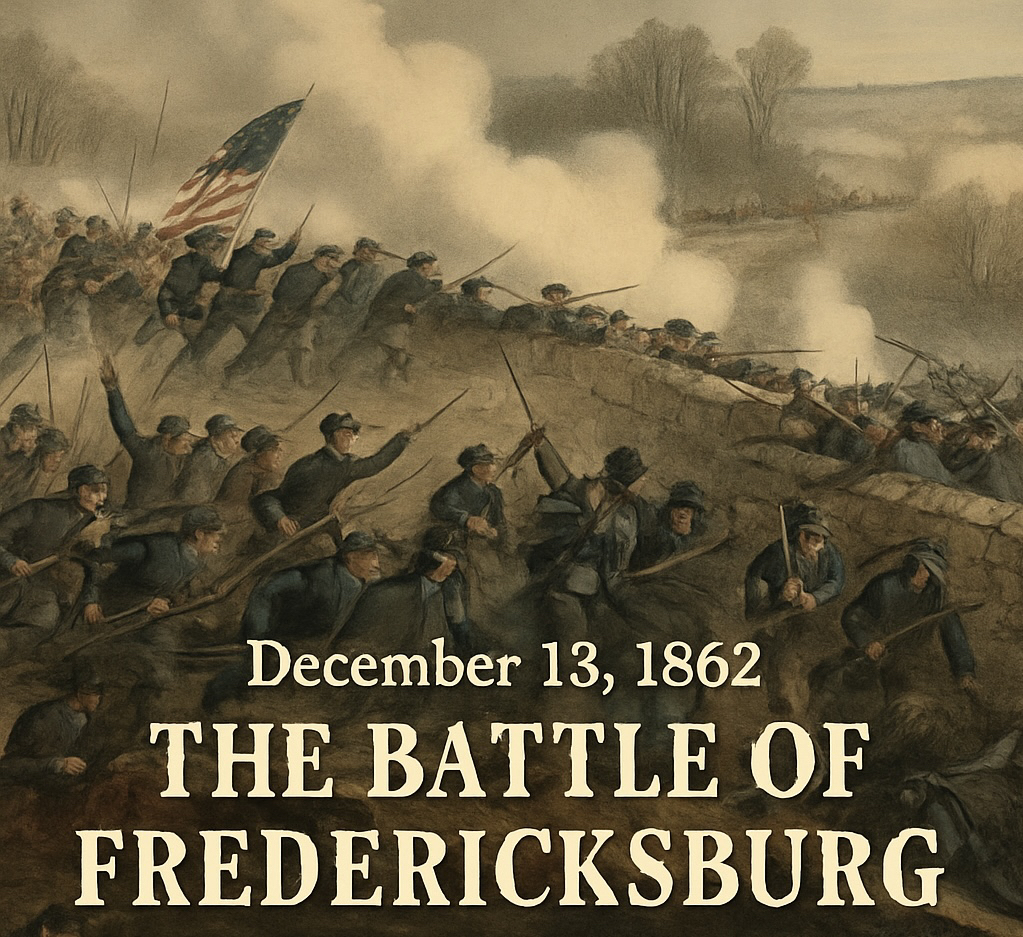
The Battle of Fredericksburg on December 13, 1862 unfolded during one of the most consequential pauses in American history. The Emancipation Proclamation had been announced but would not take effect for another three weeks, placing this battle squarely in the gap between declared freedom and enforced freedom. That timing matters. Although the soldiers fighting at Fredericksburg were overwhelmingly white, the consequences of the Union’s defeat fell heavily on enslaved people. Every failed campaign delayed the collapse of the Confederacy, extending the lifespan of slavery in the South. Union losses did not just cost lives on the battlefield, they prolonged bondage beyond it. Enslaved Black people in Virginia were also directly entangled in this campaign. They were forced to build fortifications, transport supplies, cook, clean, and provide labor for Confederate forces. They were not passive observers of the war. They were coerced infrastructure sustaining it. Fredericksburg’s staggering casualties intensified Northern pressure on Union leadership. Repeated bloodshed made emancipation less of a political abstraction and more of a moral and strategic necessity. That shift helped open the door to Black enlistment in 1863, altering the direction of the war and the meaning of freedom itself. Fredericksburg was not a Black-led battle, but it was part of the chain reaction that led to Black soldiers fighting for their own liberation and the formal destruction of slavery. History is not only about who is visible in the moment, but about who bears the cost while the nation decides who it will become. #December13 #OnThisDay #CivilWarHistory #BattleOfFredericksburg #AmericanHistory #HistoryMatters #UntoldHistory #HiddenHistory #HistoricalContext