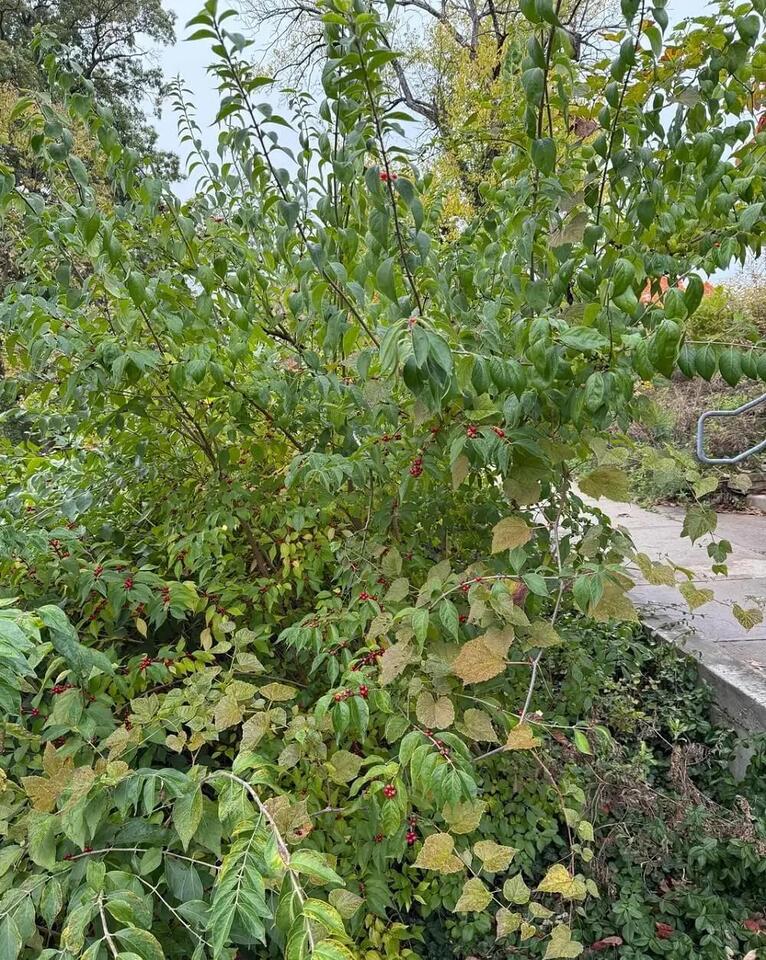
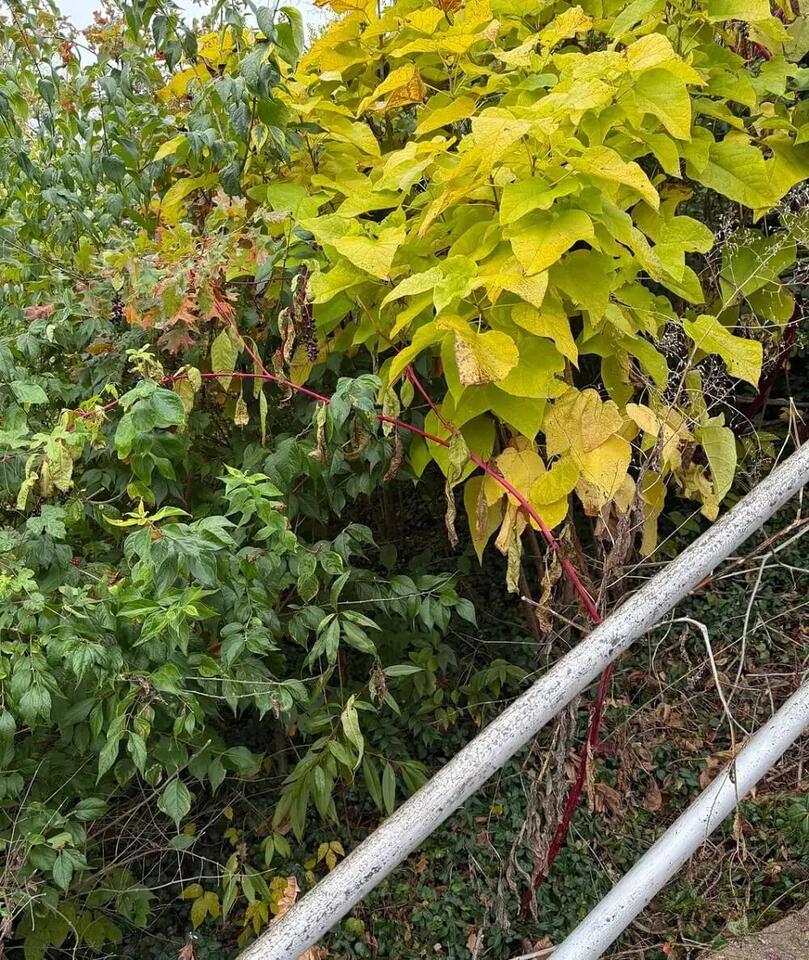
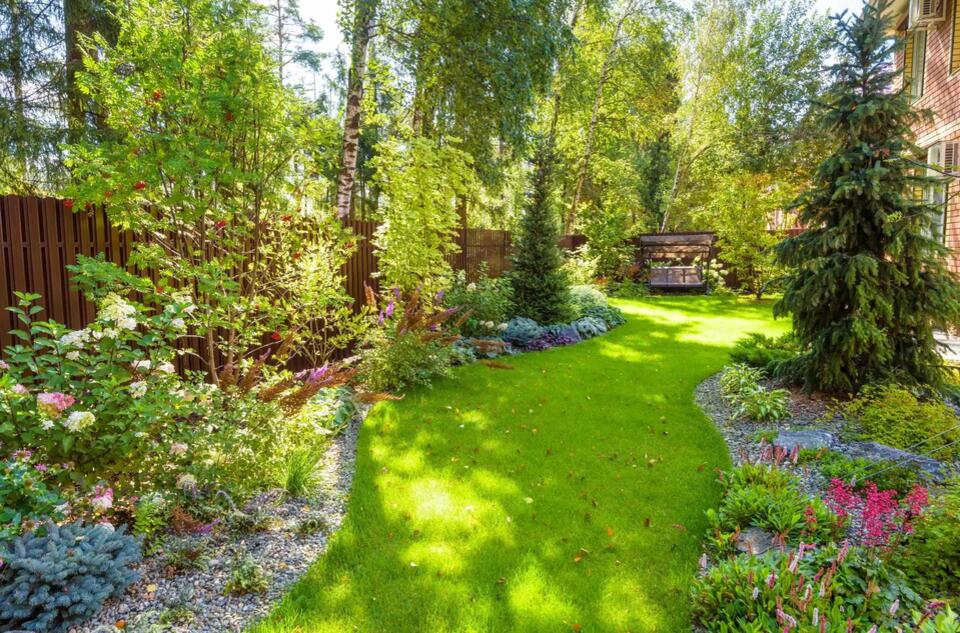
Tamara Jones+FollowInvasive honeysuckle overruns Xavier campusA Xavier University student just uncovered a major invasive plant problem on campus—Amur honeysuckle is spreading fast, crowding out native trees and shrubs. What’s wild is how quickly these plants take over: the student found over 20 in one small area after only spotting two at first. This isn’t just a Xavier issue—people from Tennessee to Connecticut are seeing their yards and parks taken over by invasives. The good news? Early removal is pretty easy, and switching to native plants helps pollinators and saves money. Should schools teach more about native gardening? What’s your take on tackling invasives in our neighborhoods? #Science #InvasiveSpecies #XavierUniversity00Share
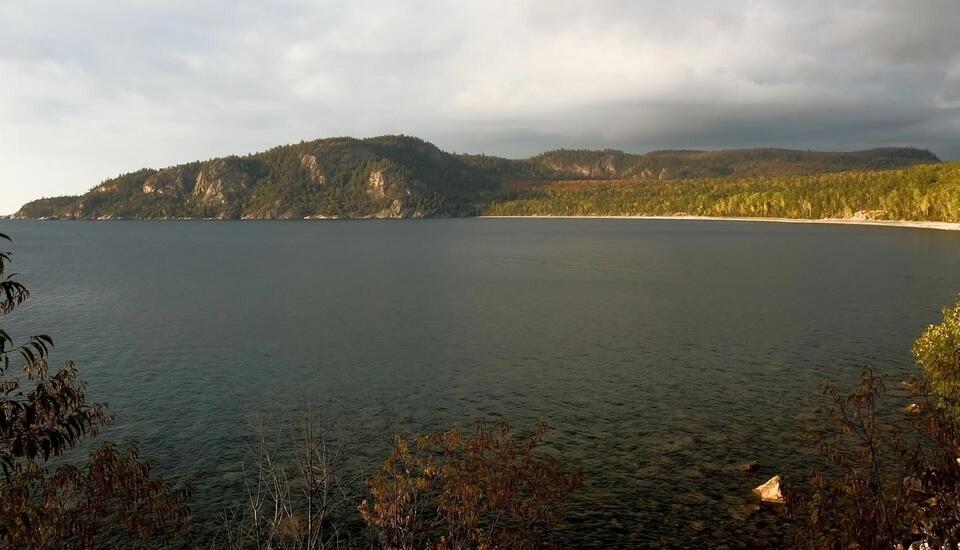
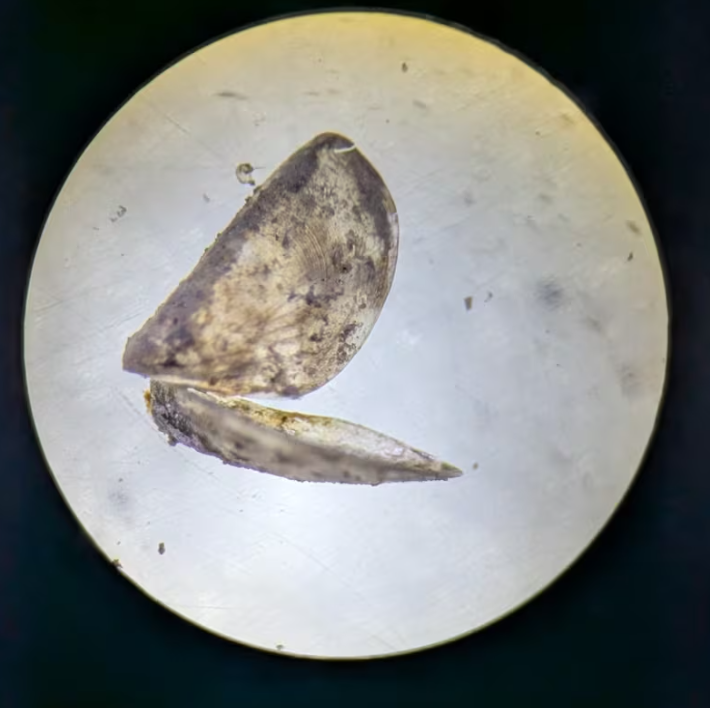
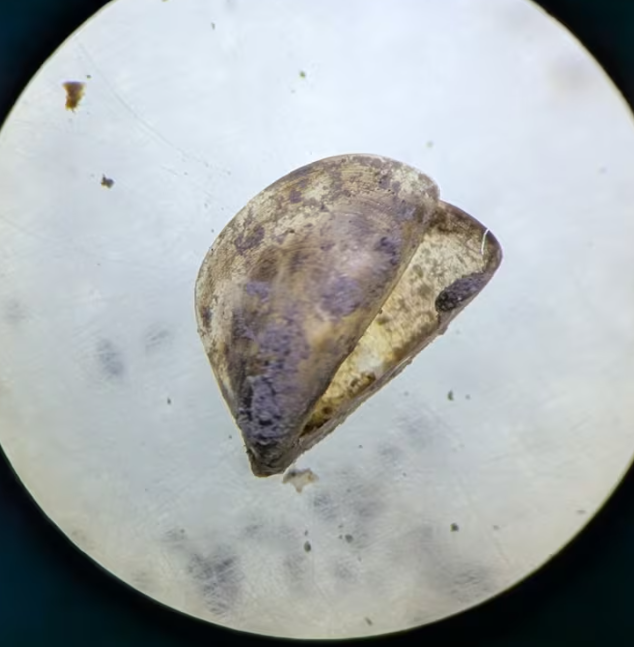
Richard Vaughan+FollowLake Superior’s New Unwanted GuestsDid you hear? Scientists just found invasive mussels in Lake Superior’s Black Bay, and it’s a big deal. These little guys multiply like crazy, outcompete native species, and can totally mess up the food chain—think less fish and clogged pipes for everyone. The water might look clearer at first, but experts say it’s bad news for the whole ecosystem. Locals are being urged to clean their boats and report any sightings. Nature drama, right? #Science #LakeSuperior #InvasiveSpecies30Share
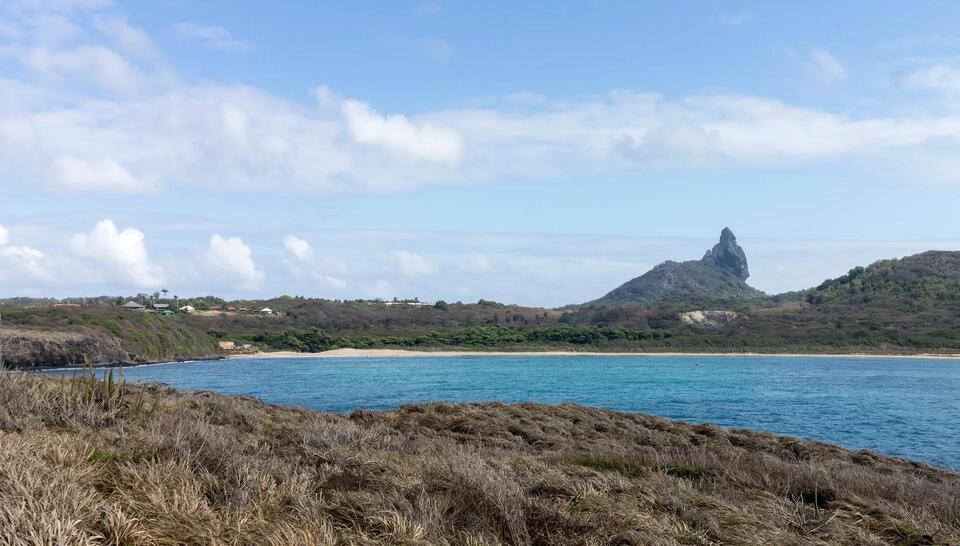
Jessica Hodge+FollowSharks vs Invasive Fish: Plot Twist!Lemon sharks in Brazil just flipped the script—scientists caught them snacking on jaguar cichlids, an invasive fish causing trouble in local waters. Heavy rains connected freshwater to the bay, and the sharks took full advantage. No one’s sure if the cichlids are gone for good or just hiding, but this could be nature’s way of fighting back against invasive species. Who knew sharks could be the unexpected heroes? #Science #naturewin #invasivespecies10Share
William Wilkerson+FollowBackyard Ponds: The Secret Plant ProblemTurns out those cute backyard ponds might be hiding a big secret: they’re helping invasive plants spread, even if you think you’re being eco-friendly! A new study found half of garden ponds have at least one banned plant, and most people have no idea. These invaders can escape into rivers and lakes, causing chaos for local wildlife and making yard work a nightmare. Next time you’re swapping plants, double-check they’re not on the naughty list! #Home #BackyardPonds #InvasiveSpecies00Share
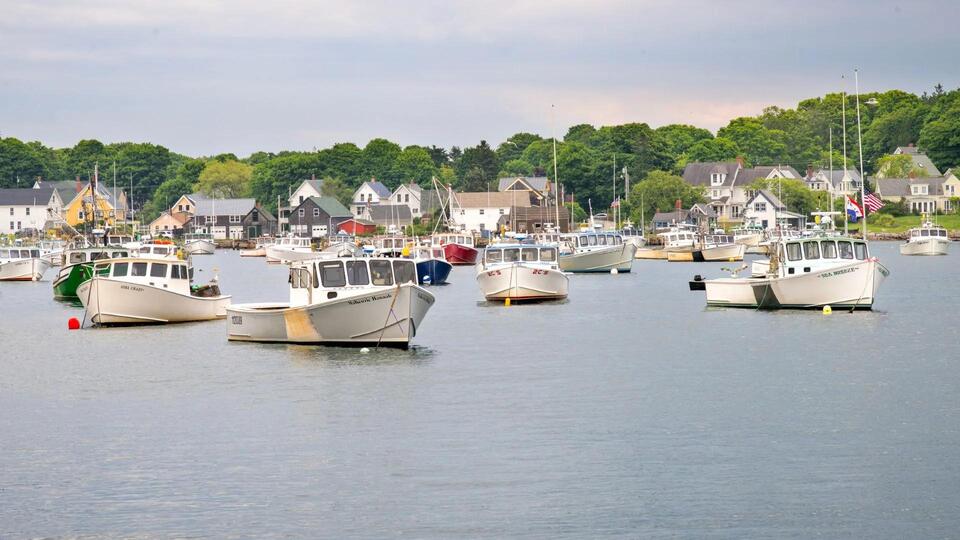
Zachary Gutierrez+FollowKelp Forests Under Attack!Did you know Maine’s iconic kelp forests are vanishing fast? Warming oceans and a takeover by invasive red algae (plus hungry sea urchins) are wiping them out. These algae even release chemicals that stop new kelp from growing! Losing kelp means less habitat for fish, trouble for local fisheries, and a shaky coastal ecosystem. Scientists are scrambling to find heat-resistant kelp and ways to fight back, but it’s a race against time. Would you miss kelp if it disappeared? #Science #ClimateChange #InvasiveSpecies00Share
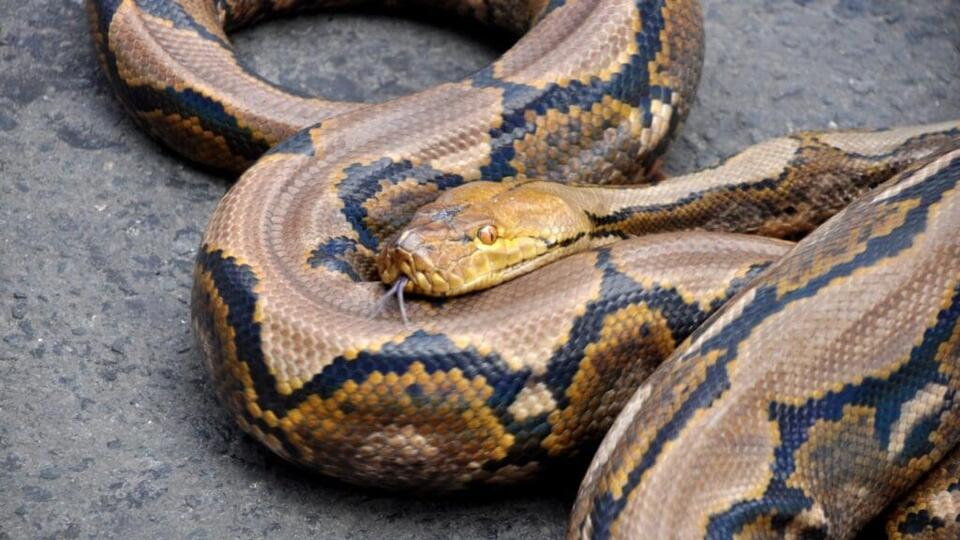
Cassandra Snyder+FollowGiant pythons are changing Florida lifeGiant Burmese pythons aren’t just a wild Everglades story anymore—they’re showing up in Florida neighborhoods, reshaping local wildlife, and spreading faster than anyone expected. These massive snakes, once rare pets, now dominate wetlands and are wiping out native animals, with some mammal populations dropping by 90%. Experts say the Gulf Coast is the next front, and more outbreaks are likely as pythons follow canals and waterways into new areas. Florida’s response mixes high-stakes hunts, citizen action, and tech, but the challenge is growing. How would you feel finding a 15-foot snake near your home? What should communities do next? #Pets #FloridaWildlife #InvasiveSpecies00Share
Zachary Gutierrez+FollowGreen crabs threaten Skagit Bay’s balanceEuropean green crabs are turning up in worrying numbers in Skagit Bay, and that’s bad news for local waters and the fishing industry. These small but aggressive invaders tear up eelgrass beds and push out native crabs, even eating young salmon and king crab. The fact that researchers found several mature crabs means they’ve been lurking here for years, and their spread could upend the bay’s ecosystem and hurt local livelihoods. Community volunteers helped spot the problem early—now, everyone’s needed to keep these invaders from taking over. How should we tackle this together? #Science #SkagitBay #InvasiveSpecies00Share
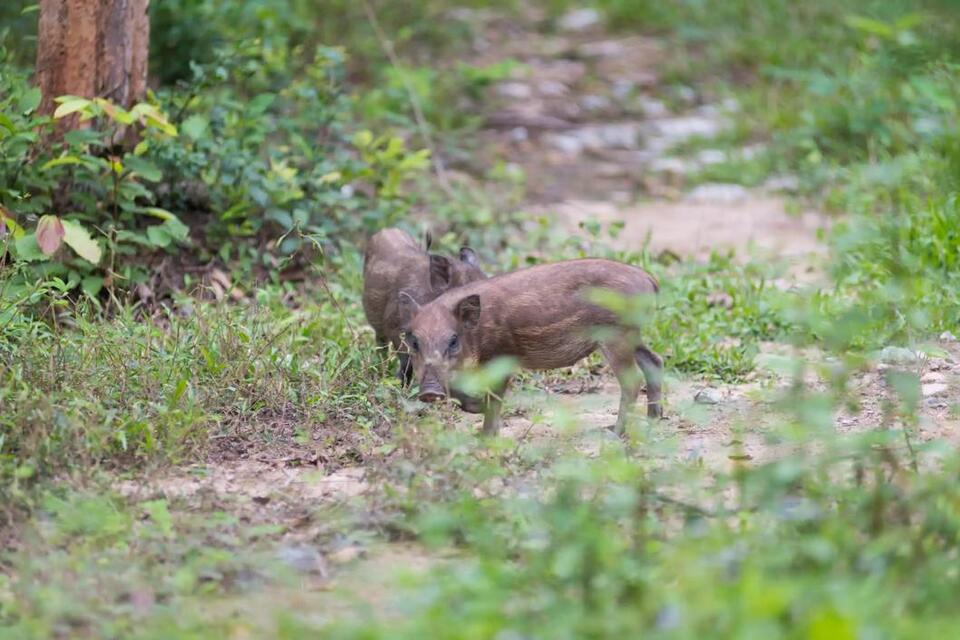
Melvin Mosley+FollowFeral Hogs: The $2.5B Problem You Never KnewRemember that wild '30-50 feral hogs' meme? Turns out, it’s not just internet lore—feral hogs are actually wreaking havoc in Missouri and beyond. Conservationists and the USDA are literally taking to the skies to hunt these super-destructive pigs, which cause billions in damage, ruin crops, pollute water, and even spread disease. Who knew the real-life 'hog invasion' was this intense? #Science #FeralHogs #InvasiveSpecies10Share
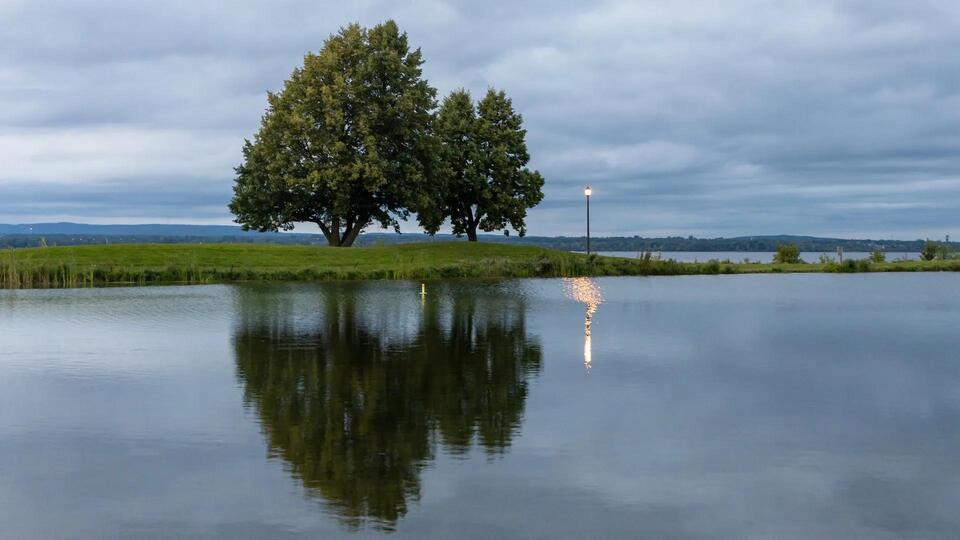
kellydesiree+FollowGoldfish invasion shakes up Ottawa pond lifeA stormwater pond in Ottawa’s Central Park neighborhood is being overrun by goldfish—about 1,000 of them! These invasive fish, likely former pets, are causing real trouble for native species by muddying the water and lowering oxygen levels, which led to thousands of fish dying earlier this year. Local officials are stepping in to remove the goldfish using nets, hoping to restore balance without harming other pond life. It’s a strong reminder: never release pets into local waterways. How do you think we should handle invasive species in our neighborhoods? #Pets #Ottawa #InvasiveSpecies00Share
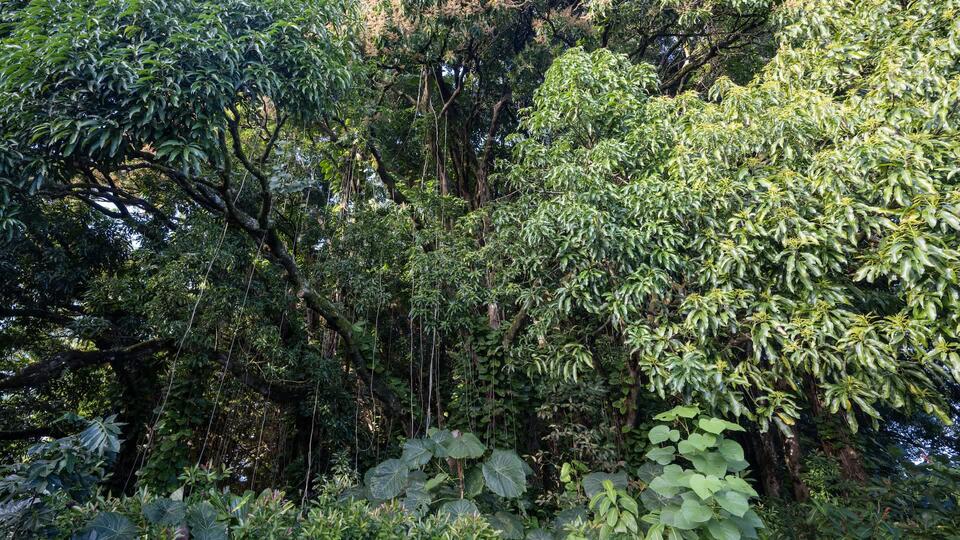
Melvin Mosley+FollowHawai'i's hero dog sniffs out palm tree invadersA specially trained dog named Manu is now the island’s secret weapon against coconut rhinoceros beetles, which are tearing through Hawai'i’s palm trees and leaving growers desperate. Manu and his handler can find beetle larvae hidden deep in piles of wood chips and debris—places humans would never think to look. This canine detective work is giving scientists a fighting chance to save beloved palms and local landscapes. If you have palm trees, keep an eye out for holes or damaged leaves, and clear away decaying wood. How do you tackle yard pests where you live? #Science #Hawaii #InvasiveSpecies240Share