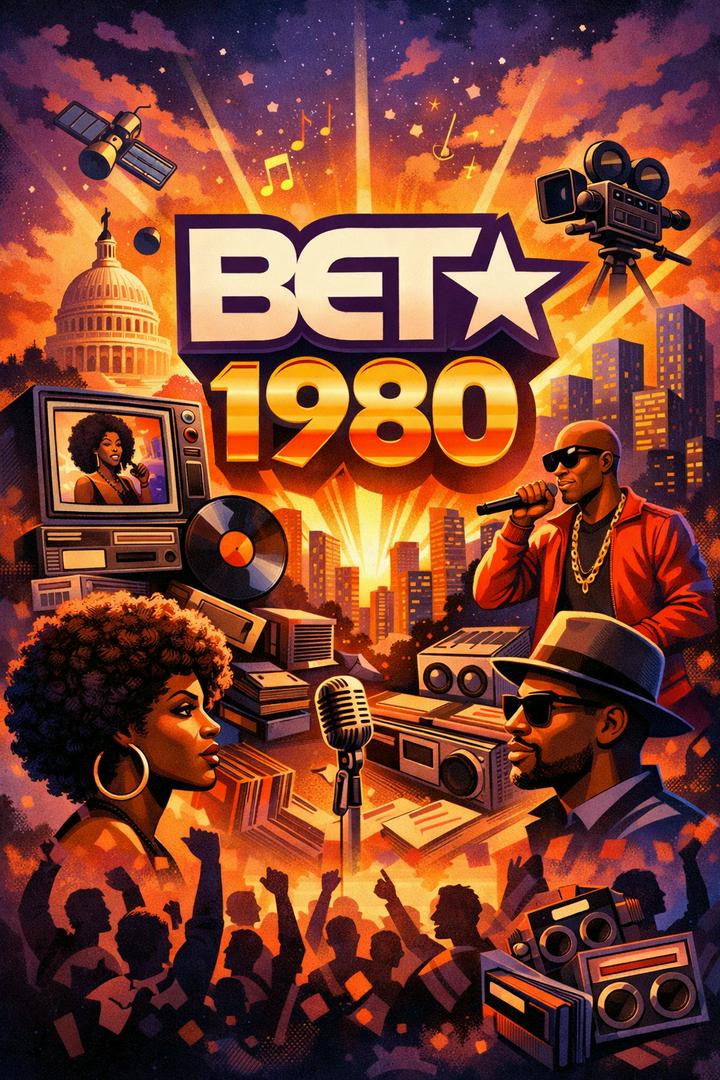
January 25, 1980 marks the launch of Black Entertainment Television, better known as BET. What began as a small cable experiment would grow into one of the most influential media platforms in American cultural history.
BET was founded by Robert L. Johnson at a time when cable television was expanding, yet representation was scarce and often filtered through networks that were not built with Black audiences in mind. The channel initially aired just a few hours of programming per day, relying heavily on music videos, reruns, and public affairs content. It was modest by design, but intentional in purpose.
The significance of BET’s launch was not about scale. It was about access. For the first time, a cable network centered Black voices, Black music, Black interviews, and Black stories as its core audience rather than an afterthought. It created a national platform for artists, journalists, comedians, and public figures who otherwise struggled for consistent visibility on mainstream television.
Over time, BET evolved into a cultural gatekeeper. Shows like Video Soul, BET News, Rap City, and later award programs became reference points for generations. The network documented shifting musical eras, political conversations, fashion trends, and social debates as they unfolded in real time. BET did not just reflect culture…it archived it.
While the network has faced criticism and controversy across different eras, its existence changed the media landscape permanently. BET proved that Black-centered programming was not niche, not temporary, and not optional. It was viable, influential, and deserving of space.
January 25, 1980 stands as more than a launch date. It marks a moment when representation moved from limited windows to a dedicated channel, setting a precedent that reshaped cable television and cultural storytelling for decades to come.
#OnThisDay #January25 #BET #MediaHistory #TelevisionHistory #CulturalHistory #BlackMedia #EntertainmentHistory #AmericanHistory