Tag Page LataraSpeaksTruth

#LataraSpeaksTruth
LataraSpeaksTruth

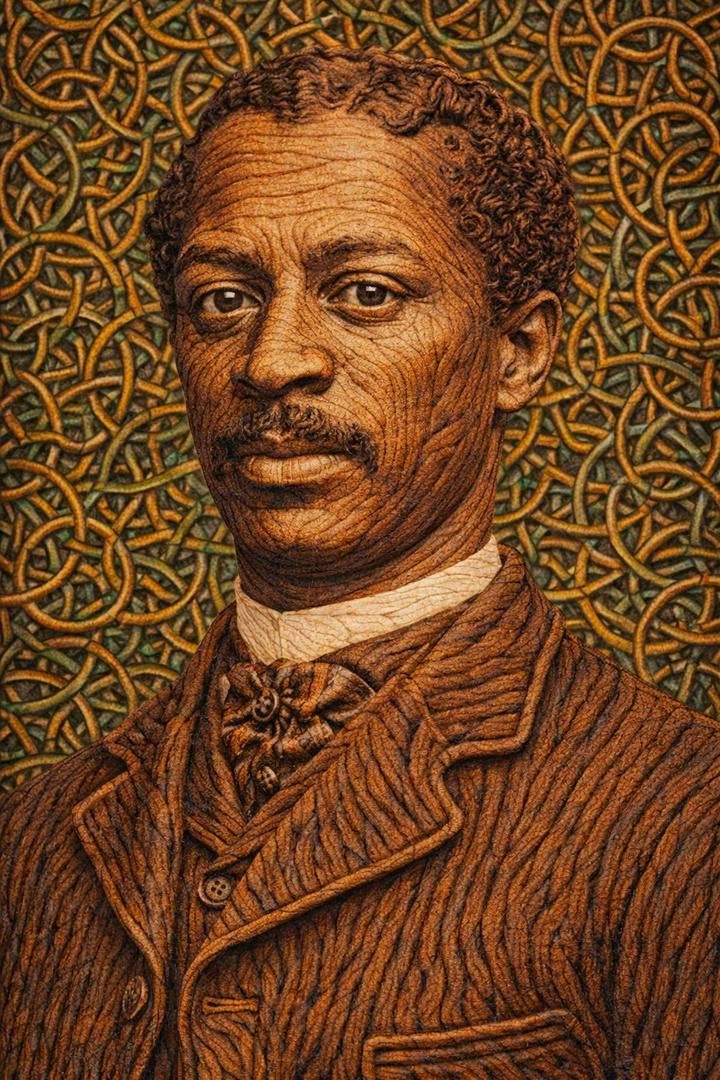
Robert Tanner Freeman was a young man from Washington, D.C., who came of age in a nation that tried to keep Black Americans out of higher education and the professions. Born in 1846, he lived in an era when opportunity was guarded closely and the path into professional life was filled with barriers. Still, he refused to accept the limits placed before him. As a young man, Freeman worked under Dr. Henry Bliss Noble, a white dentist in Washington who became his mentor and encouraged him to study dentistry. At a time when Black students were routinely denied admission to professional schools, Freeman pushed forward with determination. In 1867 he entered Harvard Dental School, and in 1869 he became the first Black man in the United States to earn a formal dental degree. After completing his education, Freeman returned to Washington, D.C., where he opened a dental practice and served his community. His presence in the profession carried weight during a time when Black professionals were rarely seen in such spaces. By establishing himself as a trained dentist, he helped open a path for others who would follow. Robert Tanner Freeman’s story is not only about education. It reflects persistence, discipline, and the courage to step into rooms that had long been closed to people like him. His career was brief, but the example he set became part of a larger movement as Black Americans pushed into medicine, dentistry, education, and other professional fields. Freeman died in 1873 at only 27 years old. Though his life was short, his achievement remains a powerful part of the history of Black advancement in American professional life. #OurHistory #RobertTFreeman #BlackHistory #MedicalHistory #DentalHistory #BlackExcellence #AfricanAmericanHistory #LataraSpeaksTruth

LataraSpeaksTruth

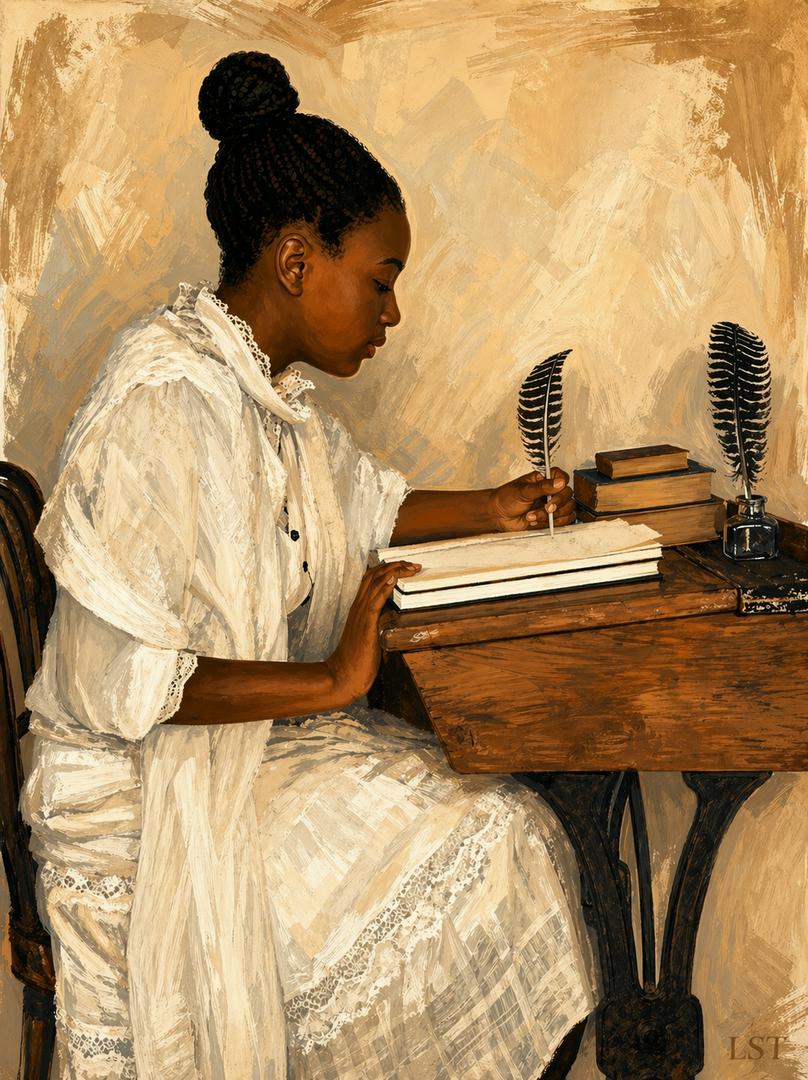
On April 23, 1872, Charlotte E. Ray made history in Washington, D.C. She became the first woman admitted to practice before the Supreme Court of the District of Columbia, helping cement her place as the first Black woman lawyer in the United States. Ray was born in New York City in 1850. Her father, Reverend Charles Bennett Ray, was an abolitionist, minister, and newspaper editor who believed deeply in education. That foundation mattered, because Charlotte stepped into a profession that was not built to welcome women, and especially not Black women. She studied at Howard University School of Law and graduated in 1872. At a time when women were still fighting to be taken seriously in the legal field, Ray broke through two walls at once. She challenged both race barriers and gender barriers. After being admitted to practice law, Ray opened her own law office in Washington, D.C. She worked in commercial law and became known for her legal skill. One of her most recognized cases involved representing a woman seeking divorce from an abusive husband, showing that Ray was not just a symbol of progress. She was a real attorney doing serious legal work. But history should tell the full truth. Charlotte E. Ray had the education, the courage, and the ability. What she did not have was a society willing to fully support a Black woman attorney. Racism and sexism made it difficult for her to keep enough clients to sustain her practice. Eventually, she left law and returned to teaching. That part matters too. Because sometimes the door opens, but the room still refuses to make space. Charlotte E. Ray still walked through it. On April 23, we remember her not just because she was first, but because she stepped into a world that tried to keep her out and left her name in the record anyway. #CharlotteERay #History #WomensHistory #LegalHistory #OnThisDay #HiddenHistory #LataraSpeaksTruth

KIM-WHITE

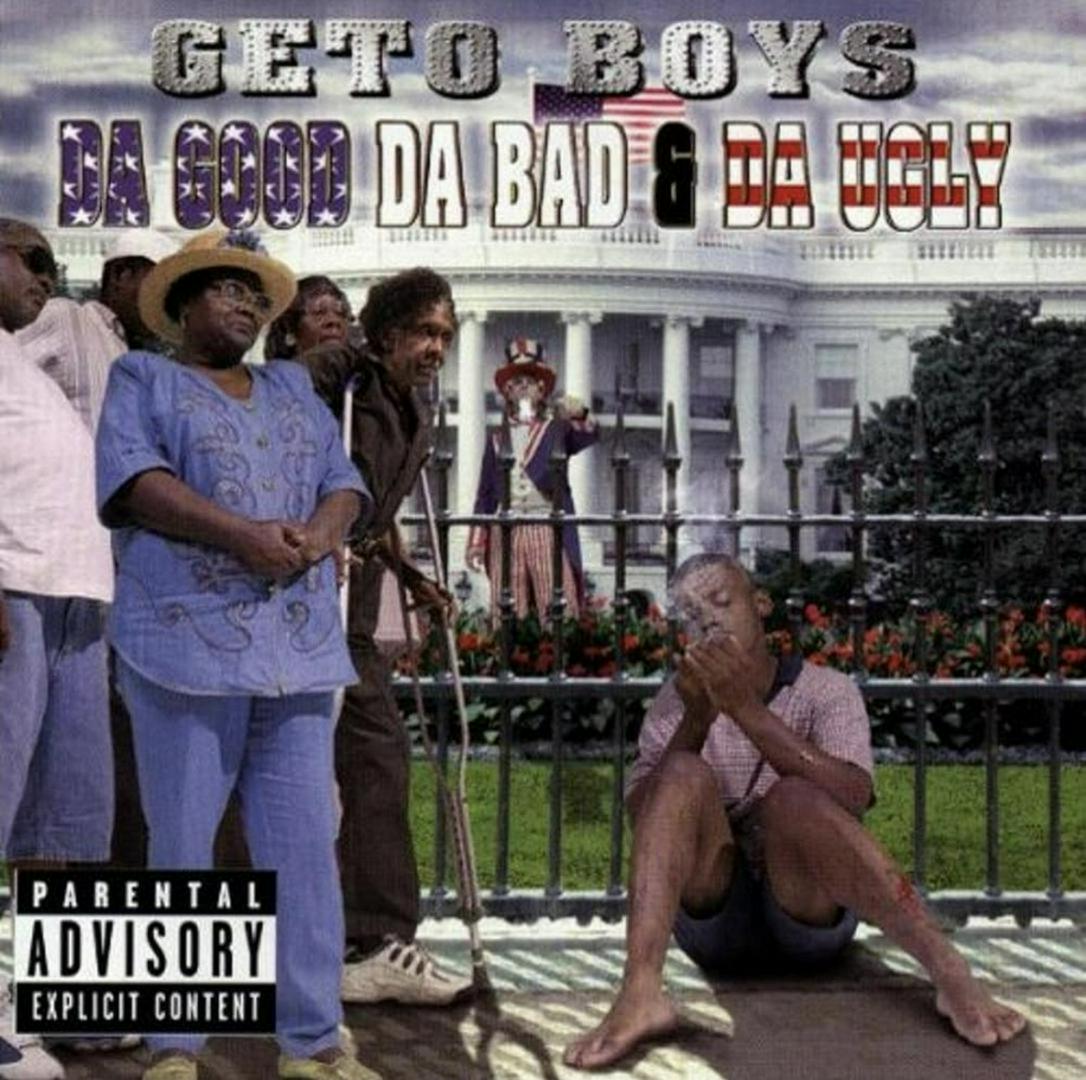
Geto Boys Drop Da Good, Da Bad & Da Ugly... The South Spoke Loud On November 17, 1998, the Geto Bovs came back with Da Good, Da Bad & Da Ugly, a project carved straight out of the Southern hip-hop landscape they helped build Houston had already claimed its voice thanks to them... raw, unfiltered, and unapologetically Southern, but this album showed the world that the South wasn't a "side conversation" anymore. It was the main staqge The album held that sianature Geto Boys energy... dark storytelling, sharp social commentarv, and the kind of life observations vou only get from people who've seen both sides of the street. Even with lineup changes, the crew held on to what made them legendary in the first place... honesty, edge, and a refusal to water anything down for mainstream comfort.By the late `90s, hip-hop was shifting fast but the Geto Boys reminded everybody that Southern rap didn't need approval to be iconic. They were already stamped. Already respected. Already shaping the direction of a whole region. Da Good, Da Bad & Da Ualv stands as one of those albums that marks a moment... the South saying "we're here, we're staying, and we're not taking our foot off nothing." #HipHopHistory #GetoBoys #SouthernRap #HoustonLegends #OnThisDay #BlackMusicHistory #LataraSpeaksTruth #CultureStories #Lemon8Creator #1998Vibes

LataraSpeaksTruth

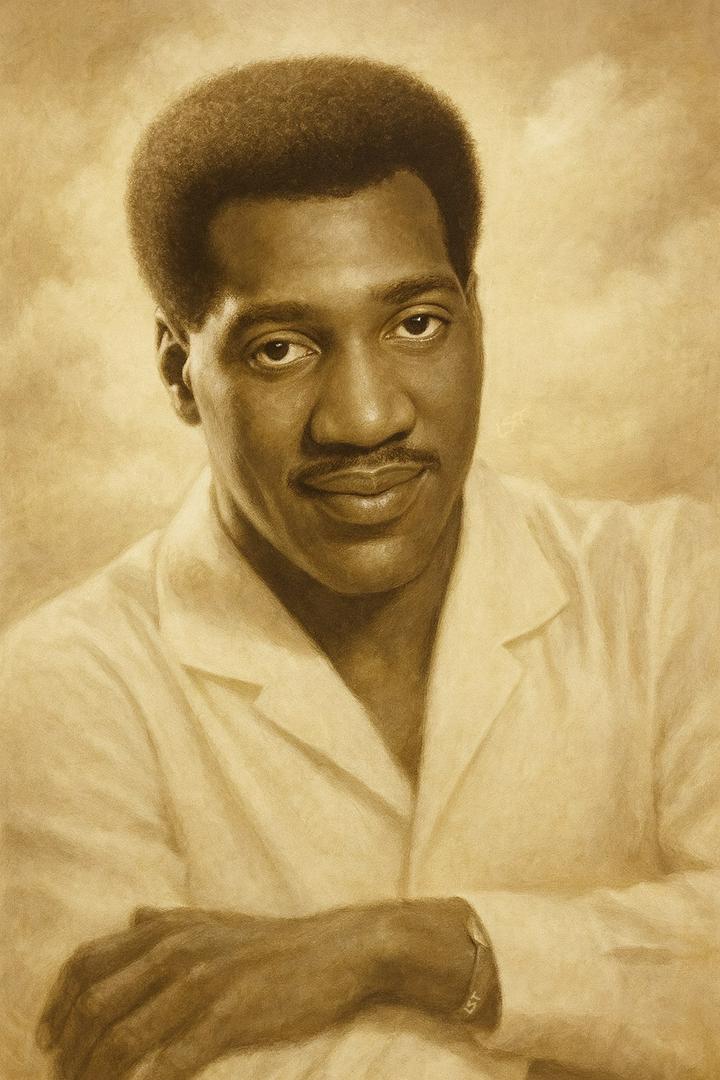
On this day in 1967, the world lost one of the greatest voices to ever touch soul music. Otis Redding was on his way to a performance in Madison, Wisconsin when his plane crashed into Lake Monona. He was only 26, right in the middle of building a legendary career that was already changing the sound of American music. What makes this loss even more powerful is the timing. Just days before the crash, Otis had stepped into the studio and recorded “(Sittin’ On) The Dock of the Bay.” No one knew it would become his final masterpiece. After his death, the song rose to number one and became the first posthumous chart-topping single in U.S. history. A quiet, reflective track that felt like a man looking out at the world became a symbol of everything he never got the chance to finish. Otis was already a force… from the Monterey Pop Festival to stages across the country. His voice carried grit, emotion, and truth. When he performed, he didn’t just sing… he offered a piece of himself. His impact stretched far beyond the charts, shaping the sound of soul music for generations. The news of his death hit hard. Fans mourned. Fellow musicians fell silent. And anyone who had heard him sing knew the world had lost something rare. Even now, decades later, his influence hasn’t faded. His music lives in samples, covers, tributes, and the way artists chase honesty in their sound. Today we honor Otis Redding, a talent gone far too soon, but never forgotten. His voice still echoes through time, reminding us how powerful one song… one moment… one life can be. #BlackHistory #LataraSpeaksTruth #OnThisDay #MusicHistory #OtisRedding #SoulMusic #RememberingLegends #HistoryMatters #TodayInHistory #CommunityPost

LataraSpeaksTruth

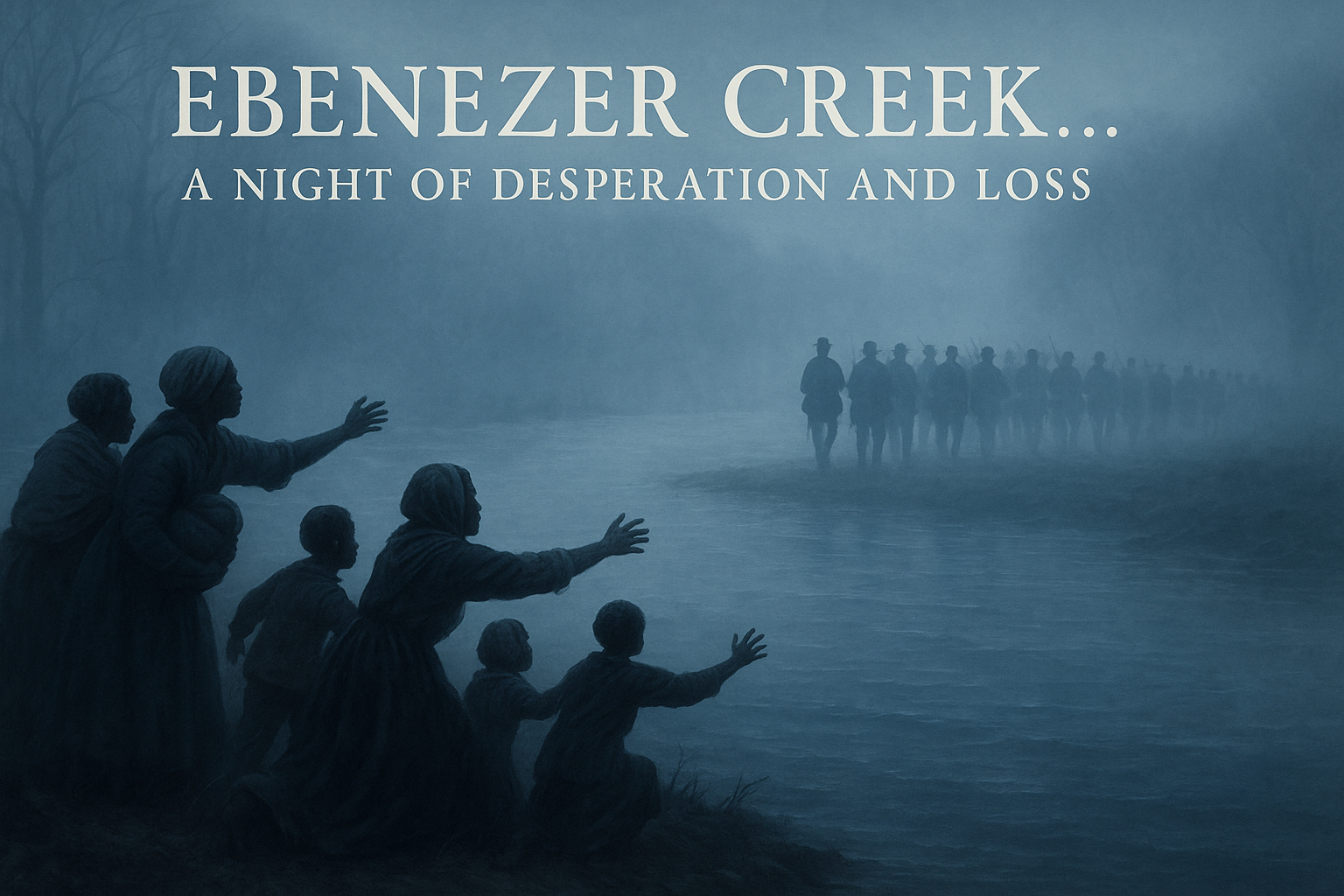
The tragedy at Ebenezer Creek remains one of the most devastating and overlooked moments of the Civil War. As Union troops advanced toward Savannah during Sherman’s March to the Sea, hundreds of freedom seekers followed behind them, believing the army represented safety and a chance at a future beyond bondage. They walked for days beside the soldiers, carrying children, bundles, and the weight of generations. When they reached the cold waters of Ebenezer Creek, Union General Jefferson C. Davis ordered his men to cross first on a pontoon bridge. Once the troops were safely over, the bridge was pulled up without warning, leaving the refugees stranded as Confederate forces closed in. Panic spread as families realized they were trapped with nowhere to run. People leapt into the water, clinging to anything that might float, pieces of wood, clothing, each other. Many drowned trying to reach the other side. Others were captured. A moment that should have been a step toward freedom turned into a night of terror and loss. The massacre at Ebenezer Creek exposed a harsh truth of that era… even in a war fought over slavery, the safety of Black refugees was treated as negotiable. Their trust was betrayed, their lives dismissed, and their suffering pushed to the margins of history. And before anyone shows up with the tired “move on, this is old news, get over the past” routine, let me help you out… how about you move on? I’m from Georgia and in all my years in this state I never once heard about this. I’m learning it right alongside everyone else. This is exactly why these stories matter. History doesn’t disappear just because it makes people uncomfortable. We deserve to know what happened on the soil we stand on. #LataraSpeaksTruth #BlackHistory #AmericanHistory #HiddenHistory #Under2000Characters

LataraSpeaksTruth

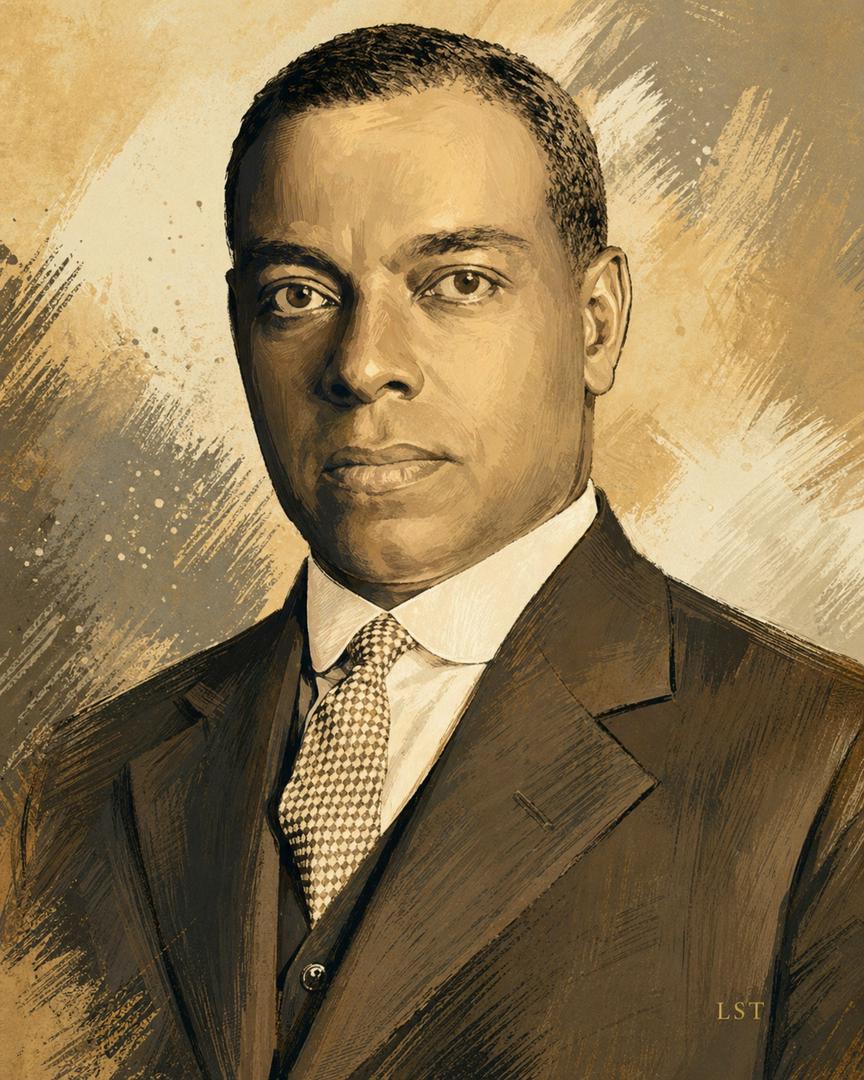
April 24, 1856…Hamilton Hatter was born in Jefferson County, Virginia, in an area that later became part of West Virginia. He was born enslaved, but his life would not stay trapped inside the limits others tried to place around him. Hatter became an educator, college leader, inventor, builder, and public servant. That is why his story deserves more than a quick mention. After slavery ended, he pursued education with the kind of determination people love to overlook when they talk about what formerly enslaved people were “given.” Nothing was handed to him. He studied, worked, built, taught, and kept moving. He attended Storer College in Harpers Ferry, then went on to earn a degree from Bates College in Maine. After that, he returned to Storer and taught subjects like Greek, Latin, and mathematics. Let that sink in. A man born enslaved became a college professor teaching classical languages and math. That alone should be enough to remember his name. But Hamilton Hatter did not stop there. In 1896, he became the first principal of Bluefield Colored Institute, now known as Bluefield State University. He helped shape an institution created to educate Black students during a time when access to higher education was still being blocked, limited, and controlled. He was also involved in politics. In 1892, he was nominated as a Republican candidate for the West Virginia House of Delegates. He did not win, but the nomination itself mattered in a time when Black political power was being challenged hard. And because one lane was clearly not enough for him, Hatter also received a patent in 1893 for a corn-harvesting improvement. Born enslaved. Became educated. Became an educator. Became a college leader. Became an inventor. That is not just a biography. That is proof of what people built while history tried to bury their names. Hamilton Hatter deserves to be remembered. #HamiltonHatter #BlackHistory #WestVirginiaHistory #OverlookedHistory #LataraSpeaksTruth

LataraSpeaksTruth

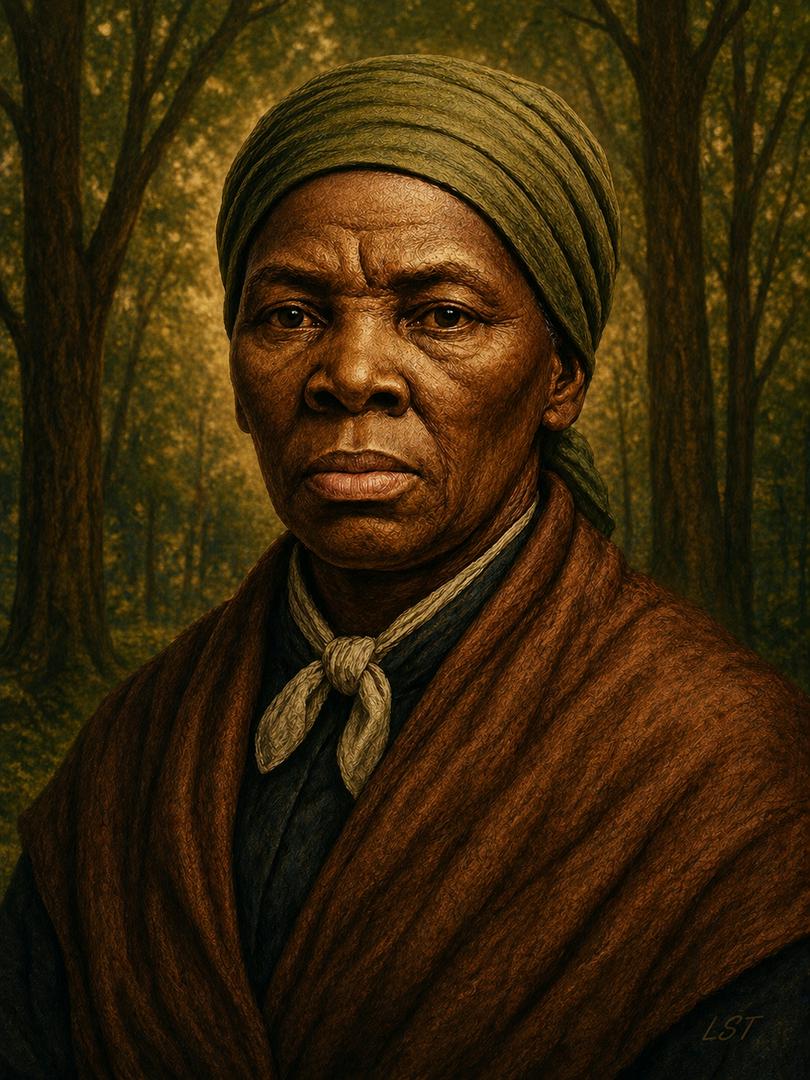
On April 27, 1860, Harriet Tubman was in Troy, New York, when Charles Nalle, a freedom seeker from Virginia, was arrested under the Fugitive Slave Act. Nalle had escaped slavery and built a life in Troy, but the law still allowed him to be captured and sent back. When word spread that he had been taken, abolitionists and community members rushed to stop it. Harriet Tubman was among them. She did not stand back and watch. She joined the crowd that fought to keep Nalle from being dragged back into slavery. The rescue turned into one of the boldest public freedom actions connected to the Underground Railroad in New York. This was not the quiet version of Harriet Tubman that history sometimes tries to package neatly. This was Tubman in motion, risking herself in broad daylight, standing between a man and a system determined to steal him back. Her courage was not symbolic. It was physical. It was dangerous. It was real. On April 27, we remember Harriet Tubman not only as the woman who led people to freedom, but as the woman who showed up when freedom was being threatened right in front of her. #HarrietTubman #CharlesNalle #April27 #UndergroundRailroad #LataraSpeaksTruth

LataraSpeaksTruth

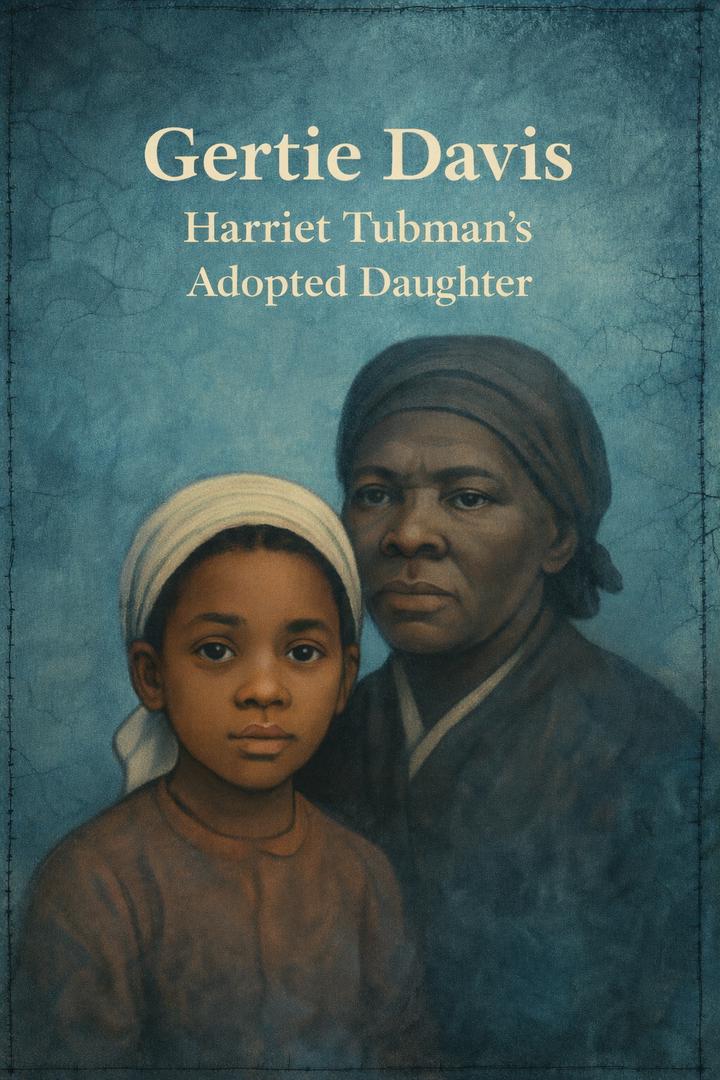
Gertie Davis is one of the lesser-known names connected to Harriet Tubman’s life, and her story offers a glimpse into Tubman’s later years in Auburn, New York. After the Civil War, Harriet Tubman settled in Auburn and later married Nelson Davis. Together, they adopted a young girl named Gertie Davis. While Harriet Tubman became widely known for her work as a conductor on the Underground Railroad, a Union scout and nurse, and a freedom fighter, much less was recorded about the family life she built in the years that followed. Historical records about Gertie Davis are limited. What is known is that she was part of the Tubman household and appears in the story of Harriet Tubman’s later life. Her presence reminds us that Tubman’s life was not only defined by public courage and national history, but also by home, caregiving, and family. That matters because history often reduces people to their most famous roles. Harriet Tubman is rightly remembered for her extraordinary bravery, but she was also a wife, a mother figure, and a woman who created a home in the midst of a life shaped by struggle and service. Gertie Davis may not be widely documented, but her name still carries meaning. She represents a quieter part of Harriet Tubman’s story, one rooted in family life and the personal world Tubman built after years of sacrifice. Sometimes history is loud. Sometimes history lives in the small details, in the names that appear only briefly, and in the lives that stand just beyond the spotlight. Gertie Davis was one of those lives. #GertieDavis #HarrietTubman #BlackHistory #AmericanHistory #HiddenHistory #LataraSpeaksTruth #repost

LataraSpeaksTruth

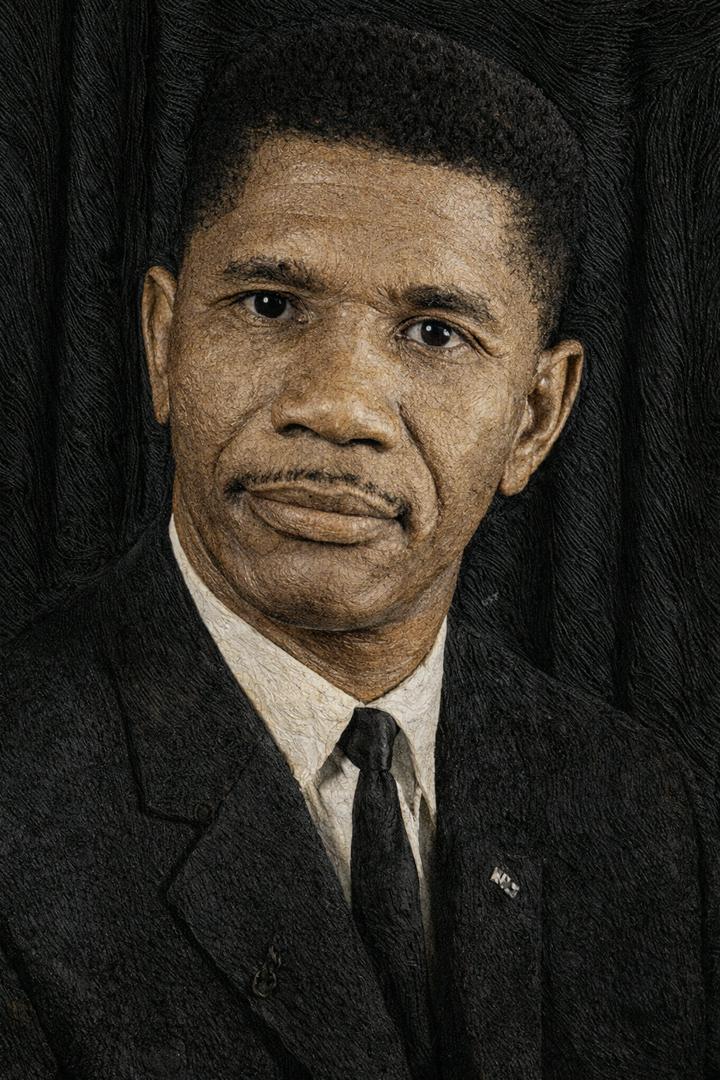
Born on July 2, 1925, in Decatur, Mississippi, Evers grew up in a state where segregation shaped nearly every part of daily life. After serving in the United States Army during World War II, he returned home determined to build a better future. He later attended Alcorn Agricultural and Mechanical College, where he studied business administration and became active in student leadership. In 1954, Evers became the NAACP’s first field secretary in Mississippi. In that role, he traveled across the state organizing local branches, encouraging voter registration, investigating racial violence, and helping challenge segregation in schools and public spaces. His work placed him on the front lines of one of the most dangerous battles in the South. Evers also helped investigate the 1955 murder of Emmett Till and worked to expose the brutal realities Black families faced in Mississippi. He pushed for equal access to education, fought discriminatory laws, and worked to expand basic rights that had long been denied. Because of his work, Evers lived under constant threat. His home was attacked, his family lived with fear, and he knew that speaking openly against injustice could cost him his life. Still, he refused to step away from the work. On June 12, 1963, Medgar Evers was assassinated outside his home in Jackson, Mississippi. His murder shocked the nation and became one of the defining tragedies of the civil rights era. Though his life was cut short, his courage left a lasting mark on American history. Medgar Evers is remembered not only as a leader, but as a man who kept showing up for the work even when the danger was clear. His legacy lives on in the continued fight for justice, dignity, and equal protection under the law. #OurHistory #MedgarEvers #AmericanHistory #CivilRightsHistory #LataraSpeaksTruth

LataraSpeaksTruth

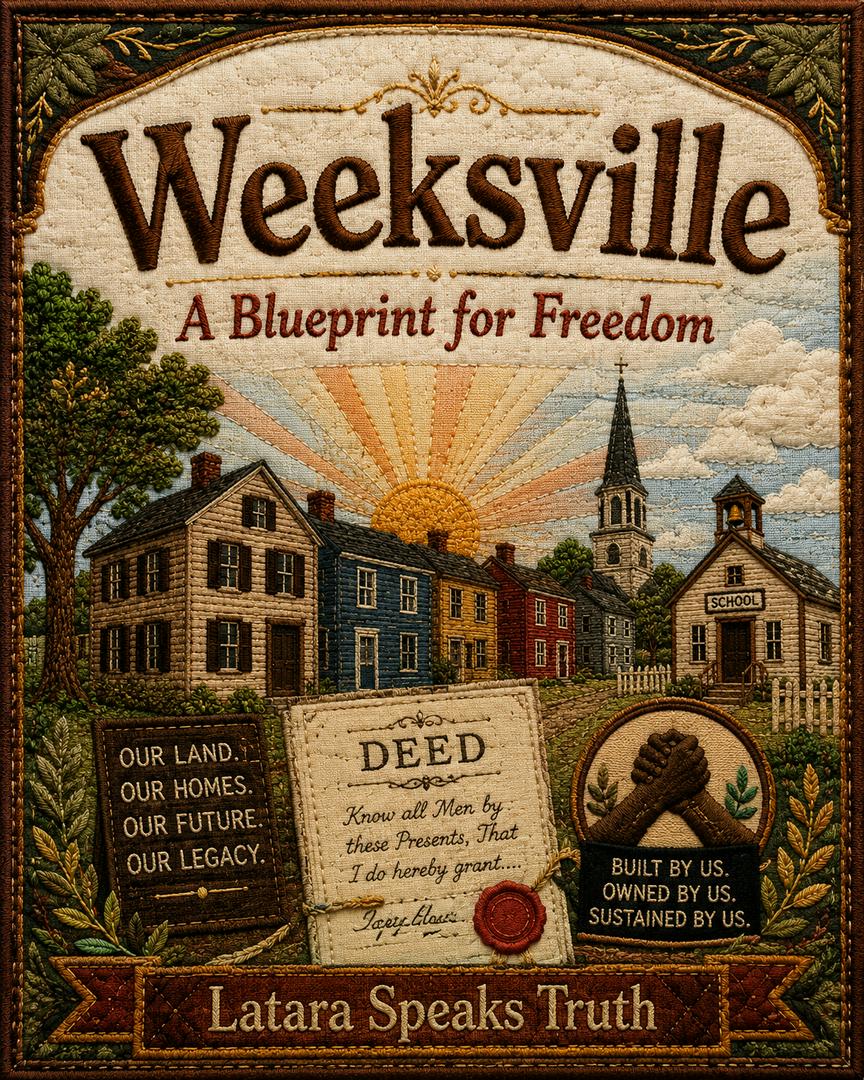
Before Crown Heights became what most people know today, there was Weeksville. Founded in Brooklyn in 1838 by James Weeks and other free Black landowners, Weeksville became one of the largest free Black communities in pre-Civil War America. This was not just a place where people lived. It was a place where people built. They built homes, schools, churches, businesses, and a community strong enough to protect people when freedom on paper still did not guarantee safety in real life. Land mattered because New York once required Black men to own property worth $250 before they could vote. For families in Weeksville, owning land was not just about shelter. It was about political power, dignity, and a future they could pass down. By the 1850s, Weeksville had hundreds of residents, along with Colored School No. 2, churches, a newspaper called Freedman’s Torchlight, and a growing network of families, workers, teachers, ministers, and business owners. During the 1863 Draft Riots, when Black New Yorkers were attacked in Manhattan, Weeksville became a refuge for people fleeing the violence. Over time, much of the community was nearly erased by development and forgotten by the wider public. But in 1968, the remaining Hunterfly Road Houses were rediscovered, helping bring Weeksville’s story back into view. Today, Weeksville Heritage Center continues to preserve that history. Weeksville reminds us that freedom was not only fought for in courtrooms and battlefields. Sometimes it was built lot by lot, house by house, school by school, by people who knew ownership was more than property. It was protection. It was strategy. It was a future. #Weeksville #BrooklynHistory #HiddenHistory #BlackHistory #LataraSpeaksTruth
Tag: LataraSpeaksTruth - Page 14 | LocalAll