Tag Page LataraSpeaksTruth

#LataraSpeaksTruth
LataraSpeaksTruth

Michael Manley was born on December 10, 1924, in Jamaica, and rose into one of the most influential Caribbean leaders of the twentieth century. He built his politics on labor rights, economic justice, and the stubborn belief that working-class people deserved far more than society was handing them. His vision did not stop at Jamaica’s shoreline. It connected directly to global movements for Black liberation. Manley served as Jamaica’s Prime Minister across two major eras, and he spent those years challenging inequality, pushing bold social programs, and refusing to let marginalized communities stay invisible. He was not perfect. No leader is. Still, he chose to speak loudly on issues that made the powerful uncomfortable. He understood that Jamaica’s struggles were tied to the wider struggles of the African diaspora. He confronted colonial systems, called out racial injustice, and supported liberation movements in Africa and the Caribbean while many world leaders stayed silent. His courage energized activists in the United States who recognized their own fight in his. Including Manley in conversations about American history is not a stretch. It is a necessary correction. The Caribbean and the United States have always shared more than culture and migration. They have shared labor battles, resistance strategies, and a deep hunger for self-determination. Manley’s work belongs inside that history. To name him is to honor the truth. Liberation has never been a project contained by borders. It is a global story carried across oceans. Michael Manley’s chapter deserves to be read. Michael Manley shaped more than Jamaica. His leadership connected labor rights, global Black movements, and the long push for dignity across the African diaspora. #BlackHistory #OnThisDay #DiasporaHistory #CaribbeanLeaders #HistoryMatters #LataraSpeaksTruth

LataraSpeaksTruth

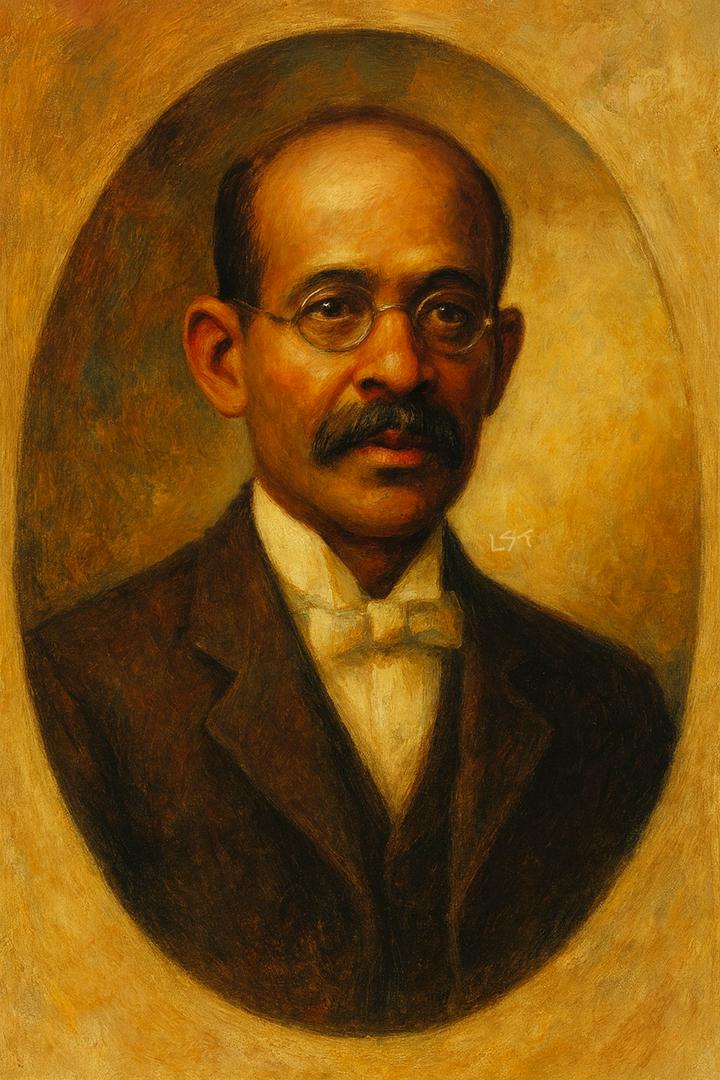
Edwin C. Berry was born in 1854 in Oberlin, Ohio and would grow into one of the most successful Black hoteliers of his era. His story is one of discipline, skill, and a refusal to be boxed in by the limits placed on Black ambition during the late nineteenth and early twentieth century. Berry trained as a barber first, a field where Black men were often able to build steady clientele and earn financial stability. That experience taught him how to read people, manage money, and understand the rhythm of business. Those skills opened the door to something bigger. He moved to Athens, Ohio where he took a bold step. He purchased and transformed a modest boarding house into what became the Hotel Berry, a respected establishment that drew travelers from across the region. At a time when segregation blocked Black travelers from many accommodations, Berry created a place known for its order, comfort, and professionalism. His hotel earned praise from both Black and white patrons which was rare for the period. People noted the elegance of the space and the discipline with which Berry ran it. His success was not just about hospitality. It showed what strong Black leadership looked like during a time when opportunities were limited and racial barriers were constant. Berry built wealth, provided jobs, and raised the standard for what Black owned businesses could achieve. His life stands as a reminder that history is filled with stories of Black excellence that shaped communities long before these contributions were fully acknowledged. Berry’s legacy still inspires people who understand how hard he had to work to build what he built. #EdwinCBerry #BlackHistory #AmericanHistory #AthensOhio #HotelBerry #LataraSpeaksTruth

LataraSpeaksTruth

1948… On this day the United Nations General Assembly adopted the Universal Declaration of Human Rights. It became one of the most influential documents of the modern era, shaping how nations talk about dignity, equality, and the protection of every person. The declaration was created in the aftermath of a world at war. Countries wanted a shared standard for how human beings should be treated. It outlined rights that are supposed to belong to everyone, no matter their background or location. Over time it became a guide for global conversations about fairness. Movements in the United States used it as a reference point when challenging discrimination and unequal treatment. Leaders in the Black freedom struggle cited its language to push the country to live up to the values it claimed to support. The document did not solve the world’s problems, but it created a blueprint that communities continued to hold up. December 10 stands as a reminder that the fight for dignity has both a global history and a local impact. #History #AmericanHistory #OnThisDay #HumanRights #LataraSpeaksTruth

LataraSpeaksTruth

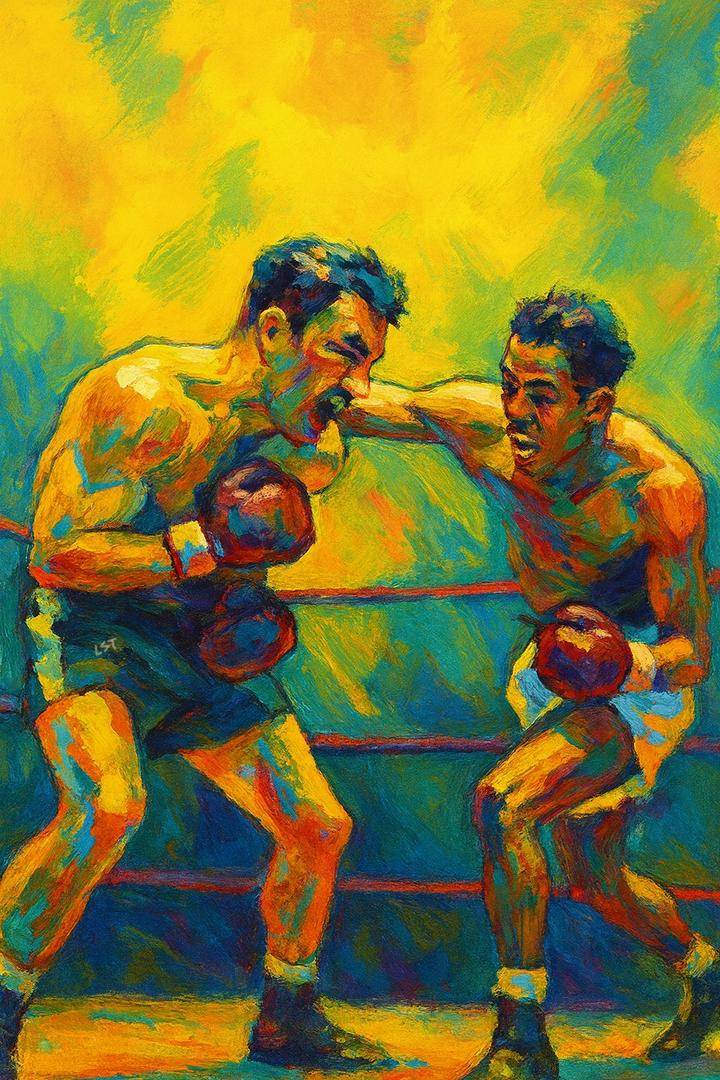
December 10 marks a moment that shook the sports world in 1965. Sugar Ray Robinson, the man many still consider the greatest boxer to ever lace a pair of gloves, officially stepped away from the ring and closed a career that feels almost mythical in hindsight. He retired with world titles in the welterweight and middleweight divisions and more than 100 knockouts across eras where every fight was a battle for legacy. Sugar Ray wasn’t just skilled, he was the blueprint. Footwork light as conversation, timing sharp as intuition, movement that looked like it should have been captured in poetry instead of film. He shifted how fighters trained, strategized, dreamed. Whole generations studied him. Whole styles were born from his rhythm. His retirement on this day was bigger than a personal decision. It marked the end of a chapter in American sports history, a moment where fans knew they were watching the closing of something rare, something unmatched. A career that rewrote expectations. A fighter who redefined excellence. A legend who stood alone. There are champions. There are icons. And then there is Sugar Ray Robinson, a name that still commands respect every single time it’s spoken. His legacy didn’t end with retirement. It expanded, echoing through every fighter who studied the art of footwork, precision, and heart. #BlackHistory #BlackExcellence #OnThisDay #SportsHistory #BoxingHistory #SugarRayRobinson #LataraSpeaksTruth

LataraSpeaksTruth

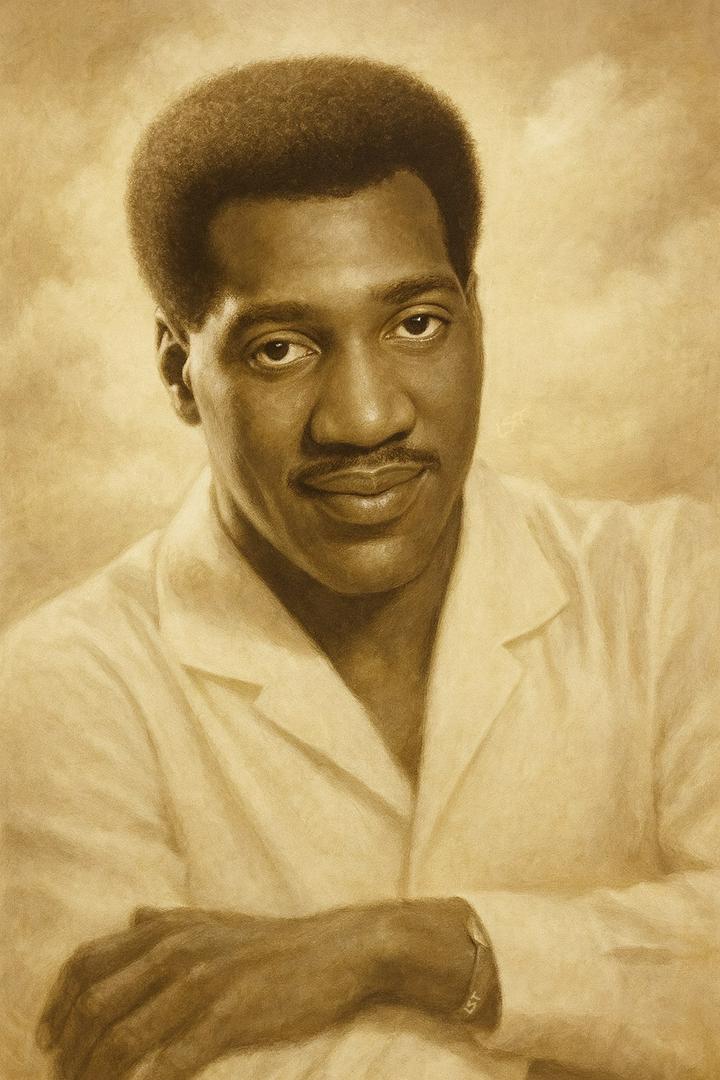
On this day in 1967, the world lost one of the greatest voices to ever touch soul music. Otis Redding was on his way to a performance in Madison, Wisconsin when his plane crashed into Lake Monona. He was only 26, right in the middle of building a legendary career that was already changing the sound of American music. What makes this loss even more powerful is the timing. Just days before the crash, Otis had stepped into the studio and recorded “(Sittin’ On) The Dock of the Bay.” No one knew it would become his final masterpiece. After his death, the song rose to number one and became the first posthumous chart-topping single in U.S. history. A quiet, reflective track that felt like a man looking out at the world became a symbol of everything he never got the chance to finish. Otis was already a force… from the Monterey Pop Festival to stages across the country. His voice carried grit, emotion, and truth. When he performed, he didn’t just sing… he offered a piece of himself. His impact stretched far beyond the charts, shaping the sound of soul music for generations. The news of his death hit hard. Fans mourned. Fellow musicians fell silent. And anyone who had heard him sing knew the world had lost something rare. Even now, decades later, his influence hasn’t faded. His music lives in samples, covers, tributes, and the way artists chase honesty in their sound. Today we honor Otis Redding, a talent gone far too soon, but never forgotten. His voice still echoes through time, reminding us how powerful one song… one moment… one life can be. #BlackHistory #LataraSpeaksTruth #OnThisDay #MusicHistory #OtisRedding #SoulMusic #RememberingLegends #HistoryMatters #TodayInHistory #CommunityPost

LataraSpeaksTruth

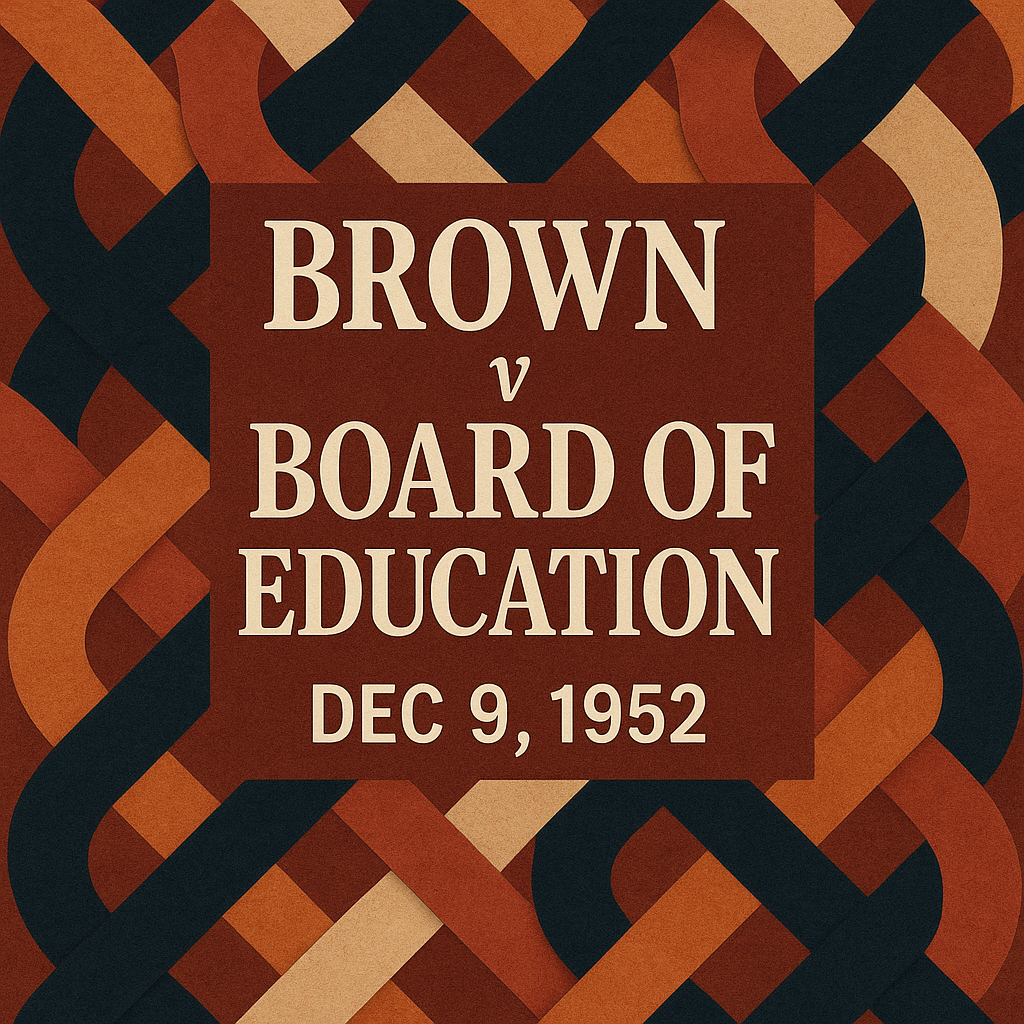
December 9, 1952 marked a turning point in American history, even though most people at the time didn’t realize how much the moment would reshape the nation. On this day, the U.S. Supreme Court began hearing arguments in Brown v. Board of Education and several related cases challenging school segregation. Families from Kansas, South Carolina, Virginia, Delaware, and the District of Columbia all stepped forward, insisting that separate classrooms created unequal futures for their children. Their voices carried a message that had been ignored for decades, and this was the first time the highest court in the country had to confront it head-on. The arguments unfolded over several days, exposing a truth that had long been clear to the families living it. Segregated schools were not just separate, they were deeply unequal in funding, safety, resources, and opportunity. Attorneys including Thurgood Marshall pushed the Court to acknowledge the harm being done to children who were told, by law, that they were worth less. It challenged the very idea of fairness in public education and forced the nation to face its contradictions. Though the Court would not reach a final decision until 1954, December 9 was the spark that set everything in motion. The justices’ willingness to reopen arguments multiple times showed how heavy the moment truly was. They knew the outcome would transform every district, every classroom, and every child’s understanding of what equality should look like in America. The eventual ruling, declaring school segregation unconstitutional, did more than change policy, it changed the nation’s direction. And it all began with the courage of families who refused to let inequality be the last word. #LataraSpeaksTruth #NewsBreak #HistoryMatters #AskLemon8 #BlackHistory #AmericanHistory #BrownvBoard #OnThisDay #CivilRightsHistory

LataraSpeaksTruth

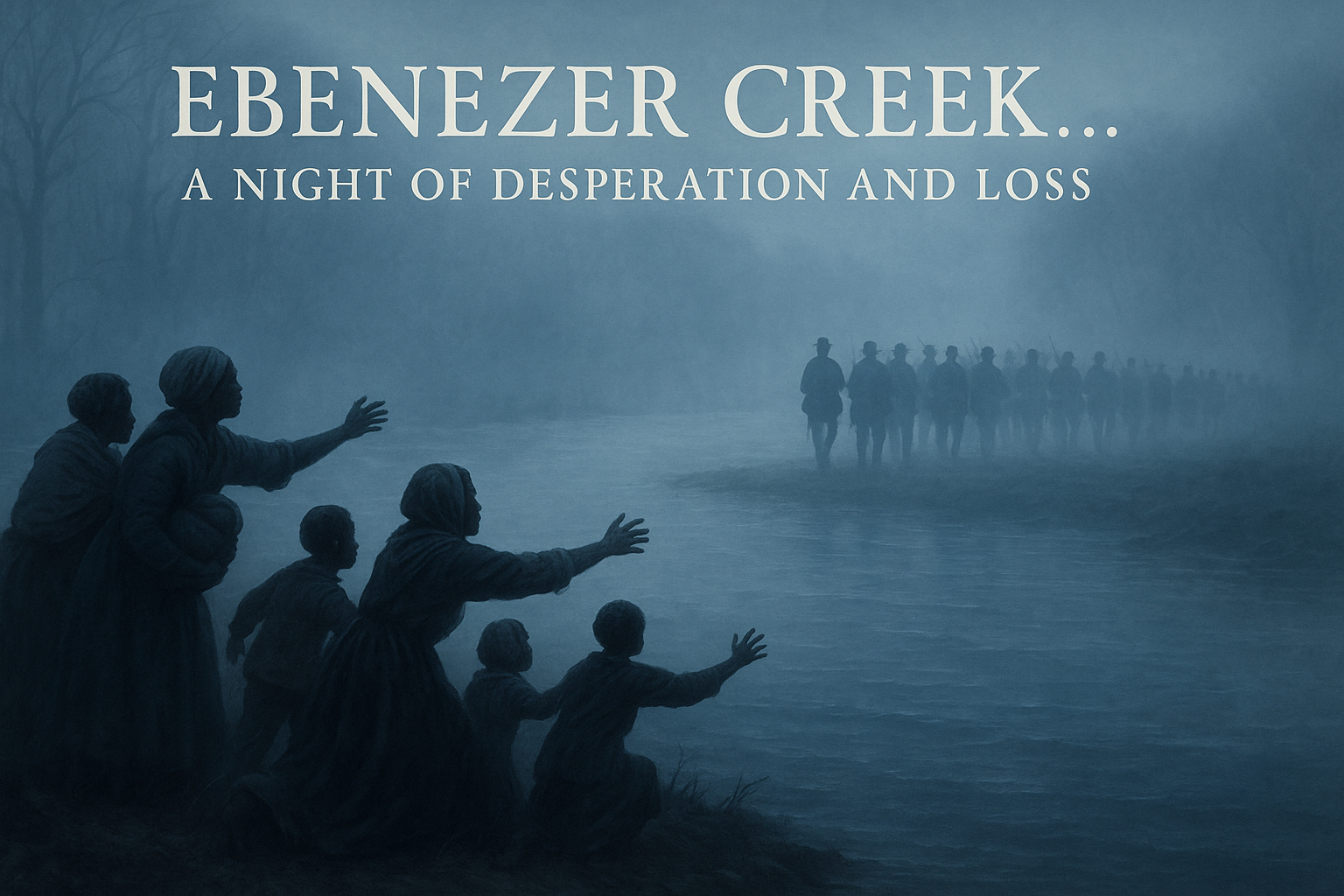
The tragedy at Ebenezer Creek remains one of the most devastating and overlooked moments of the Civil War. As Union troops advanced toward Savannah during Sherman’s March to the Sea, hundreds of freedom seekers followed behind them, believing the army represented safety and a chance at a future beyond bondage. They walked for days beside the soldiers, carrying children, bundles, and the weight of generations. When they reached the cold waters of Ebenezer Creek, Union General Jefferson C. Davis ordered his men to cross first on a pontoon bridge. Once the troops were safely over, the bridge was pulled up without warning, leaving the refugees stranded as Confederate forces closed in. Panic spread as families realized they were trapped with nowhere to run. People leapt into the water, clinging to anything that might float, pieces of wood, clothing, each other. Many drowned trying to reach the other side. Others were captured. A moment that should have been a step toward freedom turned into a night of terror and loss. The massacre at Ebenezer Creek exposed a harsh truth of that era… even in a war fought over slavery, the safety of Black refugees was treated as negotiable. Their trust was betrayed, their lives dismissed, and their suffering pushed to the margins of history. And before anyone shows up with the tired “move on, this is old news, get over the past” routine, let me help you out… how about you move on? I’m from Georgia and in all my years in this state I never once heard about this. I’m learning it right alongside everyone else. This is exactly why these stories matter. History doesn’t disappear just because it makes people uncomfortable. We deserve to know what happened on the soil we stand on. #LataraSpeaksTruth #BlackHistory #AmericanHistory #HiddenHistory #Under2000Characters

LataraSpeaksTruth

December 8 marked another shift in the nation’s pandemic response as updated vaccine guidance continued moving across the country. Health officials pushed for broader access, especially in communities where misinformation, limited resources, and a long memory of broken trust were already shaping outcomes. The urgency was real… Omicron was gaining speed, and experts warned the impact wouldn’t fall evenly. That’s why December 9 mattered just as much. The NAACP stepped in with a national virtual town hall that brought medical experts, faith leaders, and community advocates together on one screen. They broke down the latest data, explained what was actually known about the new variant, and answered the questions mainstream coverage kept skipping past. They spoke plainly about the unequal weight communities were carrying… frontline exposure, higher rates of chronic illness, limited access to quality care, and the history that shaped hesitation. But the town hall wasn’t doom or panic. It was clarity. It was empowerment. It was everyday people getting real information instead of rumors, noise, or fear. Together, December 8 and 9 showed a moment when national policy and community conversation finally met in the middle. One moved the science forward. The other made the science make sense. And both days underscored a simple truth… information only matters when it reaches the people who need it most. #LataraSpeaksTruth #OnThisDay #HistoricalContext #HealthEquity #PublicHealth

LataraSpeaksTruth

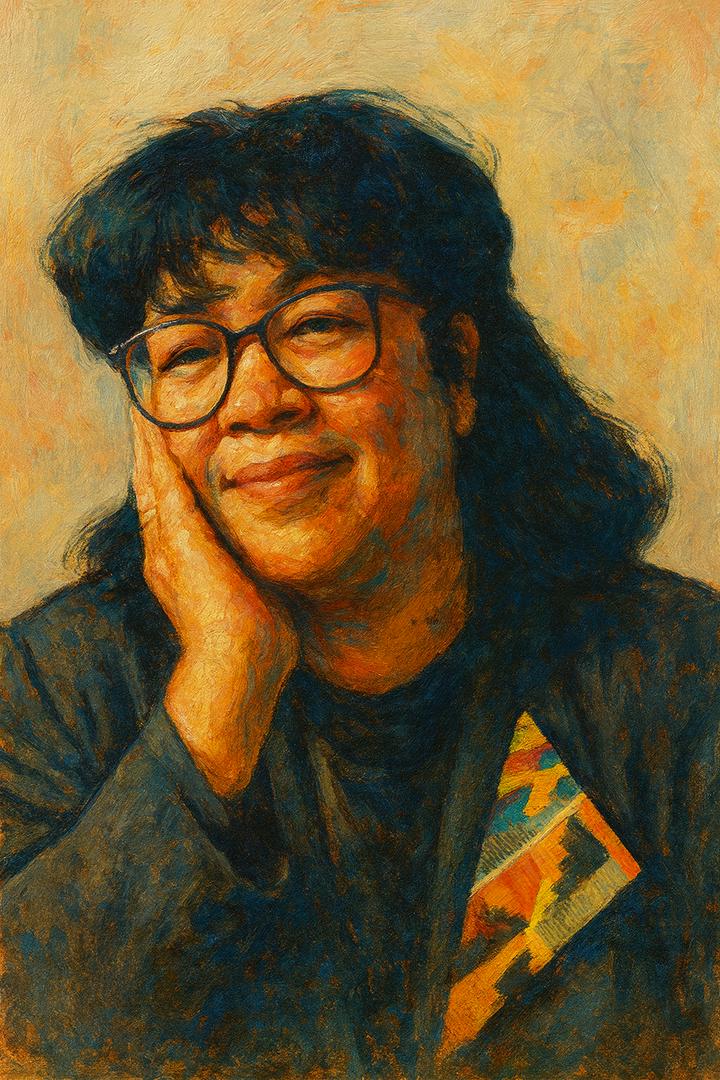
When people talk about the Tulsa Race Massacre today, they often have no idea how close this history came to disappearing. For decades, it sat in silence, tucked into unopened archives and memories no one bothered to ask about. The only reason we can name survivors, hear their voices, and understand even a fraction of what happened is because one woman refused to let the truth fade. Eddie Faye Gates spent years sitting with survivors and listening to stories the country had ignored. She treated every recollection as evidence and every voice as a piece of a broken record that needed to be made whole. Her work did not simply document history. It protected it. She helped create an archive that made it impossible for anyone to pretend Tulsa was a rumor or an exaggeration. As a leading member of the Oklahoma Commission to Study the Tulsa Race Riot of 1921, she ensured survivor testimonies were recorded, preserved, and placed where institutions could no longer look away. Her persistence reshaped how the nation understands one of its darkest moments. On December 9, 2021, she passed away, leaving behind a legacy built on truth and courage. Because of her, the story of Tulsa is no longer hidden behind denial or silence. The testimonies she preserved continue to guide educators, researchers, lawmakers, and communities that choose honesty over comfort. Gates never asked for attention. She never put herself at the center. She simply believed survivors deserved to be remembered as real people and not as footnotes in forgotten history. In living out that belief, she compelled institutions to confront realities they ignored for generations. Her legacy reminds us that history can be fragile, yet it can still be reclaimed. And every time the Tulsa Race Massacre is taught or discussed, her presence lingers quietly in the background, proving that one determined historian can change what a nation chooses to remember. #LataraSpeaksTruth #NewsBreak #HistoryMatters #EddieFayeGates